Why Your Body Feels Older Than Your Age — And How to Fix It Naturally (Feel Young Again!)

If climbing stairs leaves you winded or lifting groceries feels harder than it used to, you’re experiencing what scientists call premature aging—when your biological age races ahead of your chronological age.
You’re not imagining it. Your body genuinely feels older than the number on your birthday cake. This disconnect between how old you are and how old you feel signals real cellular and physiological changes happening inside your body right now.
Here’s what you’ll learn in this guide. You’ll discover the scientific difference between biological and chronological age. You’ll identify 7 measurable signs your body is aging faster than it should.
You’ll find out the root causes accelerating your aging process, backed by the latest 2024-2025 research. Most importantly, you’ll get 6 natural, proven strategies to reverse biological aging.
This isn’t theory. These are specific, actionable steps you can start today. Small changes that rebuild your cells from the inside out. Your body can feel younger again. Let’s fix this together.

Understanding Why Your Body Feels Older Than Your Age
Meet Sarah. She’s 45. Last weekend, she watched her friend climb stairs without breathing hard. Sarah had to stop halfway up. Same age. Different bodies. What’s going on?
Your birthday shows your chronological age. But your cells tell a different story. This is your biological age. It measures how well your body actually works, not just how many years you’ve been alive. Scientists at Stanford Medicine found something surprising. Your body doesn’t age steadily. Big changes hit hard in your 40s and 60s.

Here’s what happens inside you. Your cells get damaged over time. Telomeres (protective caps on your DNA) get shorter. Your mitochondria (tiny power plants in cells) slow down. Adults lose 3-8% of muscle mass every ten years after their 30s. Research shows that molecules in your body dramatically rise or fall during your 40s and 60s, rather than changing gradually.
Why do some people age faster? Stress. Poor diet. Lack of sleep. Pollution. Not moving enough. All these speed up cellular damage.
But here’s the good news. You can slow this down. Your biological age can change. You’re not stuck with how you feel right now.
7 Signs Your Body Is Aging Faster Than It Should
Your body sends warnings when something’s wrong. These seven signs show premature aging is happening right now. Catch them early, and you can still turn things around.
Sign 1: Constant Fatigue Despite Adequate Rest

You sleep eight hours. You wake up tired. By noon, you’re exhausted. This isn’t normal tiredness. It’s your cells struggling to make energy. Your mitochondria are tiny power plants inside each cell.
When they slow down, everything slows down. No amount of coffee fixes this. If sleep doesn’t restore your energy anymore, your cellular repair system needs help.
Sign 2: Muscle Weakness and Loss of Strength

Grocery bags feel heavier. Stairs make you breathe hard. Opening jars takes real effort. This is sarcopenia, the medical term for muscle loss. It can start in your 30s. Adults lose 3-8% of muscle mass every decade if they do nothing about it.
Between ages 60-70, about 5-13% of people have this problem. After 80? That number jumps to 50%. Your grip strength tells the story. If your handshake is getting weaker, your whole body is losing strength.
Sign 3: Brain Fog and Memory Lapses

Where did you put your keys? What was that person’s name? You walk into a room and forget why. Some forgetfulness is normal. But constant brain fog is a red flag. Your brain isn’t getting enough blood flow. Inflammation is building up inside.
High cortisol (your stress hormone) makes it worse. Research shows it speeds up dementia symptoms. Normal is forgetting where you parked once. Concerning is forgetting important appointments or struggling to focus on simple tasks.
Sign 4: Stiff Joints and Reduced Mobility

You move slower now. Getting out of chairs takes effort. Bending down to tie shoes hurts. Your walking speed matters more than you think. Slower walking shows muscle loss and joint problems starting.
This affects everything you do. Playing with grandkids. Carrying laundry. Walking through stores. When your body gets stiff, you move less. When you move less, you get stiffer. It’s a bad cycle that speeds up aging.
Sign 5: Premature Skin Changes
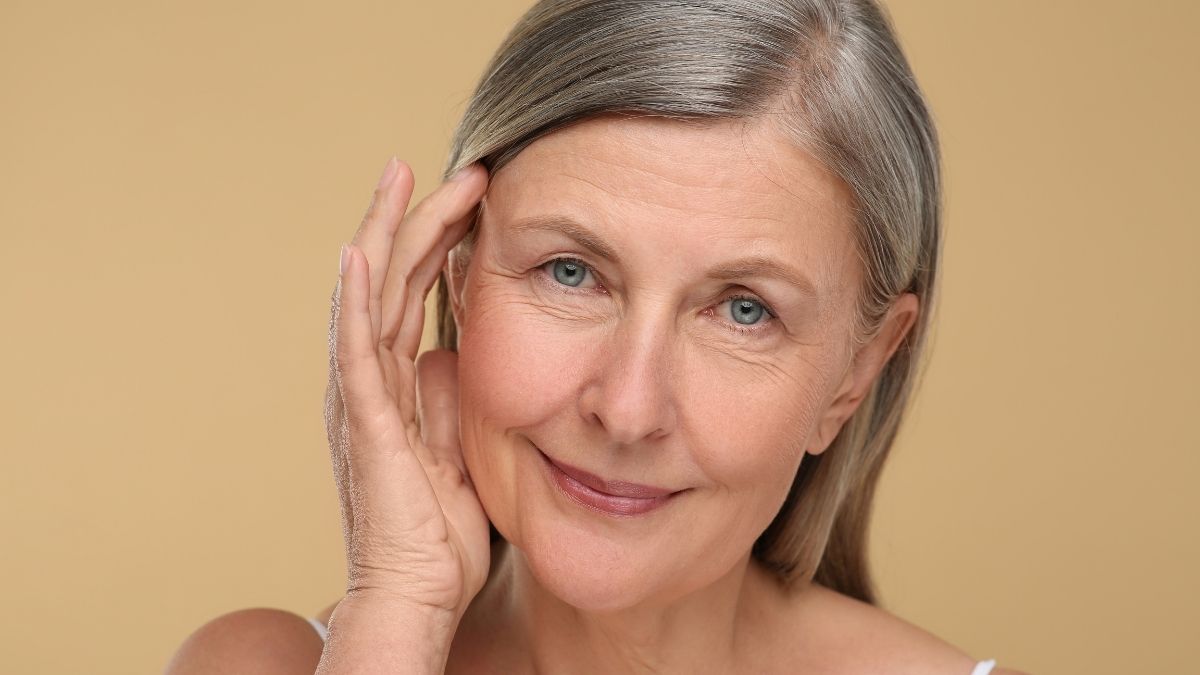
Wrinkles show up too early. Age spots appear on your hands. Your skin feels thin and dry. Skin changes you can see reflect aging you can’t see inside your body.
Collagen breaks down. Oxidative stress damages cells. Your skin is your largest organ. When it ages fast, everything else is aging fast too. The spots and lines are just the visible proof.
Sign 6: Poor Sleep Quality
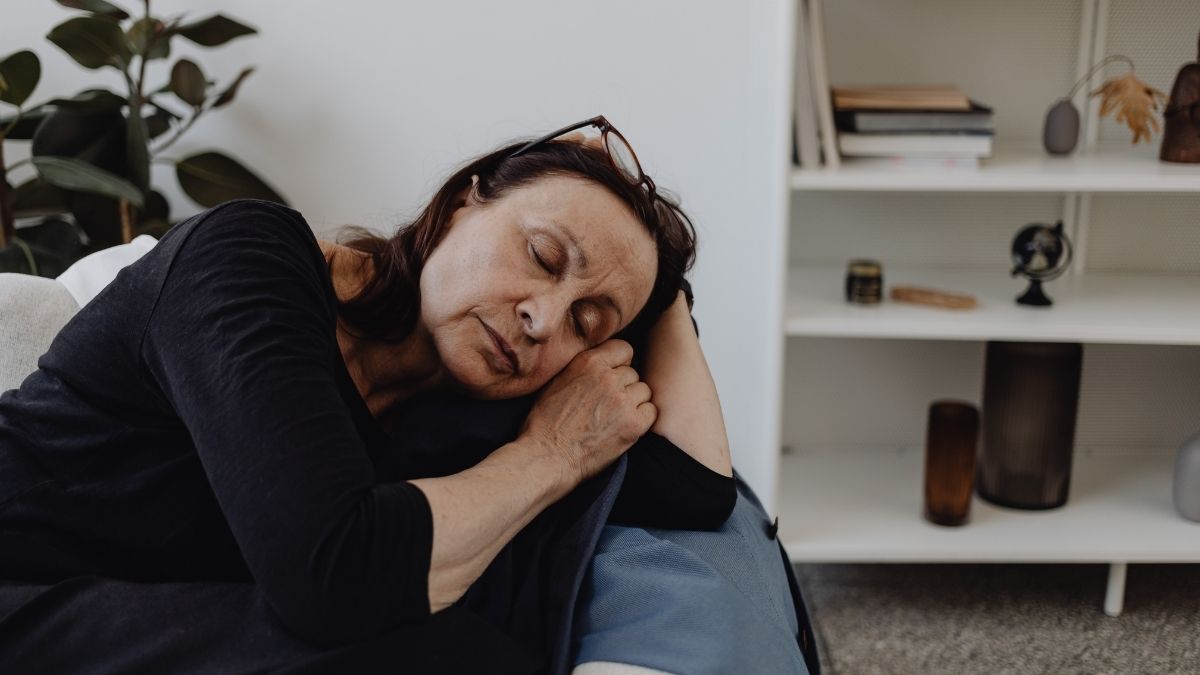
You can’t fall asleep. You wake up at 3 AM. You toss and turn all night. Getting less than seven hours of sleep makes your body’s cells age faster. Sleep is when your body repairs itself. Without good sleep, damage piles up.
Your immune system weakens. Your brain can’t clear out waste. Muscles don’t rebuild. Poor sleep doesn’t just make you tired. It literally ages you.
Sign 7: Slower Recovery from Illness or Exercise
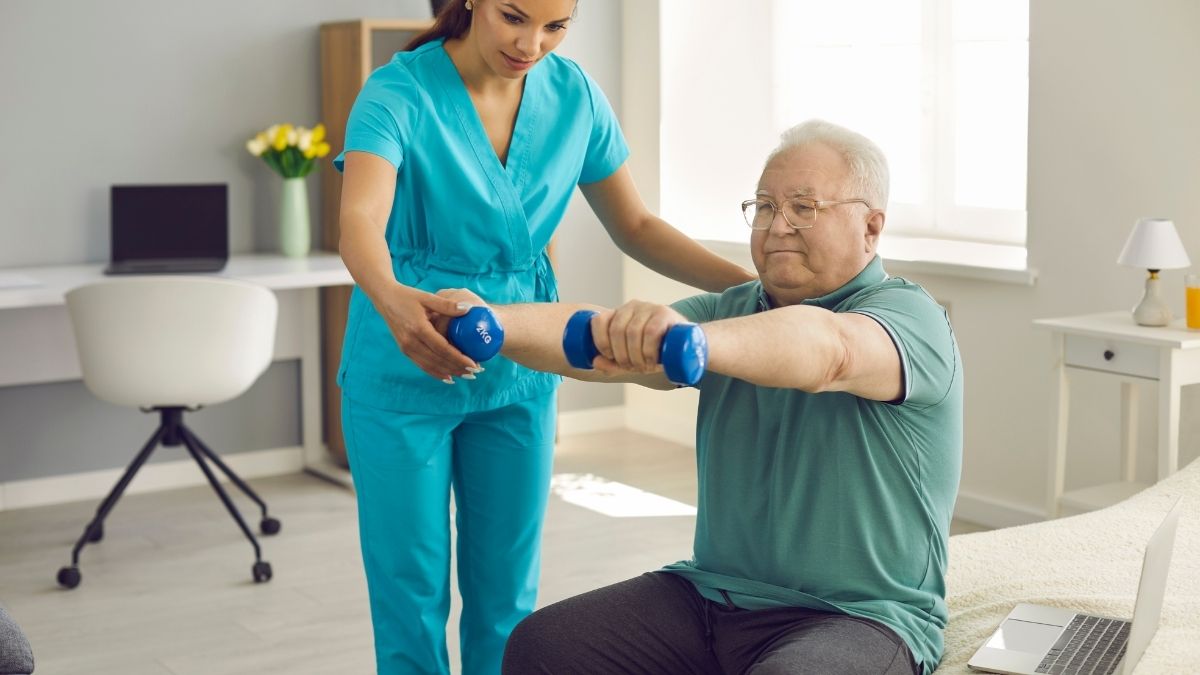
A cold used to last three days. Now it’s two weeks. You worked out Monday. Your muscles still hurt Friday. When recovery takes forever, your immune system and repair processes are aging. You get sick more often. Infections last longer. After exercise, soreness won’t go away. Your body is telling you it can’t bounce back like it used to.
Here’s what matters: Middle-aged adults who did just 1-3 strength workouts weekly were 40-70% less likely to have heart attacks or strokes. Small changes make big differences. These biological aging markers aren’t sentences. They’re wake-up calls.
The Hidden Culprits: What’s Accelerating Your Aging Process
You’re doing everything right. Or so you think. But hidden forces are aging your body faster than they should. Here’s what’s really happening behind the scenes.
Culprit 1: Chronic Stress and Elevated Cortisol
Your boss emails at 9 PM. Bills pile up. You can’t remember the last calm day. Chronic stress floods your body with cortisol, a hormone that breaks down collagen and triggers inflammation throughout your body.
Research shows that people with messed-up cortisol levels have much higher inflammation risk. Aging naturally increases inflammatory chemicals in your body by 2-4 times. Stress makes it worse.

Here’s the cycle. Stress raises cortisol. Cortisol causes inflammation. Inflammation damages your tissues. Your cells can’t repair themselves properly.
Then you age faster. Studies prove that disruptions in cortisol regulation affect multiple body systems at once. Your constant worry isn’t just in your head. It’s literally aging your cells.
Culprit 2: Poor Sleep Quality
You scroll your phone until midnight. Wake up at 2 AM. Hit snooze five times. Bad sleep damages your cells by shortening telomeres, the protective caps on your DNA.
Short sleep, taking forever to fall asleep, and poor sleep quality all speed up telomere shortening. When telomeres get too short, cells die.

Sleep is when your body does its repair work. Your brain clears out toxic waste. Your muscles rebuild. Your immune system recharges. Without quality sleep, this cleanup never happens.
It’s not just about hours. You need consistent bedtimes, deep sleep stages, and uninterrupted rest. Miss any of these, and cellular damage piles up night after night.
Culprit 3: Sedentary Lifestyle and Muscle Disuse
You sit at a desk all day. Take the elevator. Park close to the door. Your muscles are disappearing. People who skip strength training lose 4-6 pounds of muscle every ten years.
That’s pure muscle turning into fat or just vanishing. Lack of resistance training speeds up muscle breakdown faster than anything else.
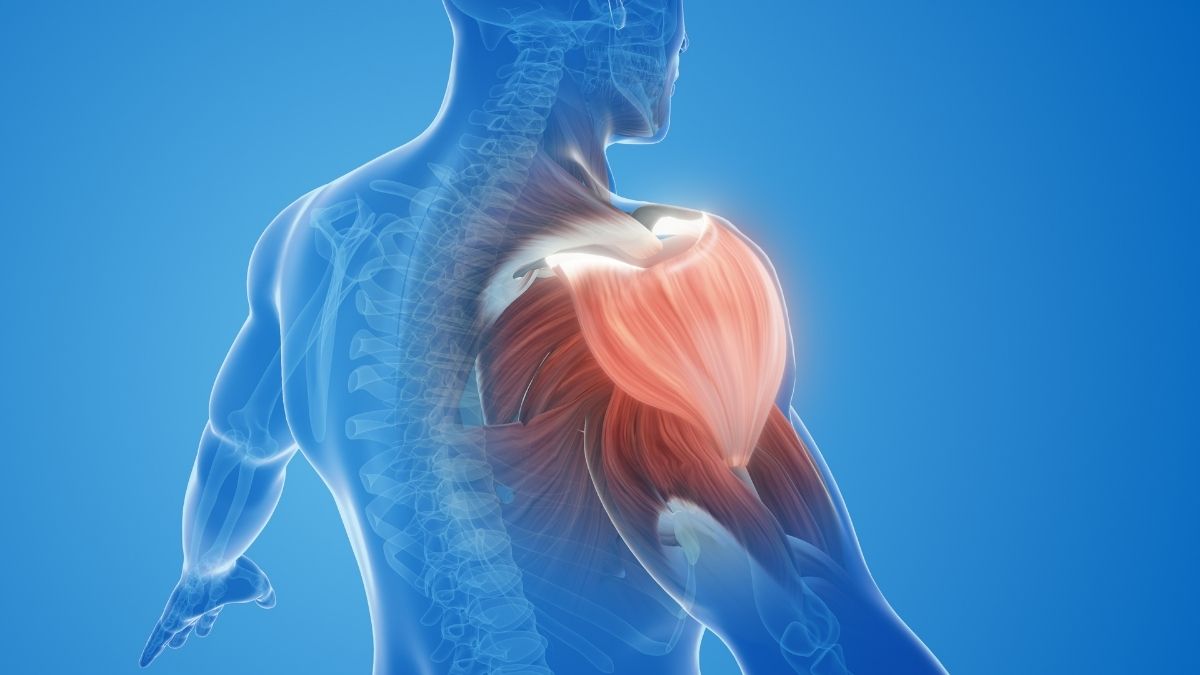
Here’s why muscle matters. It’s not just about looking strong. Muscle controls your metabolism. It processes sugar. It supports your bones. When you lose muscle, your whole body works worse.
You burn fewer calories. Your blood sugar spikes. Your bones get weaker. This is “use it or lose it” in action. Stop moving, and your body decides it doesn’t need that muscle anymore.
Culprit 4: Pro-Inflammatory Diet
You grab fast food for lunch. Snack on chips. Drink soda. Eat white bread. Diets high in sugar and refined carbs cause premature aging by activating your immune system when it should be resting.
Western diets loaded with processed meats, refined starches, and added sugars constantly trigger inflammation. Your body thinks it’s under attack 24/7.
This chronic inflammation aging process destroys you slowly. Every sugary snack damages blood vessels. Every processed meal stresses your organs. Your food choices are either fighting inflammation or feeding it.
Anti-inflammatory diets rich in vegetables, fish, and whole foods do the opposite. They calm your system down and slow aging.
Culprit 5: Environmental Factors
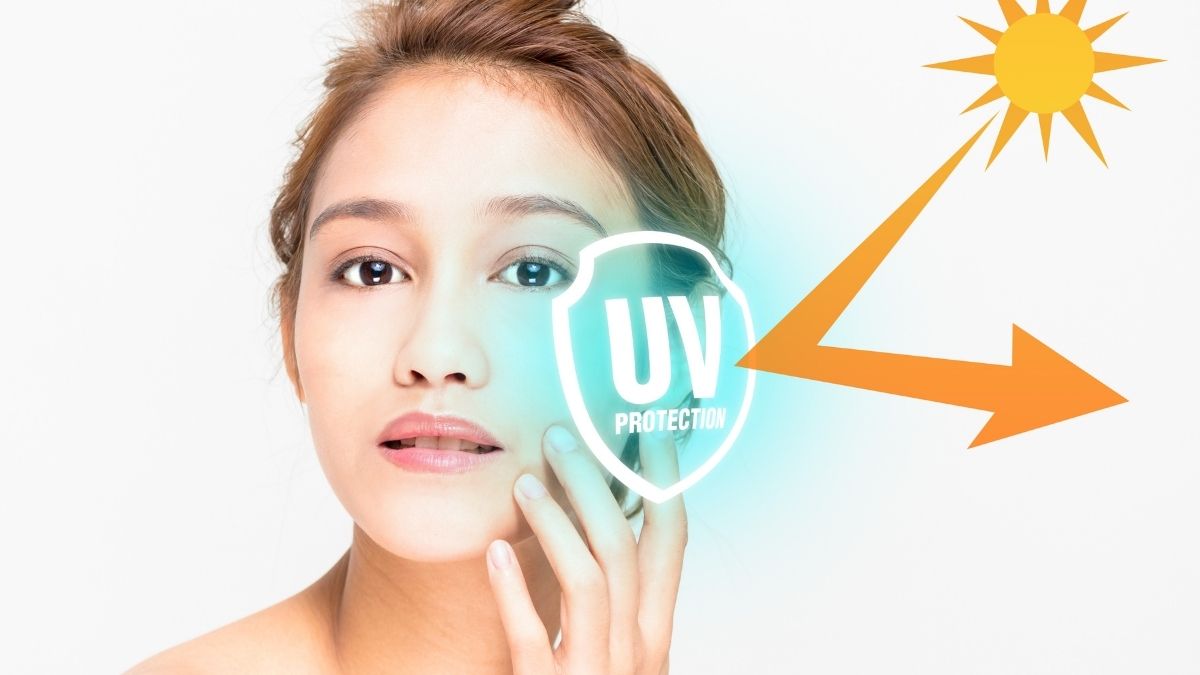
You skip sunscreen. Live in a polluted city. Use harsh chemicals at work. Sun exposure causes 90% of visible skin aging through UV radiation damage. But the aging goes deeper than wrinkles.
UV light damages DNA in all your skin cells. Heavy metals in water, pesticides on food, and air pollution create oxidative stress. This stress triggers inflammation throughout your body.
Even your screen time matters. Blue light from phones and computers affects your cells. Infrared heat damages skin. Toxins in cleaning products, plastics, and furniture off-gas chemicals you breathe daily. Your environment is aging you whether you notice it or not.
6 Natural Strategies to Reverse Biological Aging
You can’t stop time. But you can slow down how fast your body ages. These six strategies are backed by real science, and you can start today.
Strategy 1: Build Muscle Through Resistance Training
Your muscles are aging machines in reverse. Older adults who do resistance training see 30-40% strength improvements in just a few months. Your muscle mass can grow 1-2% every month with consistent work.
Research proves that resistance exercise with proper nutrition gives you the best quality of life as you age.
Here’s what works. Train 2-3 times per week minimum. Studies show more repetitions with light weights beat heavy weights with fewer reps. Start simple. Do chair stands. Try wall push-ups. Then grab light dumbbons (2-5 pounds).
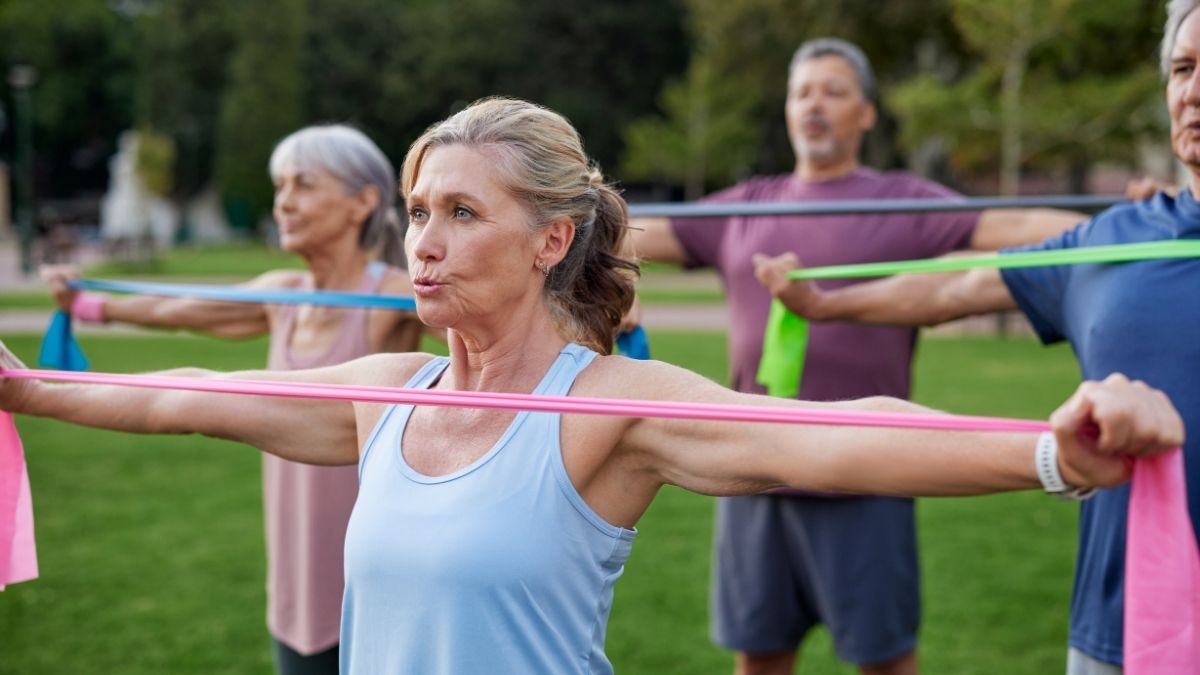
The key exercises are squats, chair stands, rows, and overhead press. Mix resistance training with balance and aerobic exercise for the best results.
Try this 15-minute home routine. Ten chair stands. Ten wall push-ups. Ten rows with light weights. Ten overhead presses. Rest one minute. Repeat three times. Do this every other day. Your body will respond fast.
Strategy 2: Manage Stress and Lower Cortisol
Stress is killing you slowly. Meditation, deep breathing, and yoga actually reduce cortisol levels in your blood. This isn’t feel-good advice. It’s proven biology. Phosphatidylserine supplements may help manage high cortisol, especially at bedtime.
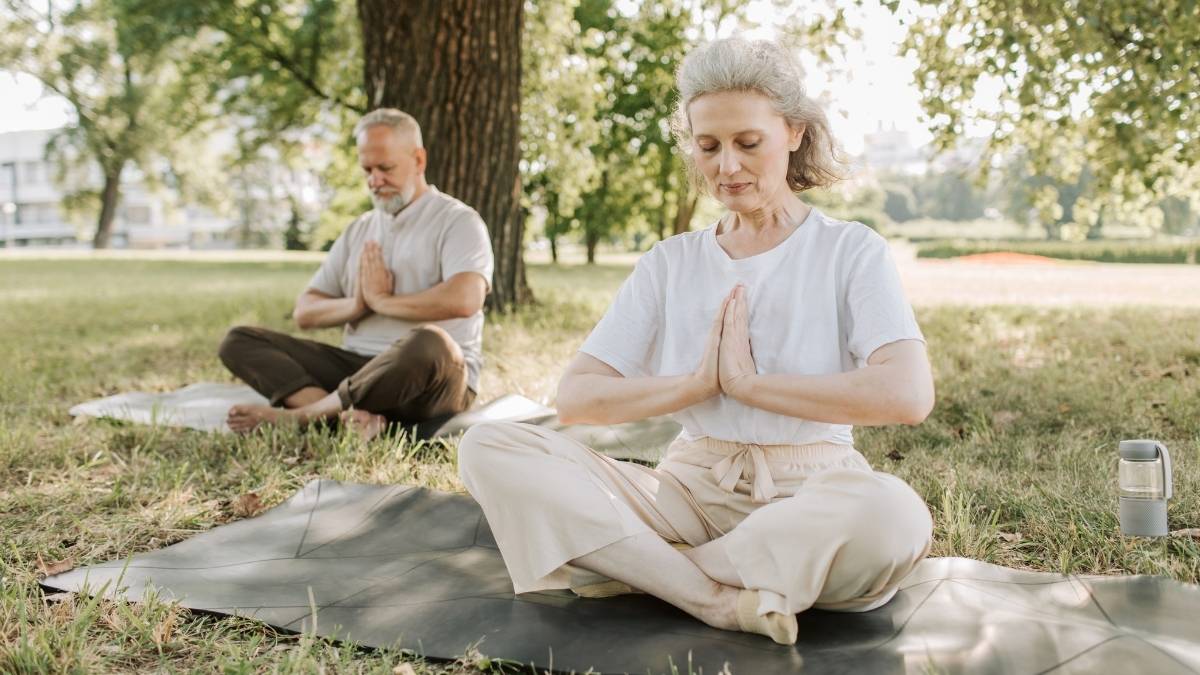
Start with five minutes of meditation daily. Learn the 4-7-8 breathing technique (breathe in for 4 counts, hold for 7, breathe out for 8). Do yoga or tai chi 2-3 times weekly. Spend time outside in nature. Connect with friends and family regularly. Get professional help if you need it. Fix your sleep habits to regulate cortisol naturally.
How do you know it’s working? You’ll sleep better. You’ll have more energy. Your mood will improve. These are real signs your cortisol is dropping.
Strategy 3: Prioritize Sleep Quality
Sleep protects your DNA. Adults who get more than 7 hours of sleep have telomeres as long as people much younger. Getting at least 7 hours may protect telomeres from damage or restore them every night. This is biological age reversal happening while you sleep.
Target 7-9 hours every night. Consistency beats occasional long sleep-ins. Keep your bedroom dark and cool (65-68°F). Turn off screens one hour before bed.

Wake up at the same time every day, even weekends. Stop caffeine after 2 PM. Create an evening wind-down routine you follow religiously.
If you snore loudly or wake up gasping, get checked for sleep apnea. Sleep disorders destroy the quality of your rest. Track your sleep with a diary or wearable device. Watch for patterns. Fix what’s broken.
Strategy 4: Adopt an Anti-Inflammatory Mediterranean Diet
This diet keeps you alive longer. People who eat Mediterranean-style have a 15% lower death rate and 25% reduction in dying from any cause. The Mediterranean diet crushes inflammation better than anything else, dramatically reducing inflammatory markers in your blood.
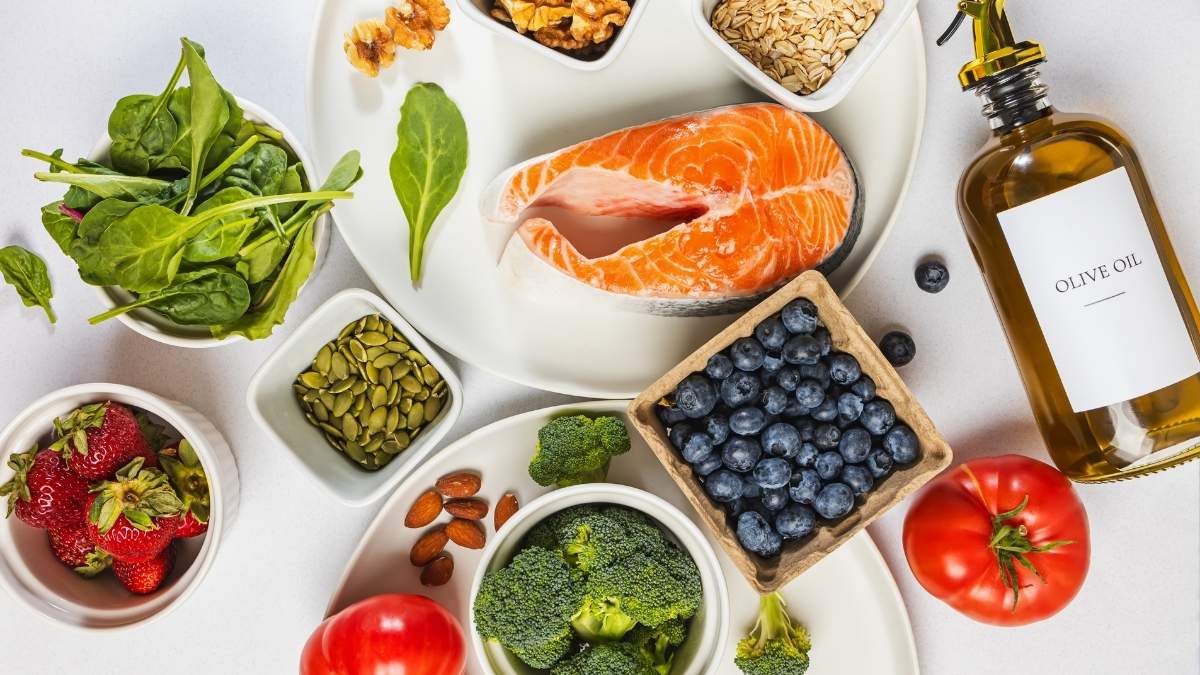
Eat vegetables 5-7 times daily. Eat fruit 3-4 times daily. Choose whole grains like brown rice, quinoa, and oats. Eat beans and lentils three times per week. Use olive oil as your main fat source. Get omega-3 fatty acids from oily fish, nuts, seeds, and avocados. Eat a handful of nuts daily.

For protein, eat fish 2-3 times weekly (salmon, sardines, mackerel). Eat moderate amounts of chicken. Have 4-7 eggs per week. Eat red meat monthly, not weekly. Cut out sugar and refined carbs because they speed up aging. Avoid processed foods, trans fats, and too much alcohol.
Simple swaps work. Replace white bread with whole grain. Use olive oil instead of butter. Eat fish or beans instead of red meat. Snack on fresh fruit with nuts instead of sugary treats. These small changes add up to massive anti-aging effects.
Strategy 5: Stay Hydrated and Support Cellular Function
Your cells need water to work. Dehydration makes aging signs show up faster. Every process in your body requires water. Drink half your body weight in ounces daily. Weigh 150 pounds? Drink 75 ounces of water.

Count herbal teas and water-rich foods like cucumbers, watermelon, and soup. Limit alcohol and excessive caffeine because they dehydrate you. Your skin, joints, and brain all work better when you’re hydrated. This is the easiest anti-aging strategy on this list.
Strategy 6: Protect Your Skin and Reduce Environmental Exposure
UV exposure causes 90% of visible aging signs on your skin. Apply broad-spectrum SPF 30+ sunscreen daily to all exposed skin, even on cloudy days. Wear protective clothing. Seek shade between 10 AM and 4 PM.
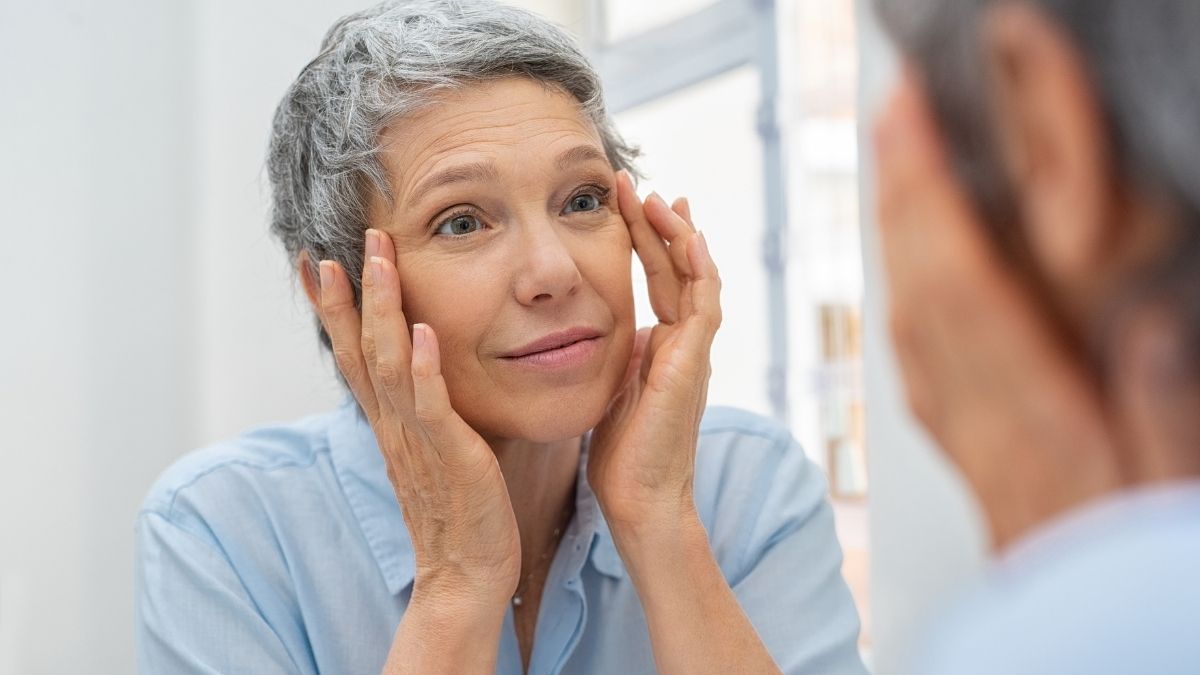
Eat plenty of fresh fruits and vegetables. They help prevent damage that leads to premature skin aging from the inside out. Antioxidant-rich foods protect your skin cells. Never smoke and avoid secondhand smoke. Minimize pollution exposure when you can.
Creating Your Personalized Anti-Aging Action Plan
Don’t try everything at once. You’ll burn out fast. Pick one or two strategies from this guide and master them first. Track your progress with simple measurements: how much weight you lift, your energy at 3 PM, how well you slept. Write it down.
Set real goals. In 30 days, you’ll sleep better. In 90 days, you’ll feel stronger. In 6 months, you’ll see real biological changes in your body. Be patient. Your cells need time to rebuild. Rushing won’t help.
Here’s your 30-day starter plan. Week 1-2: Fix your sleep schedule and walk daily. Week 3-4: Start resistance training twice per week and improve one meal each day. Throughout all 30 days: Practice stress management for 10 minutes daily.
These strategies work better together. Good sleep helps your workouts. Better workouts reduce stress. Less stress improves your diet. They build on each other.
Talk to your doctor before starting if you have health conditions, take medications, or haven’t exercised in years. If you feel worse instead of better after 6-8 weeks, something’s wrong. Get checked out. Your anti-aging plan should make you feel better, not worse.
Final Thoughts:
You now know the truth. Your biological age is different from the number of candles on your birthday cake. And you can change it. Seven signs show when you’re aging too fast. Five hidden culprits speed up the damage. But six natural strategies reverse the process.
The science is clear. Build muscle through resistance training. Manage your stress and cortisol. Sleep 7-9 hours every night. Eat a Mediterranean diet. Stay hydrated. Protect your skin from sun damage. Small, consistent changes compound over time into massive results.

Start today by choosing just one strategy that resonates with you. Add a 15-minute strength routine. Fix your sleep schedule. Swap one processed meal for a Mediterranean-style dish. Every small step moves your biological age in the right direction. Your body has remarkable capacity to heal and rebuild—you just need to give it the right conditions.
Remember: feeling older than your age isn’t inevitable. By learning the science behind biological aging and taking action with these evidence-based strategies, you can help your body match the vitality you want to feel at any age. Your cells are listening. Give them what they need.