

If your kitchen runs on packaged snacks, soft drinks, and deli meat, a new study has news you really need to hear.
Ultra processed foods supply nearly 60% of the calories the average American adult eats. Men who ate higher amounts of them had a prostate cancer risk about 30% higher than men who ate the least.
That matters because more than 333,000 American men will be diagnosed with prostate cancer this year, according to the American Cancer Society.
Here is the twist: the headline number is only half the story, and one detail in the data changes how you should read it.
Florida Atlantic University researchers found the pattern in 17,024 U.S. men, and the work was published in The American Journal of Medicine. Below, you will see exactly what the numbers really mean, what the study cannot prove, and which easy grocery swaps are worth making this week.
What 17,024 Men Revealed About Ultra Processed Foods and Prostate Cancer Risk
The data came from the National Health and Nutrition Examination Survey, a major U.S. health survey that ran from 2003 through 2023. The men were age 18 and older.
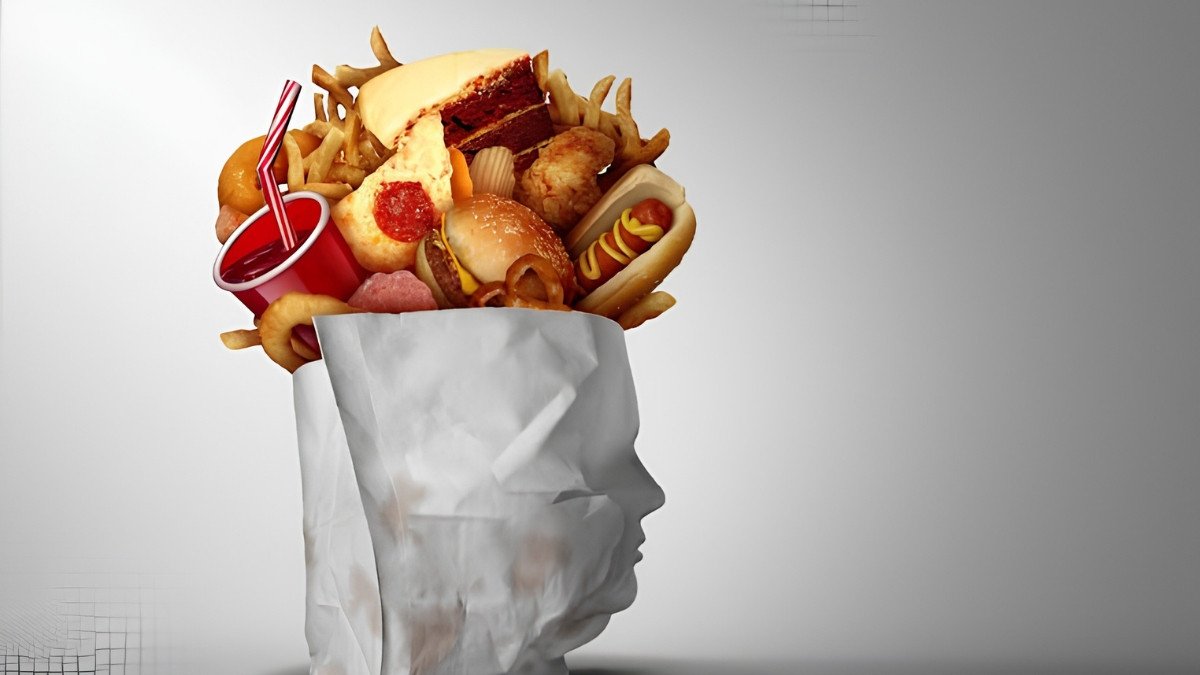
Each man described what he ate during two separate days. Researchers then used a widely trusted food rating system called NOVA to estimate how many daily calories came from ultra processed foods.
Men were sorted into four groups. The lowest group got less than about 20% of calories from these foods, while the highest group got more than 44%.
Then the team compared those groups with prostate cancer that the men later reported having. Here is how each group stacked up against the lowest intake group:
Ultra-Processed Food Risk & Significance Analysis
Statistical evaluation of mortality risk across dietary intake tiers and multivariate covariate adjustments.
📈 29% higher risk found
📈 30% higher risk found
📈 24% to 31% higher risk (Age, race, smoking, poverty)
📈 34% higher risk found
The 34% figure for the top group did not reach statistical significance. The researchers suggested that may reflect the smaller number of cancer cases in that group.
Senior author Charles Hennekens said the results add to a growing body of evidence that these foods carry major health costs. He also called for larger studies and randomized trials to test the idea properly.
Why a 30% Higher Risk Is Not a 30% Chance
A 30% higher risk is a relative number. It compares one group of men with another.
It does not mean that 30 out of 100 men will get prostate cancer.
Here is a made up example to show the math. If 10 out of 100 men in the lowest intake group developed the disease,

a 30% higher risk would mean about 13 out of 100 in the comparison group.
Your own risk still depends heavily on age, family history, and ethnicity. About 6 in 10 prostate cancers are found in men older than 65.
What Counts as an Ultra Processed Food?
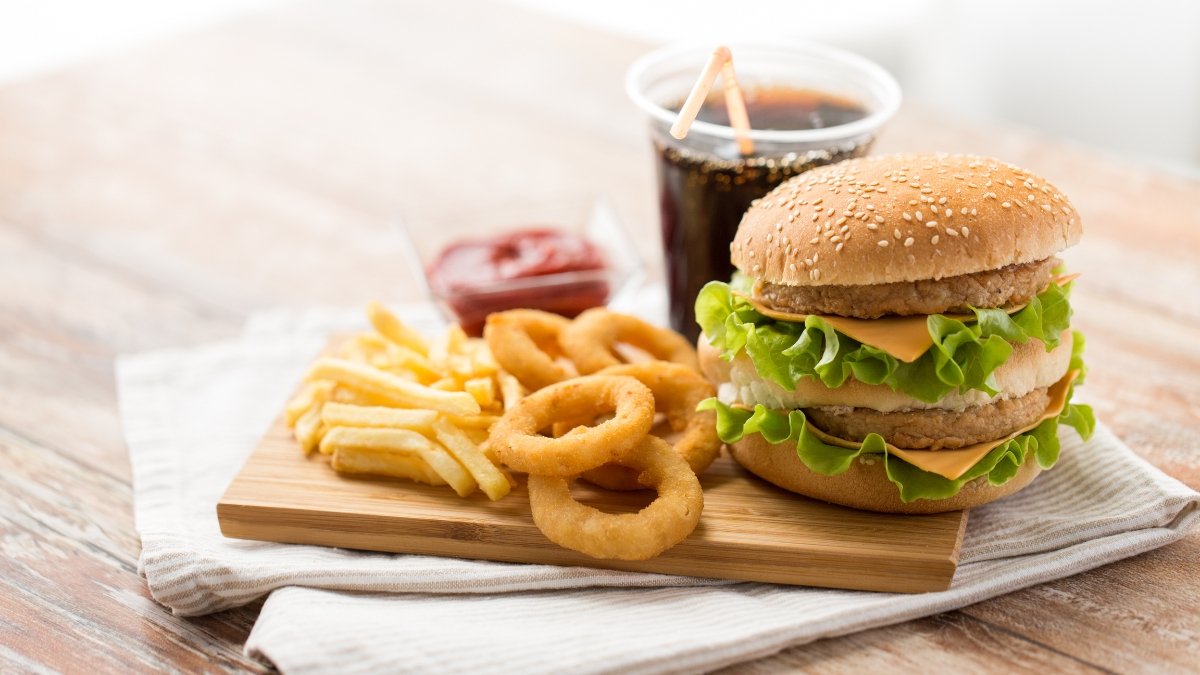
Ultra processed foods are factory made products built from refined ingredients and additives you would rarely stock at home. Think emulsifiers, modified starches, flavor enhancers, and artificial colors.
The study authors named soft drinks, packaged cereals and snacks, and processed meats as typical examples. Instant noodles, chips, ice cream, and ready made meals belong on the list too.
A fast test works well in the grocery aisle. If the ingredient list is long and full of names you do not recognize, you are probably holding one.
Not every packaged food is the problem. Canned vegetables, plain cheese, and simple bread fall into a gentler category called processed foods.
NOVA is also a broad system. One 2024 study suggested that ultra processed products made with whole grains were not linked to the same level of harm.
How Ultra Processed Foods Might Raise Prostate Cancer Risk
This study did not test why the link might exist. Researchers who study these foods point to several possible pathways:
- Metabolic disruption: Many ultra processed foods digest quickly, which can push blood sugar and insulin up.
- Inflammation and oxidative stress: Diets heavy in these foods are linked to higher markers of inflammation.
- Gut changes: Low fiber and certain additives may shift the balance of gut bacteria.
- Extra calories: A feeding trial published in Cell Metabolism found people ate roughly 500 more calories a day on an ultra processed diet.
These foods also tend to crowd out vegetables, fruit, and fiber. That leaves less room on the plate for the foods most nutrition experts want you eating.
Is Prostate Cancer the Only Cancer on the Radar?
Not even close. Colorectal cancer has the strongest evidence so far.
A BMJ study followed three large groups of U.S. adults for 24 to 28 years and documented 3,216 colorectal cancer cases. High intake of ultra processed foods in men was linked to a higher risk, while no link showed up for women overall.
A separate review of digestive cancers called the colorectal connection the most consistent one,
with roughly 10% to 30% higher risk at the highest intakes. A 2018 BMJ study had also tied a 10% rise in the share of ultra processed food in the diet to a higher risk of cancer overall.
Prostate cancer is a newer addition to that conversation. The evidence there is thinner, which is why this study drew so much attention.
The Catch: What This Study Cannot Prove
Most headlines skip this part, and it matters.
- It shows a link, not a cause. Observational studies spot patterns. They cannot prove that one thing caused another.
- Diet was a snapshot. Two days of food recall may not reflect what a man ate over decades.
- Cancer was self reported. The men described their own diagnoses, and self reported data can contain mistakes.
- The group was broad. The men were 18 and older, so the results are not specific to men over 50.
- Earlier evidence disagrees. A previous review that pooled six studies found no significant link. Its pooled risk ratio for cohort studies was 1.02, which is almost no difference.
None of this cancels out the new finding. It means the question is still open, and larger, longer studies are needed.
Why These Foods Are So Hard to Put Down
Ultra processed foods are engineered for flavor, texture, and long shelf life. Those same features make them easy to overeat.
They are also cheap, heavily marketed, and easy to find almost anywhere.
That is why they fill such a large share of the American plate.
Knowing this takes some guilt out of the equation. The environment pushes you toward these foods, so a simple plan beats willpower.
Smart Swaps That Cut Ultra Processed Foods Without Wrecking Your Budget
Study coauthor Timothy De Ver Dye pointed out that cost and access make healthy eating hard for many people. So aim for progress, not perfection.
Start with the swaps below:
Ultra-Processed Food Swaps & Rationale
Upgrade your daily nutrition by replacing heavily processed packaged foods with nutrient-dense whole foods.
🥣 Plain oats with fresh fruit
🥛 Plain yogurt with a handful of nuts
💧 Sparkling water with lemon, or plain tea
🥜 Unsalted nuts or a piece of fruit
🍳 Home-cooked chicken or eggs
Everyone’s body responds differently, so check with your doctor before making big diet changes if you have an existing condition or take medication.
Try This Today
- Pick up one packaged food and read the ingredient list. If it is long and full of unfamiliar names, put it back.
- Swap one soft drink for sparkling water or plain tea.
- Build tonight’s plate around a protein, a vegetable, and a whole grain such as oats or brown rice.
- Replace one packaged breakfast item this week with a simpler option from the table above.
Do You Have to Give Up Every Processed Food?
No. The concern in this research is ultra processed food, not every item that comes in a can or a bag.
Frozen vegetables, canned beans, plain cheese, and simple bread are not the target. Let whole and minimally processed foods fill most of your plate, and treat packaged extras as occasional.
Prostate Health Beyond the Grocery Cart
Diet is only one piece of the picture. Early prostate cancer often causes no symptoms at all, which is why screening matters.
The American Cancer Society recommends that men at average risk talk with their doctor about screening at age 50.

Men at higher risk, including African American men and men whose father or brother was diagnosed before age 65, should have that talk at 45.
Red Flags: Call Your Doctor If You Notice
- A weak or interrupted urine stream, or trouble getting it started
- Frequent urination, especially at night
- Blood in your urine or semen
- Ongoing back, hip, or pelvic pain
These symptoms are far more often caused by benign problems such as an enlarged prostate. They still deserve a checkup.
The Bottom Line for Your Next Grocery Trip
One new study links heavy ultra processed food intake to a higher prostate cancer risk. Earlier research that pooled several studies did not find the same link, so the science is still settling.
What is not in dispute is that these foods crowd out the vegetables, fruit, and fiber your body needs. Cutting back is low risk and easy to start.
Pick one swap this week, read one ingredient list, and ask your doctor whether it is time to talk about prostate screening.