The Monthly Longevity Check-In: 15 Minutes That Could Save Your Life (Health Warning Inside)

Most people wait until something hurts before they think about their health. By then, diseases have been growing quietly for years. In 2025, over 1.8 million people died from health problems that could have been caught early.
Here’s the good news. You can spot warning signs before symptoms appear. It takes just 15 minutes each month. No doctor visits. No expensive tests. Just you, a notebook, and five simple checks.
Research from WHO Europe shows that 40% of premature deaths could be prevented with early detection and basic care. Cleveland Clinic found one 10-second test that predicts mortality risk with 84% accuracy.
This guide shows you exactly what to check, how to track it, and when to worry. Your monthly routine starts today.
Monthly Longevity Check-In
Why Monthly Check-Ins Matter (Not Just Annual Physicals)

Your annual checkup catches problems once a year. But your body changes every day. Monthly tracking spots trends that yearly visits miss completely.
Research from Life Extension in September 2025 proves longevity tests can measure your biological age versus your actual age. Two 45-year-olds can have bodies that age at very different speeds. Monthly checks reveal which direction you’re heading.
Preventive healthcare services reduce premature deaths by about 40%, according to Media.Market.US data from January 2025. Healthcare systems save $2 to $10 for every dollar spent on prevention. Noncommunicable diseases like heart problems, cancer, and diabetes cause 71% of all global deaths. Most develop slowly over years.
You have time to catch them. But only if you’re looking. Annual physicals are like checking your car once a year. Monthly check-ins are like watching your dashboard while you drive. Digital biomarkers and continuous monitoring are transforming preventive care in 2025, making early disease detection easier than ever.
The 5 Essential Monthly Health Self-Assessments (15 Minutes Total)

Research from mindbodygreen in January 2026, Life Extension in September 2025, and Cleveland Clinic in December 2025 identified five tests you can do at home. No equipment needed. No medical training required. These tests predict your longevity potential better than many expensive lab tests.
Each assessment takes 1-2 minutes. The whole routine fits into a 15-minute window once a month. You’ll check balance, heart rate, waist size, grip strength, and body symptoms. Together, these reveal how your body is aging and what’s changing.
1. The 10-Second Balance Test (2 minutes)
Stand on one foot for 10 seconds. Sounds simple. But it predicts your mortality risk with shocking accuracy. The British Journal of Sports Medicine studied thousands of people. Those who couldn’t hold the position for 10 seconds had an 84% higher risk of dying over the next decade.

How to do it: Take off your shoes. Stand with hands on hips. Lift one leg to 90 degrees. Hold for 10 seconds without hopping or putting your foot down. Test both legs. This checks your neurological health, coordination, and how well your whole body works together.
What to write down: Record the time for each leg. Can you hit 10 seconds easily? Do you wobble? Does one leg feel stronger?
When to call your doctor: You can’t hold either leg for 10 seconds. You’re getting worse each month instead of better. Cleveland Clinic geriatric specialist Anne Vanderbilt confirms this as a key health self-assessment in 2025.
2. Resting Heart Rate Check (1 minute)
Your resting heart rate tells you how hard your heart works when you’re doing nothing. Lower is usually better. A climbing heart rate signals problems before you feel sick. Take this measurement first thing in the morning before you get out of bed.
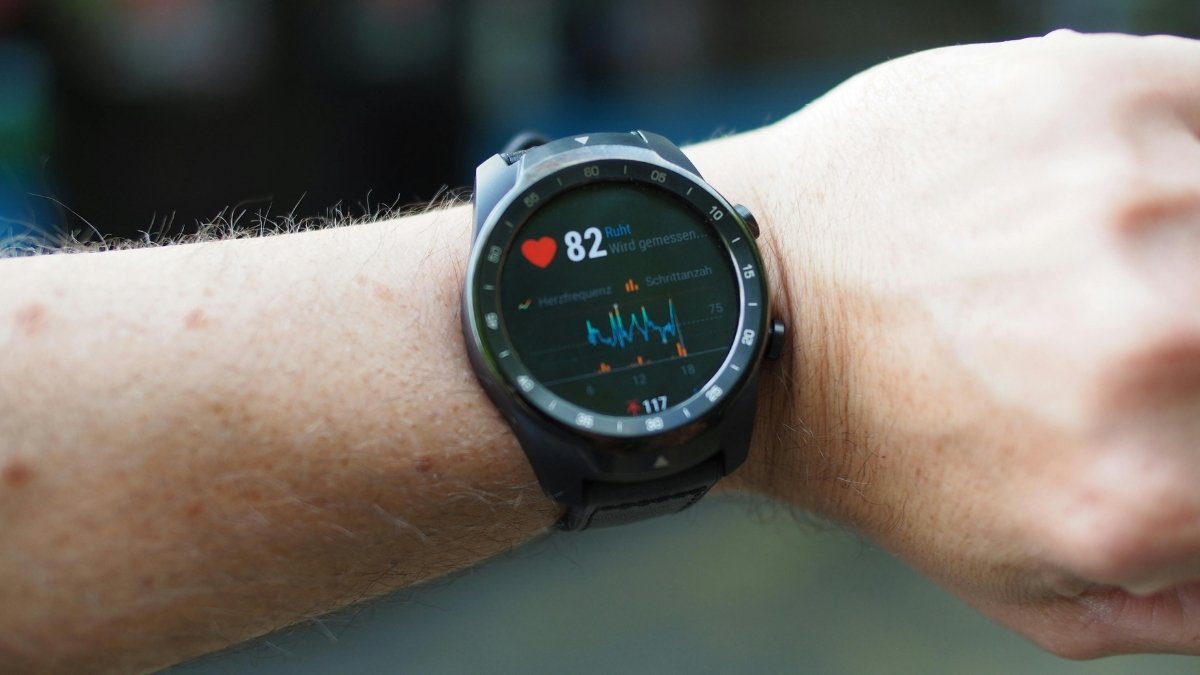
How to do it: Use two fingers on your wrist or wear a device. Count beats for 60 seconds. Normal range is 60-100 beats per minute. Athletes often fall between 40-60.
What to write down: Your morning heart rate number. Track it monthly to spot trends.
When to call your doctor: Your heart rate jumps 10 or more beats per minute and stays high. Your resting rate consistently sits above 90 beats per minute. The Lancet Healthy Longevity confirmed in June 2025 that resting heart rate is a key aging biomarker. Your heart rate changes with stress, illness, overtraining, and cardiovascular health issues.
3. Waist Circumference Measurement (1 minute)
Forget BMI. Your waist measurement matters more for predicting longevity. Life Extension identified this in September 2025 as more accurate than body mass index for assessing health risks. Belly fat wraps around your organs. This visceral fat increases your risk of cardiovascular disease dramatically.

How to do it: Stand up straight. Find the spot midway between your lowest rib and hip bone, usually right at belly button level. Wrap a measuring tape around your waist. Keep your abdomen relaxed. Don’t suck in.
What to write down: Your measurement in inches. Watch for trends over three to six months.
When to call your doctor: Men measure 40+ inches. Women measure 35+ inches. Your waist grows steadily over three months even though your weight stays the same. Cohort studies show a direct link between higher waist measurements and increased all-cause mortality.
4. Grip Strength Test (2 minutes)
How hard you can squeeze predicts how long you’ll live. Fountain Life 2025 research confirms grip strength as a surrogate marker for overall muscular strength and vitality. Declining grip strength predicts increasing frailty and reduced life expectancy. It’s linked to cardiovascular disease, mobility problems, and cognitive function.
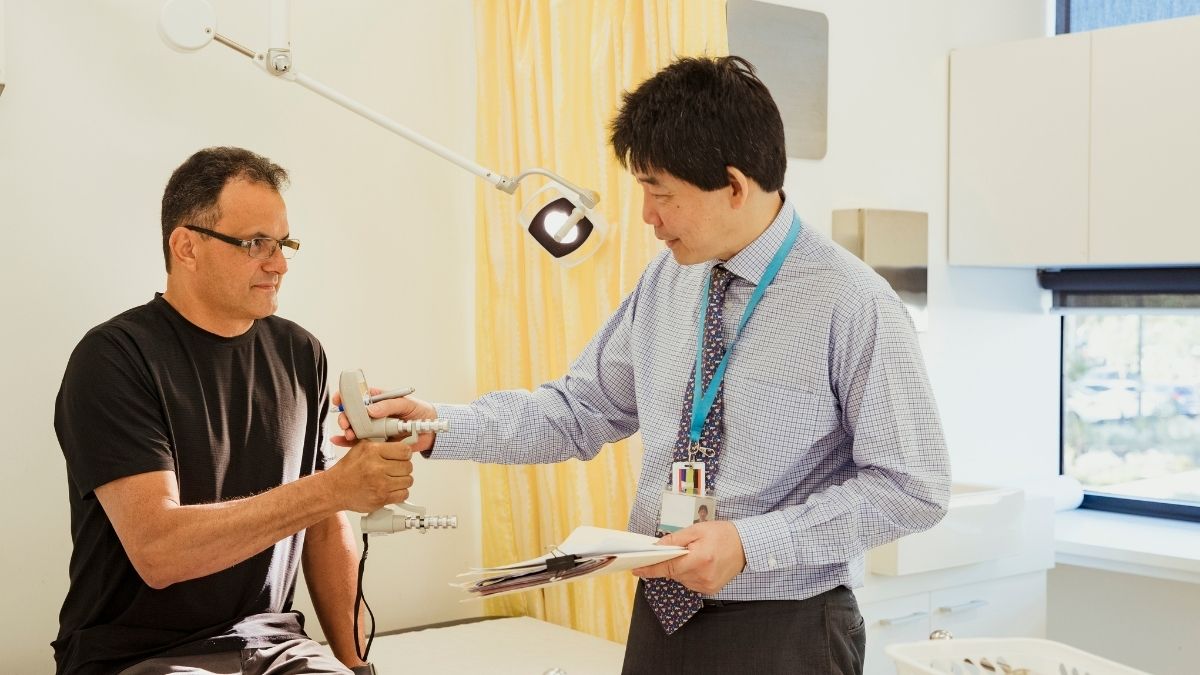
How to do it: Squeeze a hand gripper with maximum force. No equipment? Squeeze your fingers into the tightest fist possible and rate how strong it feels.
What to write down: Monthly strength rating on a 1-10 scale. Or use actual measurements if you have a hand dynamometer.
When to call your doctor: You notice decline over 2-3 months. You struggle opening jars or carrying grocery bags. The American Heart Association recognizes lower extremity strength as a key mortality predictor, and grip strength reflects your total body functional fitness level.
5. Symptom Scanning Body Check (9 minutes)
Your body sends signals when something changes. Most people ignore them until pain forces attention. This systematic scan catches changes before they become serious. Self-reported wellbeing scores correlate with clinical outcomes, according to Centenary Day research from August 2025.
How to do it: Spend 1 minute each on these areas. Skin changes. Breast or testicular self-exam. Mole check. Energy levels. Sleep quality. Digestion patterns. Mood changes. Chronic pain. Vision changes.
What to write down: Note anything unusual or different from last month. Rate your overall wellbeing 1-10.
When to call your doctor: New lumps anywhere. Moles changing shape, size, or color. Persistent pain that doesn’t go away. Dramatic shifts in energy or mood. Based on wellness checklist research from The Joint in December 2025, this monthly symptom tracking helps you catch problems early.
The Power of Tracking: Why Writing It Down Matters
Your memory lies to you. You forget how you felt last month. You miss gradual changes. Writing down your monthly checks reveals patterns you’d otherwise miss. Research shows self-reported tracking leads to better health outcomes.

Noom’s 2025 biomarker program demonstrates the value of regular monitoring. Trends reveal what single snapshots hide. A one-time high blood pressure reading might be stress. Three months of climbing numbers means something’s wrong. Tracking creates accountability and awareness. You can’t ignore what’s written in front of you.
Tools to use: Simple notebook or journal works fine. Health apps like Apple Health, Oura, or WHOOP track automatically. Spreadsheet templates let you graph trends. HealthMatters.io tracks lab results according to August 2025 research. Pick one method and stick with it. Consistency beats fancy digital health tools you’ll abandon next month.
Beyond the Basics: When to Add Professional Assessments
Monthly self-checks complement professional care. They don’t replace it. Life Extension recommends healthy people under 45 screen every 1-3 years. People 50+ should screen annually or biannually. Ages 65+ need biannual screening or as your doctor recommends.

Professional tests catch what home checks miss. Blood panels reveal advanced biomarkers like HbA1c, ApoB, and Lp(a). Noom’s 2025 program tracks 17 different biomarkers. Coronary calcium scoring predicts heart attack risk years ahead. CT scans detect early cancer before symptoms appear. DEXA scans measure bone density. Comprehensive eye exams spot diabetes and high blood pressure.
Your monthly checks tell you when something’s changing. Professional preventive health screening and biomarker testing tell you exactly what’s wrong. Use both. They work together to keep you alive longer. Schedule your next professional screening now if it’s been over a year.
Red Flags: When Your Monthly Check-In Says “See a Doctor Now”
Some changes mean call your doctor immediately. Don’t wait for next month’s check. Balance test failure means you can’t hold 10 seconds on either leg. Resting heart rate increases 10+ beats per minute and stays high. New or changing moles appear. Unexplained weight loss or gain of 10+ pounds in one month.
Other warning signs include persistent fatigue despite adequate sleep. Chest pain or shortness of breath during normal activities. Changes in vision or cognition that seem sudden. Any new lump or mass anywhere on your body.

These aren’t subtle hints. They’re your body screaming for medical attention. Monthly tracking helps you distinguish between normal fluctuations and dangerous trends. Trust your monthly records. If three consecutive months show decline, something needs professional evaluation. Early detection saves lives. Acting on these warning signs could save yours.
Creating Your Personalized Monthly Routine
Pick a specific day each month. First Sunday works for many people. Last Friday of the month works too. What matters is consistency. Morning is best for accurate measurements. Your resting heart rate and weight are most reliable before breakfast.
Use the same conditions every time. Same scale. Same time of day. Fasted state if possible. Keep your journal in a visible spot as a reminder. Pair this routine with an existing habit. After morning coffee. Before bed on the last day of the month.

Sample schedule: First of the month, before breakfast. Take 15 minutes alone in a quiet room. Follow the 5 assessments in order. Record results immediately in your journal or app. Review trends every three months to spot patterns.
Set a phone reminder. Put it on your calendar. Make this routine as automatic as brushing your teeth. Your health routine depends on consistency.
The Technology Advantage: Wearables and Home Testing in 2025
Wearable devices changed health monitoring. Apple Watch, Oura Ring, and WHOOP provide 24/7 data tracking according to JMIR research from January 2025. They measure heart rate variability, sleep quality, blood oxygen, and activity levels continuously. You don’t have to remember monthly checks. The device does it automatically.
At-home blood tests arrived. Noom Biomarkers and Quest Diagnostics let you test blood without leaving home. Sweat-sensing patches detect biomarkers through your skin according to Science Daily in December 2025. Continuous glucose monitors show real-time blood sugar responses.
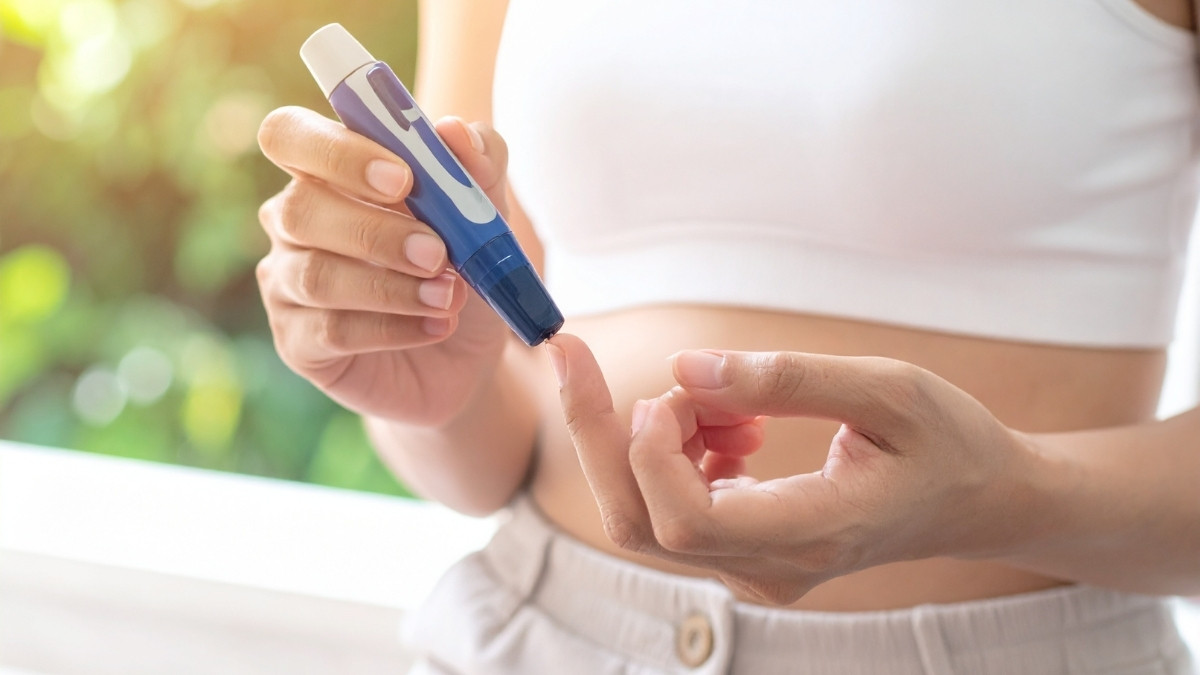
AI-powered analysis makes this data actionable. Raw numbers mean nothing. Algorithms spot patterns and alert you to problems. Available tools include heart rate variability tracking, sleep quality metrics, and blood oxygen monitoring. At-home biomarker kits test hormones, vitamins, and inflammation markers. This wearable health tech and home testing makes preventive monitoring easier than ever before.
Final Thoughts:
Your monthly 15-minute longevity check-in costs nothing but could save your life. The five assessments—balance, heart rate, waist measurement, grip strength, and symptom scanning—detect changes years before symptoms appear. With preventive healthcare reducing premature deaths by 40% and early detection improving cancer survival by 80%, this simple routine is one of the highest-value health investments you can make.

Start today. Block 15 minutes on your calendar for the first of next month. Grab a notebook. Perform your first baseline assessment. Track your results. Watch for trends. Act on warning signs. Your future self will thank you for these monthly longevity check-ins and preventive health monitoring habits you build today.