The Aging Timeline Nobody Talks About Until It’s Already Too Late (Know It Now)
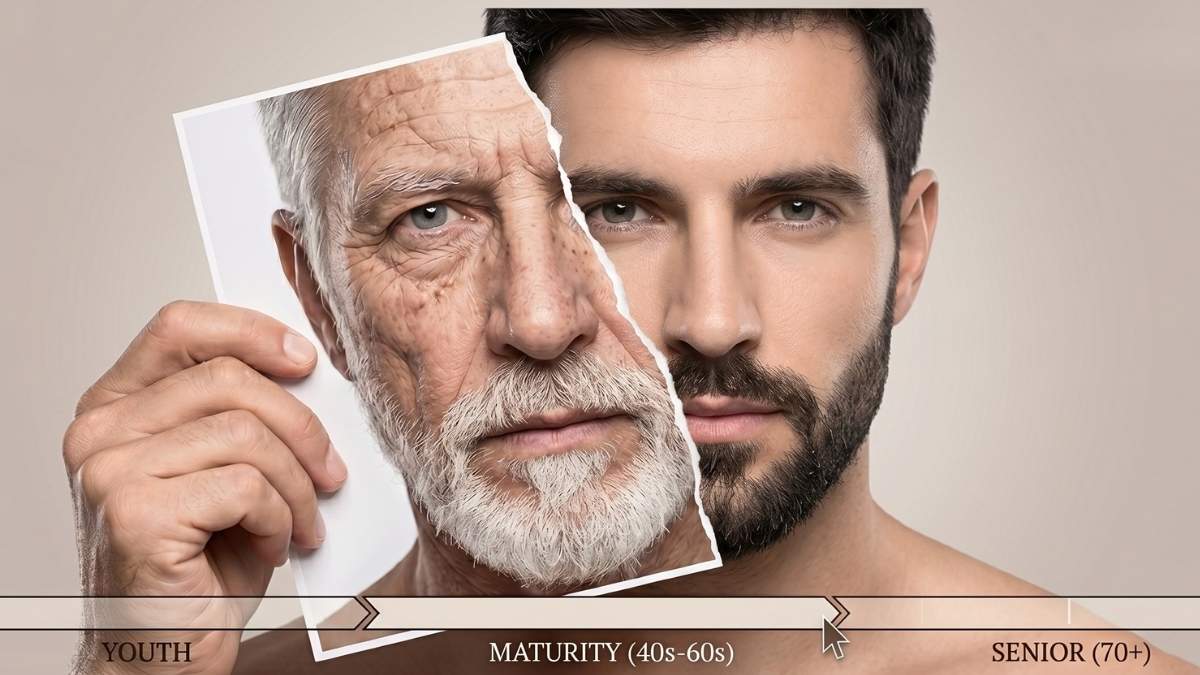
Your body started aging the moment you turned 30. Most people find out too late.
You feel it before you name it. The weight that won’t move. The sleep that doesn’t fix anything. The energy that disappears by 3pm. These are not random. They follow a real, science-confirmed schedule.
The problem is nobody shows you that schedule in advance. Your doctor reacts to problems. Nobody prepares you for what is coming.
This article fixes that. You will learn exactly when each major shift happens in your body. You will see what the research actually says. And you will get a clear, decade-by-decade plan that works in 2026.
The aging timeline is real. Now you get to know it before it catches you off guard.
Point One: Why Nobody Warns You About the Real Aging Timeline
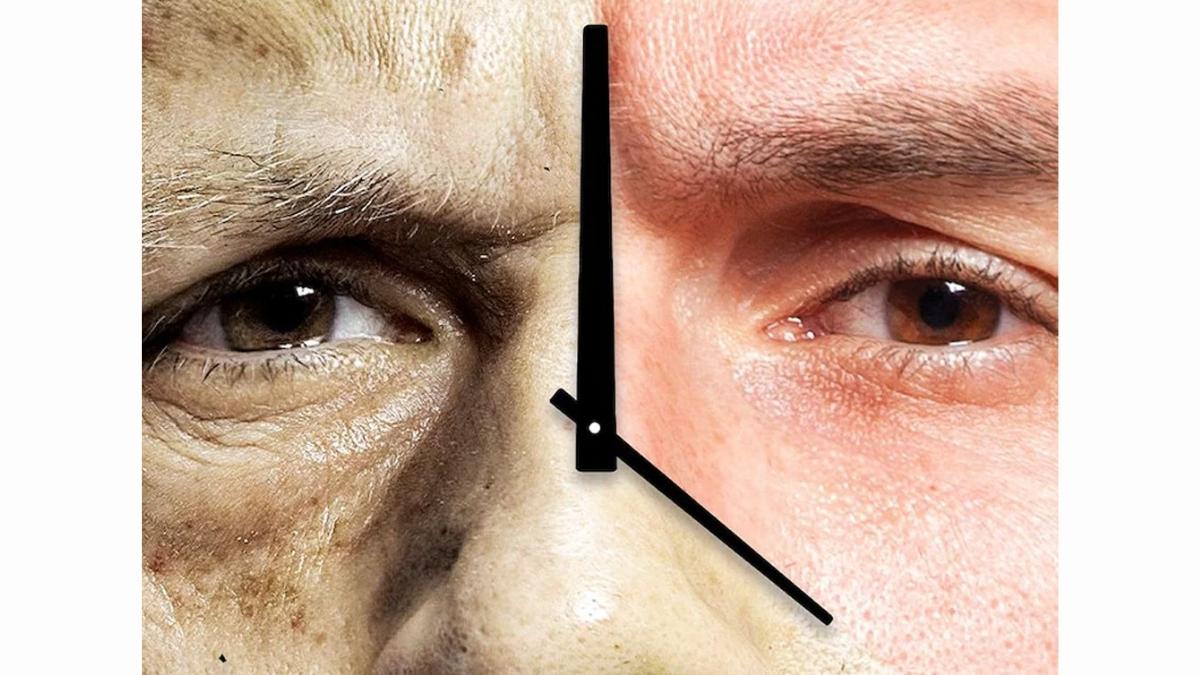
Most people think aging is something that happens in your 60s or 70s. That idea is wrong. And that wrong idea is costing people years of good health.
The truth is your body starts changing on a cellular level long before you see it in the mirror. The healthcare system does not help here. Doctors treat problems after they show up. They rarely sit down and say, “Here is what is coming and here is what to do about it.”
There is also the gap problem. Your biology starts shifting in your 30s. But most people don’t pay attention until their late 40s or early 50s. That gap — sometimes 15 to 20 years — is where the damage builds quietly.
Research published in Nature found that people with biologically younger brains and immune systems had a 56% lower mortality risk over 15 years. Your biological age matters far more than your birth year.
Two people born in the same year can have bodies that function a decade apart. The difference is awareness and action.
3 Tips to Act On Right Now:
- Ask your doctor for a biological age marker panel — not just your standard checkup numbers
- Stop assuming symptoms are just “getting older” — most early aging signs are reversible
- Learn your biological age now so you have a real baseline to measure progress against
Point Two: What Is Actually Happening Inside Your Body
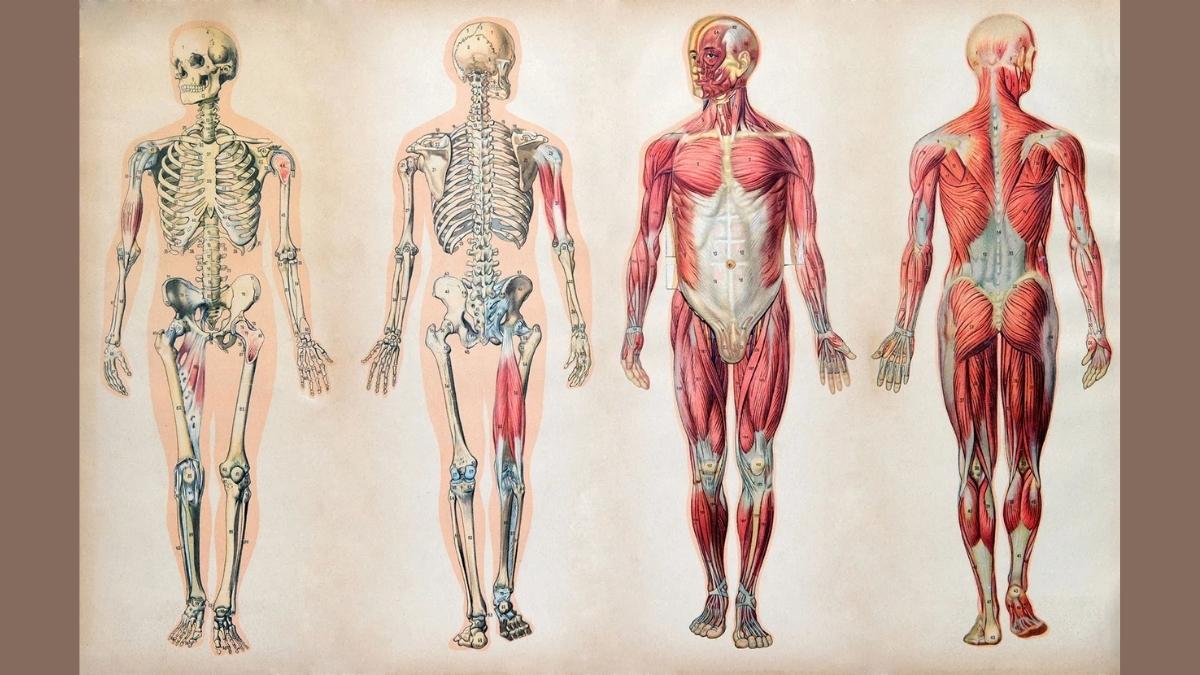
Aging is not random. It follows specific biological steps. And you can actually do something about most of them.
Here is the short version of what happens inside your cells. Your mitochondria — the tiny power stations inside each cell — start producing less energy. That is why you feel tired for no clear reason. Your body also produces more inflammation over time. Not the kind you feel from an injury, but a slow, silent kind called inflammaging. It damages tissue quietly over years.
Your hormones drop. Testosterone, estrogen, DHEA, and growth hormone all decline gradually. This affects your muscle, mood, energy, and how fast you recover.
And your telomeres shorten. Think of telomeres like the plastic tips on shoelaces. When they wear down, everything starts to fray. A 2025 study in The American Journal of Clinical Nutrition found that daily vitamin D3 supplements can reduce biological wear equivalent to nearly three years of aging by slowing telomere loss.
These changes are real. But they are also manageable.
3 Tips to Act On Right Now:
- Get your CRP (inflammation marker) tested — it tells you how much silent inflammation is in your body right now
- Ask your doctor to check your vitamin D level and correct any deficiency immediately
- Prioritize sleep every night — this is when your body repairs cellular damage
Point Three: The Decade-by-Decade Aging Timeline From Age 25 to 65
Here is the actual schedule. Most people have never seen it laid out this clearly.
The Chronology
of Aging
3 Tips to Act On Right Now:
- Write down your current decade and identify which changes have already started for you
- Book a full health screening if you are in your 40s or 50s — this is your most critical window
- Share this timeline with someone in their 30s — the earlier they know, the more they can do
Point Four: The Two Aging Bursts Nobody Talks About — Age 44 and Age 60
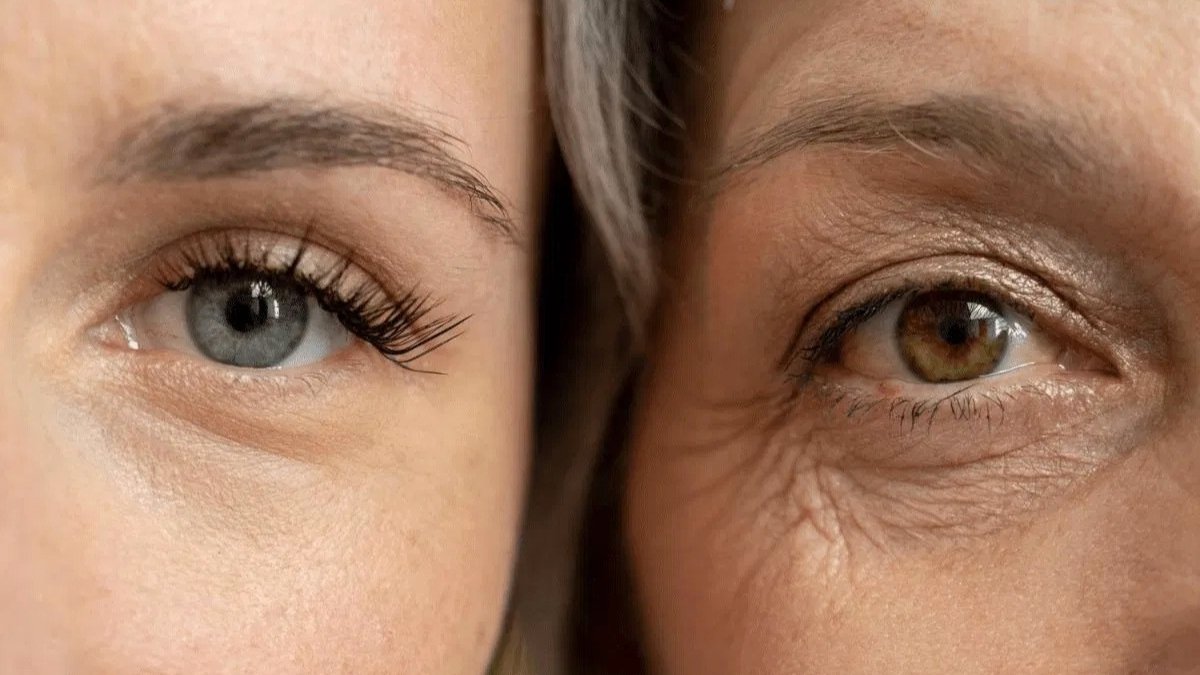
Most people think aging is a slow, steady slide. It is not. It happens in two sharp bursts.
Stanford researchers confirmed this. Their study, published in Nature Aging in 2024, found two specific windows when your body changes dramatically at a molecular level — around age 44 and again around age 60.
At 44, your body struggles to process alcohol, caffeine, and fats the way it used to. Cardiovascular markers shift. Skin and muscle molecules drop. Scientific American confirmed that many people’s reports of worse hangovers and more muscle injuries in their mid-40s are backed by real molecular data.
At 60, the changes shift focus. Immune regulation weakens. Kidney function changes. Cardiovascular risk spikes. Carbohydrate metabolism slows down.
Dr. Michael Snyder, the lead Stanford researcher, gave clear advice. In your 40s, watch your cholesterol and cut alcohol. In your 60s, drink more water, eat antioxidant-rich food, and support your immune system. A 2025 Cell study also found an organ-level aging inflection point near age 50, with blood vessels aging especially fast.
3 Tips to Act On Right Now:
- Cut back on alcohol starting at 40 — your body is already processing it less efficiently
- Get a full cholesterol panel when you turn 40 and every year after
- In your 60s, add kidney function tests to your annual bloodwork without waiting for symptoms
Point Five: The Muscle and Bone Crisis Starting in Your 30s That Most People Miss
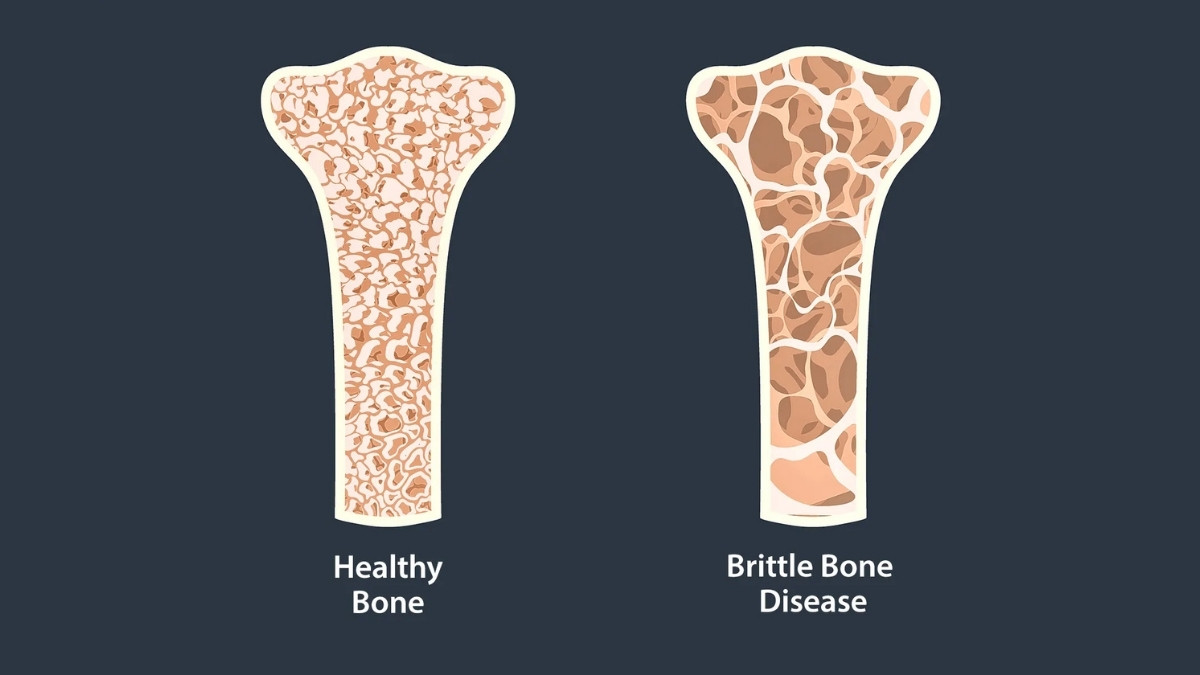
Most people think muscle loss is an old person’s problem. It starts at 30.
After age 30, you lose roughly 3–5% of your muscle mass every decade. If you are inactive, you lose more. By your 50s, the rate speeds up. By your 80s, studies show that between 11% and 50% of people have significant muscle loss — a condition called sarcopenia.
Sarcopenia is not just about looking less toned. It makes everyday life harder. Struggling to get out of a chair, feeling worn out on stairs, dropping things more often — these are real signs of muscle decline. They are measurable. And they are largely preventable.
Bone health follows the same pattern. By age 80, 70% of American women are osteoporotic at the hip, spine, or forearm. That decline starts silently decades earlier through inactivity and poor nutrition.
Here is the good news. Lifelong exercise has been shown to preserve muscle so well that active elderly men can have muscle health comparable to men four decades younger. You are not locked into a bad outcome.
3 Tips to Act On Right Now:
- Start resistance training this week — even two sessions per week makes a measurable difference
- Eat 0.7 to 1 gram of protein per pound of body weight daily to support muscle repair
- Get a DEXA scan to measure your actual muscle mass and bone density — not just your weight
Point Six: The Brain and Sleep Side of Aging — The Changes That Sneak Up on You
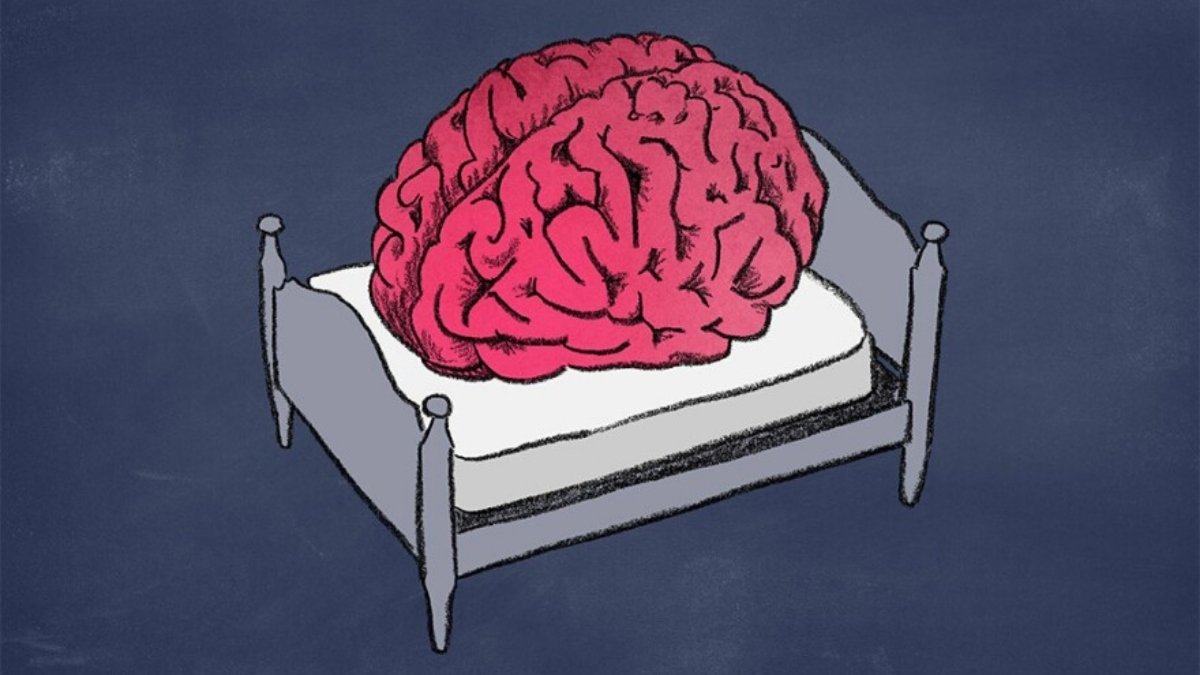
You might notice it as forgetting names faster. Or needing more time to think through something that used to feel automatic. These changes are real — and they start earlier than most people realize.
In your 30s, your brain shifts. Cell death begins outpacing new cell growth. Focus takes more effort. By your 50s and 60s, memory slips and slower recall become more common.
Sleep changes too. Deep sleep — the kind that repairs your body and releases growth hormone — gets shorter as you age. By your 60s, many people are running a serious sleep deficit without knowing it.
The stakes are high. Research in Nature found that people with biologically younger brains had about four times lower risk of Alzheimer’s disease regardless of their genetics. The 2025 Nobel Prize in Physiology or Medicine also highlighted immune tolerance discoveries that connect immune health directly to brain protection long-term.
Social connection matters more than most people accept. Cornell University research found that strong social ties slow biological aging by reducing the chronic inflammation that speeds it up.
3 Tips to Act On Right Now:
- Protect 7 to 9 hours of sleep per night — treat it as a non-negotiable health investment, not a luxury
- Stay socially active — loneliness measurably accelerates biological aging at the cellular level
- Learn something new each month — cognitive engagement is one of the few proven brain-aging brakes
Point Seven: What Science Says Actually Slows Aging — The Actionable 2026 List

You have the problem. Now here is what actually works.
A large UK Biobank study identified three lifestyle habits that consistently delayed aging and reduced all-cause mortality: an anti-inflammatory diet, at least moderate physical activity, and healthy sleep. Not supplements. Not expensive treatments. Habits.
Resistance training is the most powerful single tool you have. It fights muscle loss, supports bone density, improves metabolism, and reduces cardiovascular risk. And it works at any age.
Vitamin D3 now has strong 2025 clinical backing. A study in The American Journal of Clinical Nutrition found it can reduce biological aging equivalent to three years by slowing telomere shortening. Harvard researchers confirmed the same result.
The 2025 longevity research also made one thing very clear. Targeting multiple aging hallmarks at once — inflammation, metabolism, mitochondrial function, senescence — works better than any single approach.
Your Practical List
For Right Now
2–3 times per week
at every meal
vitamin D level
7–9 hours every night
and alcohol
to people
3 Tips to Act On Right Now:
- Pick two habits from the list above and start them this week — not after the weekend
- Get a vitamin D blood test before buying any supplement so you know your actual starting level
- Track one health marker monthly — weight, sleep hours, or grip strength — so progress is visible
Point Eight: Your Personal Anti-Aging Action Plan by Decade — Start Where You Are
You do not need to overhaul everything at once. You need to do the right things for your decade.
3 Tips to Act On Right Now:
- Write down your decade’s top three action steps and put them somewhere visible today
- Book a health screening this month — use this article as the reason to stop delaying it
- Tell someone your plan — accountability doubles follow-through
Final Words,

Your body follows a real aging timeline. Two major biological bursts hit at 44 and 60. Muscle, bone, brain, and metabolism all shift on a clear schedule. Now you know when they come. Pick one action from your decade’s plan and start this week. Not next month. This week.