These Are The Six Trainer-Approved Exercises Women In Their 50s Should Do Every Week

Your body is sending you signals you can’t ignore anymore. The jeans that fit last year now feel snug. Climbing stairs leaves you breathless. Your back aches after simple household tasks.
You notice your grandmother’s posture creeping into your own reflection. These aren’t just signs of getting older—they’re your body’s urgent plea for the right kind of movement.
But here’s what most women don’t realize: your 50s can actually become your strongest decade. Six specific exercises, when done consistently each week, can reverse muscle loss, strengthen bones, and boost energy levels dramatically.
Forget complicated gym routines or expensive equipment. These trainer-approved movements take just hours per week but deliver results that will make you feel decades younger. Ready to reclaim your vitality?
1. The Science Behind Why Women in Their 50s Need Specific Exercise Protocols
Women entering their 50s experience a dramatic physiological shift that fundamentally changes how their bodies respond to exercise and aging.
Declining estrogen levels during perimenopause and menopause trigger a cascade of changes including accelerated muscle mass loss (sarcopenia), decreased bone density, and altered metabolism The Best Workout Programs for Women Over 50 | U.S. News.
The body loses approximately 3-8% of muscle mass per decade after age 30, but this loss accelerates significantly during menopause.
Hormonal fluctuations also affect cardiovascular health, with women’s heart disease risk increasing substantially after menopause 6 Exercises Women over 50 Should Do Every Week, According to a Personal Trainer.
Additionally, the metabolic rate slows down by 2-3% per decade, making weight management more challenging.
Key Tips:
- Schedule regular hormone level checks with your healthcare provider to understand your individual transition timeline
- Track your body composition changes monthly rather than focusing solely on weight to monitor muscle preservation
- Adjust your exercise expectations and recovery needs as hormonal fluctuations can affect energy levels and performance
2. Strength Training: The Non-Negotiable Foundation for Muscle Preservation
Strength training becomes absolutely critical for women in their 50s as it directly combats the accelerated muscle loss that occurs during hormonal transitions.
Research shows that regular resistance training can help maintain and even build muscle mass, with some studies demonstrating gains of 2-4 pounds of lean muscle within 12 weeks of consistent training ‘I’m 92 and feel 50 – here’s the workout routine I swear by, and how to get started in your 60s’.

Weight-bearing exercises using free weights, resistance bands, or bodyweight movements should target all major muscle groups at least twice per week.
The key is progressive overload – gradually increasing weight, repetitions, or intensity to continually challenge muscles and stimulate growth.
Studies indicate that women who maintain regular strength training through their 50s preserve significantly more muscle mass and functional capacity compared to sedentary peers These are the six trainer-approved exercises women in their 50s should do every week | Fit&Well.
Key Training Tips:
- Start with bodyweight exercises if you’re new to strength training, then progress to weights as you build confidence and form
- Focus on compound movements that work multiple muscle groups simultaneously for maximum efficiency and functional benefit
- Aim for 2-3 strength training sessions per week with at least 48 hours recovery between sessions targeting the same muscle groups
3. Bone-Building Resistance Work: Your Defense Against Osteoporosis
Bone health becomes a critical concern for women in their 50s as estrogen decline dramatically accelerates bone loss, with some women losing up to 20% of their bone density in the five to seven years following menopause.
Weight-bearing and resistance exercises are among the most effective interventions for maintaining and building bone density, as they create the mechanical stress that stimulates bone formation The 10 Strength Training Moves Women Over 50 Need To Do.
Activities like weightlifting, resistance band exercises, and bodyweight movements force bones to work against gravity and resistance, triggering osteoblast activity that builds stronger, denser bones.
Research demonstrates that women who engage in regular resistance training can maintain or even increase bone density, while sedentary women continue to lose bone mass at an alarming rate Getting Fit at 50 | Best Exercises for Over 50s | PureGym.
The hip, spine, and wrist areas – most vulnerable to fractures – benefit significantly from targeted exercises like squats, lunges, push-ups, and overhead presses. Consistency is key, as bone remodeling is a slow process that requires sustained stimulus over months and years.
Bone-Building Exercise Tips:
- Include weight-bearing exercises that force you to work against gravity, such as walking, hiking, or stair climbing in addition to resistance training
- Focus on exercises that target fracture-prone areas: squats and lunges for hips, planks and back extensions for spine strength
- Combine resistance training with adequate calcium and vitamin D intake for optimal bone-building results
4. Cardiovascular Training: Heart Health in the Hormonal Transition
Cardiovascular health takes on heightened importance for women in their 50s as declining estrogen levels remove the natural cardioprotective benefits this hormone provides throughout reproductive years.
The risk of heart disease increases significantly after menopause, making it the leading cause of death for women over 50 Exercising When You’re Over 50: Best Practices and Routines.
Regular aerobic exercise helps maintain healthy blood pressure, improves cholesterol profiles, and supports efficient circulation during this metabolic transition period.
Moderate-intensity cardio activities like brisk walking, swimming, cycling, or dancing for 150 minutes per week can reduce heart disease risk by up to 35% Exercise Tips for Women Over 50.
The key is finding sustainable activities that elevate heart rate while being gentle on aging joints. Interval training, which alternates between higher and lower intensity periods, is particularly effective for improving cardiovascular fitness while boosting metabolism.
Women should aim for a mix of steady-state cardio and interval work to maximize heart health benefits while supporting weight management goals.
Cardiovascular Training Tips:
- Monitor your target heart rate zone (approximately 50-85% of maximum heart rate) to ensure you’re working at appropriate intensity levels
- Mix low-impact activities like swimming or elliptical training with weight-bearing cardio like hiking to protect joints while maximizing benefits
- Start with 10-15 minute sessions if you’re sedentary and gradually build up to the recommended 150 minutes per week to avoid burnout or injury
5. Core Stability and Balance Work: Fall Prevention and Posture Power
Core stability and balance training become increasingly vital for women in their 50s as hormonal changes affect proprioception and muscle coordination, significantly increasing fall risk.
Falls are the leading cause of injury-related death among women over 65, with many balance issues beginning to develop in the 50s. A strong core acts as the body’s natural stabilizer, supporting proper posture and reducing the chronic back pain that affects over 80% of women in this age group.
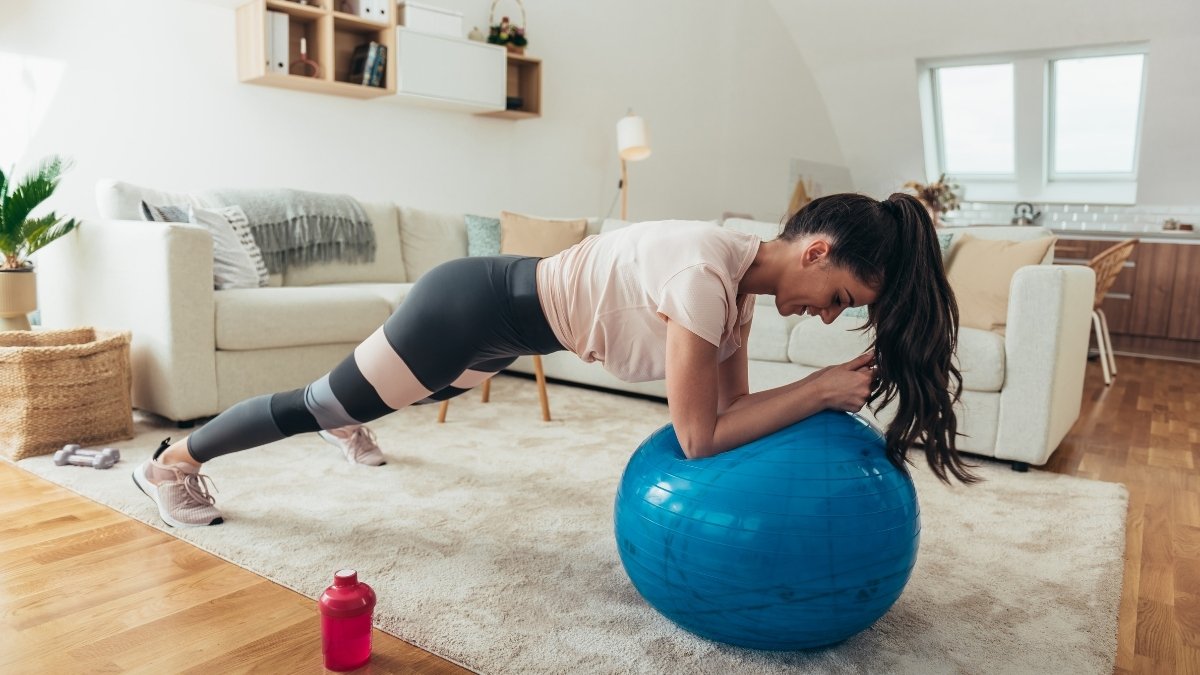
Balance exercises like single-leg stands, heel-to-toe walking, and stability ball work improve proprioception – your body’s awareness of its position in space.
Core strengthening through planks, bird dogs, and modified crunches helps counteract the forward head posture and rounded shoulders that develop from years of desk work and daily activities.
Regular balance and core training can reduce fall risk by up to 32% and significantly improve confidence in daily activities The Best Workout Programs for Women Over 50 | U.S. News.
Core and Balance Training Tips:
- Practice balance exercises daily, starting with holding onto a chair for support and gradually progressing to unsupported movements
- Incorporate core work into everyday activities by engaging your abdominal muscles while walking, standing, or doing household tasks
- Challenge your balance progressively by closing your eyes, standing on unstable surfaces, or adding head movements to basic balance exercises
6. Flexibility and Mobility: Maintaining Range of Motion for Daily Life
Flexibility and mobility work becomes crucial for women in their 50s as hormonal changes and natural aging processes lead to increased muscle stiffness, joint tightness, and reduced range of motion.
Collagen production decreases significantly during menopause, affecting the elasticity of muscles, tendons, and ligaments 6 Exercises Women over 50 Should Do Every Week, According to a Personal Trainer.
Regular stretching and mobility exercises help maintain functional movement patterns necessary for daily activities like reaching overhead, bending to tie shoes, or getting up from chairs.
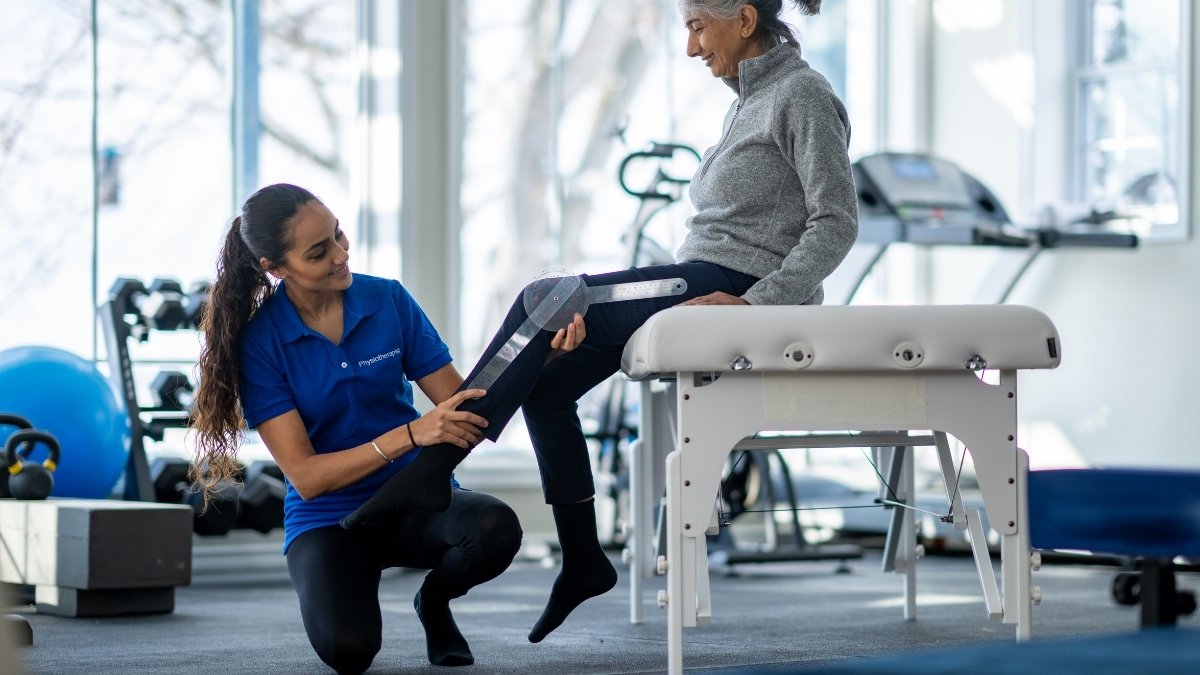
Dynamic stretching before exercise and static stretching afterward helps prevent injury while improving flexibility. Focus areas should include hip flexors, hamstrings, shoulders, and thoracic spine – areas that commonly tighten with age and sedentary lifestyles.
Studies show that consistent flexibility training can improve range of motion by 10-30% within 6-8 weeks.
Incorporating activities like yoga, tai chi, or dedicated stretching sessions helps maintain the mobility needed for independent living and quality of life.
Flexibility and Mobility Tips:
- Hold static stretches for 30-60 seconds after muscles are warmed up, as shorter durations provide minimal flexibility benefits
- Focus on problem areas like tight hip flexors from sitting and rounded shoulders from computer work with targeted daily stretches
- Combine flexibility work with gentle movement like walking or light yoga to improve circulation and enhance stretching effectiveness
7. High-Impact Activities: Smart Bone Stimulation Without Joint Stress
High-impact exercises provide powerful bone-building stimulus for women in their 50s, but must be carefully selected to maximize benefits while protecting aging joints from excessive stress.
Impact activities that involve jumping, hopping, or quick directional changes create the mechanical loading necessary to stimulate new bone formation These are the six trainer-approved exercises women in their 50s should do every week | Fit&Well.
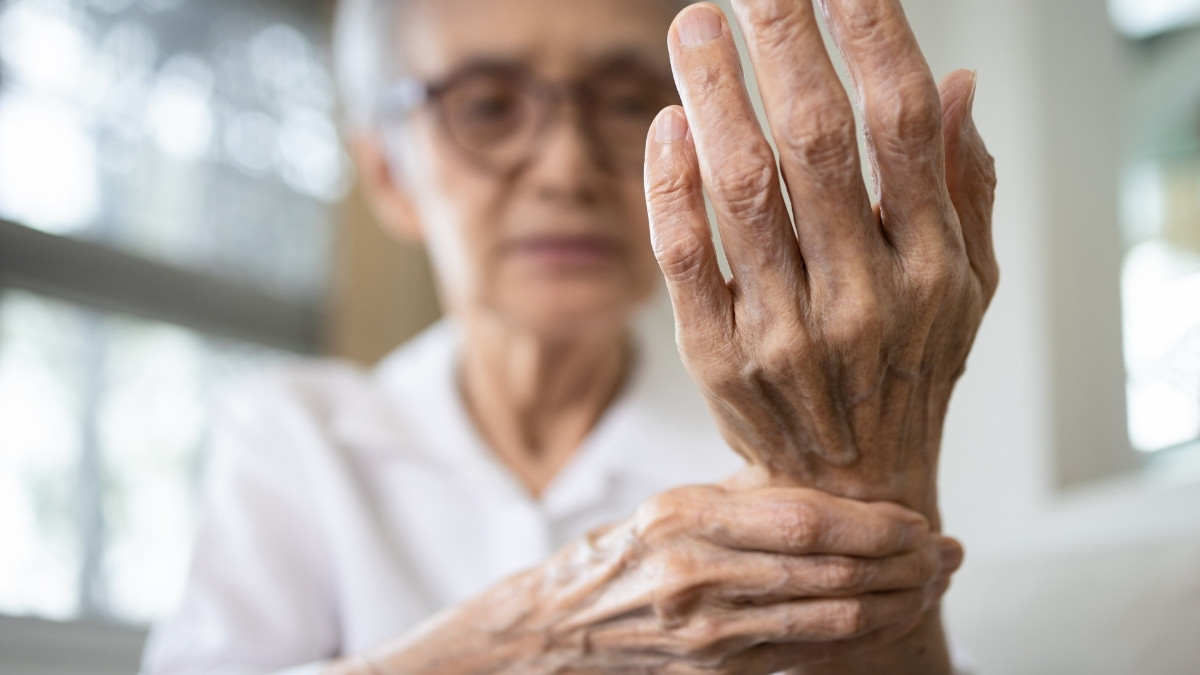
However, women in their 50s often have existing joint concerns or increased injury risk, making smart exercise selection crucial.
Low-impact alternatives like step-ups with knee drive, modified jumping jacks, or marching in place with high knees can provide bone benefits without excessive joint stress.
Activities like hiking on varied terrain, dancing, or playing recreational sports offer natural impact while being enjoyable and sustainable.
Smart Impact Exercise Tips:
- Start with low-impact modifications like step-touches or heel raises, then gradually progress to higher-impact movements as your bones and joints adapt
- Choose impact activities on softer surfaces like grass or rubber tracks rather than concrete to reduce joint stress while maintaining bone benefits
- Listen to your joints – mild muscle soreness is normal, but joint pain or stiffness that persists beyond 24 hours indicates you need to reduce intensity
8. Recovery and Adaptation: How Exercise Needs Change After 50
Recovery requirements fundamentally change for women in their 50s due to hormonal fluctuations, decreased muscle protein synthesis, and longer tissue repair times that accompany the aging process.
Post-menopause, women require 24-48 hours longer recovery time between intense exercise sessions compared to younger women Getting Fit at 50 | Best Exercises for Over 50s | PureGym.
Sleep quality often decreases during this life stage, further impacting recovery and necessitating more attention to rest and stress management. The body’s ability to adapt to exercise stress remains strong, but the timeline extends, requiring patience and consistency rather than aggressive training approaches.
Recovery and Adaptation Tips:
- Schedule at least one complete rest day per week and avoid intense exercise on consecutive days to allow proper muscle repair and energy restoration
- Monitor your resting heart rate and energy levels – elevated morning heart rate or persistent fatigue signals inadequate recovery
- Prioritize sleep hygiene with consistent bedtimes, cool room temperatures, and limiting screen time before bed to optimize recovery hormones
9. Creating a Sustainable Weekly Exercise Schedule: The Practical Blueprint
Creating a realistic and sustainable weekly exercise routine for women in their 50s requires balancing all essential fitness components while accommodating busy schedules, energy fluctuations, and recovery needs.
The most successful exercise programs for this age group combine 2-3 strength training sessions, 150 minutes of moderate cardio, 2-3 balance/flexibility sessions, and adequate recovery time Exercise Tips for Women Over 50.
A practical approach might include strength training on Monday/Thursday, cardio activities on Tuesday/Saturday, yoga or stretching on Wednesday/Friday, and active recovery on Sunday.
The key is flexibility – having backup plans for low-energy days and understanding that consistency over perfection leads to long-term success.
Final Thoughts:
The transformation that happens when women in their 50s embrace these six trainer-approved exercises isn’t just physical—it’s a complete life revolution that defies every stereotype about aging.
The choice is yours: spend the next decade watching your body decline, or invest just 3-4 hours per week to unlock energy, confidence, and vitality that will carry you powerfully into your 60s, 70s, and beyond.
This isn’t just an exercise routine—it’s your blueprint for rewriting the rules of what it means to age as a woman.