Reverse Osteoporosis Label In 90 Days? The Single Worst Food You’re Eating Right Now
Your doctor tells you to take more calcium. You do. But your bones keep getting weaker. Sound familiar?
Here is what most people are never told. One food you probably eat or drink daily is pulling calcium straight out of your bones. Every single day.
This is not about exotic superfoods or expensive supplements. This is about one common habit that is quietly working against everything you are trying to fix.
You will learn what that food is, exactly how it damages your bones, and a clear 90-day plan.
Point One: What Osteoporosis Actually Does to Your Body — And Why Food Matters More Than You Think
Your bones are not dead rock. They are living tissue. Every day, your body breaks down old bone and builds new bone. This process is called bone remodeling.
When you are young, your body builds faster than it breaks. After age 30, that balance slowly shifts. You start losing slightly more than you gain. After menopause, women can lose 1 to 3 percent of bone density every year for up to 10 years.
Right now, about 10 million Americans have osteoporosis. Another 44 million have low bone density and do not know it. One in four people over 50 who break a hip never fully recover.
But here is the good news. Bone responds to what you do. A case study published in PMC in January 2025 showed a post-menopausal woman improved her bone density over two years through diet and exercise alone. No medication.
Diet accounts for about 25 percent of your fracture risk. That means what you eat is a real lever you can pull.
3 Tips:
- Ask your doctor for a DEXA scan to know your baseline bone density score
- Track your daily calcium intake for one week using a free app like Cronometer
- Remember: bone loss has no symptoms until a fracture happens — act before that point
Point Two: The Single Worst Food You Are Eating Right Now — And Why the Evidence Is Clear
You might guess alcohol. Or cigarettes. Both are bad. But the food doing the most quiet damage is something millions of people drink every single day.
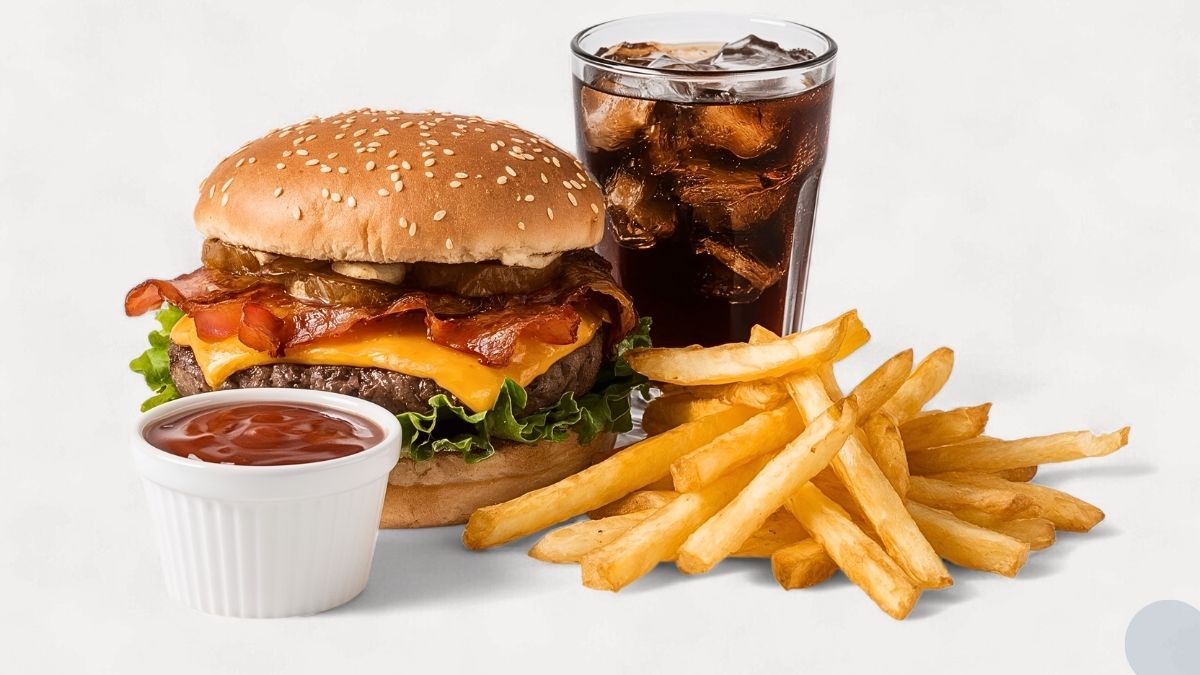
Cola soda. And sugar-sweetened ultra-processed beverages.
Cola contains phosphoric acid. That acid pulls calcium directly out of your bones. On top of that, cola is loaded with sugar and often has phosphate additives. These additives throw off the calcium-to-phosphorus balance your body needs to keep bones strong.
A review of 26 studies found that women who drank more sugary beverages had lower bone mineral density. That is not one study. That is 26.
Sugary drinks are also the top source of added sugar in the average diet. And when you drink them instead of milk or fortified alternatives, you lose twice — you get the damage AND miss the nutrition.
The fix is not complicated. Stop drinking cola and sugary sodas daily.
3 Tips:
- Replace one soda per day with fortified milk, calcium-fortified plant milk, or plain water
- Check ingredient labels for “phosphoric acid” — this is your red flag ingredient
- Start with reducing, not quitting cold turkey, if daily soda is a strong habit
Point Three: How This Food Steals Calcium From Your Bones — The Simple Biology
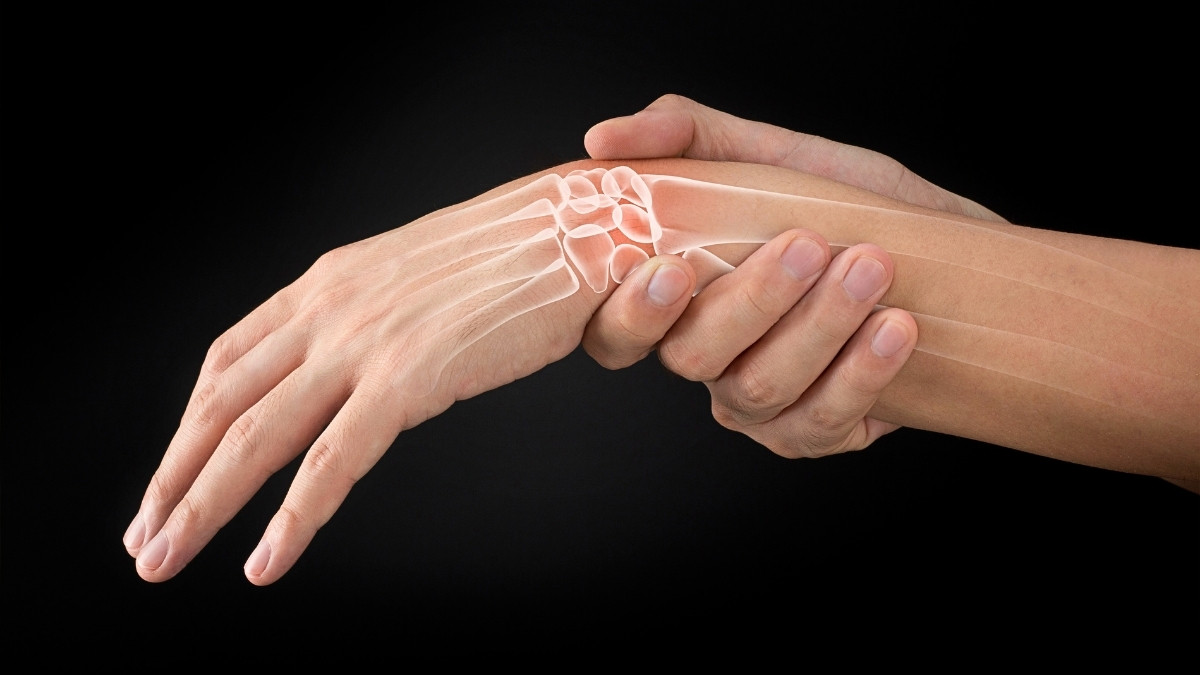
Think of your bones as a calcium savings account. Every cola, every sugary snack, every salty processed chip is a withdrawal. Your body does not ask permission.
Here is how it works. Your body keeps calcium and phosphorus in a careful balance. When you eat too much phosphorus — from cola, chips, fast food — your body pulls calcium from your bones to rebalance. This is called bone resorption.
Excess salt makes it worse. When your body flushes out sodium through urine, calcium goes with it. Every time.
Sugar adds another layer of damage. It causes inflammation, activates bone-breakdown cells called osteoclasts, and blocks vitamin D absorption. No vitamin D means no calcium gets into your bones even if you are eating plenty of it.
Caffeine from soda also blocks new bone from forming. Research shows that 800 mg of caffeine measurably increases how much calcium you lose through urine.
Three separate mechanisms. All from the same daily habit.
3 Tips:
- Keep daily sodium under 2,300 mg — read labels on soups, bread, and deli meats
- Drink water between meals to help your kidneys flush sodium without losing as much calcium
- Limit caffeine from soda specifically — it hits your bones harder than moderate coffee
Point Four: Why Your Doctor Is Right About Calcium — But Only Half-Right
Calcium is essential. Adults aged 19 to 50 need 1,000 mg daily. Women over 51 and men over 71 need 1,200 mg. That is from Mayo Clinic’s 2025 guidelines.
But calcium without vitamin D is nearly useless. Vitamin D controls how much calcium your gut actually absorbs. Without enough of it, the calcium you eat just passes through. Adults need 600 to 800 IU of vitamin D daily depending on age.
And there are more players most people never hear about. Magnesium activates vitamin D and supports bone density. Vitamin K2 directs calcium into your bones instead of your arteries. Vitamin C builds collagen — the flexible protein framework inside every bone. Omega-3s fight the inflammation that triggers bone breakdown.
A 2022 study found that eating just 5 to 6 prunes per day helped post-menopausal women hold onto hip bone density. Cheap. Easy. Evidence-backed.
Your best bone-building foods: canned salmon with bones, kale, bok choy, tofu, fortified milk, and prunes.
3 Tips:
- Eat canned salmon with the soft bones included — it gives you calcium, vitamin D, and omega-3 in one meal
- Add 5 to 6 prunes to your daily snack routine starting this week
- Get 15 to 20 minutes of morning sunlight to boost natural vitamin D production
Point Five: The 90-Day Bone Rebuilding Protocol — What to Do Each Week
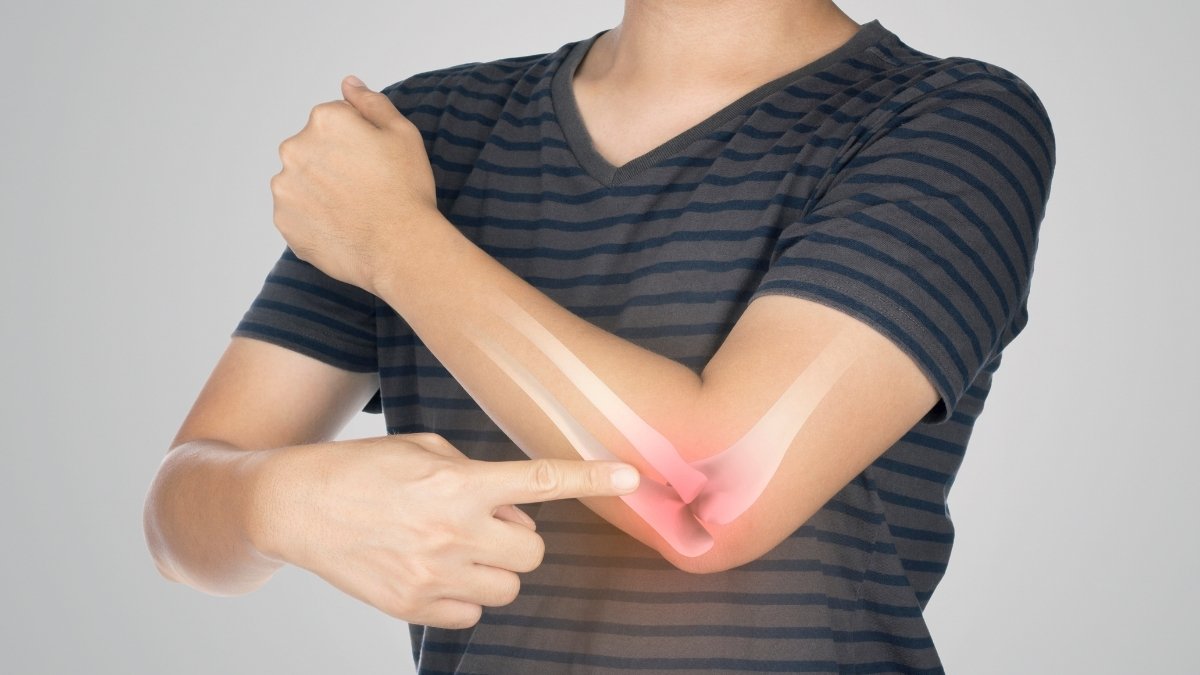
Be honest with yourself first. In 90 days, a DEXA scan will not show dramatic change. Real bone density gains take 12 to 24 months to measure. But in 90 days, you can stop the damage, improve absorption, and begin the rebuilding process. That is the goal.
3 Tips:
- Do not try to change everything on day one — start with the soda removal in week one only
- Use a simple notebook to track which habits you completed each day — consistency matters more than perfection
- Talk to your doctor before starting resistance training if you have been diagnosed with severe osteoporosis
Point Six: Other Foods Silently Hurting Your Bones — The Secondary Offenders
Soda is the main problem. But it has help.
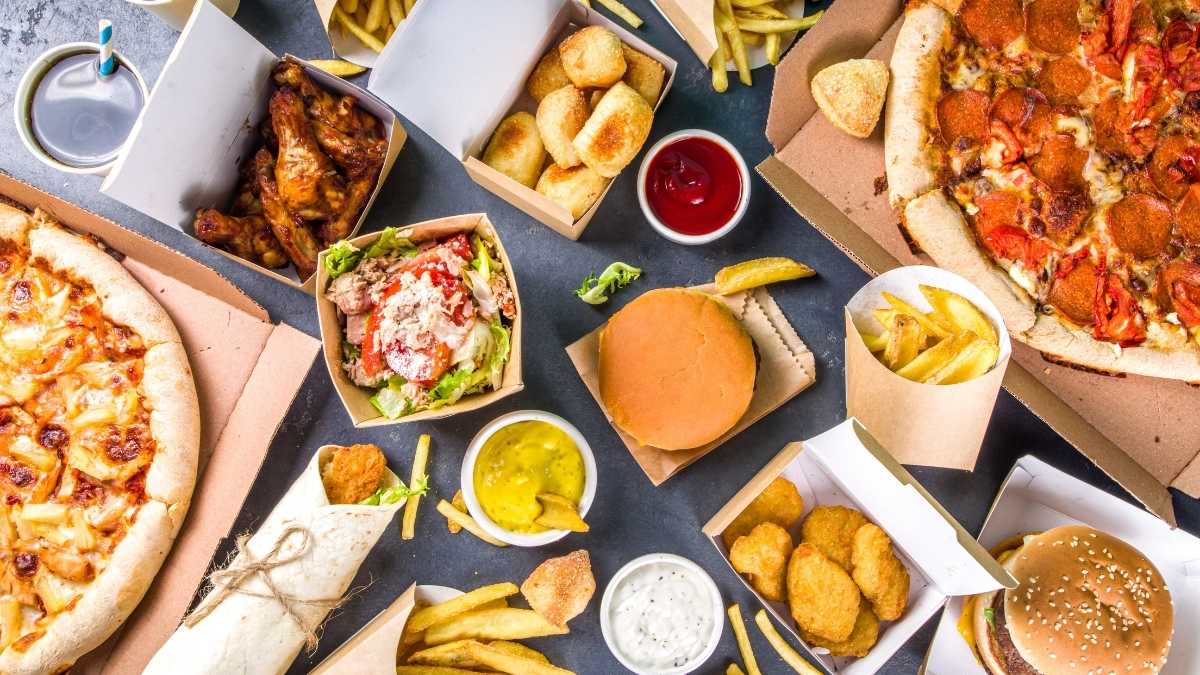
Salt is everywhere in processed food. Canned soups, deli meats, packaged bread, and fast food all carry high sodium. Each time your body flushes excess sodium, calcium goes with it. Stay under 2,300 mg per day.
Alcohol above 2 to 3 drinks daily raises cortisol. Cortisol breaks down bone tissue directly. It also disrupts estrogen in women and testosterone in men — both hormones your bones rely on. The AARP (2025) confirms that 1 to 2 drinks per day shows no major BMD harm. More than that, and you are hurting your bones.
Spinach is healthy — but do not use it as your main calcium source. Its oxalates bind to calcium and block absorption. Use kale or bok choy instead for bone calcium.
Very high-protein diets with low fruit and vegetable intake also increase urinary calcium loss. Balance matters. The Framingham Osteoporosis Study confirmed that protein works FOR bones when paired with enough calcium and plant foods.
3 Tips:
- Swap deli meat sandwiches twice a week for canned salmon or sardines on whole grain crackers
- Use kale or bok choy as your daily leafy green instead of relying on spinach for calcium
- Set a one-drink limit on weeknights if you currently drink daily
Point Seven: What Doctors, Researchers, and Dietitians All Agree On in 2026
This is not alternative medicine. Every major institution points in the same direction.
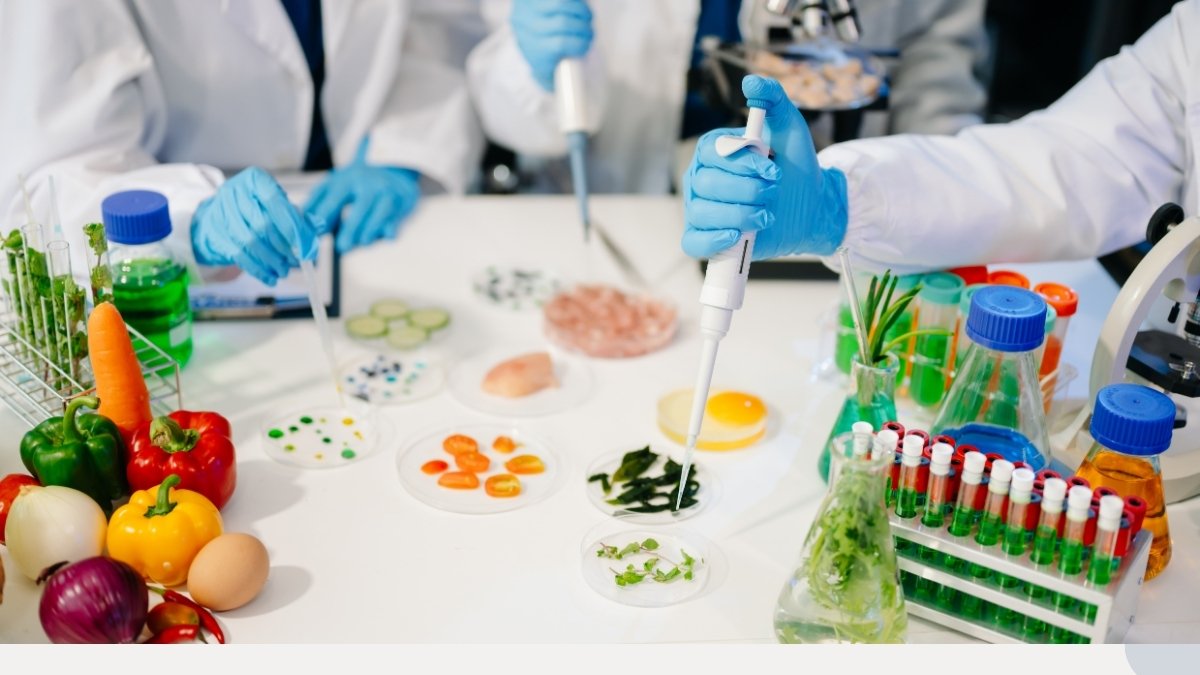
Mayo Clinic (2025) confirms calcium, vitamin D, weight-bearing exercise, no smoking, and moderate alcohol as the core pillars of bone health. They recommend a bone density test for anyone who breaks a bone after age 50.
Cleveland Clinic (2025) backs food-first before supplements. They highlight magnesium, vitamin K, omega-3, and vitamin C as the most under-used bone nutrients.
Medical News Today (July 2025) reviewed the latest research and confirmed that eating fewer than 5 servings of fruit and vegetables per day increases hip fracture risk. More color on your plate equals stronger bones.
NIAMS recommends weight-bearing aerobic exercise most days plus resistance training 2 to 3 times per week as the gold standard.
Dr. Amy Joy Lanou from UNC Chapel Hill put it simply: bright colors, variety, and nutrient density are good for bones. That quote says everything.
Each year, osteoporosis causes over 2 million bone fractures in the U.S. alone. Half of all women over 50 will break a bone because of it.
3 Tips:
- Bookmark the Bone Health and Osteoporosis Foundation website at bonehealthandosteoporosis.org for free resources
- Ask your doctor to check your vitamin D blood level — many people are deficient without knowing it
- Use the NIAMS osteoporosis page at niams.nih.gov for free, updated guidance reviewed by medical experts
Point Eight: Your 90-Day Bone Health Checklist — Print This and Put It on Your Fridge
Knowledge means nothing without action. Here is your week-by-week starting point.
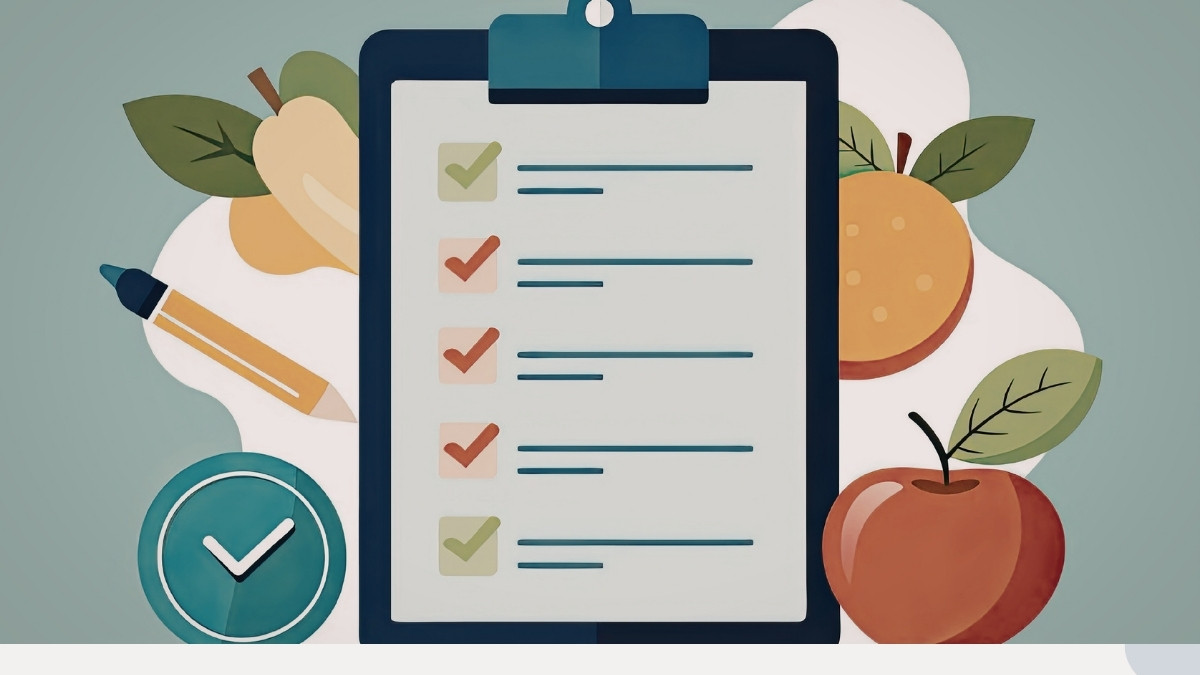
Week 1: Remove all cola and sugary sodas. Check food labels for “phosphoric acid” and “sodium phosphate.” Start a simple food diary.
Week 2: Reach your calcium target from food — 1,000 to 1,200 mg per day. Add one serving of fatty fish. Eat one leafy green daily.
Weeks 3 to 4: Start brisk walking 30 minutes, 4 days per week. Add basic resistance training twice a week. Do 20 to 30 gentle jumps daily if your doctor says it is safe.
Weeks 5 to 8: Do a sodium audit. Check labels. Cut sodium below 2,300 mg daily. Limit alcohol to moderate levels. Get 15 minutes of morning sunlight.
Weeks 9 to 12: Request a DEXA scan if you have not had one. A normal T-score is above -1.0. Osteopenia is -1.0 to -2.5. Osteoporosis is below -2.5. Know your number.
Bonus: eat 5 to 6 prunes daily. A 2022 study tracked 235 older women for a full year and showed this simple habit helped preserve hip bone density.
3 Tips:
- Set a phone reminder each morning to take your calcium-rich breakfast seriously — consistency beats perfection
- Use Cronometer (free app) to track calcium, vitamin D, and magnesium daily for at least the first 30 days
- Schedule your DEXA scan before the 90 days are over so you have a real starting point to measure future progress
Final Words,

Cola soda and ultra-processed foods are draining calcium from your bones every day through three biological mechanisms. Stop the drain first. Then feed your bones with the right nutrients. Add movement. Be patient.
Reversing osteoporosis naturally is not a myth. It is a process. And it starts with what you put on your plate today.