

You could be eating 150 grams of protein every single day and still barely be signaling your muscles to grow. The problem is not how much you eat. It is when you eat it — and how you spread it across the day.
Most people dump most of their protein into dinner. They skip a real breakfast. They stress over a 30-minute post-workout shake. None of these habits match how your body actually builds muscle.
Here is what this article will show you. You will learn what muscle protein synthesis really is, why the anabolic window is not what you were told, how the leucine threshold works.
And how to use a simple daily template to trigger muscle growth multiple times a day. No supplements required. Just smarter timing.
The Protein Timing Matrix
Distribute your 135g daily allowance. To trigger Muscle Protein Synthesis (MPS), a meal must cross the 30g Leucine Threshold.
135g
Remaining Protein to Allocate
🌅 Breakfast
☀️ Lunch
🍽️ Dinner
🌙 Pre-Sleep
Point One: What Muscle Protein Synthesis Is and Why Timing Touches It Directly
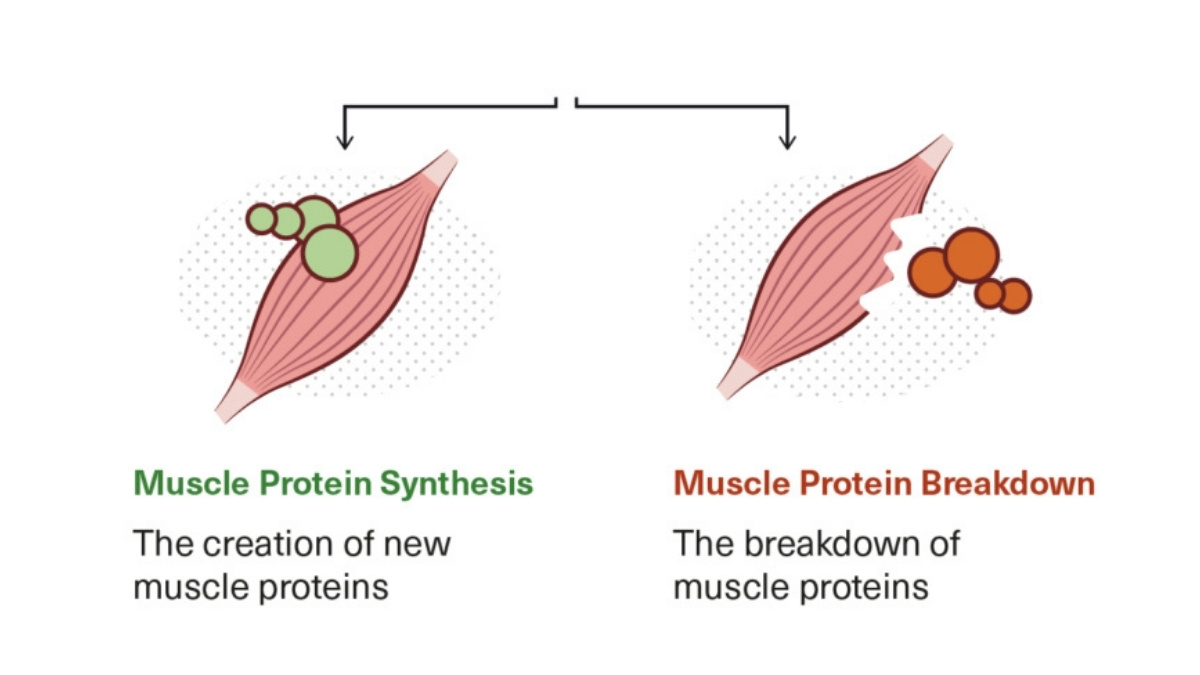
Muscle protein synthesis, or MPS, is the process your body uses to build new muscle. It does not run all day like a machine. It turns on and off based on two things: resistance training and amino acids from food.
When you eat enough protein in one sitting, MPS spikes for about two to three hours. Then it drops back to baseline. Even if amino acids are still floating in your blood, the signal fades.
This is the part most people miss. Your body does not slowly build muscle all day from one big meal. It needs repeated triggers. Think of it like sending a text message. You can have a full phone battery all day, but if you only press send once at 8 PM, you only sent one message.
A 2024 randomized trial found that spreading protein evenly across four meals increased weekly MPS by about 12% compared to a skewed intake — even when total daily protein was exactly the same. That 12% added up to real strength gains over 12 weeks.
3 Tips:
- Aim to eat protein at least 3–4 times per day, not once or twice
- Each protein meal should be spaced roughly 3–4 hours apart to allow MPS to reset
- Think of each qualifying meal as one muscle-building trigger — the more you send, the more you gain
Point Two: The Anabolic Window — What It Actually Is and What It Is Not

For years, gym culture pushed one rule: drink your protein shake within 30 minutes of finishing your workout or your gains disappear. That idea is mostly wrong.
Here is where it came from. Early research showed that post-workout protein improved muscle recovery. Supplement companies took that finding and turned it into a 30-minute countdown. It sold a lot of shakes.
What does the actual science say? A major analysis in the Journal of the International Society of Sports Nutrition found that the protein window around a workout can stretch to four to six hours. Schoenfeld et al. showed that pre-workout and post-workout protein produce nearly the same muscular adaptations.
If you ate a solid meal one to two hours before training, your body still has amino acids in circulation during and after your workout. You do not need to rush.
Benjamin Gordon, PhD, from the University of Florida, said it clearly: "There is not an all-or-none switch that if you don't get protein in now, nothing happens."
3 Tips:
- If you ate a protein-rich meal 1–2 hours before training, you have time — no need to panic about an immediate shake
- If you trained completely fasted, then eating protein within 1–2 hours after does matter more
- Focus on total protein distribution across the day, not just the post-workout moment
Point Three: The Leucine Threshold — The Switch Most People Do Not Know Exists
Leucine is a single amino acid. But it controls the on/off switch for muscle protein synthesis. When leucine in a meal crosses a certain level, it activates a pathway called mTORC1, and MPS turns on. Below that level, the signal is too weak to trigger real muscle building.
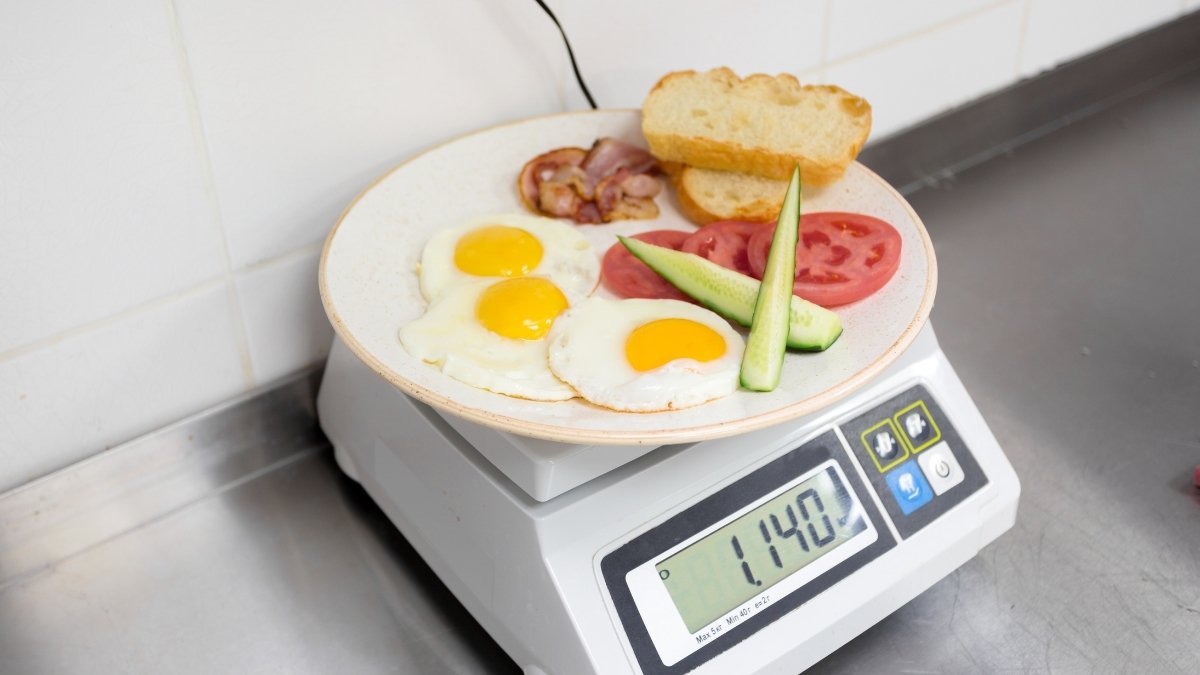
The threshold is roughly 2.5 grams of leucine per meal for younger adults, and about 3 grams for people over 50. Around 30 grams of quality animal protein — chicken, eggs, fish, dairy — delivers that 2–3 grams of leucine needed.
Here is the problem. A person eating 10 grams of protein at breakfast and 70 grams at dinner has only crossed the threshold once. Plant proteins contain less leucine per gram, so vegans and vegetarians need to plan more carefully to hit the threshold consistently.
A 2021 review confirmed leucine thresholds of 2.5 grams per meal are linked to maximum MPS activation. Same total protein. Very different results depending on distribution.
3 Tips:
- Aim for at least 30 grams of quality protein per meal to reliably hit the leucine threshold
- Plant-based eaters should combine sources like soy, pea, and lentils to boost leucine content per meal
- Adults over 50 need closer to 35–40 grams per meal to overcome reduced anabolic sensitivity
Point Four: Morning Protein Is the Signal Most People Are Not Sending

Every morning you wake up in a mild muscle-breakdown state. You have fasted for 7 to 9 hours. MPS is low. Your body has been pulling amino acids from muscle tissue to keep basic functions going overnight.
This is your first big opportunity of the day — and most people skip it entirely.
A coffee and toast breakfast does almost nothing for MPS. A carb-heavy bowl of oats with no protein barely moves the needle. But a breakfast that crosses the leucine threshold? That triggers MPS at the exact moment your body is most ready to receive the signal.
Research confirms that the first meal after an overnight fast produces enhanced MPS. Studies suggest 3 to 4 leucine-rich meals spaced across the day, starting in the morning, is the most effective pattern. Yet most Western eating habits stack protein heavily at dinner.
A practical breakfast that works: 3 eggs plus Greek yogurt plus a small portion of cottage cheese. That combination gives you roughly 40 grams of protein. That is a strong morning signal.
3 Tips:
- Do not let more than 10–12 hours pass between your last protein meal and your first one the next morning
- If you are not hungry at breakfast, a Greek yogurt or protein shake still works to hit the threshold
- Skipping breakfast protein is the single most common timing mistake — fixing it costs almost nothing
Point Five: Pre- and Post-Workout Protein — The Rules That Actually Work

The timing of protein around your workout matters. But the rule is simpler than most people think.
If you ate a solid protein meal one to two hours before training, that meal is still covering you. You do not need a shake immediately after. The pre-workout meal and a post-workout meal within two to three hours of finishing is enough.
If you trained on an empty stomach — no meal for four or more hours before — then post-workout protein timing becomes more important. In that case, aim to eat within one to two hours of finishing your session.
Pairing protein with carbohydrates after training also helps. Research shows that protein plus carbs in the two-hour window after exercise leads to significantly greater glycogen recovery than carbs alone.
Two real examples: Morning trainer: Eat at 7 AM, train at 9 AM, eat lunch by 11 AM. Done. Evening trainer: Eat lunch at 1 PM, train at 6 PM, eat dinner by 7:30 PM. Done.
No 30-minute countdown needed in either case.
3 Tips:
- The closer your pre-workout meal is to your training session, the wider your post-workout window becomes
- Fasted training is the one situation where a post-workout protein meal genuinely needs to happen quickly
- Adding carbs to your post-workout meal supports recovery and replenishes muscle glycogen faster
Point Six: The Overnight Window — Pre-Sleep Protein Is Real and Most People Ignore It

While you sleep, MPS slows down significantly. You go 7 to 9 hours without feeding your muscles any amino acids. That is a long gap.
Pre-sleep protein can close that gap. Research shows that consuming 30 to 40 grams of protein about 30 minutes before sleep stimulates both muscle-building and mitochondrial protein synthesis rates during the night.
A 2023 randomized controlled trial found that protein ingestion before sleep increased myofibrillar protein synthesis rates significantly compared to a placebo. Overnight MPS rates were 22 to 33 percent higher with casein protein before bed versus an equal-calorie carbohydrate drink.
Casein has been the traditional recommendation because it digests slowly. But research now shows whey before sleep produces nearly the same overnight MPS response.
Who benefits most? Evening trainers, older adults, and anyone training at high volume. But even morning exercisers get a meaningful benefit from the extra overnight MPS boost.
Simple options: 1.5 cups of cottage cheese, a casein shake with milk, or Greek yogurt with a scoop of protein powder. All reach 30 to 40 grams.
3 Tips:
- Time your pre-sleep protein 30 minutes before bed for the best absorption during overnight recovery
- You do not need casein specifically — cottage cheese, Greek yogurt, or even whey work too
- Pre-sleep protein works best when you have also trained that day — the combination multiplies the effect
Point Seven: The Right Daily Protein Distribution Template for 2026
Here is how all of this comes together in real life. This template is for a 75 kg person targeting 1.8 grams of protein per kilogram of bodyweight, which equals 135 grams daily.
Protein Pattern
Meal 1
Breakfast (7–8 AM)
Three eggs, Greek yogurt, cottage cheese.
Meal 2
Lunch (12–1 PM)
Chicken breast, legumes, dairy.
Meal 3
Dinner (6–7 PM)
Salmon, quinoa, mixed vegetables.
Meal 4
Pre-sleep (9–10 PM)
Casein shake or cottage cheese.
Grams Total Protein
Times Leucine Threshold Crossed
Times/Day MPS Triggered
Research supports 0.4 grams per kilogram per meal across four meals as the formula for maximum muscle signaling.
For older adults, 1.2 to 1.6 grams per kilogram daily with heavier per-meal doses is what most expert guidelines now suggest. During weight loss, the target goes up to 1.6 to 2.4 grams per kilogram to protect muscle mass.
3 Tips:
- Calculate your per-meal protein target as 0.4 × your bodyweight in kilograms (e.g., 75 kg × 0.4 = 30 g per meal minimum)
- Adults over 50 should push each meal toward 35–40 grams instead of 25–30 grams
- Plant-based eaters should add soy, edamame, or pea protein to close the leucine gap at each meal
Point Eight: 5 Protein Timing Mistakes and How to Fix Them Right Now
Most people make the same timing mistakes. Here is exactly what each one does to your muscles — and the quick fix.
5 Protein Mistakes
No protein at breakfast
Your overnight fast just extended. MPS stays dormant all morning.
Add 30 grams of protein to your first meal every day.
Obsessing over the post-workout shake
If you ate before training, this 30-minute stress is wasted.
Focus on your full-day protein pattern, not one narrow window.
One or two big protein meals
You are crossing the leucine threshold once or twice. MPS only fires once or twice.
Split your daily protein into three to four meals.
Ignoring pre-sleep protein
MPS flatlines for 7 to 9 hours every night.
Eat 30 to 40 grams of protein 30 minutes before bed.
Using a 25-year-old's plan at age 55
Older adults need more per meal to overcome anabolic resistance.
Raise each meal to 35 to 40 grams and prioritize leucine-dense foods.
3 Tips:
- Start by fixing just one mistake this week — breakfast protein is the easiest and highest-impact change
- Track your protein per meal, not just the daily total, using a free app like Cronometer
- If you are over 50, treat protein timing as a non-negotiable health habit, not just a gym preference
Final Words,

Protein timing is real biology. The 30-minute window myth is not.
Cross the leucine threshold three to four times a day. Protect your morning signal. Time your workout nutrition around your last real meal. Use the pre-sleep window. And if you are over 50, increase per-meal doses.
Start tomorrow morning. Add 30 grams of protein to breakfast. That one change will do more than years of obsessing over post-workout shakes ever did.
Medical Disclaimer
Content on Savvy Hipster is for informational purposes only and is not a substitute for professional medical advice, diagnosis, or treatment. Always consult a qualified healthcare professional before making any changes to your diet, exercise, or supplement routine.
Health results vary individually, and you should stop immediately and seek medical help if any unusual symptoms occur. By using this website, you take responsibility for your own health decisions.