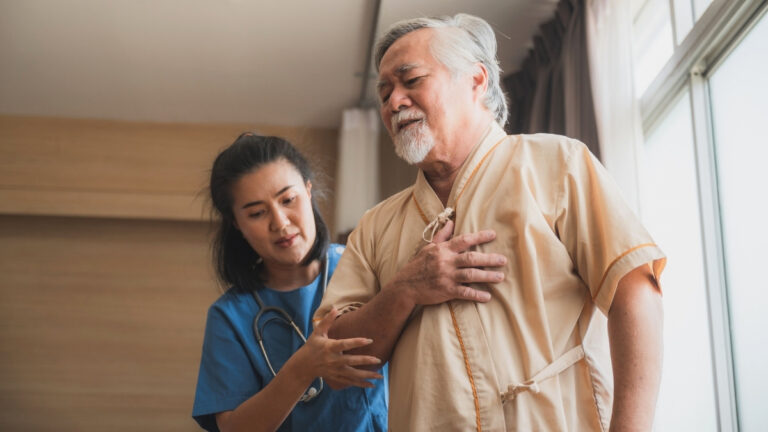
People Who Avoid Heart Attacks After 70 Do These 11 Things Every Single Day (Framingham Study Confirms)

At 70, your heart has beaten approximately 2.5 billion times—and the next billion beats depend on what you do today.
Here’s what you’re up against. Cardiovascular disease affects 70-75% of people aged 60-79. That number jumps to 79-86% for those over 80. The average first heart attack hits men at 65.5 years and women at 72 years. Most people think heart problems just come with age. They believe there’s nothing they can do about it.
That’s wrong.
This guide gives you 11 specific daily habits for heart attack prevention after 70. You’ll learn exact amounts, times, and methods backed by 2024-2025 research.
These aren’t vague tips like “eat better” or “reduce stress.” You’ll get precise steps like how many minutes to walk, which foods to eat, and when to check your blood pressure.
These heart health seniors strategies work together to protect you. Real statistics prove prevention works at any age. Let’s start.
AVOID HEART ATTACKS AFTER 70
Why Prevention Matters More After 70
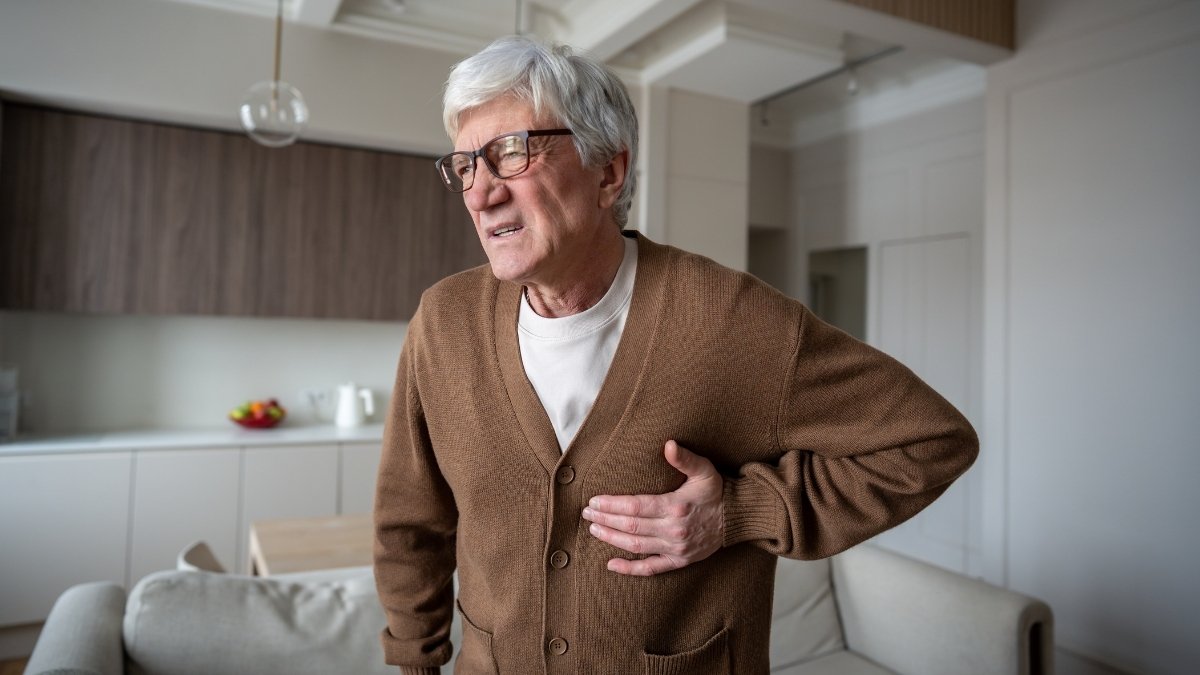
Here’s the truth about your heart after 70. About 30% of people your age already have coronary heart disease. That number climbs even higher as you move toward 79. And nearly 82% of all heart disease deaths happen in people over 65.
Sounds scary, right? But here’s the good news. Research shows you can cut your risk of cardiovascular disease by 80% through lifestyle changes alone. Your heart actually responds better to positive changes now than you might think.
Here’s why prevention beats treatment. About 70% of people over 70 develop some form of cardiovascular disease. Two-thirds of them also deal with other chronic conditions on top of that. Managing multiple health problems gets complicated fast.
When you prevent heart attack before it happens, you avoid that whole mess. You control the heart disease risk factors that matter most. And you protect your cardiovascular health elderly years when you need it most. Prevention isn’t just easier—it’s smarter.
#1 – Follow a Mediterranean-Style Diet Daily
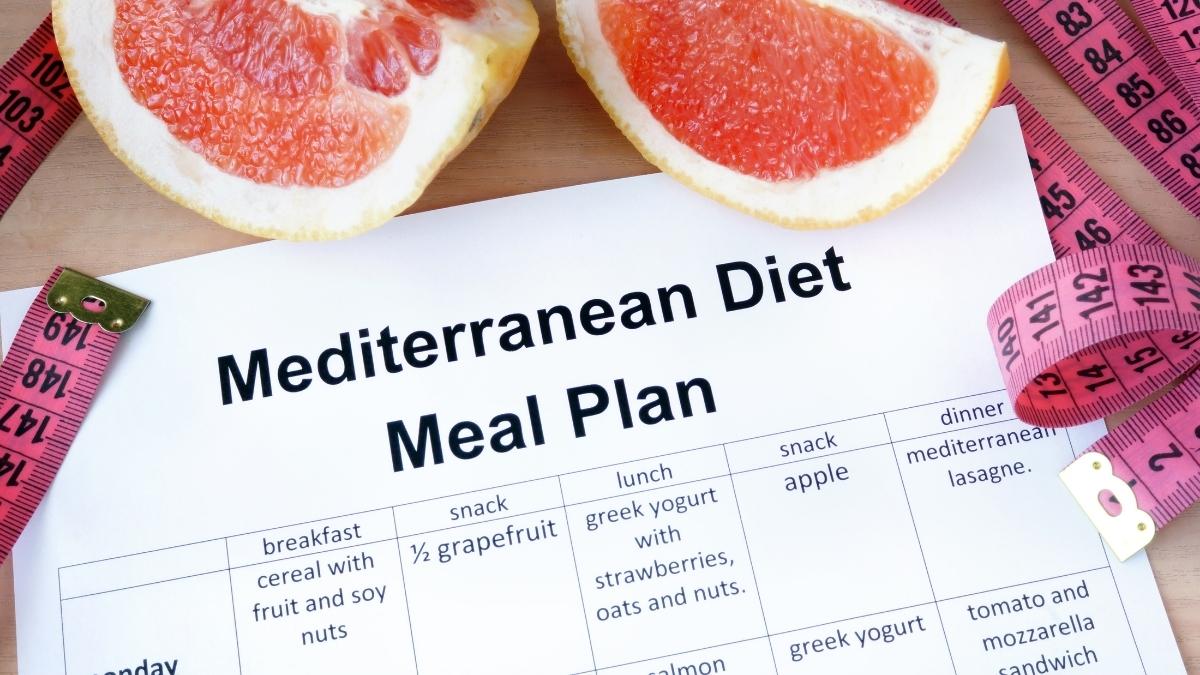
The Mediterranean diet seniors follow has serious science behind it. A major study tracked high-risk people for five years. Those who ate extra-virgin olive oil or nuts daily had fewer heart attacks and strokes. The results were so clear that researchers stopped the study early.
Here’s what makes this heart healthy diet work. People eating Mediterranean-style had 50-70% lower risk of heart problems compared to standard low-fat diets. That’s a huge difference. And the best part? You don’t count calories or feel hungry.
Eat these foods every day. Use 4-5 tablespoons of extra-virgin olive oil for cooking and salads. Grab a small handful of walnuts or almonds (about 1 ounce). Fill half your plate with vegetables at lunch and dinner. Add three servings of fruit throughout the day.
Eat fish twice a week. Salmon, mackerel, and sardines work best. Have beans or lentils at least three times weekly for nutrition for heart health.
Cut back on red meat to less than twice weekly. Skip processed meats like bacon and deli meat. Limit sweets and white bread.
#2 – Move Your Body for 150 Minutes Weekly

You need 150 minutes of exercise for seniors each week. That breaks down to just 30 minutes, five days a week. Or if you prefer harder workouts, 75 minutes of vigorous activity works too.
Here’s proof it matters. Studies show people over 65 who moved at least 20 minutes daily had fewer heart attacks. They also lived longer. And here’s a bonus—lifting light weights for less than an hour weekly cuts your stroke risk by 40-70%. That’s huge for physical activity heart health.
Split your workout over 70 routine like this. Spend 80% of your time on walking, swimming, or cycling. Use the other 20% for strength work with light weights or resistance bands.
Best exercises include brisk walking around your neighborhood. Try water aerobics if your joints hurt. Ride a stationary bike while watching TV. Do chair squats during commercial breaks. Wall push-ups count too.
Start slow if you haven’t exercised in a while. Use the talk test—you should be able to chat but not sing. Ask your doctor first. And it’s fine to break exercise into three 10-minute chunks throughout the day.
#3 – Prioritize 7-9 Hours of Quality Sleep

You need the same sleep now as you did at 40. That’s 7-9 hours every night. Don’t believe the myth that older adults need less rest. Your heart needs that time to recover and repair itself.
The American Heart Association recently added sleep and heart health to their list of eight essential factors for a healthy heart. That’s how important it is. Poor sleep raises your blood pressure and increases inflammation. And here’s something to watch—long daytime naps might hurt your heart. Quick 20-minute power naps are fine, but avoid sleeping for hours during the day.
Get tested for sleep apnea if you snore loudly or feel tired all day. It’s common after 70 and damages your heart if left untreated.
Follow these sleep recommendations elderly experts suggest. Go to bed and wake up at the same time every day, even weekends. Keep your bedroom cool, between 60-70°F. Make it dark with blackout curtains. Turn off phones and TV one hour before bed. Eat dinner at least three hours before sleep. Stop drinking fluids two hours before bedtime to reduce bathroom trips.
#4 – Practice Stress-Reduction Techniques Daily
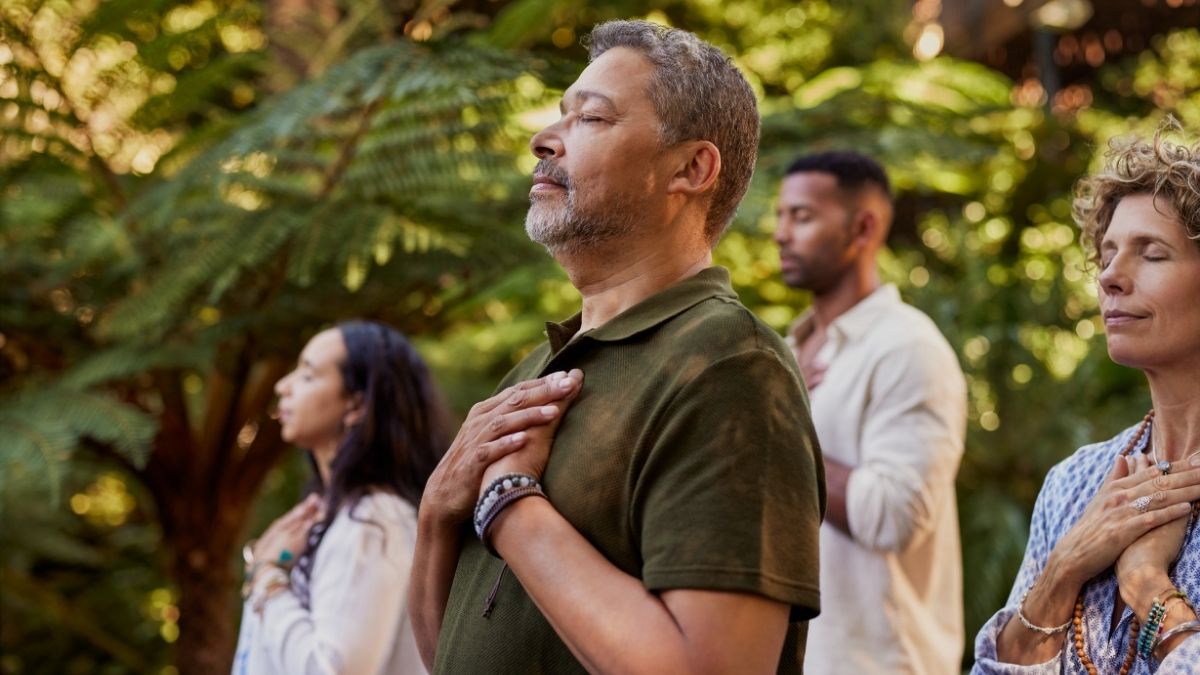
Stress literally hurts your heart. It raises your blood pressure and creates inflammation in your body. The good news? Just 10-20 minutes of daily relaxation can help reduce stress elderly people face.
Studies prove meditation benefits seniors in a big way. People who meditated regularly dropped their blood pressure by 5/3 points. Cardiac patients who practiced mindfulness saw even better results—their systolic pressure fell by 14 points. An 18-month study showed older adults who meditated improved their overall heart risk significantly.
You don’t need to be perfect at stress management heart health techniques. Start with just five minutes daily. Find a quiet spot in your home. Sit in a comfortable chair. Close your eyes and focus on your breathing. When your mind wanders, and it will, just gently bring it back to your breath. Don’t judge yourself.
Try the 4-7-8 breathing technique. Breathe in for four counts, hold for seven, breathe out for eight. Do this four times. You can also use free meditation apps like Insight Timer or Calm. Gentle yoga and tai chi work great too because they combine movement with breathing.
#5 – Stay Socially Connected Every Week

Being lonely isn’t just sad—it’s dangerous for your heart. Research shows social isolation increases your heart attack risk by 29%. Your stroke risk jumps by 32%. People over 70 with weak social ties were 42% more likely to develop heart disease. That’s a real threat.
Here’s what social connection heart health does for you. It keeps your brain sharp. It strengthens your immune system. And it protects your heart in ways doctors are still discovering. Quality beats quantity every time—three deep friendships matter more than 50 acquaintances.
Aim for 3-4 meaningful interactions each week. Call your kids or grandkids twice a week. Video calls count too. Join a club at your local senior center. Volunteer at a food bank or library. Go to your church, mosque, or temple regularly.
Walking groups kill two birds with one stone—exercise plus friends. Look for hobby groups online if you can’t get out much. Book clubs, gardening forums, and cooking groups work great for community engagement seniors need. The key is finding activities that bring you actual joy, not just filling time.
#6 – Drink 8-12 Cups of Water Daily
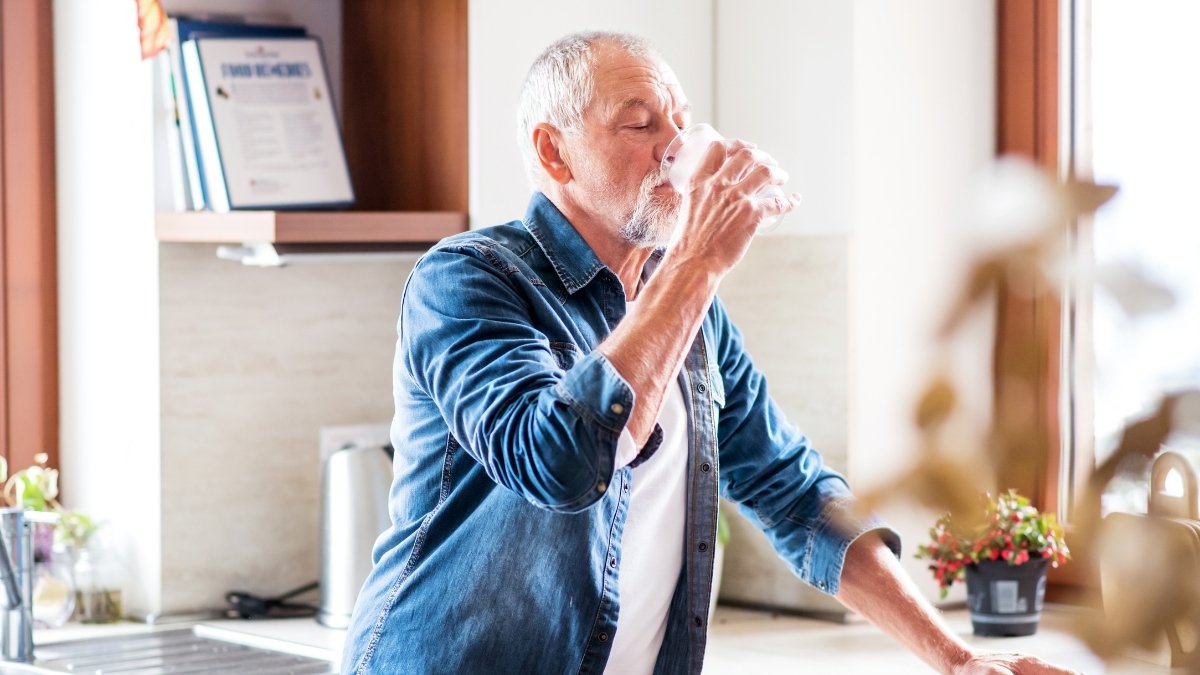
Your body needs more water than you think. Men should aim for 15 cups daily (about 3.7 liters). Women need 11 cups (2.7 liters). This includes water from food, so you’re probably drinking 8-12 cups of actual water. That’s the target for hydration seniors need.
Here’s why water intake elderly people drink matters so much. A 30-year study found well-hydrated adults lived longer and had fewer chronic diseases. Poor hydration raises your sodium levels above 142 mEq/L, which increases heart failure risk by 39%. And here’s the tricky part—you feel less thirsty as you age. Your body stops warning you.
Drink a full glass right when you wake up. Have another glass before each meal. Carry a water bottle everywhere. Set three phone alarms as drinking reminders throughout the day.
Check your urine color. Pale yellow means you’re good. Dark yellow or brown means drink more. Add lemon slices or cucumber for flavor if plain water bores you. Eat watermelon and cucumbers for extra hydration.
Warning: If you have heart failure or kidney disease, ask your doctor first about dehydration heart health limits.
#7 – Monitor and Control Blood Pressure
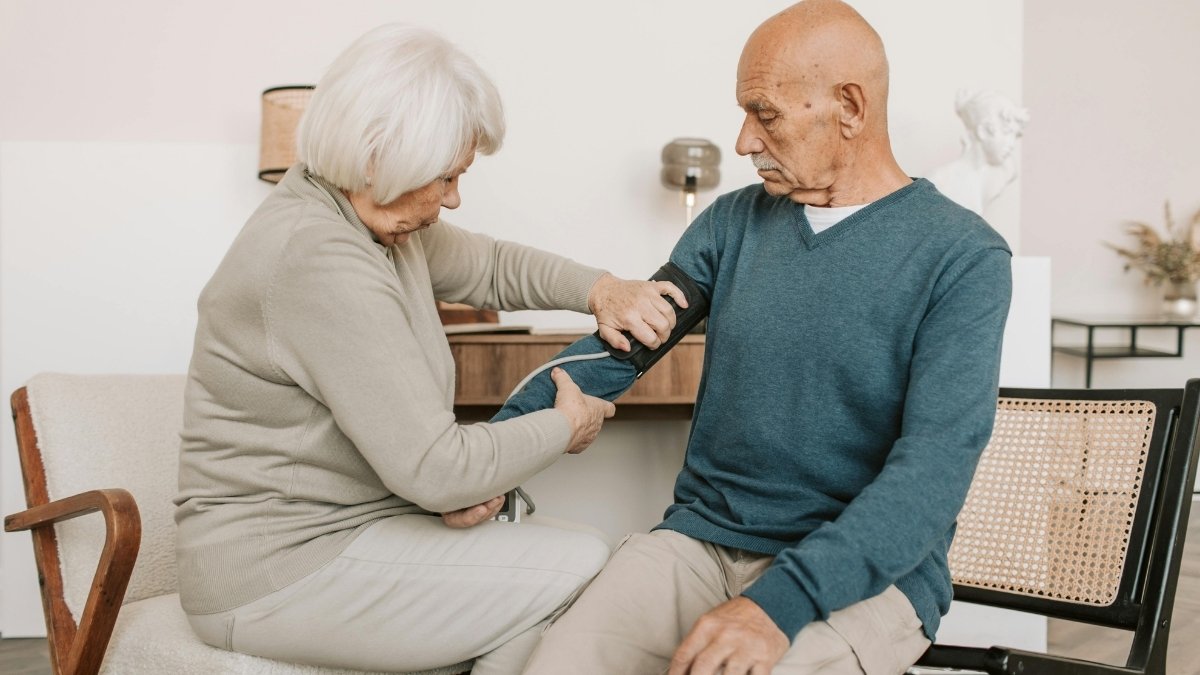
Your blood pressure should stay below 130/80 mm Hg. That’s your target. High blood pressure damages your heart silently—you won’t feel it happening. That’s why monitor blood pressure home checks matter so much.
Buy a good home blood pressure monitor. Check it every morning before you take any medications. Sit quietly for five minutes first. Take two readings, one minute apart. Write both numbers down in a notebook or app. This log helps your doctor spot patterns.
Blood pressure control starts with what you eat. Keep salt under 2,300 mg daily—1,500 mg is even better. Read food labels because salt hides in bread, soup, and frozen meals. Lose extra weight if you can. Even 10 pounds makes a difference.
Your stress level affects your readings. So does exercise—in a good way. Regular walking lowers your numbers naturally. Limit alcohol to one drink daily for women, two for men.
Call your doctor if your readings stay high for several days. If you’re on blood pressure medication for hypertension management elderly patients need, take it exactly as prescribed. Don’t skip doses.
#8 – Take Prescribed Medications Consistently
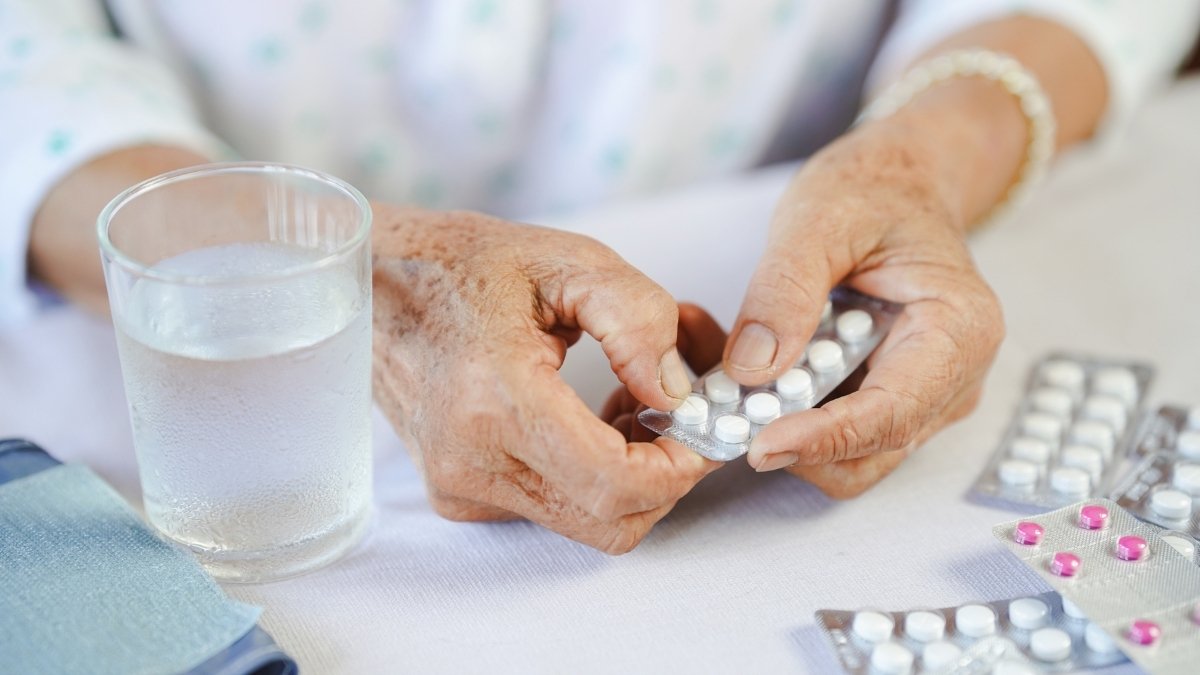
Missing your heart medications elderly doctors prescribe can kill you. That sounds harsh, but it’s true. After a heart event, following your treatment plan exactly as prescribed keeps you alive. Skipping doses raises your risk of another heart attack or stroke significantly.
Take your pills at the same time every single day. Morning works best for most people. Buy a pill organizer with separate compartments for each day of the week. Fill it every Sunday night. Set a phone alarm as your daily reminder. Don’t rely on memory alone.
Keep a written list of all your medications. Include the name, dose, and what each one does. Show this list to every doctor you see. Understanding why you take each pill helps you stay motivated for medication adherence.
Watch for side effects. Dizziness, nausea, or unusual symptoms need immediate attention. Call your doctor right away. Never stop taking blood pressure medication or any heart drug suddenly without asking your doctor first. Stopping cold can trigger a heart attack.
Review all your medications with your doctor once a year. Some might need adjusting as you age.
#9 – Maintain a Healthy Weight
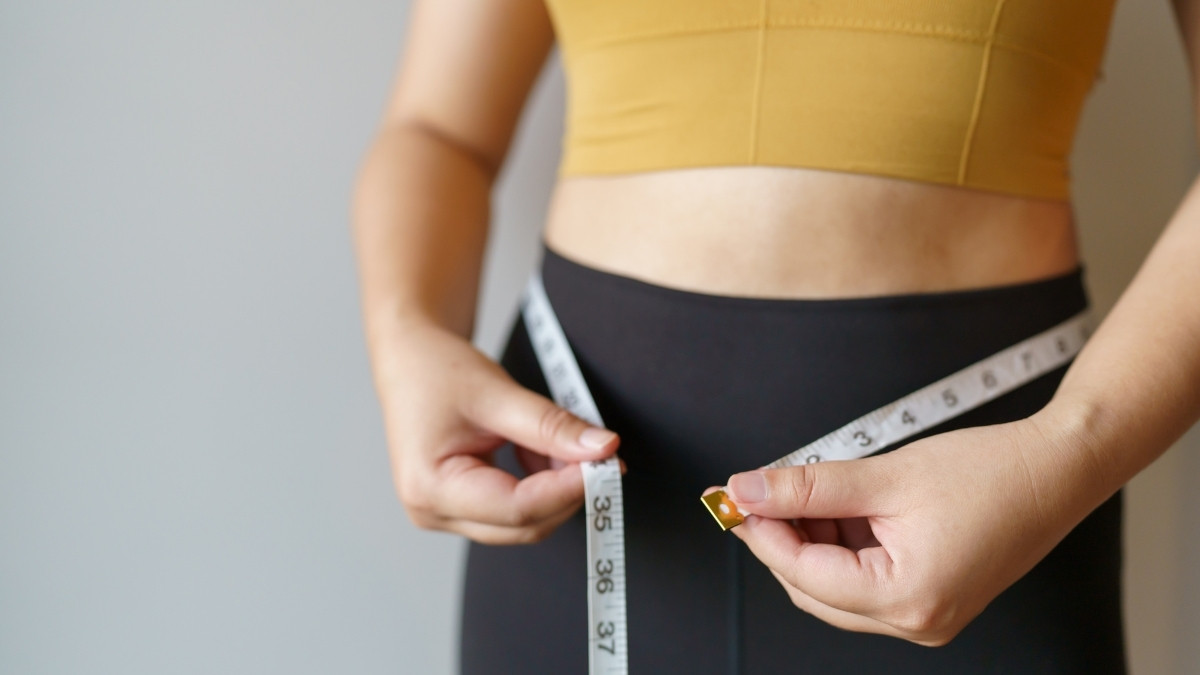
You don’t need to be skinny. Just losing 5-10% of your body weight cuts your heart disease risk dramatically. That’s 10-20 pounds for most people. Focus on your waist size instead of the scale—men should stay under 40 inches, women under 35 inches. Belly fat hurts your heart the most.
Weight management elderly people face is different than at 40. You lose muscle as you age, which slows your metabolism. Crash diets make this worse because you lose even more muscle. Slow and steady wins here.
Eat protein at every meal to keep your muscle. Think eggs at breakfast, chicken at lunch, fish at dinner. Use smaller plates to control portions without feeling deprived. Cut out processed foods—they pack tons of calories without filling you up.
Practice mindful eating. Sit down for meals. Chew slowly. Put your fork down between bites. Notice when you’re full and stop eating. Eat at regular times each day so your body knows when food is coming.
Track your food in a notebook or app if that helps you stay honest about healthy weight seniors need to maintain.
#10 – Never Smoke and Avoid Secondhand Smoke
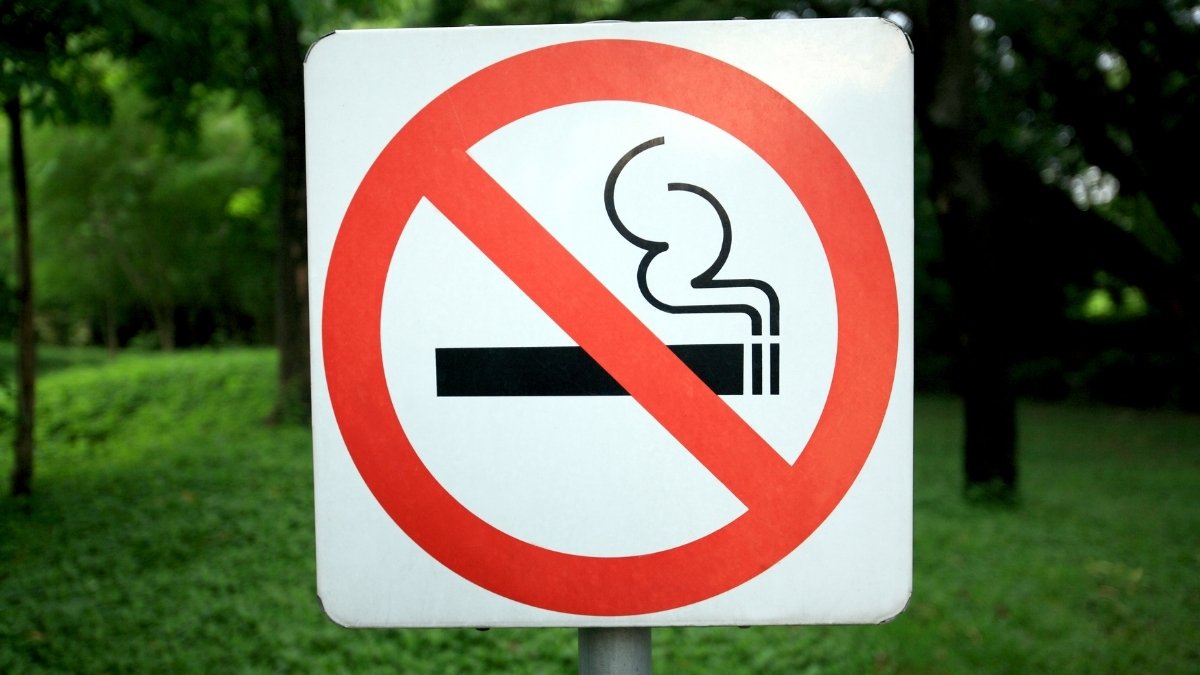
Smoking kills more people than any other preventable cause in America. It destroys your heart and blood vessels with every puff. If you smoke now, quitting is the single best thing you can do for your heart. Period.
Here’s the amazing part about tobacco cessation elderly people can achieve—your body starts healing immediately. Within 24 hours, your heart attack risk begins dropping. Within one year, your risk falls by half compared to continuing smokers. At any age, quitting adds years to your life.
Talk to your doctor about quit smoking seniors programs. Nicotine patches, gum, and lozenges help with cravings. Prescription medications like varenicline work even better. You don’t have to quit cold turkey—that actually fails most often.
Call 1-800-QUIT-NOW for free coaching and support. They connect you with trained counselors who get it. Join a support group in person or online. Try apps like QuitGuide or Smokefree that track your progress and offer daily tips.
Stay away from secondhand smoke too. Ask family members not to smoke around you. The link between smoking heart disease is clear and deadly. Your heart deserves clean air.
#11 – Schedule Regular Heart Health Check-Ups
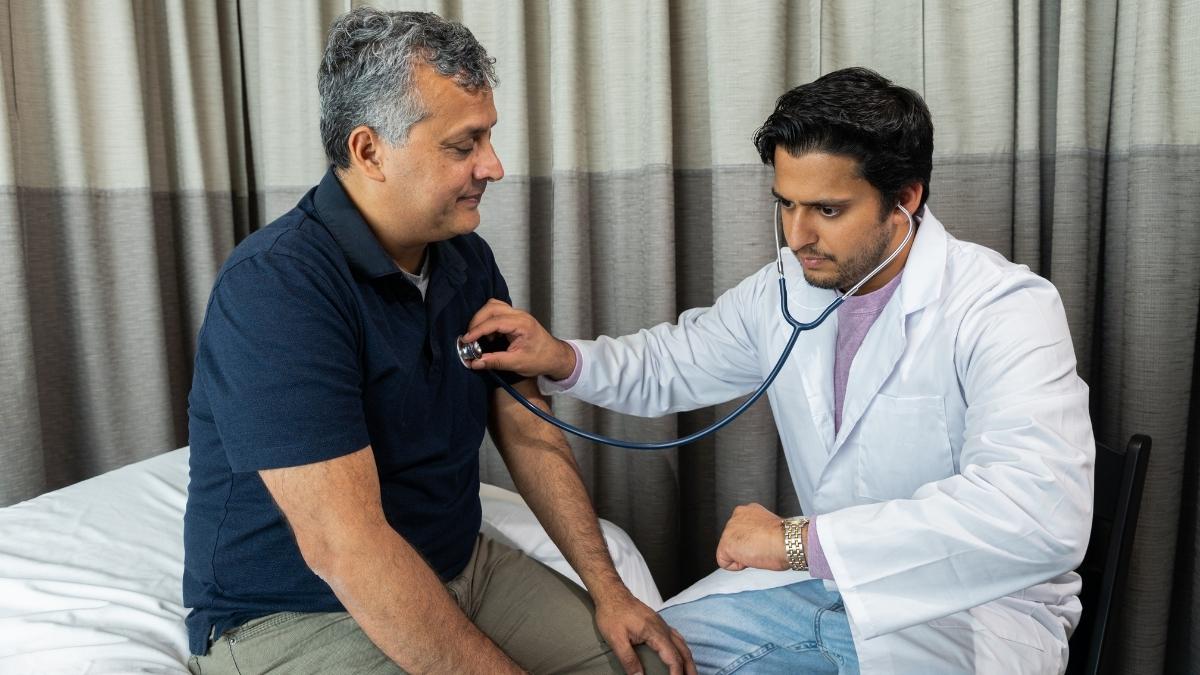
See your doctor every year for a full cardiac check-up. Don’t skip it. These preventive care elderly visits catch problems before they become emergencies. Your doctor needs to track specific numbers that predict heart attacks.
Get your blood pressure checked at every visit. Test your cholesterol levels annually—that includes LDL (bad cholesterol), HDL (good cholesterol), and triglycerides. Check your blood sugar and HbA1c to catch diabetes early. Monitor your kidney and liver function because these organs affect your heart. Get an ECG to check your heart’s electrical system.
Keep a record of all these numbers. Watch for trends over time during your heart health screening appointments. Bring your medication list to every appointment. Ask questions if you don’t understand something.
Learn the warning signs of a heart attack right now. Chest discomfort or pressure that lasts more than a few minutes. Shortness of breath. Nausea or lightheadedness. Pain spreading to your arm, back, jaw, neck, or stomach.
Women often have different symptoms—unusual fatigue, sleep problems, or indigestion. Don’t wait to see if symptoms pass. Call 911 immediately. Every minute counts when your heart is in danger.
Conclusion:
These 11 habits work together to protect your heart. Research proves you can cut cardiovascular disease prevention risk by over 80% through lifestyle changes alone. Start with one or two habits this week. Build gradually. Consistency beats perfection every time.
Schedule a doctor appointment to discuss heart health in seniors strategies. Share this heart attack prevention after 70 guide with family. Join local programs for support.
Your heart has served you for seven decades—these daily habits are how you serve it back.