This Popular Painkiller Speeds Up Aging And Shortens Telomeres (New Study Reveals)

You probably have a bottle of Tylenol in your medicine cabinet right now. Most people do. It feels safe. It’s sold everywhere. Doctors recommend it. Parents give it to their kids.
But in October 2024, researchers published a study that raises a serious question. What if the painkiller you trust most is quietly making your cells age faster?
A peer-reviewed study in the Journal of Applied Toxicology found that acetaminophen accelerated the aging process in older organisms. The mechanism involved is the same one that shortens telomeres — the tiny protective caps on your DNA that control how fast you age.
In this article, you will learn what the study actually found, what telomeres are and why they matter, how acetaminophen damages them through oxidative stress, and what science-backed alternatives exist right now in 2026. No fear-mongering.

Just facts you can use.
Point One: What the 2024 Study Actually Found About Acetaminophen and Aging

In October 2024, researchers from Guangxi Medical University and Fudan University in China published a study in the Journal of Applied Toxicology (PMID: 38840409).
They tested four common painkillers on C. elegans — tiny lab worms used in aging research because their biology closely mirrors ours. The four drugs tested were aspirin, ibuprofen, acetaminophen, and indomethacin.
Here is where it gets important. Aspirin and ibuprofen actually extended lifespan in the worms. They reduced harmful reactive oxygen species (ROS) and boosted antioxidant gene activity.
Acetaminophen did the opposite. It accelerated aging — but only in older worms. It triggered oxidative stress damage and weakened heat stress resistance through a pathway called pmk-1/skn-1. This pathway is the worm version of your body’s NRF2 antioxidant defense system.
When researchers knocked out the pmk-1 gene, the damaging effects disappeared. That confirmed this was not random toxicity. It was a specific biological disruption.
One important note: this study used worms, not humans. But the biological pathways involved are conserved across species, which makes the findings worth taking seriously.
Point Two: What Telomeres Are and Why Their Length Determines How Fast You Age
Think of your chromosomes like shoelaces. At the tip of every shoelace, there is a small plastic cap that keeps it from fraying. Telomeres are those caps — but for your DNA.

Every time a cell divides, your telomeres get a little shorter. When they get too short — around 4,000 base pairs — the cell stops dividing. It either goes dormant or dies. That process is called cellular senescence, and it is one of the main biological drivers of aging.
Shorter telomeres are linked to heart disease, type 2 diabetes, memory loss, reduced fertility, and early death.
Here is the feedback loop that makes this worse. When cells become senescent, they release inflammatory signals called SASP factors. Those signals suppress the enzyme telomerase, which is the only thing your body uses to repair telomeres. So aging accelerates faster and faster.
By 2050, over 2.1 billion people will be aged 60 or older. That is double the 2020 number. Protecting telomere length is not a niche health topic anymore. It is one of the most important things you can do for your long-term health.
Point Three: The Oxidative Stress Bridge — How Acetaminophen Reaches Your Telomeres

This is the connection that ties everything together. The 2024 study showed acetaminophen causes oxidative stress. Oxidative stress is what directly shortens telomeres. Here is how.
When your body has too many reactive oxygen species — unstable molecules that damage cells — your DNA takes the hit. Telomeres are especially vulnerable because of their G-rich DNA structure. They absorb more oxidative damage than any other part of your chromosomes.
A landmark 2002 paper by researcher Thomas von Zglinicki confirmed that oxidative stress accelerates telomere shortening in human cell cultures. Research published in Nature Communications later showed that chronic inflammation speeds aging through ROS-driven telomere dysfunction, with the NF-κB and COX-2 pathways playing a central role.
These are the exact same pathways that acetaminophen disrupts through the pmk-1/skn-1 mechanism found in the 2024 study.
To be fully honest: no large human trial has directly measured telomere shortening from acetaminophen use. But the chain of evidence — acetaminophen causes oxidative stress, oxidative stress shortens telomeres — is built on decades of published science.
Point Four: Acetaminophen Is the World’s Most-Used Painkiller — That’s Why This Matters
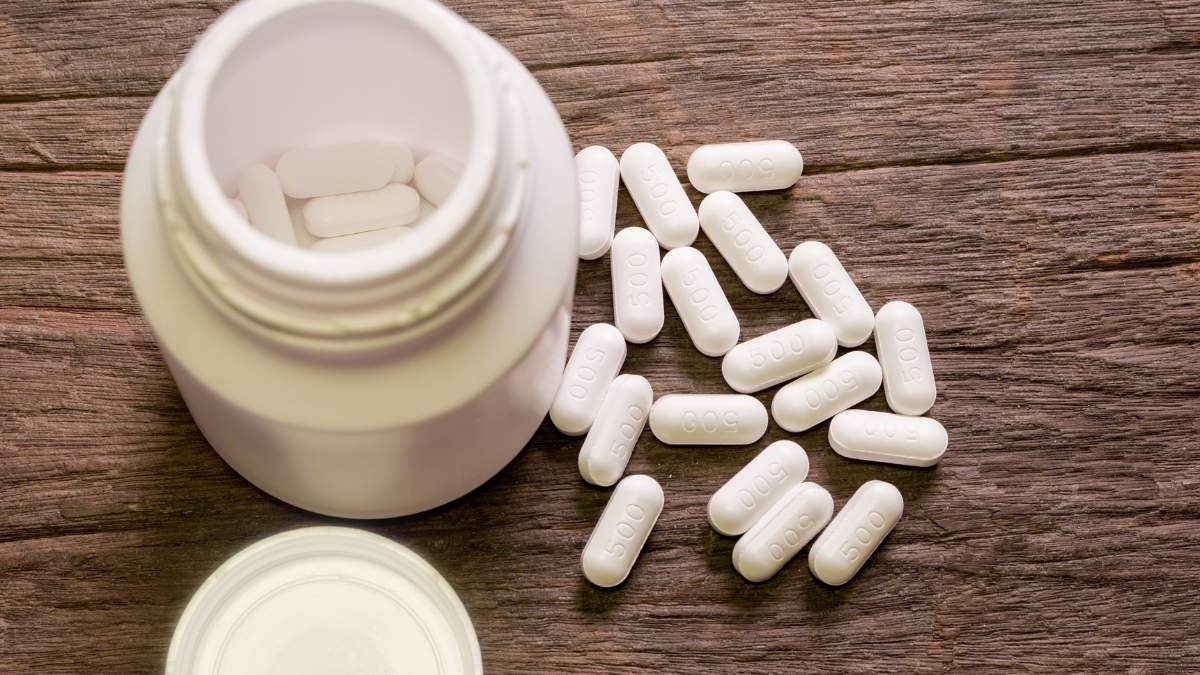
Acetaminophen is not just popular. It is the most searched painkiller on Google across 56 countries, searched twice as often as aspirin, according to a January 2025 infodemiological analysis of Google Trends data from 2004 to 2023.
The global paracetamol market was worth $10.8 billion in 2024. It is projected to reach $16.8 billion by 2034. That is a lot of people taking this drug every day.
Most people do not read labels carefully. Many are unknowingly getting acetaminophen from multiple products at once — cold medicines, sleep aids, and prescription pain combos all often contain it.
The FDA considers it safe at recommended doses. That is still true. But the 2024 study found the risk was specific to older individuals. And older individuals are exactly the demographic that takes acetaminophen most often — for arthritis, joint pain, and daily aches.
That is not a coincidence. That is a gap in the public conversation about this drug that needs to be filled.
Point Five: Who Is Most at Risk — Why Age Makes the Difference

The 2024 study is clear on one thing: young worms were not affected. Only older worms showed accelerated aging from acetaminophen. Age is the key variable.
Why does age matter so much? Because as you get older, your body’s antioxidant defense system — the NRF2/SKN-1 pathway — naturally gets weaker. It produces fewer protective enzymes. It handles oxidative stress less efficiently.
Acetaminophen directly disrupts this same pathway. So for an older person, it is not just adding stress to a healthy system. It is hitting a system that is already struggling.
Your telomeres are also naturally shortening faster as you age. Any extra source of oxidative stress compounds that shortening at a rate that matters more with every passing year.
A published review in Frontiers in Aging confirms that smoking, insomnia, and physical inactivity all accelerate telomere shortening. Based on the 2024 study’s findings, regular acetaminophen use in older adults may belong on that same list.
If you are over 50 and take acetaminophen regularly, this applies directly to you.
Point Six: What the Latest Research Reveals About Protecting Your Telomere Length

Here is the good news. You can slow telomere shortening. Some research suggests you can even reverse it.
A 2025 study published in Cell Reports Medicine found that a 6-month SGLT2 inhibitor intervention produced measurable telomere elongation in adults. That is the first solid human evidence that your biological age clock can be turned back — not just slowed.
A 2024 review in Frontiers in Aging confirmed that antioxidative and anti-inflammatory compounds can protect telomere length. Managing chronic inflammation is the most important factor.
Omega-3 fatty acids reduce oxidative stress and are linked to longer telomeres in human studies. Regular exercise increases shelterin protein expression — the proteins that guard your telomeres. Mediterranean diet patterns are consistently associated with longer telomeres and lower inflammatory markers.
Chronic stress raises cortisol and ROS production, both of which shorten telomeres. Stress management is not a soft lifestyle tip. It is a hard biological intervention.
You have real control over your cellular aging. These are not theories. They are published, replicable findings.
Point Seven: Evidence-Based Natural Pain Relief Alternatives That Won’t Age Your Cells
If you want to reduce your acetaminophen use, here is what the science actually supports in 2026.
Natural Pain Relief
Scientifically-supported alternatives targeting root-cause inflammation and pain signaling.
Curcumin
(Turmeric)
Suppresses NF-κB and reduces COX-2 activity, the same inflammatory enzymes involved in pain signaling.
Omega-3
(Fish Oil)
A study of 250 patients with disc disease found that 59% successfully replaced NSAIDs with fish oil.
Ginger
Acts as a natural COX-2 inhibitor. Clinical studies show ginger extracts provide pain relief comparable to ibuprofen for osteoarthritis.
Boswellia Serrata
A 2025 meta-analysis found it was the most effective supplement for knee osteoarthritis pain reduction. Active compound: AKBA.
Non-Drug Options
Heat therapy, cold therapy, acupuncture, and physical therapy all have strong clinical support. They address root causes rather than simply masking pain signals.
Point Eight: What You Should Actually Do Right Now — A Practical 2026 Action Plan

Here are seven clear steps you can take this week.
Step 1: Count how many products you take that contain acetaminophen. Cold medicine, sleep aids, and prescription combos often include it. You may be taking more than you think.
Step 2: Do not stop any prescribed medication without talking to your doctor first. This article is not medical advice. The 2024 study used worms, not humans.
Step 3: Ask your doctor whether omega-3s, curcumin, or physical therapy could work for your type of pain.
Step 4: Start an antioxidant-rich diet now. Add leafy greens, berries, and wild-caught fatty fish. These protect telomeres with zero side effects.
Step 5: Ask your doctor for a high-sensitivity CRP blood test. It measures systemic inflammation — the same driver the 2024 study flagged.
Step 6: Watch for human clinical trial data on this topic. The study authors explicitly called for further research in elderly populations.
Step 7: If you are over 50 and use acetaminophen regularly, bring this up at your next checkup. Ask about oxidative stress, not just pain.
Lastly,
The 2024 study showed acetaminophen accelerated aging through oxidative stress. That same stress is what shortens telomeres — your cellular age clock. Science-backed alternatives exist. Before you reach for that next Tylenol, ask your doctor whether your pain plan is also your anti-aging plan.