Osteoporosis is Not Inevitable: The 10-Minute Strength Workout That Builds Bone at Any Age
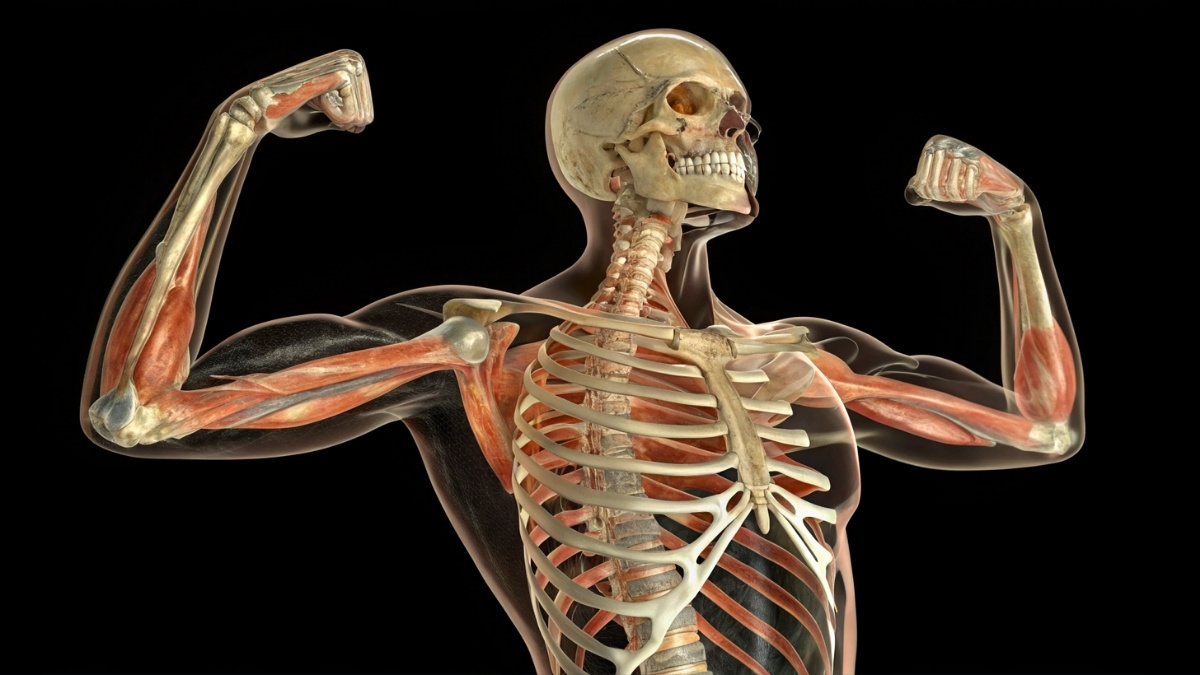
Your doctor’s osteoporosis diagnosis doesn’t have to mean a future of fractures, fear, and fragility—even if you’re 65, 75, or beyond.
You’ve been told bone loss is irreversible. That calcium supplements and medication are your only options. Maybe you’re scared to exercise because you think you’ll break something, or you’ve tried those hour-long programs and quit after a week because they were too hard.
Here’s the truth: a targeted strength workout for bone density can reverse bone loss at any age. Your bones respond to stress by getting stronger, even after menopause. Even in your 70s.
This article shows you five specific exercises to prevent osteoporosis that take just 10 minutes, three times weekly. You’ll learn how to build bone mass naturally with minimal equipment, how to modify every movement for safety, and when to expect real results on your next scan.
💪 Your Bone Building Journey at a Glance
Click each block to discover key insights about building stronger bones after menopause
- Proven by the Liftmor trial in Australia
- Works even after menopause
- Requires consistent strength training
- Results visible in 12-16 weeks
- Walking only creates 1-2x body weight
- Swimming provides insufficient force
- Strength training delivers required load
- Triggers osteoblast activation
- Hip fractures are most serious
- Spine compression causes height loss
- Wrist breaks from catching falls
- Target these areas with specific exercises
- Requires adequate vitamin D to absorb
- Food sources better than supplements
- 1 cup milk = 300mg calcium
- Greek yogurt adds protein bonus
- Light weights won’t trigger growth
- 8-10 reps is the sweet spot
- Not 30 reps with tiny weights
- Progressive overload is essential
- Monday, Wednesday, Friday schedule
- Or Tuesday, Thursday, Saturday
- Non-consecutive days for recovery
- Consistency beats intensity
Protects: Hips & Spine
Protects: Wrists & Arms
Protects: Spine & Shoulders
Protects: Hips & Spine
Protects: Shoulders & Wrists
Why Your Bones Can Still Get Stronger (Even After Menopause)
Yes, menopause speeds up bone loss. Estrogen drops, and your bones break down faster than they rebuild. But here’s the good news: the window to build bone mass naturally doesn’t close at 50, 60, or even 70. Your bones can still respond to the right kind of stress at any age.

Your bones work like your muscles. When you stress them, they respond by getting stronger. Scientists call this Wolff’s Law, but here’s what it means for you: your skeleton rebuilds itself based on the demands you place on it.
Studies show postmenopausal women can increase bone density 1-3% annually with proper strength training. The Liftmor trial in Australia proved this. Women with osteopenia did high-intensity resistance training twice weekly. Their bone density improved significantly.
But walking won’t cut it. Neither will swimming. Walking creates 1-2 times your body weight in force. Bone strengthening exercises for seniors need to create 4-5 times your body weight to trigger new bone growth. That’s where strength training comes in.

Your bones need mechanical load. When you lift weights or do resistance exercises, you compress your skeleton. This wakes up cells called osteoblasts—your bone builders. They get to work adding new bone tissue where you need it most.
The key is creating enough force to signal your bones that they need to adapt. That’s why a strength workout for bone density works when gentle exercise doesn’t.
But not all strength exercises are created equal. Your bones respond best to specific movement patterns that create the right kind of stress…
The 4 Essential Movement Patterns for Bone Building
80% of osteoporotic fractures happen at three places: your hip, spine, or wrist. These are the areas you need to protect. The good news? Four specific movement patterns load these exact sites and trigger bone growth.
Vertical compression exercises like squats and deadlifts are your foundation. When you stand up from a squat, you compress your hips and spine with multiple times your body weight. This is exactly what bones need to get stronger.
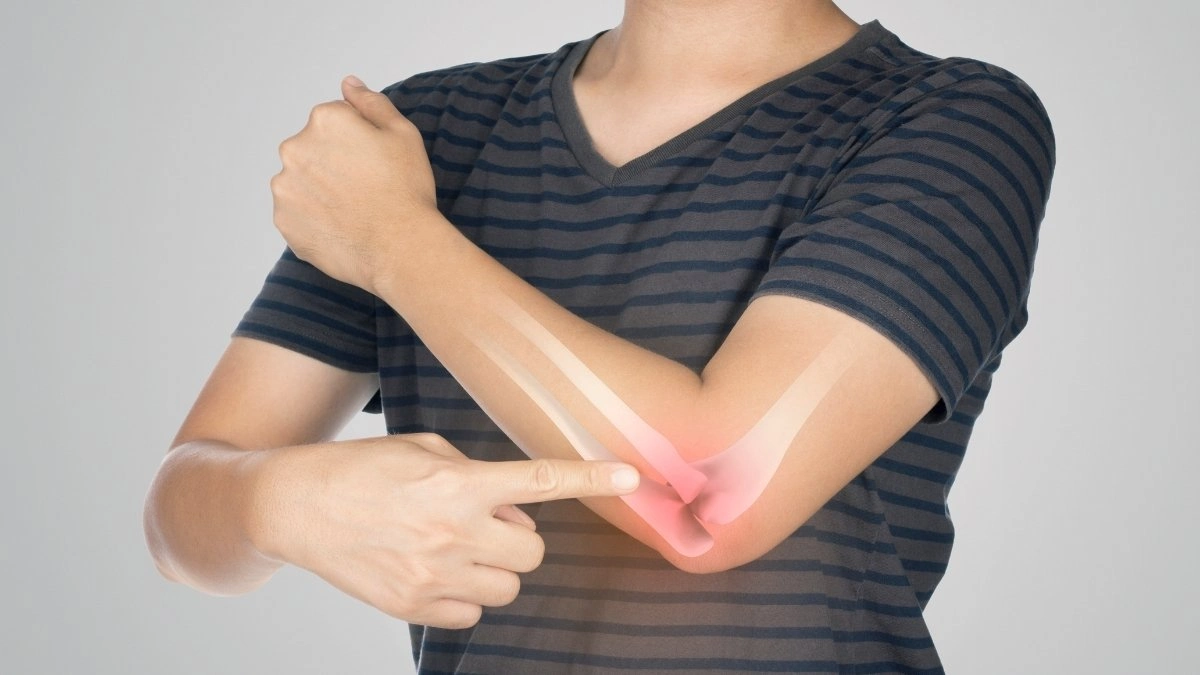
Pushing movements like push-ups or chest presses protect your wrists and upper body. Every time you push, you load your wrist bones and arm bones. Women who’ve broken a wrist know how life-changing this protection can be.
Pulling movements like rows target your spine and shoulders from a different angle. Your spine gets loaded when you pull weight toward your body. This builds the bones that support your posture.
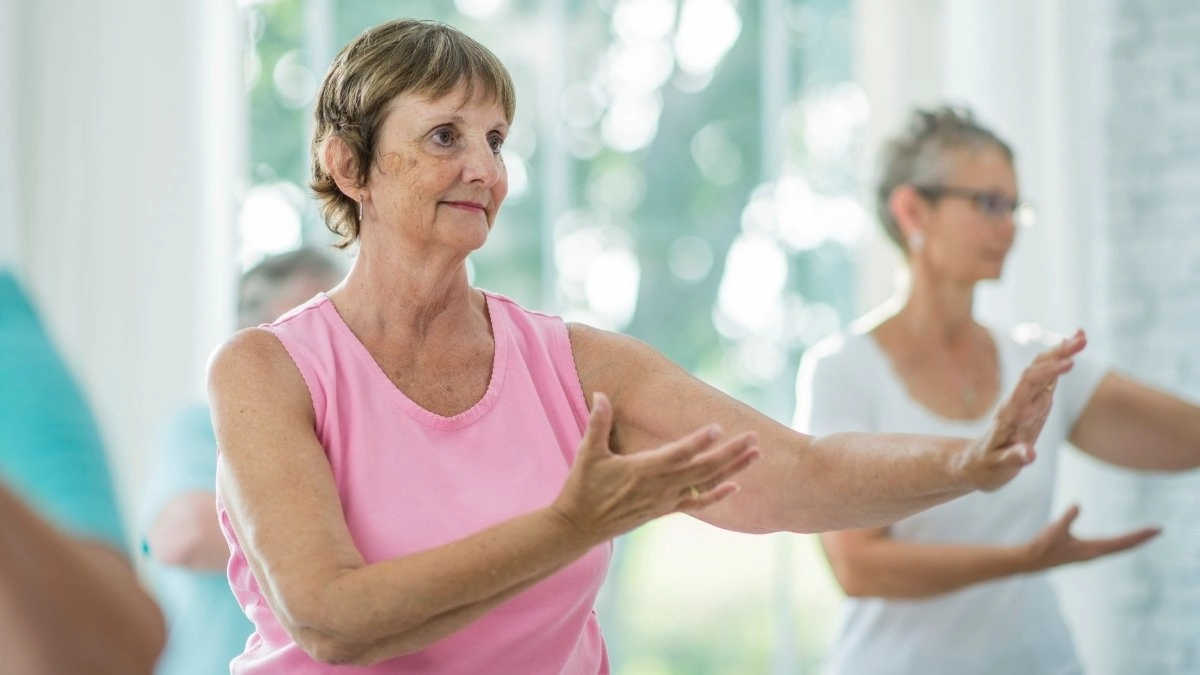
Here’s what most people miss: you need to work at 70-80% of your maximum effort. Just going through the motions won’t work. Your bones need real challenge. Light weights for 30 reps won’t trigger bone growth. Heavier weights for 8-10 reps will.
Your bones need 12-16 weeks to remodel and strengthen. This is why exercises to prevent osteoporosis require patience and progressive challenge.
Now let’s put these principles into action with a routine you can complete in just 10 minutes, three times per week…
Your 10-Minute Bone-Building Workout
This strength workout for bone density takes 10 minutes. You’ll do it three times per week on non-consecutive days. Monday, Wednesday, Friday works perfectly. So does Tuesday, Thursday, Saturday.
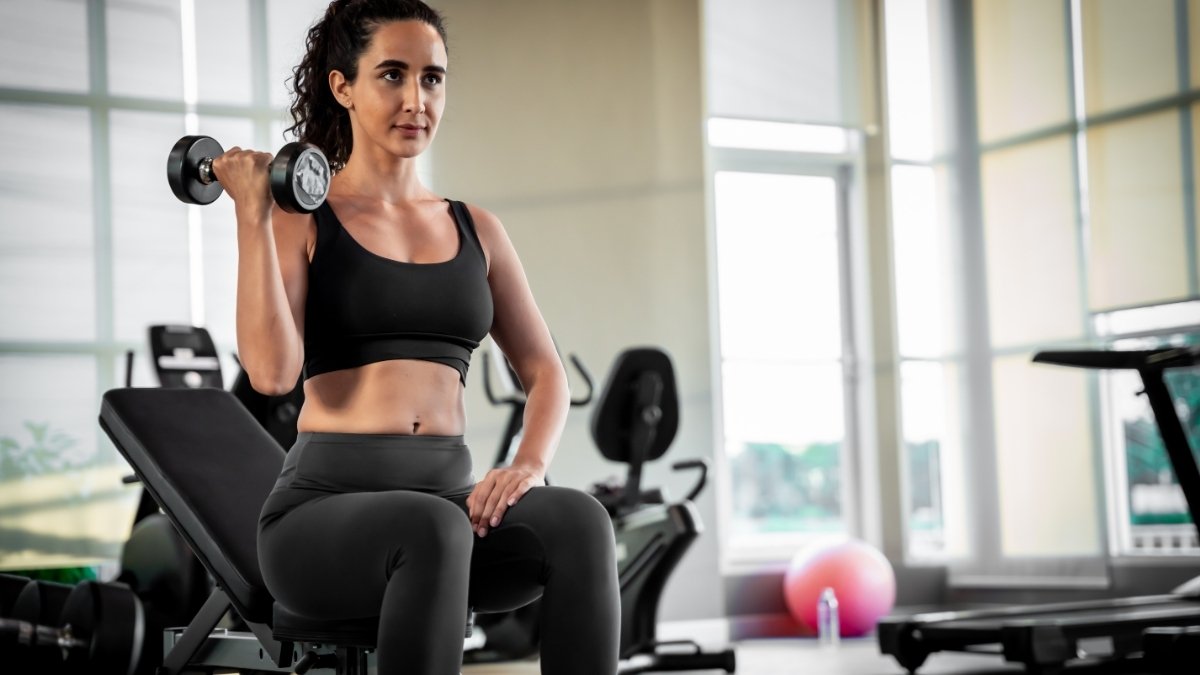
You need minimal equipment. A pair of dumbbells, resistance bands, or just your bodyweight to start. You don’t need a gym membership or fancy machines.
Safety first: proper form beats heavy weight every time. If something hurts (sharp pain, not muscle burn), stop and adjust. These exercises to prevent osteoporosis only work if you do them consistently without getting injured.
Exercise 1: Goblet Squats
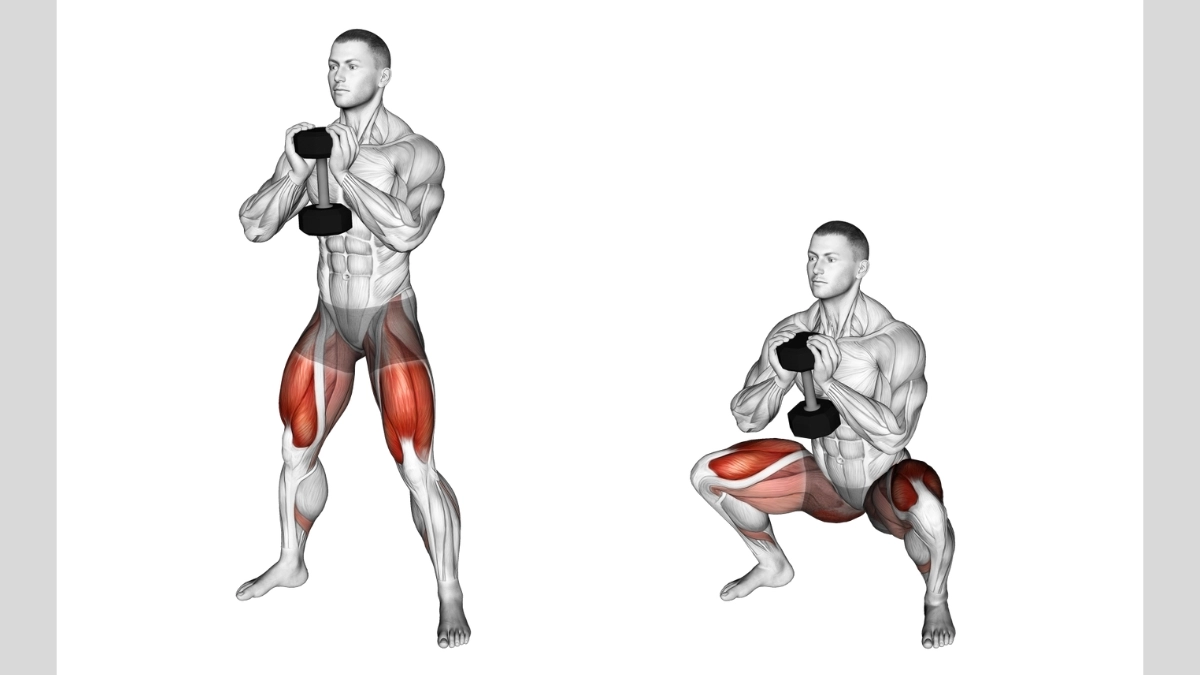
Hold a dumbbell at chest level like you’re holding a goblet. Squat down, stand back up. This single exercise loads your hips and spine—the two most critical areas for preventing fractures.
What it protects: Hips, spine, legs
How to do it right:
- Keep your chest up and proud
- Your knees should track over your toes, not cave inward
- Go as deep as comfortable, ideally thighs parallel to floor
- Take 2 seconds down, 1 second up
Do this: 3 sets of 8-10 reps, rest 30-60 seconds between sets
If you’re new to exercise: Start with chair squats. Sit down to a chair and stand back up. Once that’s easy, hold a light weight. No chair available? Try wall squats where you lean against a wall.
Exercise 2: Chest Press or Push-Ups
Push-ups are bone strengthening exercises for seniors that specifically protect your wrists. Every rep loads the bones in your wrists, arms, and chest. If you’ve ever worried about catching yourself in a fall, this is your insurance policy.
What it protects: Wrists, arms, chest, shoulders
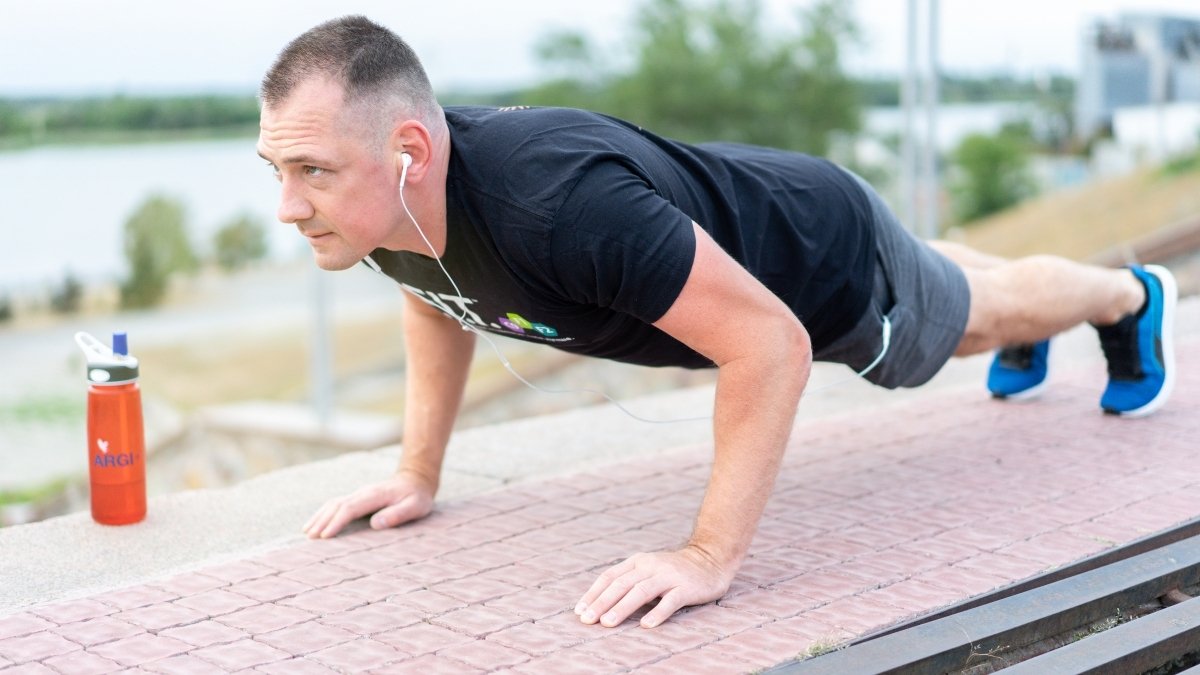
How to do it right:
- Lower yourself slowly with control (don’t just drop)
- Push all the way up to full arm extension
- Keep your body in a straight line (no sagging hips)
- Breathe out as you push up
Do this: 3 sets of 8-12 reps, rest 30-60 seconds between sets
If regular push-ups are too hard: Start with wall push-ups. Stand facing a wall, place hands on wall, do push-ups against the wall. Next level: incline push-ups with hands on a counter or sturdy table. Work your way down as you get stronger.
Exercise 3: Bent-Over Rows
This targets your spine from a different angle than squats. Your upper and middle back bones get loaded when you pull weight toward your body. Strong spine bones mean better posture and less fracture risk.
What it protects: Spine, shoulders, upper back
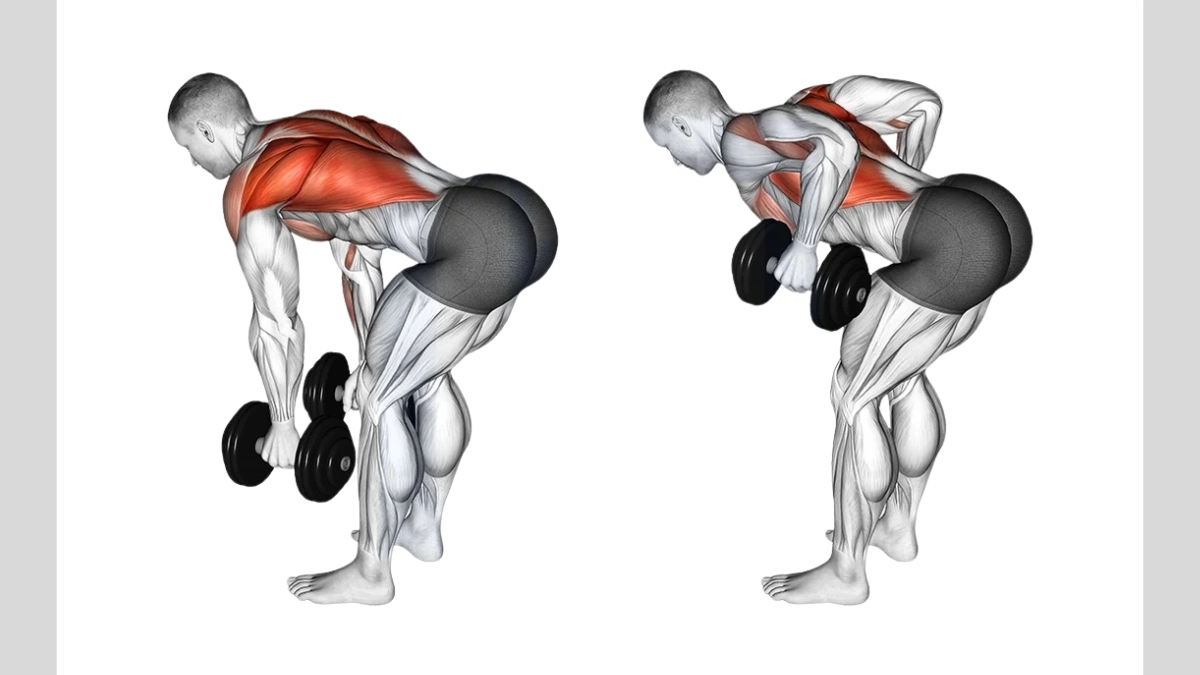
How to do it right:
- Hinge forward at your hips, keeping your back flat like a tabletop
- Pull the weight to your ribcage, not your neck
- Squeeze your shoulder blades together at the top
- Keep your neck neutral (don’t look up)
Do this: 3 sets of 10-12 reps per arm, rest 30-60 seconds between sets
If balance is tricky: Do seated rows instead. Sit in a chair with a resistance band wrapped around something sturdy in front of you. Pull the band toward your ribcage while seated.
Exercise 4: Romanian Deadlifts
This loads your hips and spine with serious force—exactly what you need to build bone mass naturally. It mimics picking something up off the floor, a movement you do daily but rarely with enough weight to trigger bone growth.
What it protects: Hips, spine, hamstrings, glutes

How to do it right:
- Hold dumbbells in front of your thighs
- Push your hips back like you’re closing a car door with your butt
- Keep a slight bend in your knees
- Feel the stretch in your hamstrings
- Stand back up by squeezing your glutes
Do this: 3 sets of 8-10 reps, rest 30-60 seconds between sets
If this feels awkward: Practice the hip hinge with a dowel rod against your back. You should feel it touch your head, upper back, and tailbone throughout the movement. Once you master the pattern, add light weight.
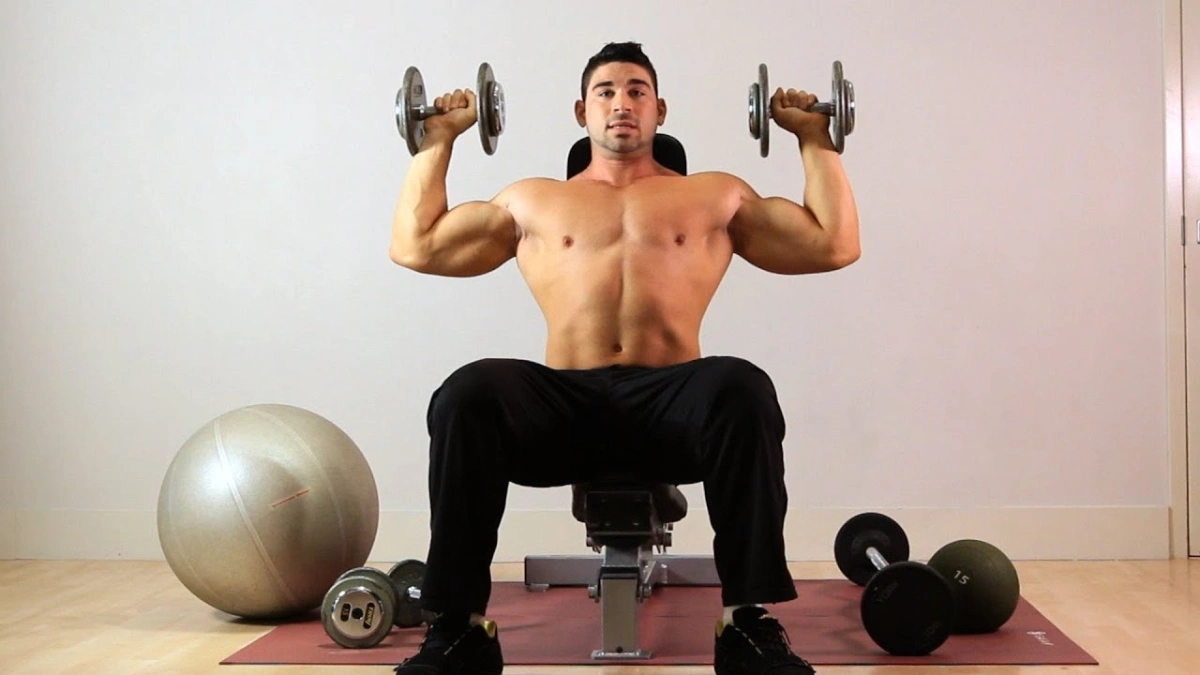
Exercise 5: Standing Overhead Press
This final exercise loads your shoulders and spine while you’re standing. It also gives your wrists another round of bone-building stress. Your spine has to work hard to stay stable while you press weight overhead.
What it protects: Shoulders, spine, wrists
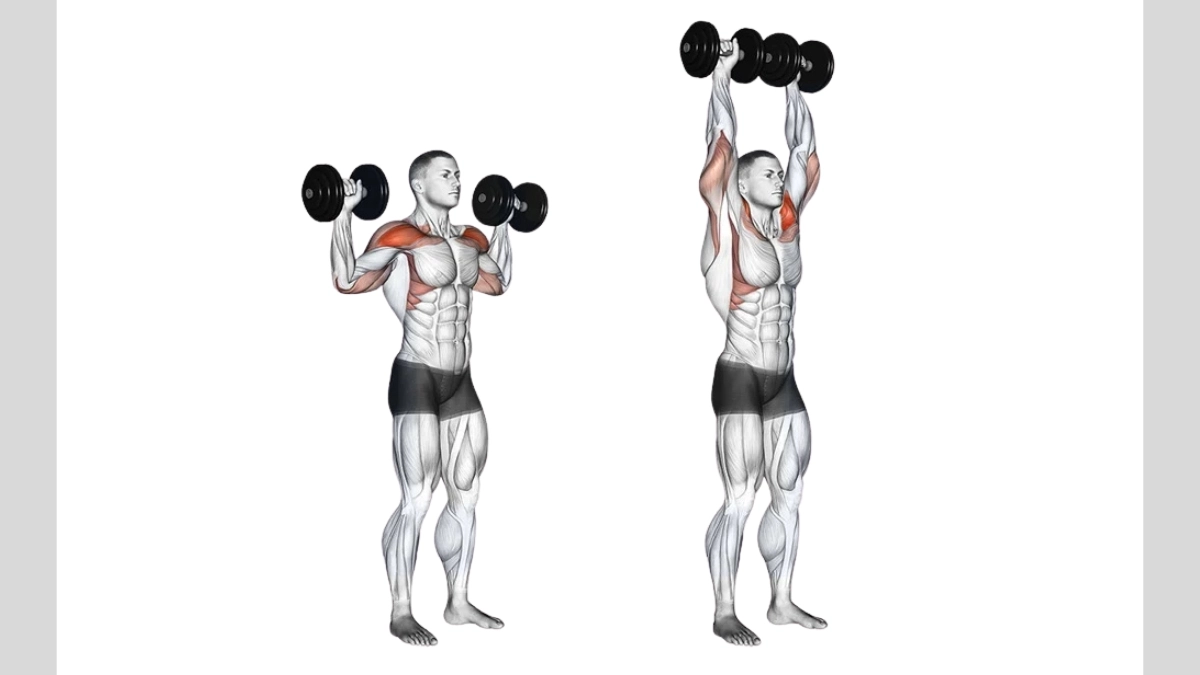
How to do it right:
- Start with weights at shoulder height
- Press straight up overhead until arms are fully extended
- Keep your core tight (don’t arch your back)
- Lower with control back to shoulders
Do this: 3 sets of 8-10 reps, rest 30-60 seconds between sets
If standing is unstable: Do seated overhead presses in a sturdy chair. This removes the balance challenge while still loading your bones. You can also use resistance bands if dumbbells feel too heavy.
Your complete workout takes exactly 10 minutes. Two minutes per exercise with built-in rest periods. That’s it. Three times per week gives you 30 minutes of bone-building exercise weekly.
Consistency matters more than perfection. Here’s how to progress safely and know you’re on the right track…
The Nutrition Foundation Your Bones Need
Your workouts signal your bones to rebuild. But without the right nutrients, it’s like hiring a construction crew without giving them materials. You need protein, calcium, vitamin D, and a few other key players to build bone mass naturally.
Protein is your foundation. Aim for 1.0-1.2 grams per kilogram of body weight daily. For a 150-pound woman, that’s about 70-80 grams of protein per day. Protein creates the framework that calcium mineralizes. Without enough protein, your bones stay weak even if you take calcium supplements.
Calcium and vitamin D work as a team. Women over 50 need 1,200mg of calcium daily. Men need 1,000mg. But here’s the catch: your body can’t absorb calcium without vitamin D. Your vitamin D levels should be between 30-50 ng/mL for optimal bone health. Get your levels tested. Most people are deficient.
Food sources beat supplements every time. One cup of milk gives you 300mg of calcium. Greek yogurt delivers 200mg plus 20 grams of protein. Sardines with bones give you both calcium and vitamin D. Fortified plant milks work too if you’re dairy-free.
Vitamin K2 is the nutrient nobody talks about. It directs calcium into your bones instead of your arteries. You find it in fermented foods like natto, aged cheeses, and egg yolks. Most people don’t get enough.

Magnesium matters too. It helps convert vitamin D into its active form. You need about 320mg daily. Almonds, spinach, and black beans are good sources. Zinc, boron, and vitamin C play supporting roles.
What to limit: Too much sodium pulls calcium out through your urine. More than 2,300mg sodium daily is risky. Excessive caffeine (more than 4 cups of coffee) does the same. Alcohol interferes with calcium absorption and bone formation. Keep it to one drink daily or less.
Sample day of bone-building nutrition:
- Breakfast: Greek yogurt with berries and almonds (300mg calcium, 20g protein)
- Lunch: Sardine salad with spinach and cheese (400mg calcium, 30g protein)
- Dinner: Salmon with broccoli and quinoa (200mg calcium, 35g protein)
- Snacks: Hard-boiled eggs, handful of almonds (100mg calcium, 15g protein)
This hits 1,000mg calcium and 100g protein. Add a vitamin D supplement if you live in a northern climate or don’t get sun exposure.
Knowing the science is one thing, but staying consistent is where most people struggle. Here’s how to make this routine stick…
Making It Stick: Your 90-Day Bone Health Action Plan
You have the workout. You know the nutrition. Now here’s the hard part: doing it when you don’t feel like it. The difference between knowing what to do and actually doing it comes down to systems, not motivation.
Attach your workout to something you already do every day. This is called habit stacking. Right after your morning coffee? After you brush your teeth? Before you check email? Pick a trigger that happens daily and do your 10-minute workout immediately after. Your brain will start linking the two actions automatically.

Use a calendar you see every day. Mark an X for each completed workout. Don’t break the chain. Seeing those X’s builds momentum. Missing one feels wrong once you have a streak going.
Get an accountability partner. You’re 65% more likely to stick with exercises to prevent osteoporosis when someone expects you to show up. Text a friend after each workout. Join an online group. Tell your spouse your schedule. External accountability works when internal motivation fails.
Be realistic about the timeline. You won’t feel different tomorrow. Most people see measurable bone density improvements within 6-12 months. Your bones remodel slowly. The changes happen at a cellular level long before your next DEXA scan shows the numbers.
Here’s what’s normal: Missing one workout per week won’t derail your progress, but missing two or more will. Life happens. You get sick. You travel. That’s fine. Just don’t let one missed workout turn into a week off.
Common barriers and solutions:
“I don’t have time.” Can you replace 10 minutes of phone scrolling? Wake up 10 minutes earlier? Do it during lunch? Time exists. It’s about priority.
“I’m too tired.” These bone strengthening exercises for seniors actually boost energy. Do it anyway for two weeks. You’ll feel more energetic, not less.
“I don’t have equipment.” Start with bodyweight versions. A set of resistance bands costs $15. Two dumbbells cost $30. You don’t need a gym.
“I’m sore and need a break.” Soreness is normal for the first week or two. It means your muscles are adapting. Sharp pain means stop. Muscle soreness means keep going.
Your 90-day weekly checklist:
Week 1-4 (Foundation Phase):
- ☐ Monday: 10-minute workout
- ☐ Wednesday: 10-minute workout
- ☐ Friday: 10-minute workout
- ☐ Daily: Hit protein target (70-100g)
- ☐ Daily: Get calcium from food or supplements (1,000-1,200mg)
- ☐ Track: Which exercises feel hardest? Note them.
Week 5-8 (Progression Phase):
- ☐ Monday: 10-minute workout (add 5-10% weight)
- ☐ Wednesday: 10-minute workout
- ☐ Friday: 10-minute workout (add 5-10% weight)
- ☐ Daily: Nutrition targets
- ☐ Track: Can you do more reps? Write it down.
Week 9-12 (Momentum Phase):
- ☐ Monday: 10-minute workout (increase weight again)
- ☐ Wednesday: 10-minute workout
- ☐ Friday: 10-minute workout (increase weight again)
- ☐ Daily: Nutrition targets
- ☐ Track: How do daily activities feel easier?
Beyond 90 days, this becomes your lifestyle. You don’t stop brushing your teeth after three months. You don’t stop these workouts either. Your bones need consistent stimulus to stay strong. Think of this as permanent, not a program with an end date.
Schedule your next DEXA scan for 12 months from now. That’s when you’ll see the proof in numbers. But you’ll feel the difference sooner. Carrying groceries gets easier. Your posture improves. You feel steadier on your feet.
You now have everything you need to take control of your bone health. The question isn’t whether your bones can get stronger—it’s whether you’ll take the first step…
Final Thoughts:
Your bones remodel at any age when you give them the right stimulus. It doesn’t matter if you’re 55 or 85. The science is clear: bones respond to mechanical load by getting stronger.
This 10-minute workout hits all four essential movement patterns your bones need. Squats for your hips. Push-ups for your wrists. Rows for your spine. Deadlifts and overhead presses for complete protection. These aren’t random exercises—they’re specifically chosen to load the exact sites where 80% of fractures happen.

Consistency over 6-12 months yields measurable results. You won’t see changes overnight. But stick with three workouts per week, progressively add weight, and eat enough protein and calcium. Your next DEXA scan will show the proof.
Nutrition and progressive overload work together. Your workouts signal your bones to rebuild. Your food provides the materials. Skip either one and you won’t get the results you want.
Starting today is better than starting “someday.” Someday never comes. Today is here right now.

Schedule your first 10-minute session for tomorrow morning. Mark it in your calendar right now. Don’t wait for your next DEXA scan to take action—every workout is an investment in your future independence, confidence, and quality of life. Your 80-year-old self will thank you for starting today.
This strength workout for bone density isn’t about becoming an athlete—it’s about staying strong, capable, and fracture-free for decades to come.