

Not exactly, and the difference matters. The International Food Guide Pyramid is a scientific proposal published in the journal Advances in Nutrition in 2026, led by Karen Della Corte of Brigham Young University with the International Carbohydrate Quality Consortium.
It comes from a research team, not a government agency, so no official guide was replaced. The pyramid most seniors remember dates to 1992, and it was already retired for MyPyramid in 2005 and for MyPlate in 2011.
What is solid: Della Corte and 22 other nutrition scientists, 23 in all, compared guidelines from seven countries and regions, including Canada, Germany and China. They also reviewed more than 250 publications and found broad agreement on three principles: plant foods first, healthier fats and proteins, and better quality carbohydrates.
What is limited: the pyramid is a synthesis of existing evidence, not a new trial that tested it on people. It was also published recently, so it has not had years of real world testing.
What is unknown: how well it fits adults over 65, because its principles were written for adults in general. The rules below fill that gap with senior specific research.
Two Pyramids, Side by Side
The U.S. government released its own inverted pyramid in January 2026, and it disagrees with the international version on several foods. Here is where they split.
2026 Dietary Pyramids: U.S. vs. International
Side-by-side comparison of macronutrient priorities, fat sources, dairy guidelines, and carbohydrate standards.
Protein, dairy, healthy fats, produce
Plant foods
Included as a protein food
Eat sparingly
Olive oil, with butter and tallow as options
Olive or canola over butter and tallow
Full fat encouraged
Yogurt favored
Narrow base, 2 to 4 servings
Fiber rich, low to moderate glycemic index
Minimize
Minimize, especially sugary drinks
Where the guides disagree, the rules below say so plainly and point you to the safer default for an older body.
The 7 Rules Seniors Can Use Right Now
Each rule pairs pyramid advice with what research says about aging bodies. The U.S. guidelines add a useful reminder: some older adults need fewer calories but still need the same or more of key nutrients such as protein and calcium.
1. Start every meal with plants
The international guide makes plant foods the foundation of every plate, and fiber is the reason this matters as you age. It slows how fast carbohydrates reach your blood and keeps digestion moving.

A 2019 Lancet meta analysis of 185 prospective studies and 58 clinical trials linked higher fiber and whole grain intake to lower rates of heart disease, type 2 diabetes and early death. Fill half of your lunch and dinner plates with vegetables, beans or fruit, and add fiber gradually while you drink more water.
2. Spread protein across all three meals
Muscle becomes less responsive to protein with age, so older adults need more at each meal to trigger the same repair. In 2013, the PROT AGE expert group set the target at 25 to 30 grams of protein per meal for healthy adults over 65.
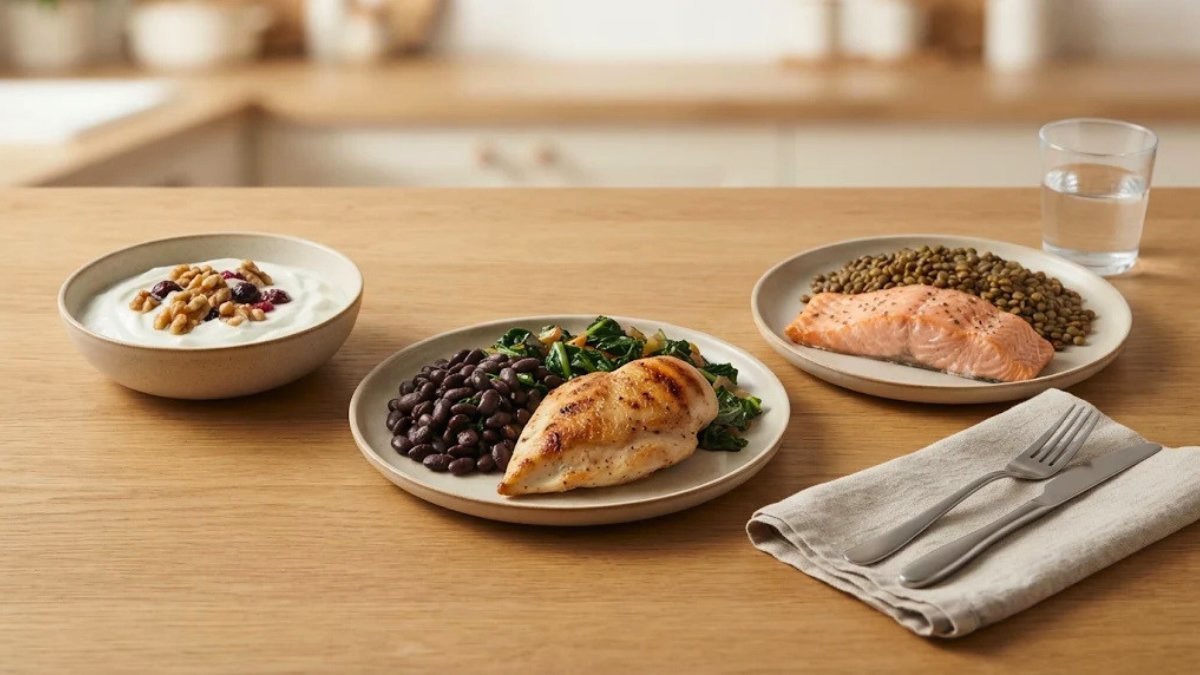
The January U.S. guidelines go higher, at 1.2 to 1.6 grams per kilogram of body weight a day, though FactCheck.org noted that many Americans already come near the low end. A palm sized portion of fish or poultry with yogurt or beans on the side moves you toward the per meal target.
Protein needs vary. People with severe kidney disease are often told to limit protein, so check with your doctor before raising your intake.
3. Swap red and processed meat for beans, fish and poultry
The international pyramid says to choose beans, fish or poultry more often than red and processed meat. Beans bring fiber along with their protein, and fish brings omega 3 fats, so the swap upgrades the whole plate.
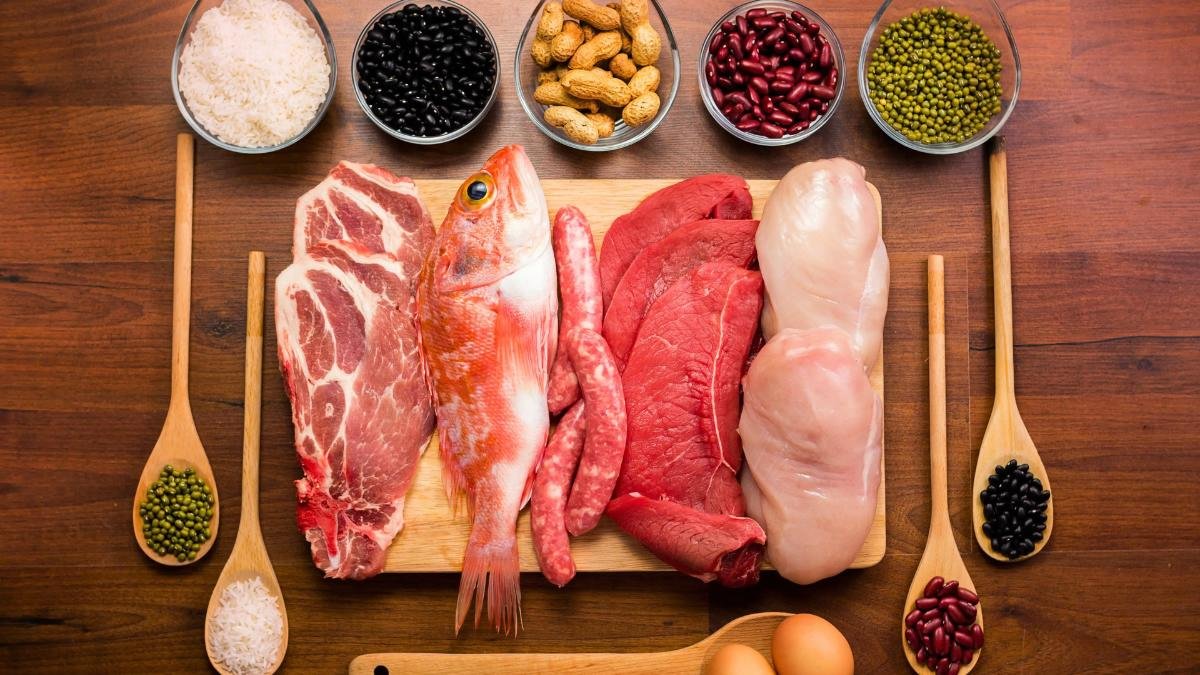
Clinicians writing about the U.S. guidelines suggest tailoring the plant and animal balance to your own heart risk. Swap one red or processed meat meal this week for beans, fish or chicken and see how it fits.
4. Cook with olive or canola oil instead of butter or tallow
Cooking fat is one of the clearest splits between the two pyramids. Lead author Karen Della Corte says replacing saturated fat with unsaturated fat from plant oils can improve long term heart health.
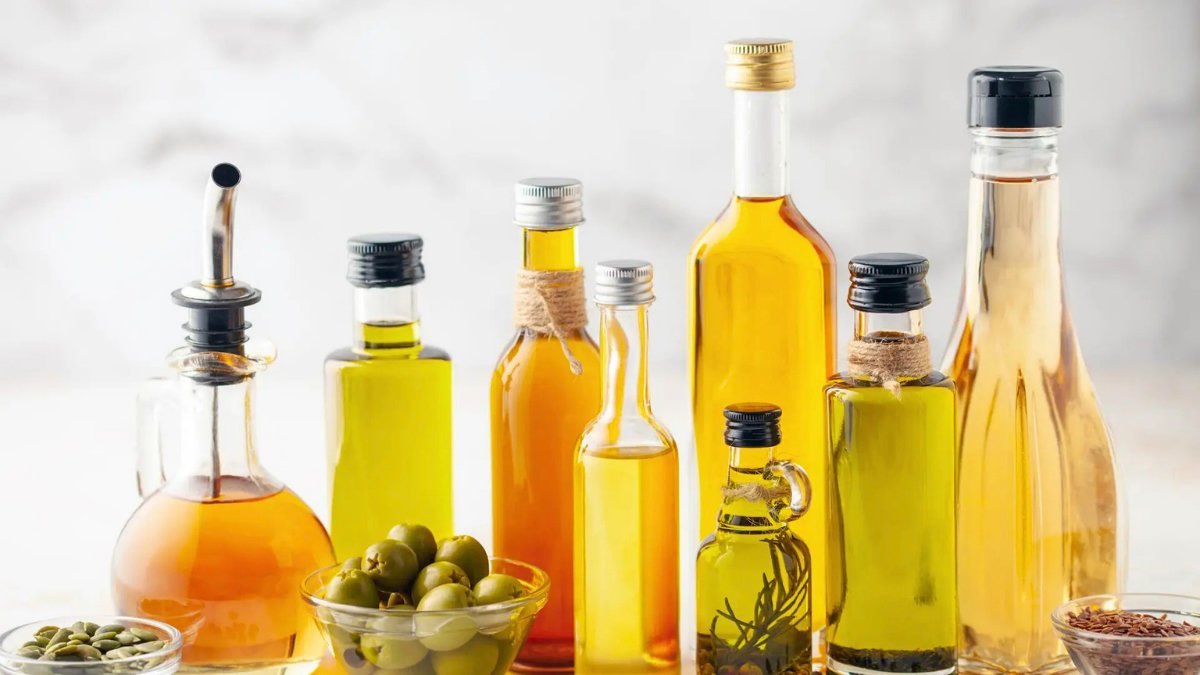
Heart disease remains a leading cause of death for older adults, so a lower saturated fat default is the cautious choice unless your doctor says otherwise. Use olive oil for most cooking, use canola when you want a neutral flavor, and keep butter for small touches.
5. Upgrade your carbs and drop sugary drinks
The international guide’s third principle is carbohydrate quality, and Della Corte says not all carbohydrates are created equal. Quality depends on fiber, processing and how quickly a food raises your blood sugar.
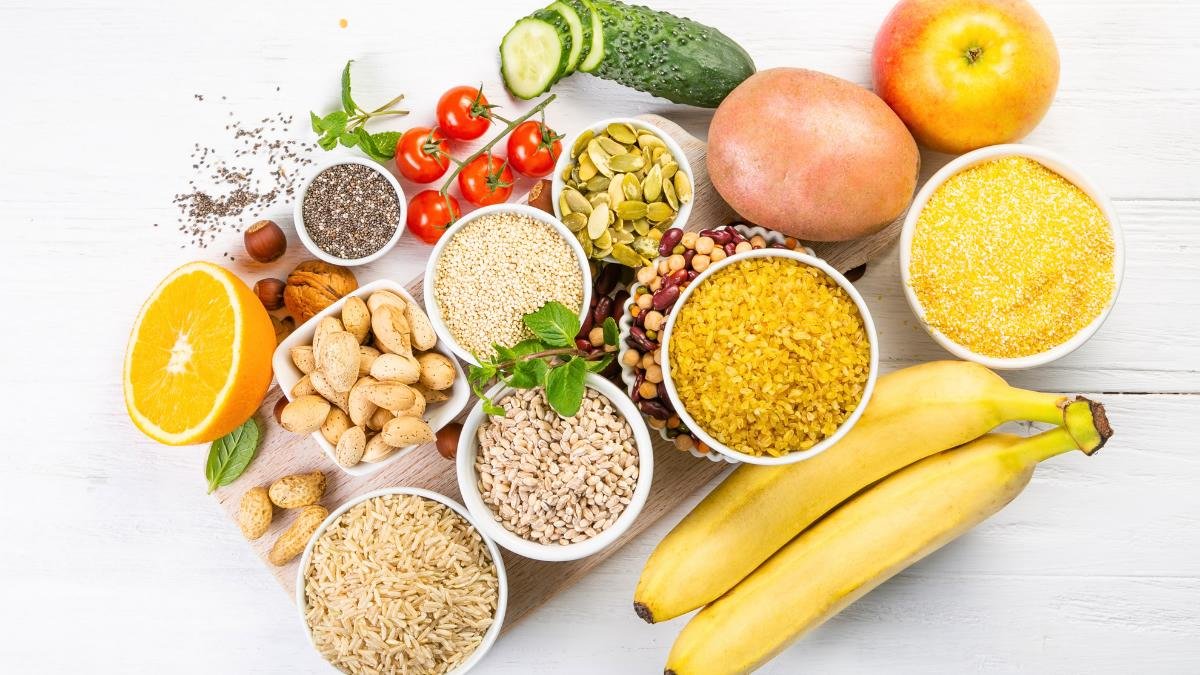
The Lancet data were strongest for fiber and whole grains, so oats, beans or whole grain bread are safe first choices. Both pyramids say to cut added sugar, and the international guide singles out sugary drinks, so make water, tea or sparkling water your default.
6. Protect the nutrients that get harder to absorb after 50
Aging changes absorption. The NIH Office of Dietary Supplements says many older adults lack enough stomach acid to free vitamin B12 from food, so people over 50 should get most of it from fortified foods or supplements.

Skin also makes less vitamin D from sunlight with age, and calcium absorption becomes less efficient. Metformin and acid reducing medicines can lower B12 further, so ask your doctor about a blood test before buying supplements.
7. Drink on a schedule, because thirst fades
Thirst fades with age, so by the time you feel thirsty you may already be behind on fluids. Research on aging and hydration shows that older adults report less thirst than younger adults even when their bodies show a similar need for fluid.

A Cleveland Clinic geriatrician advises older adults to drink through the day and aim for at least 48 ounces, which is six 8 ounce glasses, and more if you are active. Tie fluids to routines such as a glass on waking and one with each meal, and follow your own doctor’s number if you have fluid limits for heart or kidney disease.
Which Pyramid Should a Senior Trust?
Neither pyramid was built for seniors, which is why your own health picture should break any tie. Critics of the U.S. pyramid say its graphic does not match its own written advice, and that beans and lentils are hard to spot on it.
Supporters say it corrects years of underemphasized protein, which matters for older adults. Federal officials describe the January update as a reset that puts real food at the center of health.

A Brown University public health professor has noted that the 2025 scientific advisory report was reworked before release into a pyramid that looks quite different. The international pyramid, meanwhile, leans plant forward, so seniors who eat little animal food need extra care with B12.
If you live with a chronic condition such as heart disease or diabetes, your doctor’s advice outweighs any pyramid.
What the U.S. Guidelines Say About Older Adults
The U.S. guidelines include a short note for older adults. It says many need fewer calories but still need adequate amounts of nutrients such as protein, B12 and calcium.
They point older adults toward nutrient dense foods:
- Animal foods such as dairy, seafood and eggs
- Plant foods such as beans, vegetables and whole grains
Dietitians reading the guidelines also point out that many older adults struggle to get enough calories. Unplanned weight loss is a warning sign worth taking seriously, not a goal.
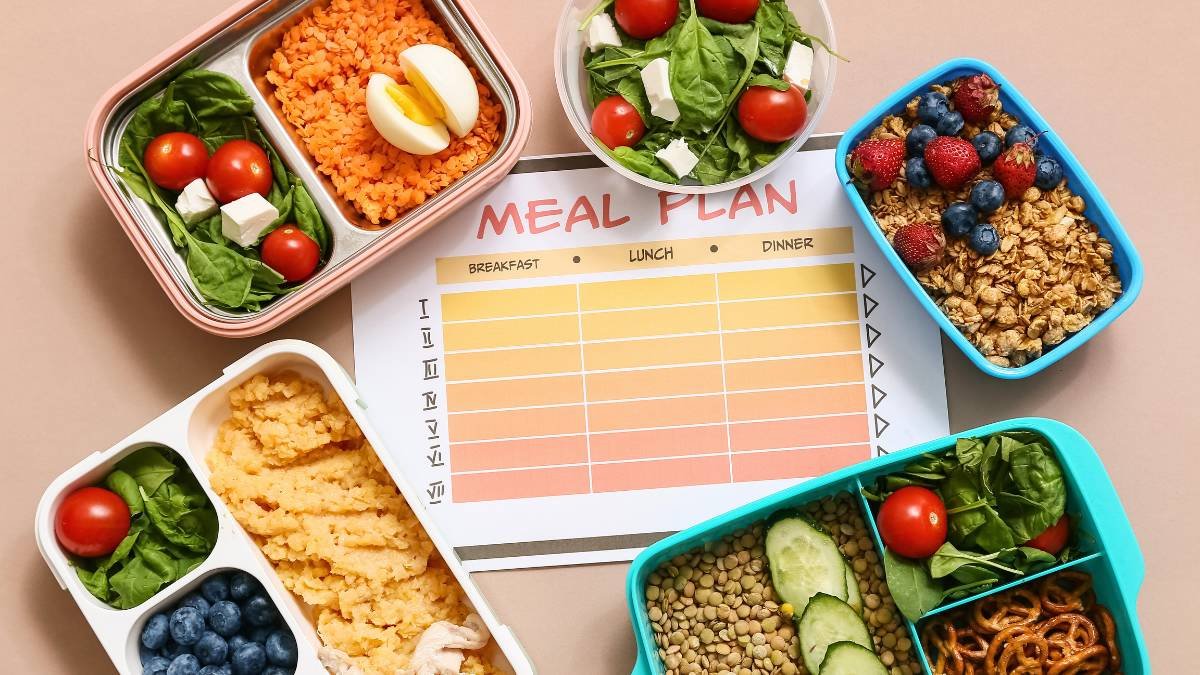
What One Day on These Rules Looks Like
This sample day is an illustration, not a prescription, so adjust portions with your doctor or dietitian.
- Breakfast: plain yogurt with oats and berries, plus tea.
- Lunch: lentil soup with a boiled egg and whole grain bread.
- Snack: an apple with almonds.
- Dinner: baked salmon with roasted vegetables in olive oil and brown rice.
- All day: water with each meal.
Two Questions Seniors Ask Next

Do I have to give up meat?
No. The authors say meat does not need to be eliminated, but it should not be the biggest part of a meal. Try making vegetables and beans the largest part of your plate, with fish or poultry as a smaller part.
What if I eat little or no animal food?
The authors say the pyramid can be adapted for vegetarian and vegan eating. Vitamin B12 is the catch, because only animal foods contain it naturally.
Plant eaters need fortified foods or a supplement, and a doctor can test your B12 level.
Eating Well on a Fixed Income
Healthy eating costs money, and the pyramid’s authors know it. Study author Anette Buyken of Paderborn University says that knowing what is healthy is not enough when the choices are difficult or expensive.
Beans, oats and frozen vegetables keep well and fit most of the rules above. Ask your pharmacist or dietitian about low cost ways to cover B12, vitamin D and calcium.
The Nutrient Cheat Sheet for Seniors
These are general targets for healthy adults 71 and older, based on NIH fact sheets and the PROT AGE group.
Essential Nutrients for Adults 71 & Older
Daily intake benchmarks and practical dietary sources to preserve muscle mass, bone density, and neurological health.
1.0 to 1.2 g per kg body weight
2.4 mcg
800 IU (20 mcg)
1,200 mg
If you are 51 to 70, the vitamin D target is 600 IU, and calcium is 1,200 mg for women or 1,000 mg for men. Calcium absorbs best in doses of 500 mg or less at a time, so split any supplement across the day.
Try This Today
- Add a protein food to breakfast, such as eggs, plain yogurt or beans.
- Fill a glass of water before you leave the kitchen, then another with lunch and dinner.
- Cook tonight’s dinner in olive oil instead of butter.
- Check your cereal label for added B12 and vitamin D.
- Swap one sugary drink for water, tea or sparkling water.
When to Call Your Doctor
- Unplanned weight loss or a steady loss of appetite.
- Numbness or tingling in your hands or feet.
- New confusion, dizziness or balance trouble.
- Trouble chewing or swallowing that limits what you eat.
Your Plan for This Week,
No pyramid, new or old, fits every body, but these 7 rules give you a solid starting point. Put plants and protein on every plate, cook with plant oils, and choose better carbs. Then protect your key nutrients and drink on a schedule.
Pick two rules to start this week, then add the rest as they become habits. Your doctor or a registered dietitian can fit the details to your health, medications and budget.
This article is for informational purposes only and is not a substitute for professional medical advice, diagnosis, or treatment. Always consult your doctor or a qualified healthcare provider before making changes to your diet, exercise routine, or medications, especially if you have an existing health condition.