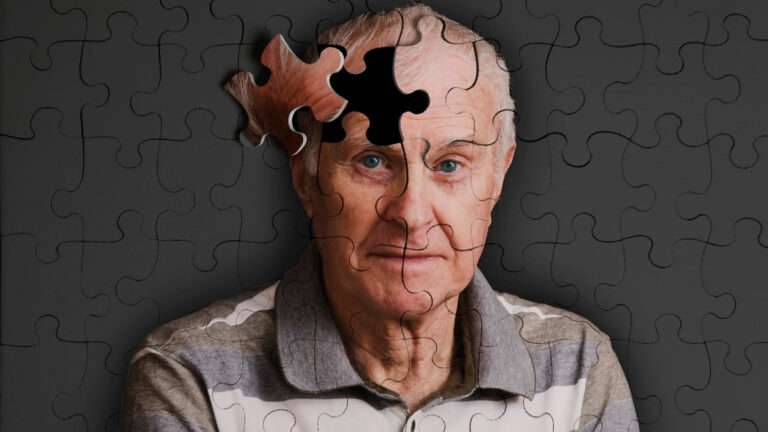
Neuroscientists Reveal the Most Brain-Damaging Mistake People Make at Night (Fix It)

MIT neuroscientists discovered in 2025 that sleep deprivation leads to impairments of attention and other cognitive functions, with brain changes visible after just one sleepless night.
You sleep 7-8 hours but still wake up foggy. Your memory fails you at work. You can’t focus like you used to. Here’s the truth: it’s not about how long you sleep—it’s what you’re doing before bed that’s causing sleep deprivation brain damage.
This neuroscience research reveals one nighttime mistake that speeds up cognitive decline faster than anything else. Your brain health is at risk right now, and you probably don’t even know it.
You’ll learn exactly which habit is aging your brain by years. More important, you’ll get science-backed fixes that work tonight. Small changes to your evening routine can reverse the damage and protect your brain for decades.
The Biggest Brain-Damaging Mistake: Irregular Sleep-Wake Patterns
Your brain has a clock. When you mess with it, bad things happen.
A 2025 study from Karolinska Institutet found that poor sleep speeds up brain aging and raises your dementia risk. The UCSF research team discovered something worse: if you sleep poorly in your 30s and 40s, your brain starts shrinking faster. This brain atrophy shows up decades before you notice memory problems.
Here’s the scary part. Going to bed at different times each night stops your brain from cleaning itself. Think of it like skipping garbage day—the trash piles up. Your brain can’t flush out toxic proteins that cause Alzheimer’s.
The UK Biobank tracked 88,094 people and found clear proof. Irregular sleep leads to high blood pressure and diabetes. Both speed up cognitive decline. Your brain age gap can hit 2.6 years. That means a 40-year-old brain looking like it’s 42.
Sleep quality beats sleep quantity every time. Eight messy hours hurt more than six consistent ones.
Your circadian rhythm disruption starts a chain reaction you can’t see—until it’s too late.
How Your Brain’s Cleaning System Breaks Down at Night
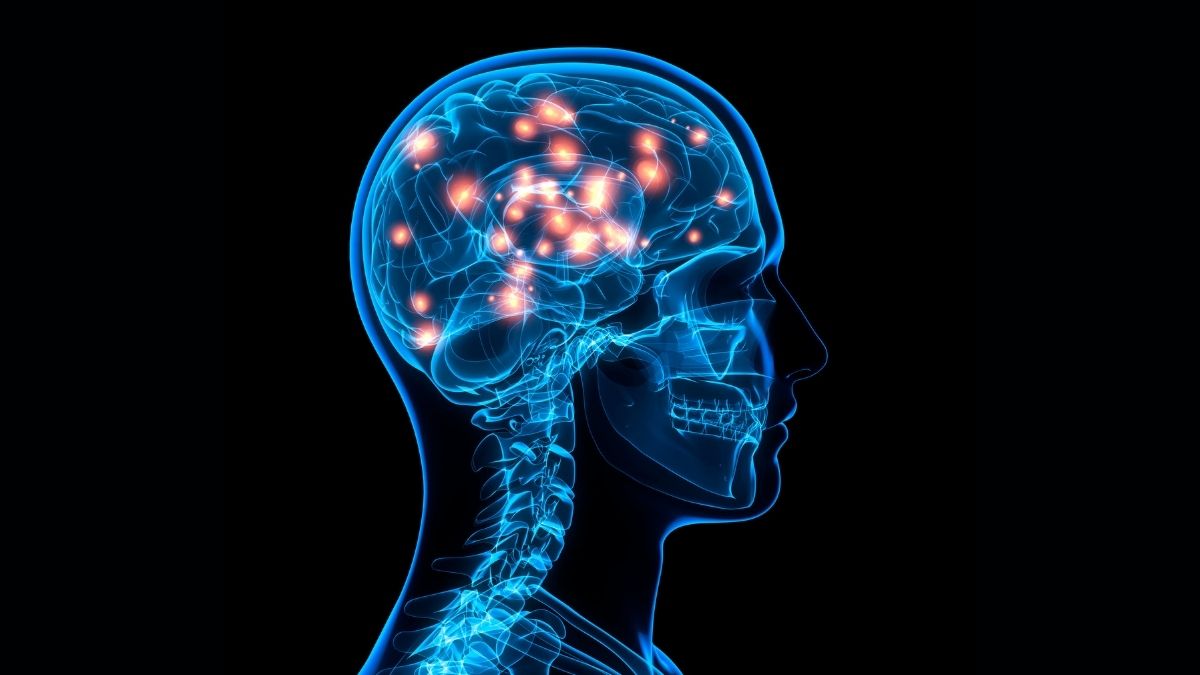
Your brain makes waste all day long. Every thought, every memory creates toxic proteins. If that waste stays there, you’re in trouble.
Meet your glymphatic system. It’s your brain’s cleaning crew. While you sleep, cerebrospinal fluid washes through your brain like a dishwasher. MIT researchers found this fluid removes the junk that builds up during the day. But here’s the catch—it only works during deep sleep.
When you sleep poorly, beta-amyloid proteins pile up. These sticky clumps are the same ones found in Alzheimer’s patients. One bad night and your brain waste clearance drops by 60%. Your brain literally drowns in its own garbage.
🧼 The Brain Car Wash
Your brain creates toxic proteins all day. Every thought creates waste that must be removed.
Cerebrospinal fluid washes through your brain like a dishwasher—but only during deep sleep.
One bad night = 60% less cleaning. Proteins pile up like sticky garbage (Alzheimer’s risk).
Cells shrink to let fluid rush in.
Brain repair active.
Garbage stays and sticks.
Deep sleep (N3 stage) is when the magic happens. Your brain cells shrink, creating space for fluid to rush through. Good sleep looks like a power wash. Poor sleep? More like wiping with a dry cloth.
This is Alzheimer’s prevention in action. Every night of deep sleep brain repair protects you. Skip it, and those proteins stick around for decades.
The Blue Light Trap: How Screens Sabotage Brain Health

You check your phone 52 times a day. That’s 9 hours staring at screens. Over half of Americans scroll right before bed or in bed itself.
Your brain has a tiny control center called the suprachiasmatic nucleus. It sits in your hypothalamus and runs your sleep-wake cycle. Blue light from screens hits this spot and tricks it into thinking it’s noon.
Here’s what happens next. Blue light effects on brain chemistry are instant—melatonin suppression kicks in within minutes. Your sleep hormone shuts off. Your brain stays alert when it should wind down.
But it gets worse. Every like, comment, and notification triggers dopamine. That’s the same chemical that makes gambling addictive. You can’t stop scrolling because your brain is literally hooked.
Screen time sleep disruption goes deeper than just staying awake. Studies show direct damage to memory centers. The circadian rhythm damage compounds every single night. 68% of people use screens in the evening, and 80% during the day.
Your brain never gets a break.
The Alcohol Illusion: Why Your “Nightcap” Is Destroying Sleep Quality

That glass of wine helps you fall asleep faster. You’re out in minutes. But a 2024 study found even one drink kills your REM sleep.
REM sleep is where your brain processes memories and regulates mood. Cleveland Clinic research shows it’s critical for brain function. Without it, you wake up foggy and irritable. Alcohol sleep quality drops by up to 24% with just one drink.
Here’s the trick alcohol plays. Phase one: sedation knocks you out. Phase two: your brain wakes up repeatedly after 3-4 hours. You don’t remember these wake-ups, but they destroy your sleep architecture.
Your brain can’t do memory consolidation when alcohol blocks REM sleep disruption. Everything you learned that day? It doesn’t stick. The information just disappears.
The tolerance trap makes it worse. Your brain adapts. Soon one drink doesn’t work, so you need two. Then three. Each drink cuts REM sleep more. Brain function alcohol damage compounds every night you drink before bed.
You’re trading temporary drowsiness for permanent cognitive decline.
Late-Night Eating’s Hidden Attack on Your Brain

That midnight snack seems harmless. It’s not.
Late night eating brain health damage starts with your internal clock. NIH research shows eating after 9 PM throws off your neurotransmitters, hormones, and inflammation levels. Your body expects food during daylight. When you eat at night, every system gets confused.
Your hippocampus—the memory center of your brain—actually follows your meal schedule. Smithsonian Magazine reported that this brain region tracks when food shows up. Feed it at midnight, and hippocampus function shifts to the wrong time. Your learning ability drops by 20-30%.
Circadian misalignment creates a war inside your body. Your liver thinks it’s noon. Your brain thinks it’s 2 AM. Nobody wins. Insulin resistance spikes at night because your body can’t process sugar properly after dark.
The damage hits your mood first. Then your memory. Studies show people who eat late score worse on cognitive tests the next day. Their brains age faster. The metabolic consequences pile up—weight gain, diabetes risk, and brain fog that won’t quit.
⚙️ The Aging Engine
One habit hurts. Combined? They MULTIPLY.
Inflammation + Oxidative Stress = Brain ages 2-3x FASTER.
35-45
Damage starts building silently. This is your warning window.
45-55
You begin to notice small changes in memory and focus.
55+
Cognitive decline prevention becomes an uphill battle.
“Your brain’s future depends on tonight’s mechanical adjustments.”
The Science-Backed Fix: Optimizing Your Nighttime Routine
The 3-2-1 rule saves your brain. Stop eating 3 hours before bed. No work or stress 2 hours before bed. Zero screens 1 hour before bed.
Here’s your step-by-step evening routine for sleep optimization. At 7 PM, finish your last meal. At 8 PM, dim all lights to 50% brightness. At 9 PM, put your phone in another room. Use blue light blocking glasses if you must use screens—try Swanwick or Felix Gray brands.
Your sleep-friendly environment needs three things: dark, cool, quiet. Get blackout curtains. Set temperature to 65-68°F. Use a white noise machine or fan. Download apps like f.lux for your computer or enable Night Shift on iPhone.
Blue light mitigation starts now. Install dim red bulbs in your bedroom. They don’t mess with melatonin. Avoid LED screens after 8 PM.
Consistency protocols matter most. Same bedtime every night—even weekends. Your brain needs 7 days straight to reset. Miss one night and you’re back to zero.
Common obstacle: “But I’m not tired at bedtime.” Fix: Wake up 30 minutes earlier for one week. Your evening routine will click into place.
Sleep hygiene isn’t complicated. It’s just boring enough that nobody does it.
When to Seek Professional Help

Some problems need a doctor. Here’s when.
Warning signs you can’t ignore: You snore loud enough to wake others. You stop breathing during sleep. You feel exhausted after 8+ hours in bed. Your legs jerk or move constantly at night.
Consider a sleep study if you’ve tried everything for 3 months with no improvement. Sleep studies catch apnea, restless leg syndrome, and narcolepsy. They’re covered by most insurance.
Cognitive testing makes sense if you notice real memory problems. Forgetting where you put keys is normal. Forgetting what keys are for—that’s not normal.
Treatment approaches work. CPAP machines for apnea have 80% success rates. Cognitive behavioral therapy for insomnia (CBT-I) beats sleeping pills. Medication should be your last option, not your first.
Your doctor can run blood tests too. Low vitamin D, thyroid problems, and iron deficiency all destroy sleep. Sometimes the fix is simple.
Don’t wait until it’s bad. Early treatment prevents permanent damage.
At the Last,
Irregular sleep patterns damage your brain more than anything else you do at night. Screens, alcohol, and late eating multiply the harm. The damage starts in your 30s and 40s—long before you notice symptoms.
Start tonight. Pick one bedtime and one wake time. Stick to it for 7 days straight. Your mental clarity will improve fast.
Protecting your brain from sleep deprivation brain damage starts with consistency, not perfection.