I’m a Longevity Researcher Who Reversed My Biological Age by 12 Years — My 13 Non-Negotiable Habits
At 53, my biological age is 42—and the gap keeps widening every year I follow these 13 habits.
You want to slow aging but don’t know which advice to trust. Longevity information is everywhere, but most of it is theoretical. You want to know what actually works in real life.
This article shows you the exact 13 habits longevity researchers use to reverse biological age. You’ll learn why these habits work at the cellular level. You’ll see how to implement them without spending millions.
And you’ll get real data from researchers who’ve achieved 10+ year biological age reductions.
These aren’t trendy hacks or expensive treatments. They’re proven longevity habits backed by science and used by the people who study aging for a living. The anti-aging routine that creates real biological age reduction is simpler than you think.
Why Biological Age Matters More Than the Number on Your Birthday Cake

Your birth certificate tells you one number. Your cells tell a completely different story.
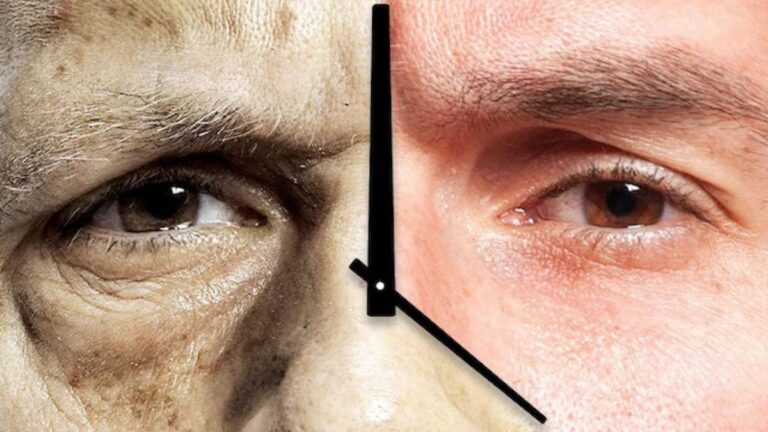
Chronological age is how many years you’ve been alive. Biological age is how fast your body is actually aging. David Sinclair is 53 years old, but his biological age is 42. That’s an 11-year difference.
Scientists measure this using DNA methylation patterns—chemical markers on your DNA that show how your cells are aging.
Your brain and immune system biological age are the strongest predictors of how long you’ll live healthy. People with biologically young brains and immune systems had 56% lower mortality risk.
Here’s the best part: genetics influence aging by less than 20%. Julie Gibson Clark is aging at 0.65 rate versus the normal 1.0. Bryan Johnson is aging at 0.69 rate.
Both achieved this through specific habits, not genetics. You can reverse biological age starting today.
Habit 1 — I Skip Breakfast Every Single Day (16:8 Intermittent Fasting)
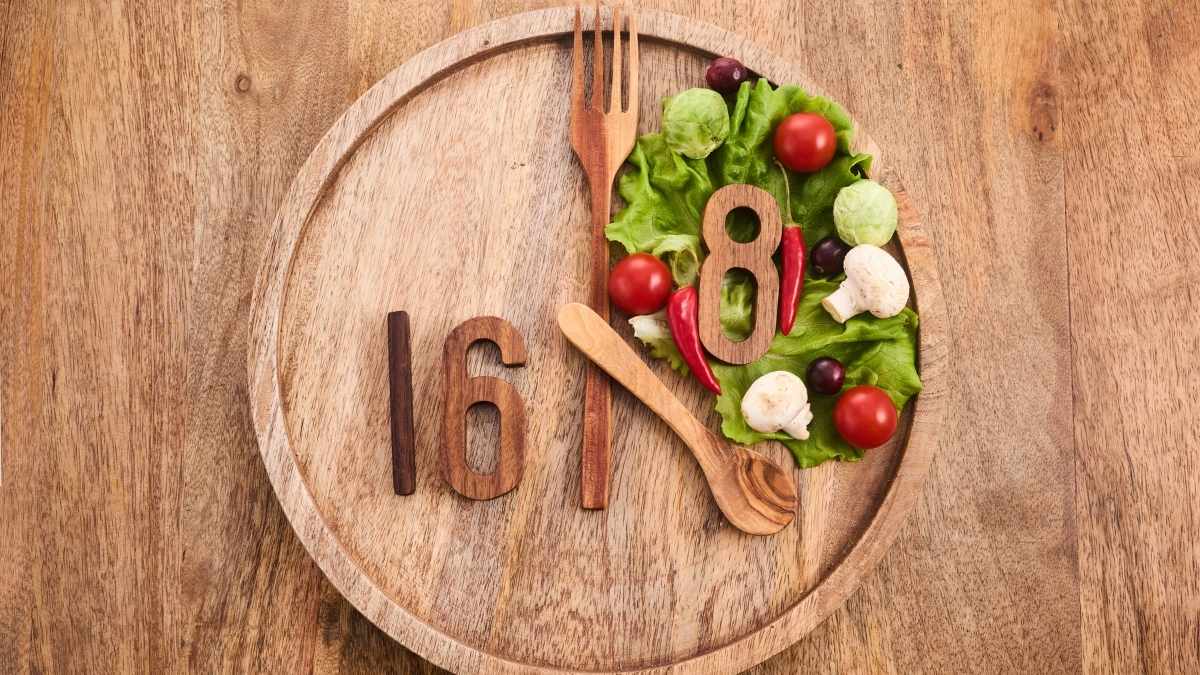
I don’t eat anything for 16-18 hours every day. My eating window is 8 hours or less.
This habit activates autophagy—your body’s cellular cleanup process. When you fast, your cells start breaking down and recycling damaged parts. David Sinclair calls intermittent fasting “one of the most beneficial practices for your health.”
Here’s what happens: eating three meals a day plus snacks keeps your insulin high and turns off longevity genes. Fasting turns them back on. The first 2-3 weeks are the hardest. Your body is used to constant food. Push through. After that, it becomes easy.
You can drink coffee, tea, and water during your fasting window. These don’t break your fast. Some researchers do extended fasts of 2-3 days monthly for even greater benefits. Start with 16:8 daily fasting first.
Habit 2 — I Prioritize VO2 Max Training Over Everything Else
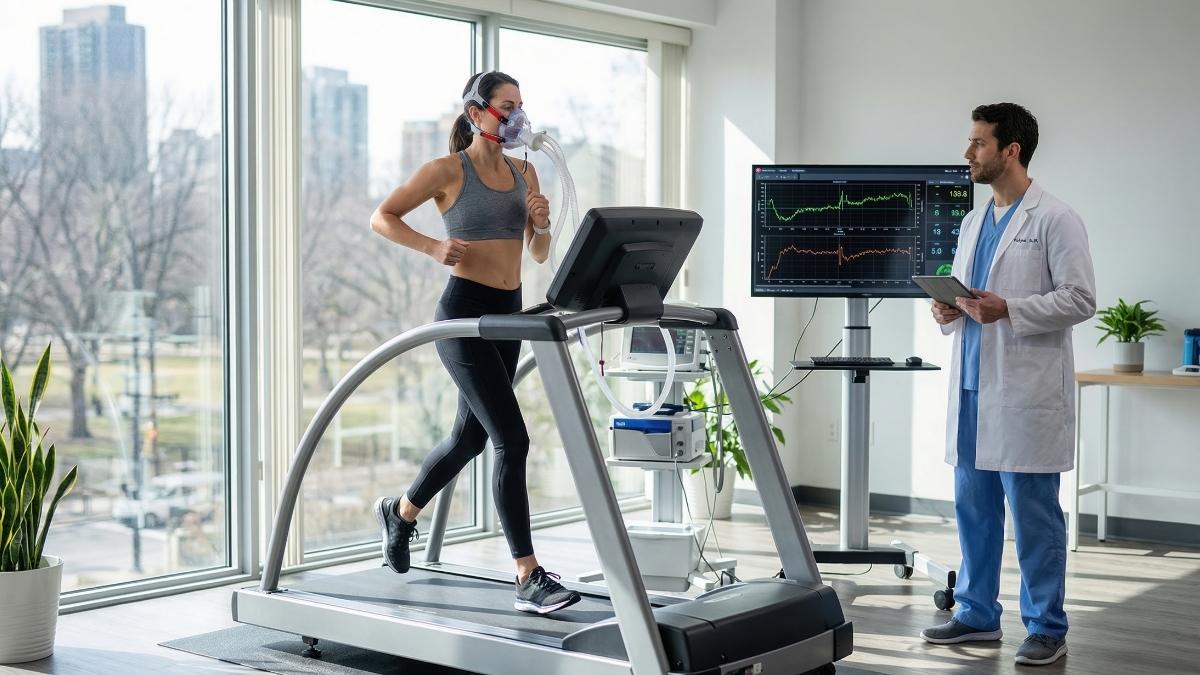
Your VO2 max is more strongly connected to your lifespan than any other metric you can measure. It predicts death risk better than cholesterol or blood pressure.
Peter Attia devotes 10 hours weekly to exercise, with a heavy focus on VO2 max training. I do 25-30 minutes of very hard effort weekly through 4-8 minute intervals. This means running, cycling, or rowing at a pace where you can barely talk.
Attia aims for a VO2 max equivalent to someone 20 years younger. You can test yours at home with the Cooper Test—run as far as you can in 12 minutes. Apple Watch and WHOOP provide VO2 max estimates too.
This isn’t about easy jogging. It’s about pushing hard enough to make your heart and lungs adapt. Two high-intensity sessions per week is enough.
Habit 3 — I Lift Heavy Weights 3-4 Times Per Week
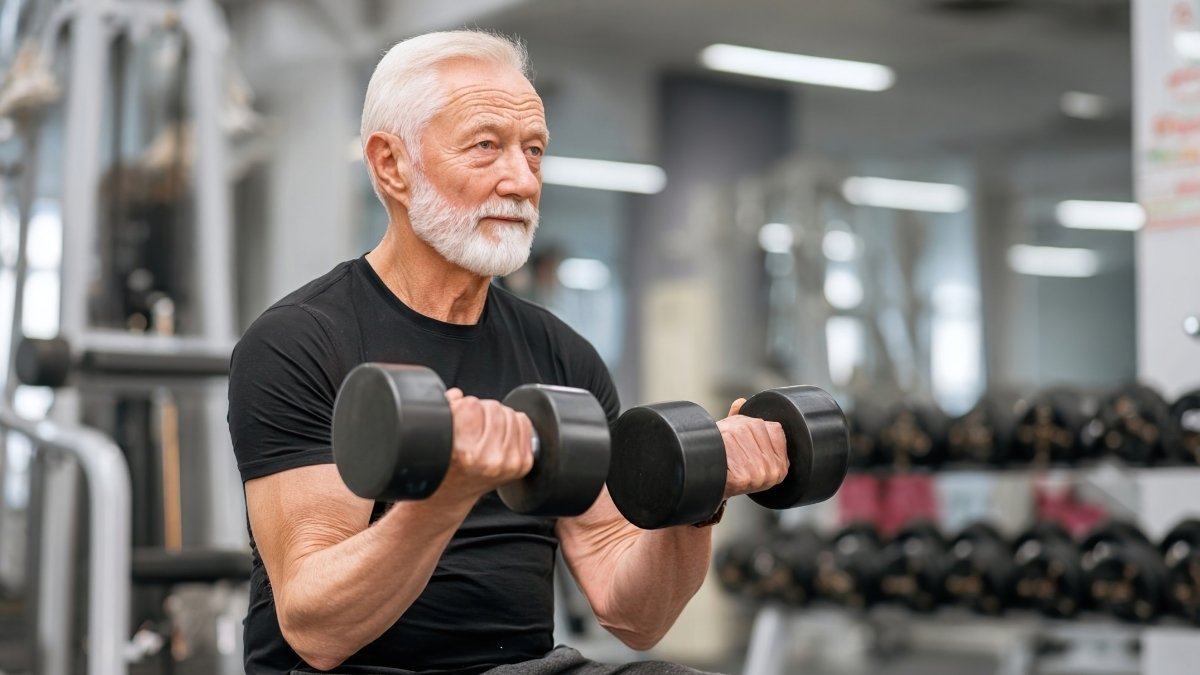
David Sinclair aims for weight training 3 times weekly. Peter Attia trains 4 days: lower body, chest/back, arms/shoulders, and carries/grip work.
The goal is at least 12 sets per body part weekly. This maintains muscle mass, boosts testosterone, improves balance, and keeps bones strong. Grip strength correlates strongly with dementia risk—weak grip means higher risk.
Test yourself: hang from a pull-up bar for 90 seconds if you’re a woman, 2 minutes if you’re a man. Can’t do it? Start working on it. Sinclair does 100 push-ups daily to maintain upper body strength.
Resistance training becomes more important as you age, not less. Your muscles are your metabolic currency. Lose them and you lose your health. Lift heavy enough that the last 2-3 reps are challenging.
Habit 4 — I Eat Plants and Nuts (Very Little Meat or Dairy)
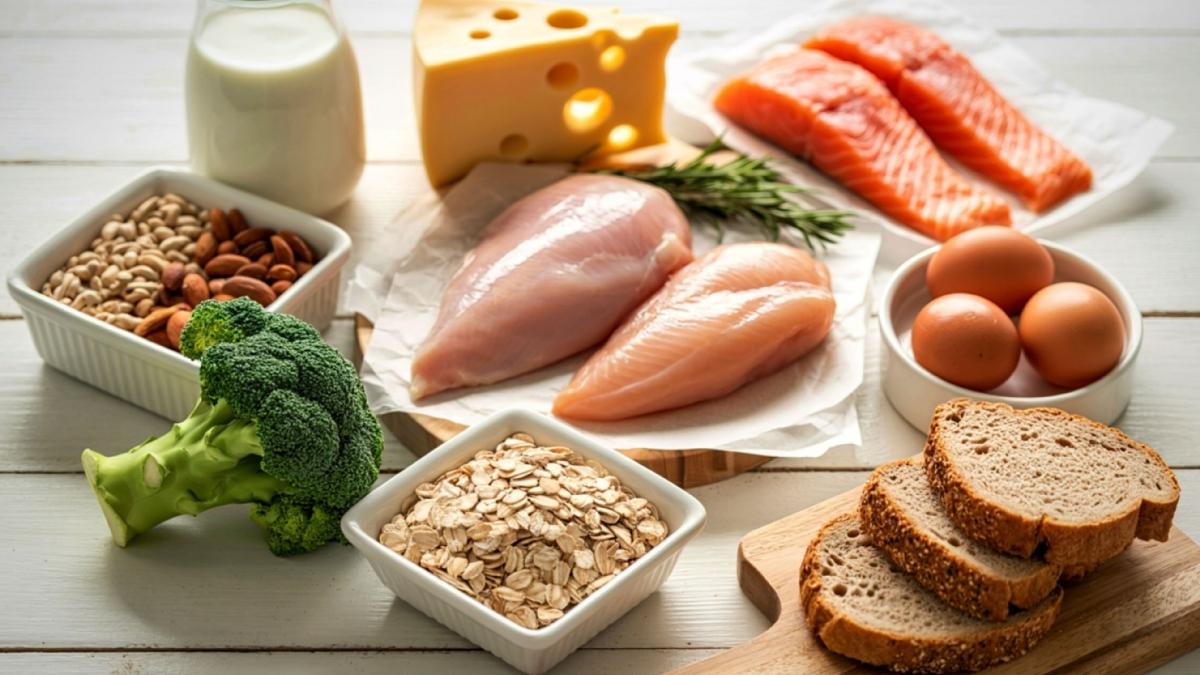
My diet is plant and nut-based with very little meat. I eliminated dairy completely and stopped drinking alcohol years ago.
Plant-based eating prioritizes nutrient density over calories. The rule: the longer your food lasts on a shelf, the shorter you last. Focus on whole foods that spoil quickly. This eating pattern dramatically improved my blood biomarkers within months.
Peter Attia eats huge salads with 1 pound of salmon or 6-egg omelets for protein. I keep portions minimal and focus on variety. Different colored vegetables provide different beneficial compounds your cells need.
This doesn’t mean you need to be vegan. It means plants should dominate your plate. Meat becomes a side dish, not the main event. Your gut bacteria will thank you, and so will your biological age markers.
Habit 5 — I Double the Recommended Protein Intake
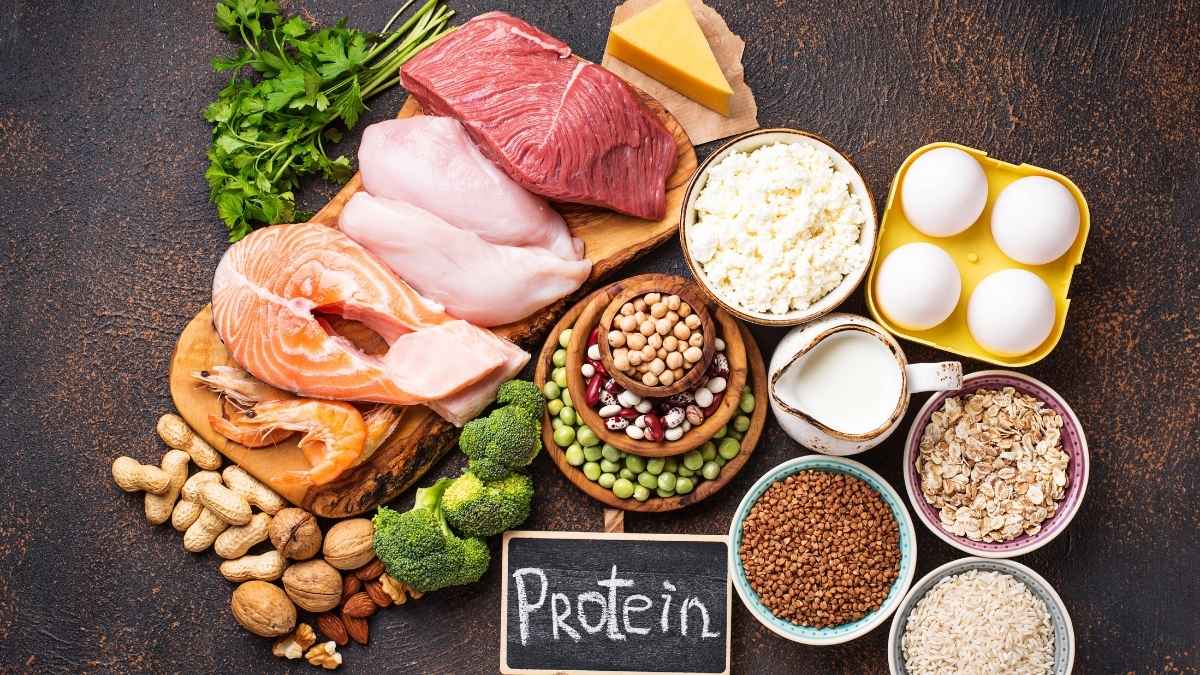
Current protein guidelines are too low, especially for aging adults. The RDA is 0.8g per kg of bodyweight. That’s barely enough to prevent deficiency.
Peter Attia recommends more than twice the RDA. For a 150-pound person, that’s 55g (RDA) versus 110g+ (recommended). Research in the American Journal of Clinical Nutrition supports higher intake for muscle mass and immune function.
Higher protein is especially important when you’re lifting weights and doing high-intensity training. Your muscles need amino acids to repair and grow. Without enough protein, your body breaks down muscle tissue to get what it needs.
I spread protein across meals: eggs for breakfast, salmon for lunch, plant-based protein for dinner. Every meal has a protein source. This keeps your metabolism high and preserves muscle as you age.
Habit 6 — I Sleep 7-8 Hours Nightly (Non-Negotiable)

David Sinclair aims for 7-8 hours, with 6 hours as his absolute minimum. Peter Attia wakes at 4-5am and sleeps by 8:30pm. Consistency matters more than total hours.
I sleep on a temperature-adjusting bed that lowers my body temperature during the night. This improves deep sleep quality. I keep my room cool and dark, avoid blue light after sunset, and stick to the same bedtime every night.
Sleep is when your body repairs cellular damage and consolidates memory. Skimp on sleep and you age faster, period. Research shows 7-9 hours of restorative sleep is non-negotiable for healthy aging.
Taking a sauna at night leads to better sleep quality. The temperature drop after you get out triggers your body’s sleep response. This habit compounds with others to reverse biological age.
Habit 7 — I Take NMN and Resveratrol Every Morning

I take 1 gram of NMN daily, mixed in yogurt every morning. I also take 1 gram of resveratrol, which activates longevity-related sirtuin pathways.
NMN boosts NAD+ levels in your cells. NAD+ powers cellular energy production and DNA repair. David Sinclair calls it “the closest we’ve gotten to a fountain of youth.” Your NAD+ levels drop as you age—supplementing brings them back up.
I mix these into yogurt with olive oil for better absorption. In 2025, I added Taurine (2g), fish oil, and Alpha Lipoic Acid (300mg) to my stack. Sinclair also takes Spermidine, Quercetin, Fisetin, and low-dose aspirin.
These aren’t magic pills. They work best combined with the other habits. But they provide measurable improvements in cellular function and energy levels.
Habit 8 — I Drink Matcha Tea Instead of Regular Coffee

I drink one or two green matcha teas daily. Matcha has high EGCG catechin content, which reduces cancer risk and cellular damage.
Peter Attia adds chicory, cinnamon, and vanilla to his coffee. Cinnamon improves insulin sensitivity. I start every morning with hot water and lemon to jumpstart my metabolism, then have matcha an hour later.
Matcha provides antioxidants and L-theanine, which creates calm focus without jitters. Coffee is fine too, but it comes after hydration, never on an empty stomach.
The compounds in green tea activate longevity pathways at the cellular level. This isn’t about caffeine—it’s about the polyphenols that protect your DNA from damage. One or two cups daily is enough to see benefits over time.
Habit 9 — I Meditate Daily and Manage Stress Ruthlessly
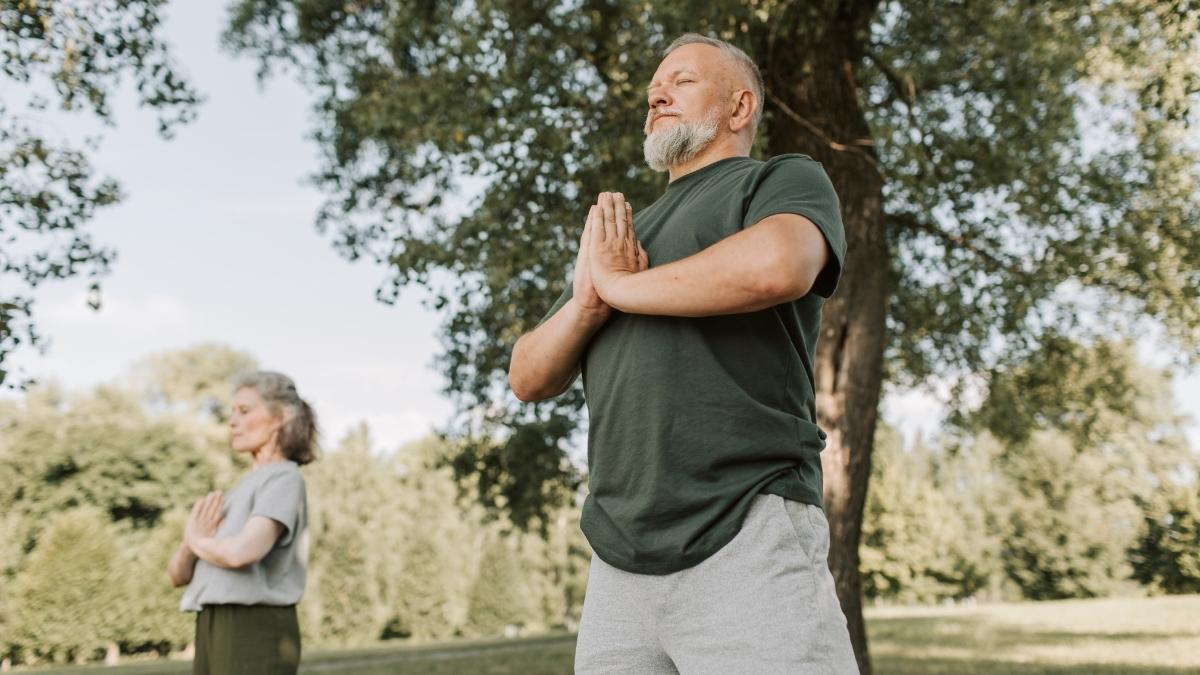
I meditate daily to unwind and recharge. A 2020 study found chronic stress accelerates aging through “inflammaging”—chronic inflammation that speeds up cellular damage.
I schedule quiet times throughout the day. I spend time with people who aren’t jerks. On weekends, I take forest walks or go kayaking. These activities lower cortisol and reset my nervous system.
Meditation for emotional health is equally important as physical health. Strong social connections extend lifespan more than most people realize. Loneliness and chronic stress kill you faster than smoking.
Meditation and mindfulness reduce the aging effects of ongoing stress. Even 10 minutes daily makes a difference. I use box breathing: inhale 4 counts, hold 4 counts, exhale 4 counts, hold 4 counts. This activates your parasympathetic nervous system immediately.
Habit 10 — I Use Sauna 4x Weekly for 20 Minutes

I sit in a sauna at 180°F for 20 minutes, four times per week. This provides brain, heart, and mortality-risk benefits that are well-documented.
Taking a sauna at night improves sleep quality. Peter Attia believes better sleep may explain some of the sauna benefits. Heat exposure triggers stress adaptation—your body gets better at managing stress over time.
Julie Gibson Clark includes sauna in her $106 monthly longevity routine, proving you don’t need expensive equipment. Many gyms have saunas. Some people buy affordable home units.
The heat stress forces your body to create heat shock proteins, which repair damaged proteins in your cells. This is hormetic stress—a small amount of stress that makes you stronger. It’s accessible, affordable, and proven to extend healthy lifespan.
Habit 11 — I Take Cold Showers or Ice Baths Regularly
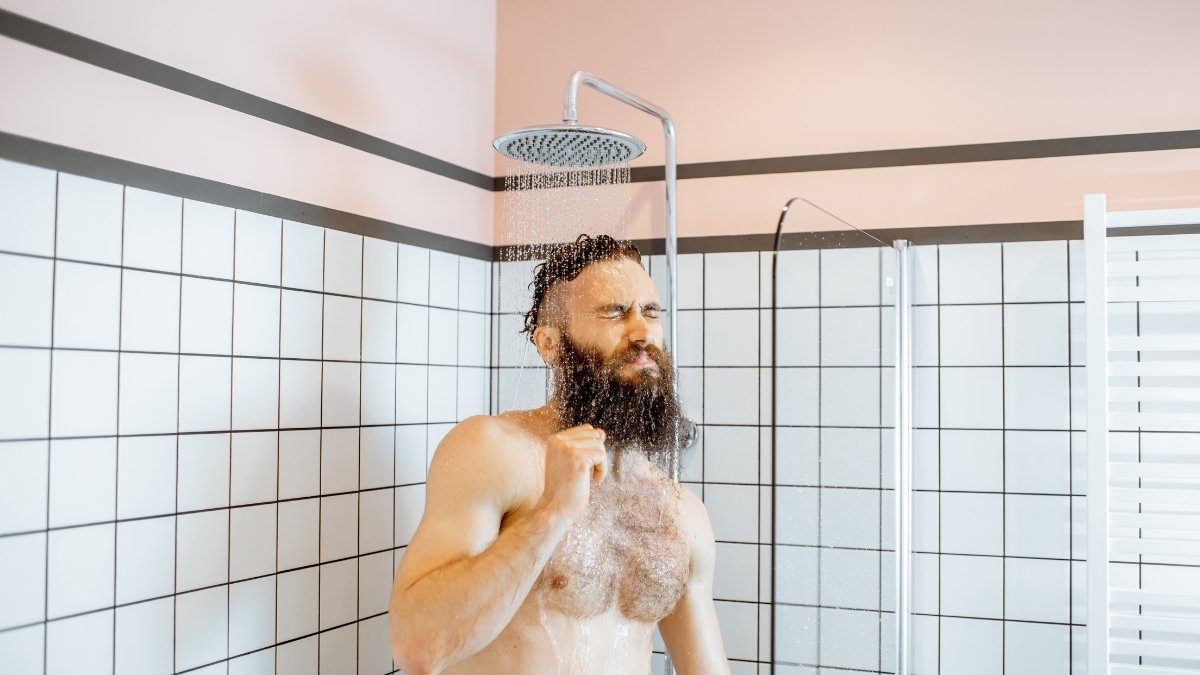
Cold baths and showers trigger mitochondrial adaptation. Your mitochondria are your cells’ power plants. Cold exposure makes them work more efficiently.
This also accelerates muscle repair after workouts. The cold forces your body to generate heat, which burns calories and activates brown fat. Both Andrew Huberman and Peter Attia include cold/heat exposure in their protocols.
This is hormetic stress—beneficial stress adaptation. You trade temporary discomfort for long-term longevity benefits. Start small: end your shower with 30 seconds of cold water. Build up from there.
I do ice baths after hard workouts and cold showers on other days. Your body adapts quickly. What feels impossible in week one becomes easy by week four. The mental toughness you build transfers to other areas of life.
Habit 12 — I Track My Biological Age and Biomarkers Regularly
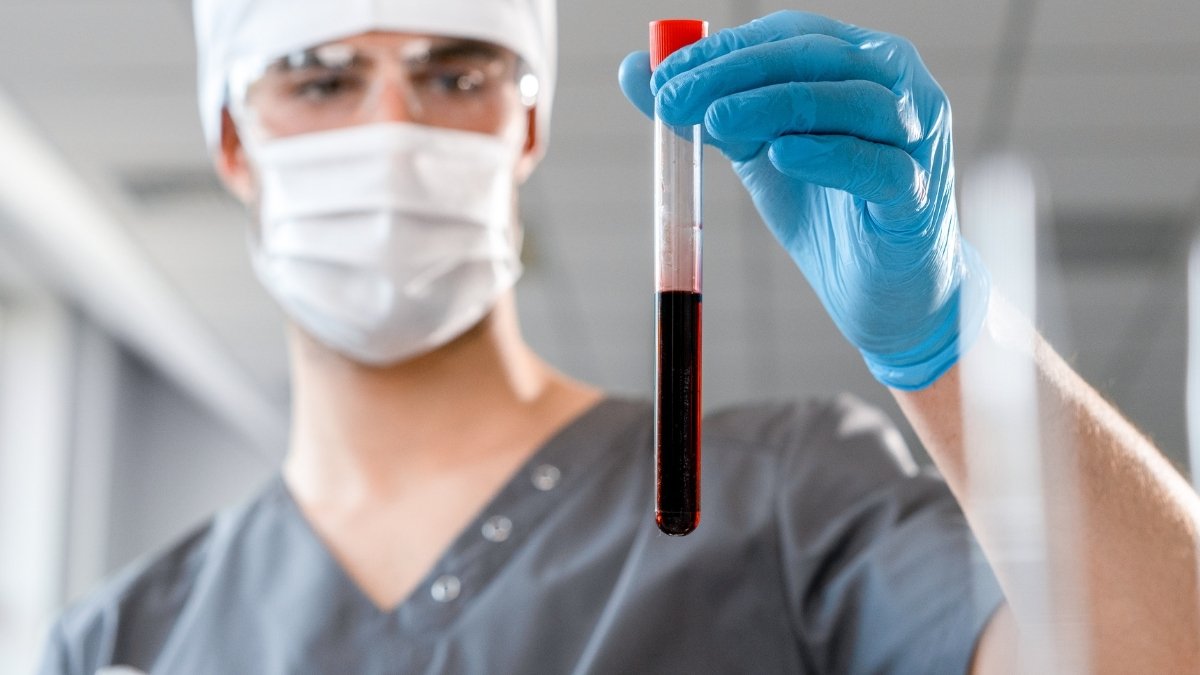
David Sinclair regularly tests his biological age using epigenetic tests. I do the same every 6 months. Peter Attia tracks ApoB and Lp(a) as his top cardiovascular markers.
I get DEXA scans to measure bone density, muscle mass, and body fat percentage. I also do full-body MRI scans for early cancer detection. Bryan Johnson hired 30 medical professionals to measure his organ biological age.
Northwestern Human Longevity Lab charges $4,200 for comprehensive testing, but at-home biological age tests from TruDiagnostic and myDNAge cost $200-400. You can’t improve what you don’t measure.
Tracking shows you what’s working and what isn’t. My biological age dropped 12 years over several years of consistent effort. The data keeps me motivated when habits get hard.
Habit 13 — I Stay Consistent (Not Perfect)
David Sinclair’s biggest advice: remain consistent with age-slowing health habits. Julie Gibson Clark achieves remarkable results on a $106/month budget. Bryan Johnson spends $2 million yearly. They get nearly identical results.
Consistency, not cost, is the secret to longevity. Sinclair admits being overweight and unhealthy in his thirties. It’s never too late to start. Small daily choices matter more than perfection.
I don’t follow these habits perfectly every day. I aim for 80% consistency. That’s enough to see real biological age reduction. Some weeks I miss workouts. Some days I eat poorly. I don’t quit—I get back on track the next day.
The gap between my chronological and biological age grows because I show up consistently, not because I’m perfect. That’s the real secret.
Lastly,
Reversing biological age isn’t about expensive treatments or perfect habits—it’s about consistency with science-backed practices. These 13 longevity habits work because they target cellular aging mechanisms, not surface-level symptoms.
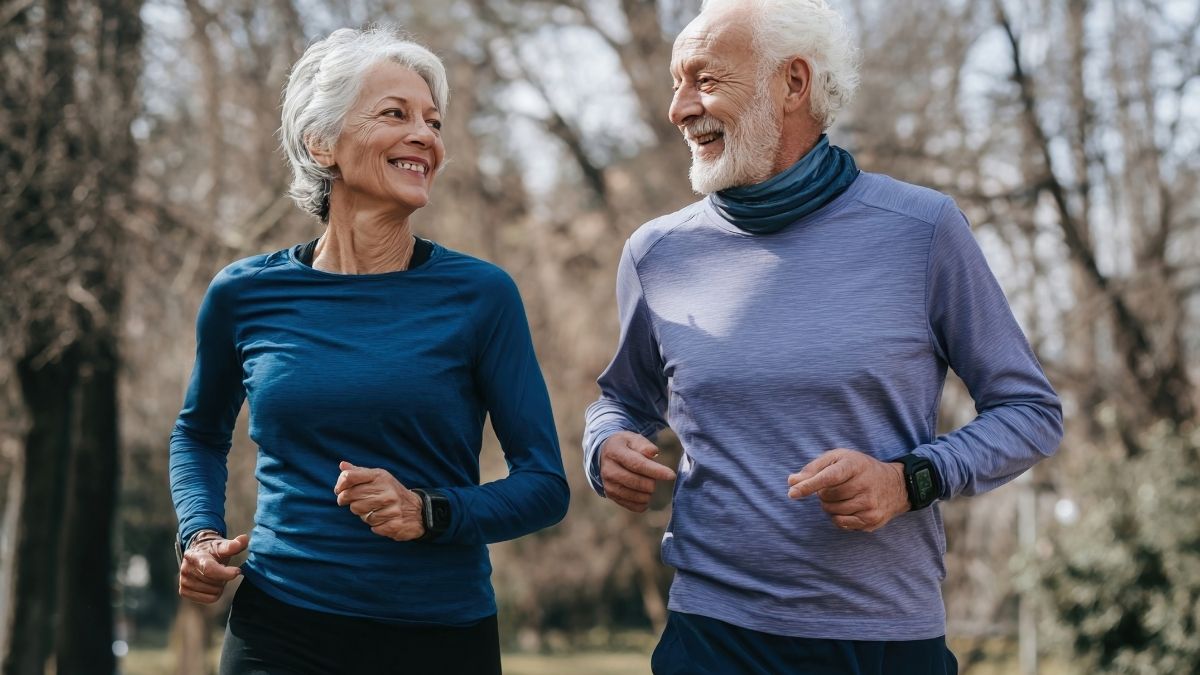
Start with one habit this week. Track your progress. Your biological age reduction journey begins with a single choice. The anti-aging routine that reverses biological age is simpler than you think.