He’s 70 & Stronger Than His Son, Thanks To This One 20-Minute Daily Habit
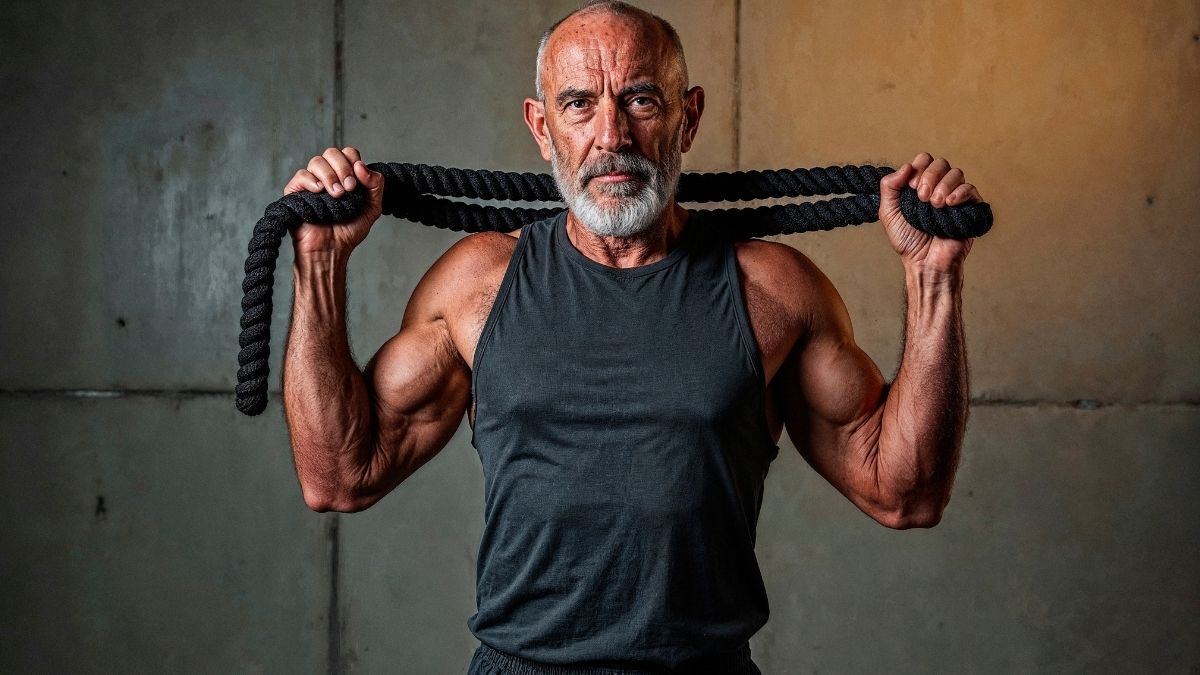
When 70-year-old Robert Martinez challenged his 45-year-old son to an arm wrestling match last Christmas, nobody expected the outcome that left the entire family speechless. Robert won. Easily.
Just two years earlier, Robert could barely carry groceries up his front steps. His family worried about him falling. He worried about becoming a burden.
Maybe you think getting weaker after 70 is just part of life. Maybe you believe starting exercise at your age is pointless or dangerous.
You’re wrong on both counts.
Robert proves that building muscle after 70 isn’t just possible – it’s easier than you think. He didn’t hire a trainer or join a gym. He didn’t spend hours working out or follow some complicated plan.
Robert used one simple 20-minute daily exercise routine. That’s it.

In this article, you’ll get Robert’s exact routine that made him stronger than men half his age. You’ll see the science that proves strength training for seniors over 70 works better than most doctors realize. And you’ll learn how to start safely, no matter how out of shape you feel right now.
The best part? You can start tomorrow with items you already have at home. Robert’s transformation began with a resistance band and two soup cans. By Christmas, he was the strongest person at the dinner table.
Your strongest years don’t have to be behind you.
He’s 70 & Stronger Than His Son
The 20-Minute Daily Strength Routine That Changed Everything
Robert’s routine isn’t complicated. But every piece works together to rebuild strength fast.

You need almost nothing to start. Just resistance bands and light dumbbells. That’s it.
Here’s exactly what Robert does every single day:
Warm-Up (5 Minutes) Move your joints gently. March in place for 2 minutes. Roll your shoulders. Swing your arms. This gets blood flowing and prevents injury.
The Main Event – Strength Circuit (12 Minutes) Do each move for 2 minutes, then switch:
- Bodyweight squats – Sit back like you’re sitting in a chair
- Modified push-ups – Use a wall or countertop if needed
- Resistance band rows – Pull the band to your chest
- Standing overhead press – Push light weights above your head
- Core work – Hold a plank or march in place with high knees
- Balance moves – Stand on one foot or walk heel-to-toe
Cool-Down (3 Minutes) Stretch your arms overhead. Touch your toes if you can. Breathe deep.
Dr. Maria Fiatarone Singh’s research proves these exact moves build the most strength in seniors. Her studies show people over 70 can gain 25% more strength in just 10 weeks.
Start light. Add weight or reps every two weeks. Your body will tell you when it’s ready for more.
How to Start This Routine Safely (No Matter Your Current Fitness Level)
Don’t worry if you haven’t exercised in years. You can start tomorrow, but do it smart.
Talk to your doctor first. Ask if strength training is safe for you. Mention any heart problems, joint issues, or medications you take.

Here’s how to start based on where you are now:
Complete Beginner (Haven’t exercised in years) Start with chair exercises. Do wall push-ups instead of regular ones. Skip weights completely for the first month. Your own body weight is enough.
Some Fitness Background Use 2-5 pound weights. Do the full routine but move slowly. Rest 30 seconds between exercises if needed.
Already Active Follow Robert’s exact routine. Add weight every two weeks when it feels too easy.

Watch for these warning signs during workouts: Sharp pain in joints means stop right away. Being out of breath is normal – chest pain is not. Dizziness means you need water and rest.
Your heart should beat faster but you should still be able to talk. If you can’t say a full sentence, slow down.
Skip your workout if you have a fever, feel dizzy, or have chest pain. One missed day won’t hurt your progress.
Start with resistance bands ($10) and water bottles as weights. Buy real dumbbells later if you stick with it.
The Surprising Mental and Health Benefits Beyond Strength

Getting stronger was just the beginning for Robert. The real changes happened in his mind and daily life.
Your brain gets sharper when you lift weights. Studies show strength training boosts memory and thinking skills in people over 70.
Here’s what science proves happens:
Better Sleep and More Energy Robert went from 5 hours of broken sleep to 7 solid hours every night. Exercise helps your body make natural sleep chemicals. You’ll wake up feeling rested instead of tired.
Your Mind Gets Clearer Strength training increases BDNF – a brain chemical that grows new brain cells. Research shows seniors who lift weights score 15% higher on memory tests after just 12 weeks.
You Feel Independent Again Robert stopped asking for help with groceries and yard work. When you can trust your body, you feel confident doing normal activities. This cuts depression risk by 30% in seniors.
Family Relationships Improve Robert became the family fitness coach instead of someone who needed help. His grandkids now ask him to teach them exercises. Being strong gives you a new role in your family.
Money Savings Add Up Robert cut his blood pressure medication in half with his doctor’s approval. Active seniors spend $1,200 less per year on healthcare. Strength training prevents falls that cost $30,000 in hospital bills.
Your body and brain work as a team. Fix one, and you fix both.
Common Mistakes to Avoid and Troubleshooting Tips

Even smart people make dumb mistakes when they get excited about getting stronger. Here’s how to avoid the traps that stop most seniors.
Don’t Try to Make Up for Lost Time The biggest mistake? Doing too much in week one because you feel guilty about years of inactivity. Your muscles need time to catch up to your motivation. Start with 10 minutes if 20 feels like too much.
Form Beats Heavy Weights Every Time Robert could barely do wall push-ups at first. But he did them right. Poor form with heavy weights hurts your joints and wastes your time. Master the movement before adding weight.
Rest Days Make You Stronger Your muscles grow during rest, not during workouts. Skip one day between strength sessions. Take two full days off per week. This isn’t being lazy – it’s being smart.
Track Something or You’ll Quit Write down how many squats you did. Note when exercises feel easier. Progress happens slowly at first. Without tracking, you’ll think nothing is working and give up.
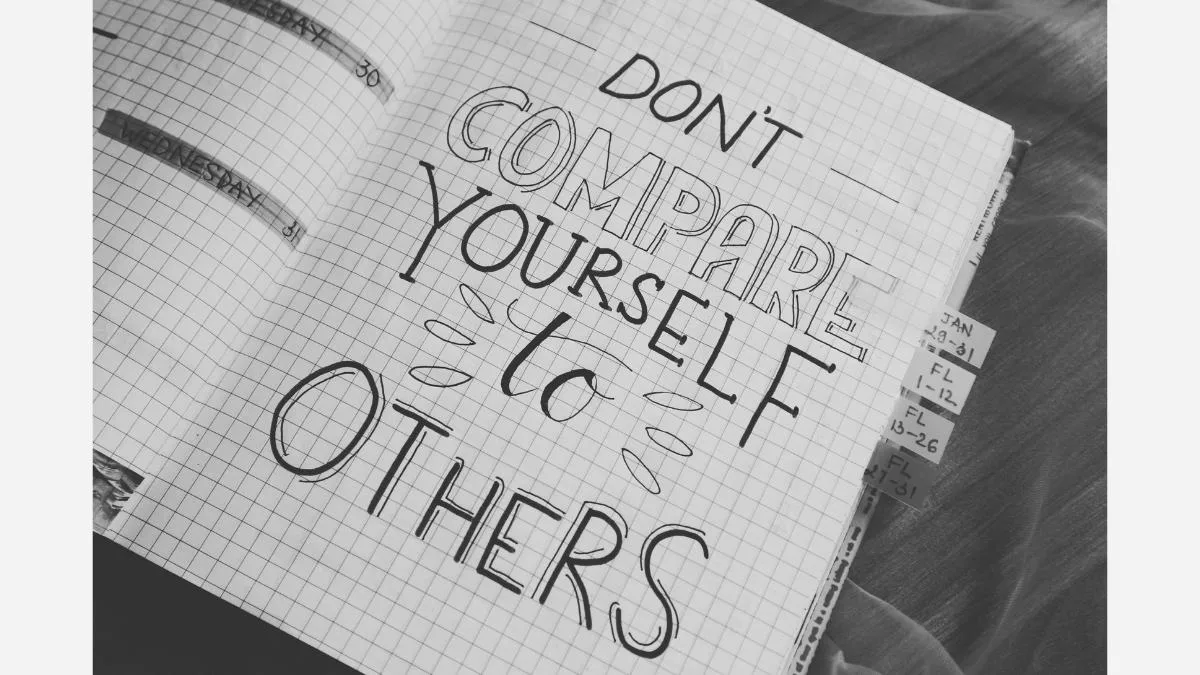
Stop Comparing Yourself to Anyone You’re not competing with your 30-year-old self or the guy next door. You’re only trying to be stronger than you were last month.
Quick Fixes for Common Problems:
“I’m too sore to move” – Take an extra rest day. Walk for 10 minutes to get blood flowing. Sore muscles are normal; joint pain is not.
“I don’t see any changes” – Measure how many squats you can do now vs. last month. Check if daily tasks feel easier. The mirror lies; numbers don’t.
“This is boring” – Change one exercise every two weeks. Add music. Work out with a friend or family member.
“I missed a whole week” – Start with half the time tomorrow. Don’t try to make up lost time. Just get back to your routine.
“My family worries I’ll get hurt” – Show them this article. Invite them to watch you exercise. Explain that being weak is more dangerous than getting strong.
Your Strongest Years Can Start Today

Robert’s story proves something most people don’t believe: strength training for seniors over 70 works. Age doesn’t make you weak – inactivity does.
The 20-minute daily commitment that changed Robert’s life can change yours too. You don’t need perfect form or expensive equipment. You just need to start.
Remember what matters most:
Starting beats perfection every time. Robert began with wall push-ups and soup cans. Six months later, he was bench pressing more than his son.
Your body wants to get stronger. Science shows people in their 80s and 90s can still build muscle. Your age is not the problem – your belief about your age is the problem.

This daily exercise routine for elderly men isn’t about becoming a bodybuilder. It’s about staying independent. It’s about carrying your own groceries and playing with grandkids without getting tired.
Robert went from struggling with stairs to arm wrestling victories. His transformation took 20 minutes a day and zero excuses.
Don’t let another day pass believing your strongest years are behind you. Start with just 5 minutes tomorrow – your future self will thank you.
The choice is simple: get stronger or get weaker. There’s no staying the same.