I’m a Trainer: This Is the Only Fitness Routine You Need If You’re Over 50

The “only” fitness routine over 50 you need is not one magic workout. It is this balanced framework. It combines strength, cardio, mobility, and balance.
Stop looking for the “perfect” workout. Start building a practice today.
Here is your homework. Tonight, see how long you can stand on one leg. Tomorrow, do two sets of Sit-to-Stands. Just start there.
This framework is the key. It helps you build a sustainable and effective fitness routine over 50. This is the plan that will serve you for life.

🏋️ The “Big 4” Framework
The Only Fitness Routine Over 50 You Need
❌ Why Most Senior Fitness Plans Fail
Cardio Only: Walking is great but does nothing for muscle loss or bone density
No Progression: Keeps you in the “easy” zone forever—muscles need challenge
Not Functional: Ignores real-life movements like carrying groceries or getting off the floor
Based on Fear: Treats you as fragile, not trainable—you CAN get stronger!
💪 Strength
The Most Important. Fights age-related muscle loss (sarcopenia) and builds strong bones. This is your foundation for independence.
❤️ Cardio
For your heart health, endurance, and brain function. Keep it moderate and low-impact—you should be able to hold a conversation.
🤸 Mobility
How well your joints move. Think of it as “oiling” your body. Keeps you from feeling stiff and improves daily movement.
⚖️ Balance
Your fall-prevention system. Falls are a major risk for older adults. Good balance starts with a strong core.
📋 Your Weekly Workout Plan
💪 Strength Training (2-3 Days)
Goblet Squat / Sit-to-Stand
How you get out of a chair—builds total lower body strength
Farmer’s Carry
Like carrying groceries—builds grip and core strength
Dumbbell Row
This “pull” move helps fix bad posture
Incline Push-Up
Safe “push” strength for getting off the floor
❤️ Cardio Options (2-3 Days)
Moderate, low-impact activities. Hold a conversation while doing it.
🛡️ How to Start Safely
Doctor’s Approval
Check with your doctor before starting. This is the most important first step.
Learn the Moves
Start with no weight. Your goal on day one is to learn good form, not get tired.
Know the Difference
Muscle soreness = normal. Sharp joint pain = stop immediately.
Modify for Pain
Bad knees? Use a chair. Bad back? Rest one hand on a bench. There’s always a safe way.
🎯 4 Keys to Guarantee Success
Consistency
Stick with it even when you don’t feel like it
Protein
Eat enough protein—your needs go UP as you age
Sleep
7-8 hours per night—muscles grow while you sleep
Track Progress
One more squat? 5 more seconds of balance? That’s real progress
You don’t need five different programs. You need one smart, balanced plan.
🚀 Your Homework This Week
See how long you can stand on one leg
Do 2 sets of Sit-to-Stands
Start building your sustainable routine
Why Most “Senior Fitness” Plans Fail
You might be confused by all the senior fitness advice out there. Most of it is just plain wrong. It often fails because it’s incomplete.
Many plans only tell you to do cardio, like walking. Walking is great for your heart. But it does almost nothing to stop age-related muscle loss (sarcopenia) or build bone density.

These plans also forget you live a real life. They don’t include functional movements. These are the actions you do every day, like carrying groceries, playing with grandkids, or getting up off the floor.
Another big problem is they lack progression. They keep you in the “easy” zone forever. Your muscles and bones need a safe, gradual challenge to stay strong.
Finally, many routines are based on fear. They treat you as fragile, not trainable. This is the biggest mistake in senior fitness.

You are capable of getting stronger, not just “maintaining.” Finding the best exercises for over 50 means using a smart plan that builds real-world confidence, not just passes the time.
The “Big 4” Framework: My Go-To Fitness Routine Over 50
Stop looking for one magic workout. A good fitness routine over 50 isn’t one thing. It is a weekly plan that covers four key areas. I call this my “Big 4” framework.
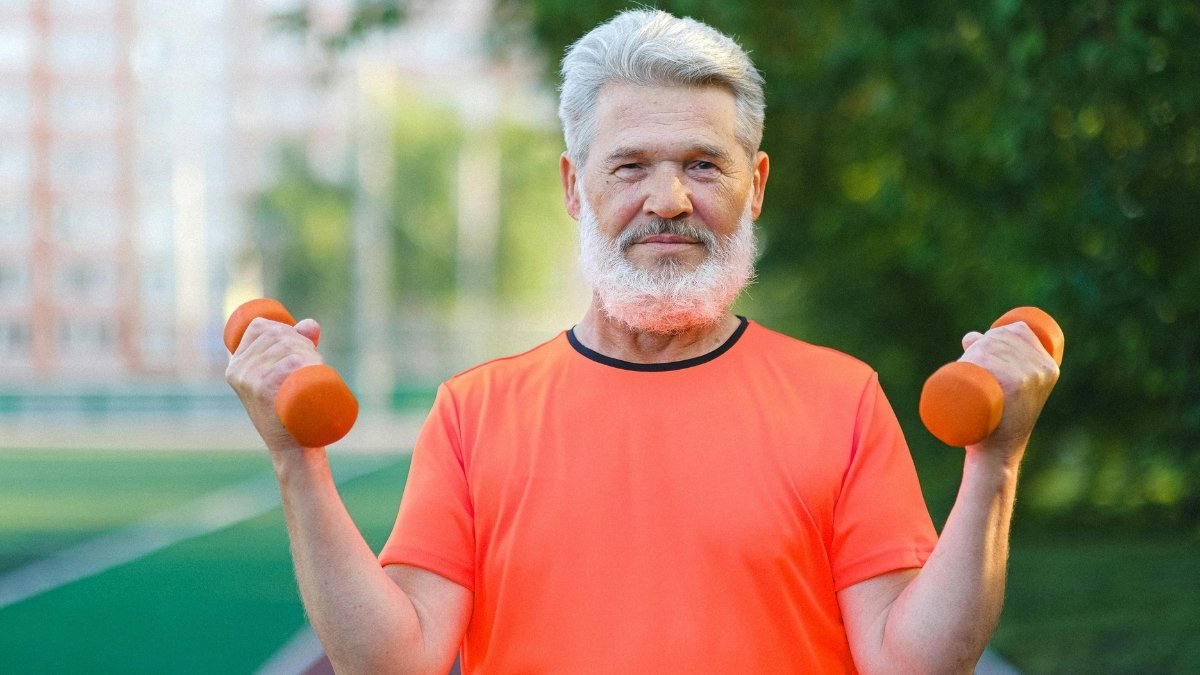
Pillar 1 is Strength. This is the most important one. It fights age-related muscle loss. Inactive adults can lose up to 1% of their muscle every year. Strength work also builds strong bones.
Pillar 2 is Cardio. This is for your heart health. It builds your endurance and helps your brain.
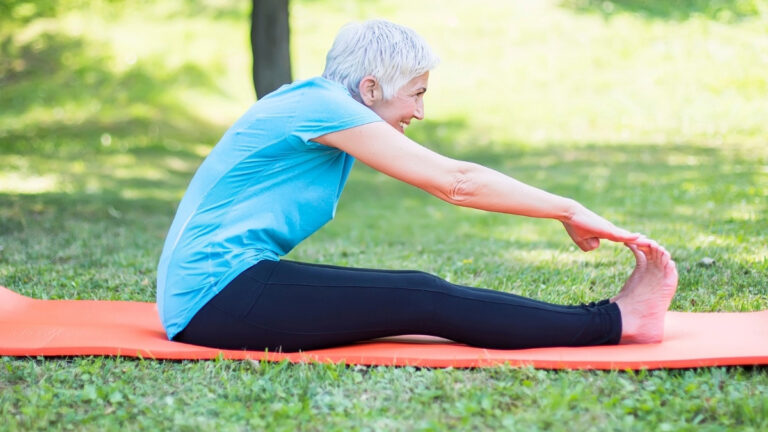
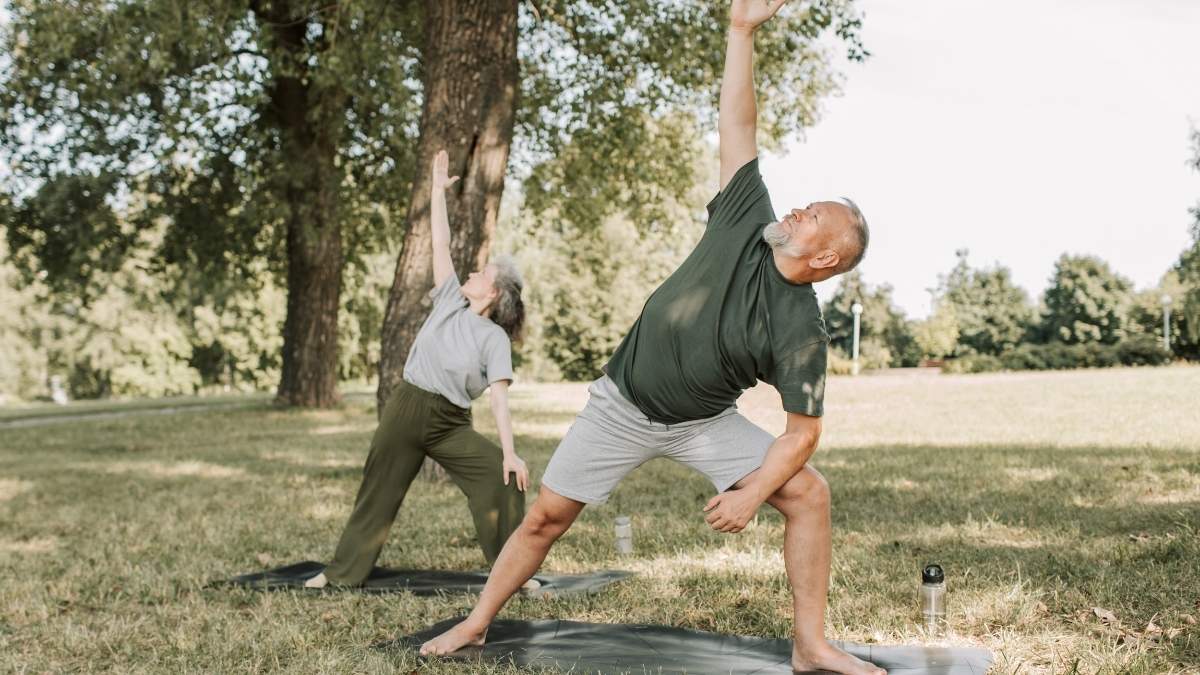
Pillar 3 is Mobility. This is how well your joints move. Think of it as “oiling” your body. Mobility work keeps you from feeling stiff.
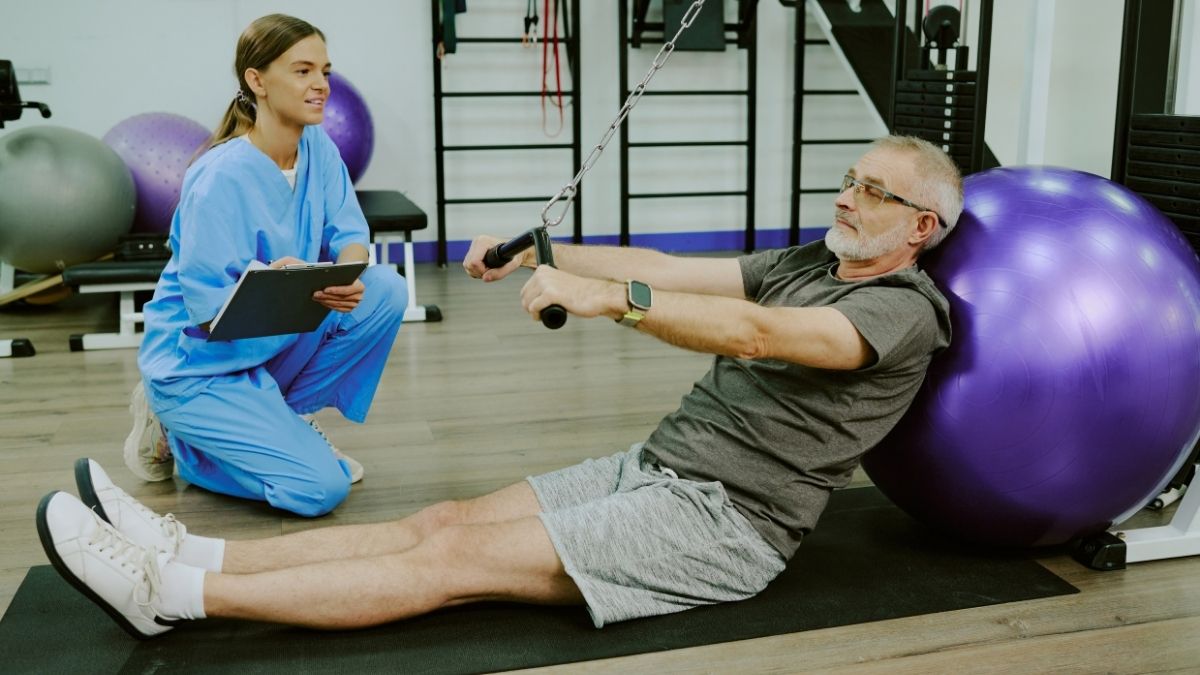
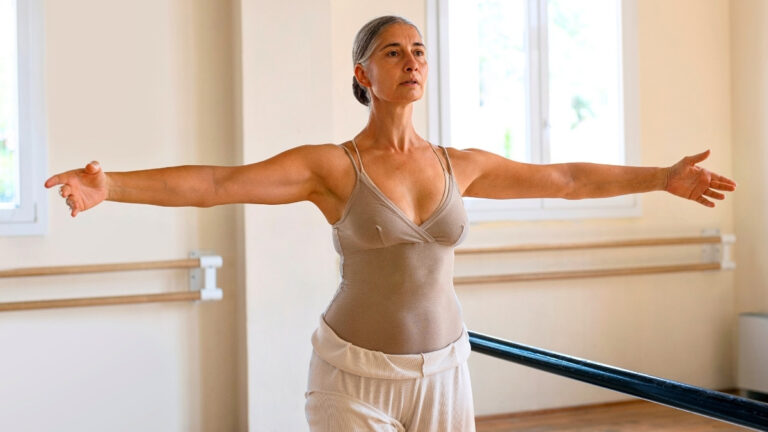
Pillar 4 is Balance. This is your fall-prevention system. The CDC notes falls are a major risk for older adults. Good balance starts with your core.
Any plan that misses one of these pillars is incomplete. A true full-body workout for seniors must include all four every week.
The Routine: Your Weekly Plan and Best Exercises
Here is the practical plan. This is your full-body workout for seniors, broken into three parts.
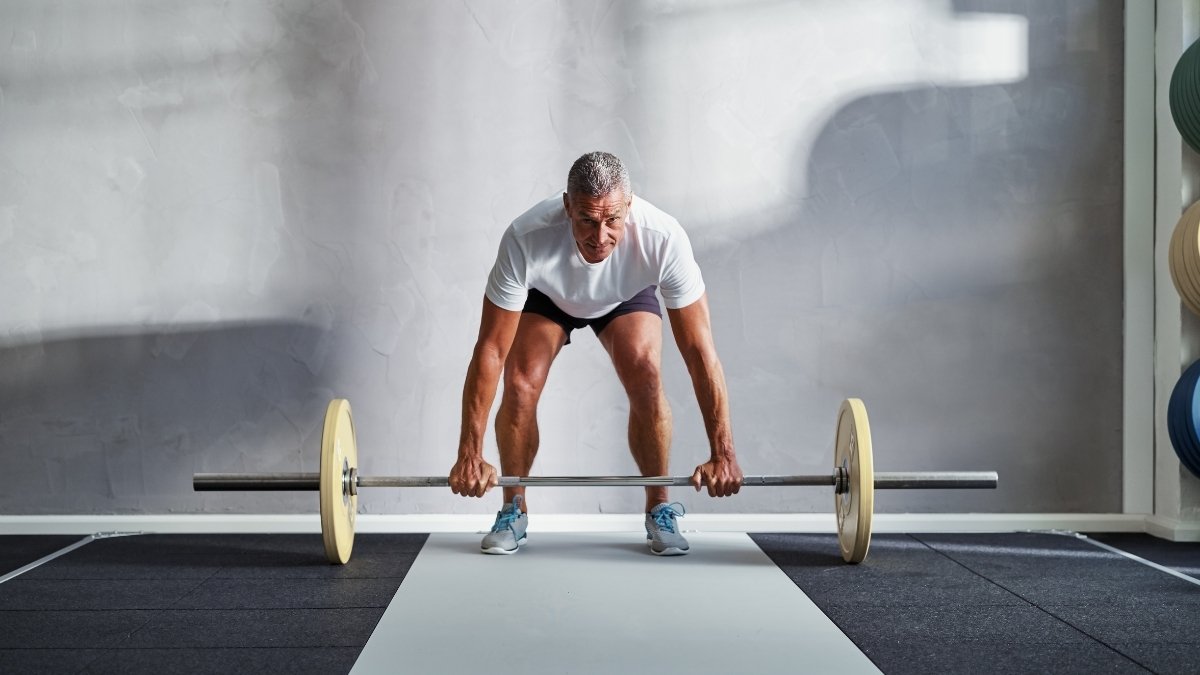
1. Goblet Squat (or Sit-to-Stand)
“This is how you get out of a chair.”
Purpose: Builds leg and hip strength for everyday movements like standing, climbing, or sitting.
How to Do It:
- Stand tall with feet shoulder-width apart.
- Hold a dumbbell or weight close to your chest.
- Bend your knees and push hips back — lower like sitting in a chair.
- Keep your chest lifted and core engaged.
- Push through your heels to rise back up.
Muscles Worked: Quads, Glutes, Hamstrings, Core
2. Dumbbell Carry
“Simple, steady, and powerful — walk tall with strength.”
Purpose: Builds grip strength, core stability, and postural endurance.
This exercise mimics real-life movements like carrying groceries, luggage, or heavy bags — helping you develop practical, everyday strength.
How to Do It:
- Stand tall, holding a dumbbell in each hand by your sides with a firm grip.
- Keep your shoulders pulled back, chest up, and abs engaged.
- Walk forward in a straight line for 30–60 seconds, taking slow, controlled steps.
- Focus on keeping your body upright — no leaning or twisting.
- Rest briefly, then repeat for 2–3 rounds.
3. Dumbbell Row
“Pull strength that fixes posture.”
Purpose: Strengthens the back and balances out pushing movements.
How to Do It:
- Place one hand and knee on a bench or sturdy surface.
- Hold the dumbbell in the other hand, arm extended.
- Pull the weight toward your ribs — elbow close to your body.
- Squeeze your shoulder blade at the top.
- Lower slowly and repeat.
Muscles Worked: Lats, Rhomboids, Biceps, Rear Shoulders
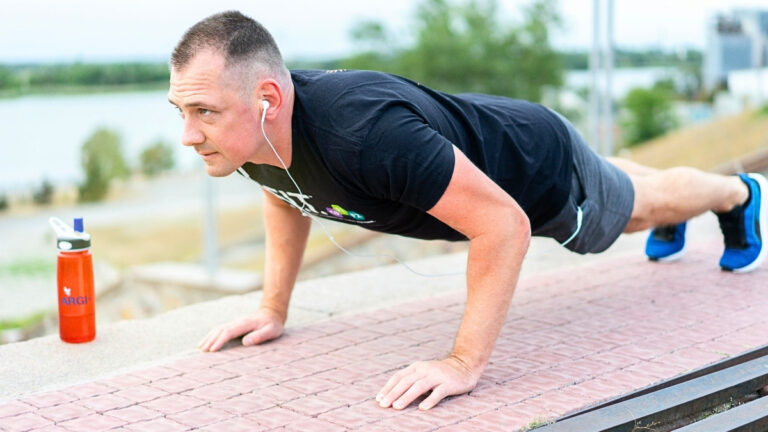
4. Incline Push-Up
“A safe, smart way to build push strength.”
Purpose: Strengthens the chest, shoulders, and arms — helps you get up off the floor with power and control.
How to Do It:
- Place your hands on a bench, table, or wall.
- Step your feet back until your body forms a straight line.
- Bend elbows at about 45°, lowering your chest toward the surface.
- Push back up while keeping your body straight.
Muscles Worked: Chest, Shoulders, Triceps, Core
Part 2: Cardio (2-3 days per week)
Keep this at a moderate, low-impact level. You should be able to hold a conversation while doing it.
How to Start Safely and Modify for Common Pains
Before you start this fitness routine over 50, check with your doctor. This is the most important first step. Get their okay before you lift a single weight.
Your goal on day one is not to get tired. It is to learn the moves. Start with no weight at all, or very light dumbbells. Focus on good form.
You must learn the difference between muscle soreness and joint pain. Muscle soreness is a dull ache a day later, and it is normal. Sharp, shooting pain in your joints is not normal. Stop right away if you feel that.
You can modify exercises for common pains. If you have bad knees, do your squats to a sturdy chair. This “Sit-to-Stand” is one of the best moves you can do.

If you have a bad back, rest one hand on a bench during rows. For sore shoulders, do your push-ups against a wall. There is always a safe way to keep moving. This is what safe senior fitness is all about.
Why This Routine Fails (And How to Guarantee It Works)
This full-body workout for seniors is great, but it can fail. The biggest reason is inconsistency. You have to stick with it even when you don’t feel like it.
The second reason is ignoring food. You cannot out-train a bad diet. Exercise breaks down your muscles, and food rebuilds them.

To fight muscle loss, you must eat enough protein. Your protein needs actually go up as you age. My clients are often surprised when I tell them to eat more.
Sleep is also key. Your muscles grow when you sleep, not in the gym. Aim for 7-8 hours every night.

Finally, track your progress. Don’t just look at the scale. Can you do one more squat? Can you hold your balance for 5 extra seconds? That is real progress in senior fitness.
Lastly,
As a personal trainer for over 15 years, I see people over 50 make the same two mistakes. They either do nothing, or they do only one thing.
Maybe you walk for cardio, but you can’t get up off the floor easily. Or perhaps you lift weights but get winded on the stairs. The senior fitness world is noisy, and you’re worried about getting hurt.
You do not need five different programs. You need one smart, balanced plan.

I am going to share the exact fitness routine over 50 that I give to my clients. It is built on four pillars.
This plan protects your joints, builds muscle, and secures your independence for decades. It is the only guide you will need.