Effective Self-Care Strategies That Promote Happiness, Reduce Burnout, And Improve Overall Life Satisfaction
You check your phone before your feet hit the floor. By 9 AM, you’ve already fielded 20 emails, skipped breakfast, and feel exhausted. Sound familiar?
You’re not alone. Nearly half of U.S. workers left a job because they felt underappreciated. Right now, 82% of employees are at risk of burnout.
Americans report the lowest personal life satisfaction since 2011. The cost? $322 billion annually in lost productivity. But here’s the real cost—your health, your relationships, and your happiness.
The good news: self-care strategies for happiness actually work when you do them right. This isn’t about bubble baths and face masks. This guide gives you evidence-based burnout prevention methods that create real change.
Here’s what you’ll learn:
How to reduce burnout symptoms by up to 25% with simple daily practices. You’ll discover mental health strategies that build emotional resilience, not just temporary relief. We’ll show you how to increase life satisfaction through actions that fit your actual life—not some perfect Instagram version of it.
These methods are backed by science. They’re proven. And they work even when you’re already tired, stressed, and running on empty. Let’s fix this.
Understanding the Self-Care Crisis (Why Traditional Advice Fails)

You’ve tried the bubble baths. Bought the face masks. Maybe even treated yourself to a spa day. But you still feel burned out. Here’s why.
Most self-care advice treats the symptoms, not the cause. When you’re already drowning in stress, a lavender candle won’t save you. Research shows that 36% of companies have zero burnout prevention plans in place. Even worse, only 3 out of 10 managers try to help when their team members struggle.
The real problem? We wait until we’re broken to take action. That’s reactive self-care. You crash, then scramble to fix it. But studies prove that proactive stress management—planning ahead and preventing problems—works much better than trying to recover after the damage is done.
Here’s what most people miss: effective self-care starts with asking “What’s actually causing my stress?” Is it too many meetings? Unclear boundaries? No time for lunch? You need to identify the source before you can fix it.
Think of it like a leaking roof. A bucket catches water, but it doesn’t stop the rain. Traditional self-care is the bucket. Real self-care fixes the roof.
Many professionals don’t even recognize burnout signs until it’s too late. They see self-care as optional—something to do if there’s time. But that thinking keeps the cycle going.
Recognize Your Burnout Warning Signs

Your body knows before your brain does. You’re tired all the time. Small things make you angry. Work feels pointless. These aren’t character flaws. They’re warning signs.
Burnout hits in three ways: exhaustion, cynicism, and detachment. You might have one or all three. Here’s what to watch for.
Physical signs your body is screaming for help:
- You’re tired even after sleeping
- Headaches that won’t quit
- Getting sick more often
- Your body feels heavy
Emotional signs that something’s wrong:
- Everything irritates you
- You don’t care about things you used to love
- Small tasks feel impossible
- You want to cry or explode (or both)
Behavioral signs others might notice first:
- You avoid people and meetings
- Work that took one hour now takes three
- You’re working late but getting less done
- You can’t remember the last time you took a real break
Here’s the scary part: Gen Z and millennials hit peak burnout at just 25 years old. That’s 17 years earlier than the average American, who burns out at 42. And 59% of workers under 35 deal with serious work stress—9% more than older workers.
Physical Self-Care Strategies That Work

Your body keeps the score. When you’re stressed, it shows up as tight shoulders, poor sleep, and zero energy. Here’s how to fix it.
Exercise is the most powerful burnout prevention technique you have. Research proves that physical activity works 1.5 times better than medication for depression. Even better news? You don’t need hours at the gym. Just ten minutes of movement makes people feel happier.
Start with a 10-minute morning walk. That’s it. Do this before you check your phone. Studies show that 12 weeks or shorter of regular exercise cuts mental health symptoms significantly. If you can work up to 30 minutes of moderate exercise three times a week, you’ll see even bigger benefits.
Sleep isn’t a luxury—it’s a reset button for your brain. Stick to the same bedtime every night. Get 7-9 hours. Turn off screens an hour before bed. Blue light from phones tricks your brain into thinking it’s daytime.

Your body also needs fuel. A balanced diet and water improve your energy and focus throughout the day. Sounds basic, but 38% of doctors only exercise once a week or less. If medical professionals struggle with this, you’re not alone.
Here’s your action plan: Set a phone alarm for every 90 minutes during work. Stand up. Stretch for two minutes. Walk to get water. These movement breaks prevent that 3 PM crash.
High-intensity workouts help depression and anxiety most. But all movement counts—yoga, walking, resistance training, or Pilates. Pick what you’ll actually do, not what sounds impressive.
Mental and Emotional Self-Care Practices
Your mind needs maintenance just like your body. When your thoughts spiral and your emotions feel like a storm, these mental health self-care strategies actually help.
Start With 5 Minutes of Mindfulness

Mindfulness is the top skill professionals use to prevent burnout. You don’t need to sit cross-legged for an hour. Start with five minutes each morning. Apps like Calm, Headspace, and Insight Timer make this easy. They guide you through short sessions that reduce stress and sharpen your focus.
Here’s how it works: Sit down. Close your eyes. Focus on your breath. When your mind wanders (it will), gently bring it back. That’s it. Do this before checking your phone or email. This single habit can change your entire day.
Write It Down

Grab a notebook. Write three things you’re grateful for each night. Research shows gratitude practices do more than make you feel warm and fuzzy—they improve heart health, reduce anxiety and depression, and help your brain work better.
You can also try stream-of-consciousness writing. Set a timer for ten minutes. Write whatever comes to mind without stopping. Don’t worry about grammar or making sense. This clears mental clutter and helps you process emotions you didn’t know you were holding.
Build Walls Around Your Time

Here’s a scary stat: 70% of workers can access work messages on their phones. These people are 84% more likely to work after hours. That’s not dedication—that’s a fast track to burnout.
Create a tech-free hour before bed. No emails. No Slack. No “quick checks.” Put your phone in another room. Read a book. Talk to your family. Let your brain actually rest.
Set clear work boundaries. When your workday ends, it ends. Turn off notifications. Set an auto-reply. Tell people when you’re available and when you’re not. This isn’t rude. It’s burnout prevention.
Be Kind to Yourself
Self-compassion might sound soft, but research proves it fights burnout. When you mess up, talk to yourself like you’d talk to a friend. Skip the harsh criticism. Everyone makes mistakes.
Try this: When you catch yourself thinking “I’m so stupid,” stop. Ask yourself, “Would I say this to someone I care about?” Probably not. So why say it to yourself?
Get Professional Help

76% of employees say mental health coverage matters as much as physical health coverage. There’s no shame in therapy. Sometimes you need a professional to help you sort through the mess.
Weekly therapy sessions give you a safe space to process stress, learn coping skills, and catch problems before they explode. Many companies offer Employee Assistance Programs that provide free counseling sessions. Use them.
If therapy feels like too much, try coaching. Life coaches help with specific goals and challenges. Either way, asking for help is strength, not weakness.
Creating Your Personalized Self-Care Plan
Generic advice doesn’t work. You need a plan that fits your actual life. Here’s how to build self-care strategies for happiness that stick.
Find Your Stress Sources First

Sit down with a piece of paper. Write down what’s actually stressing you out. Be specific. Is it your boss? Too many meetings? No lunch breaks? Money worries? Kids’ schedules?
You can’t fix what you don’t identify. Once you see your stress sources in black and white, ask: “What can I do right now to lighten this load?” Maybe you can’t quit your job, but you can block out lunch on your calendar. Small actions matter.
Start Stupidly Small

Don’t try to overhaul your entire life on Monday. That’s how people fail by Wednesday. Research shows even small changes create real improvements in your wellness.
Pick three strategies—one physical, one mental, one social. Examples: A 10-minute morning walk (physical). Five minutes of meditation (mental). One weekly phone call with a friend (social). That’s it for week one.
Schedule these in your calendar like doctor appointments. Treat them as non-negotiable. If it’s not on your calendar, it won’t happen.
Build It Like Legos

Start with 10-15 minutes daily. Do this for one week. Studies prove that proactive stress management—planning ahead instead of reacting to crises—works better for preventing burnout.
At the end of week one, check in. What worked? What felt impossible? Adjust. Maybe morning walks don’t work because you have kids to feed. Fine. Try lunchtime walks instead.
Add one new practice each week. By week four, you’ll have a sustainable routine that actually fits your life. This beats doing everything at once and burning out in three days.
Handle the Obstacles
“I don’t have time.” You have time to scroll social media. You have time for self-care. Start with five minutes. Everyone has five minutes.
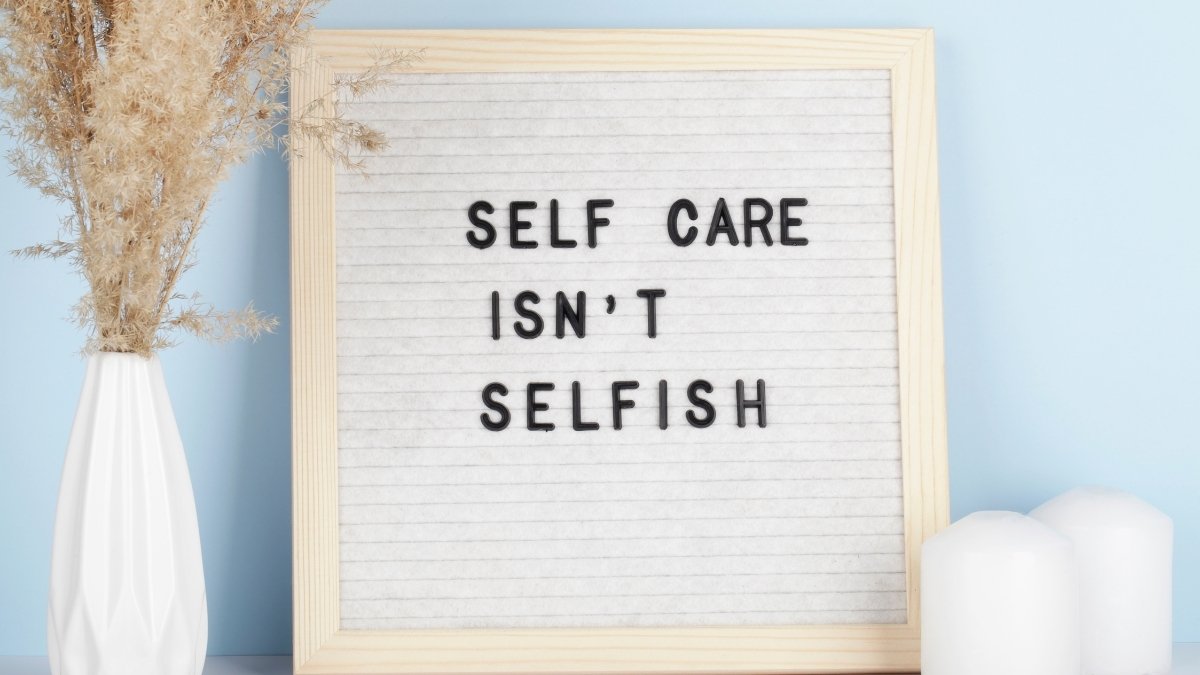
“I feel guilty.” Self-care isn’t selfish. You can’t pour from an empty cup. Taking care of yourself makes you better at taking care of others.
“Nothing’s happening.” Results take time. Most studies show real improvements after 12 weeks of consistent practice. Keep going.
Get an Accountability Partner

Tell someone your plan. A friend, partner, or coworker. Text them your daily check-ins. Join an online group. Having someone who expects updates makes you more likely to follow through.
Your personalized self-care plan should feel doable, not overwhelming. If it doesn’t, make it simpler.
At the Last,
You now have the tools to fight burnout and feel better. Self-care isn’t selfish—it’s how you stay functional and happy. The research is clear: physical activity, mindfulness, strong relationships, and firm boundaries actually work.
Here’s what matters most: small actions done consistently beat big plans you never start. A 10-minute walk beats a gym membership you don’t use. Five minutes of meditation beats a meditation app you downloaded but never opened.
Proactive self-care—the kind you do before you break—works better than scrambling to fix yourself after you crash.

Pick one thing from this guide. Just one. Maybe it’s a morning walk. Maybe it’s turning off work emails at 7 PM. Maybe it’s writing down three things you’re grateful for tonight. Start today. Right now. Set a timer for 10 minutes and do it.
These self-care strategies for happiness aren’t just trends—they’re scientifically-proven methods that can transform your life satisfaction and help you thrive in 2025 and beyond.