

You walk into the kitchen and forget why you came. A name you have known for years slips away halfway through a sentence. Small moments, easy to laugh off.
After 60, the brain loses a little tissue every year, and most people shrug it off as normal aging. It is also easy to ignore, because the changes pile up quietly for years.
That worry is why scientists at Rush University built the MIND diet, an eating pattern later linked to slower brain aging in several large studies. The whole plan rests on 10 foods you can find at any grocery store.
Some of the findings are striking. One major trial was less impressive, and you deserve to hear both sides. Here is what each food does, how much to eat, and what the evidence really proves. Nothing here requires a supplement or a prescription. You can start with your next grocery run.
What Scientists Actually Found About Slower Brain Aging
MIND stands for Mediterranean DASH Intervention for Neurodegenerative Delay. Nutrition researcher Martha Clare Morris and her Rush team blended the Mediterranean and DASH diets around 10 brain healthy food groups, plus 5 groups to limit.

The best known results come from older adults in the Chicago area. In a study of 960 participants followed for about 4.7 years, people in the top third of diet scores declined at a pace equal to being 7.5 years younger than people in the bottom third.
A companion study of 923 adults tied close adherence to as much as 53% lower Alzheimer’s risk, and moderate adherence to about 35% lower risk.
Here is what most articles skip. Those first studies were observational, so they show a link but cannot prove the food caused the result.
MIND Diet Clinical Trials & Brain Aging Data
Landmark cohort studies and randomized trials tracking MIND diet adherence against cognitive trajectories and neuroimaging markers.
960 older adults
604 adults (3-year intervention)
1,647 adults (~12 years follow-up)
700+ older adults
The 2023 randomized trial is the reason to stay realistic. It enrolled 604 overweight adults with a family history of Alzheimer’s, and the MIND group showed no significant cognitive edge over a control diet.
Both groups improved slightly. Everyone also lost about 5.5% of their body weight on average, and the lead researcher noted that the comparison group already ate a fairly healthy diet.
Some experts add that three years may be too short to judge a process that builds over decades.
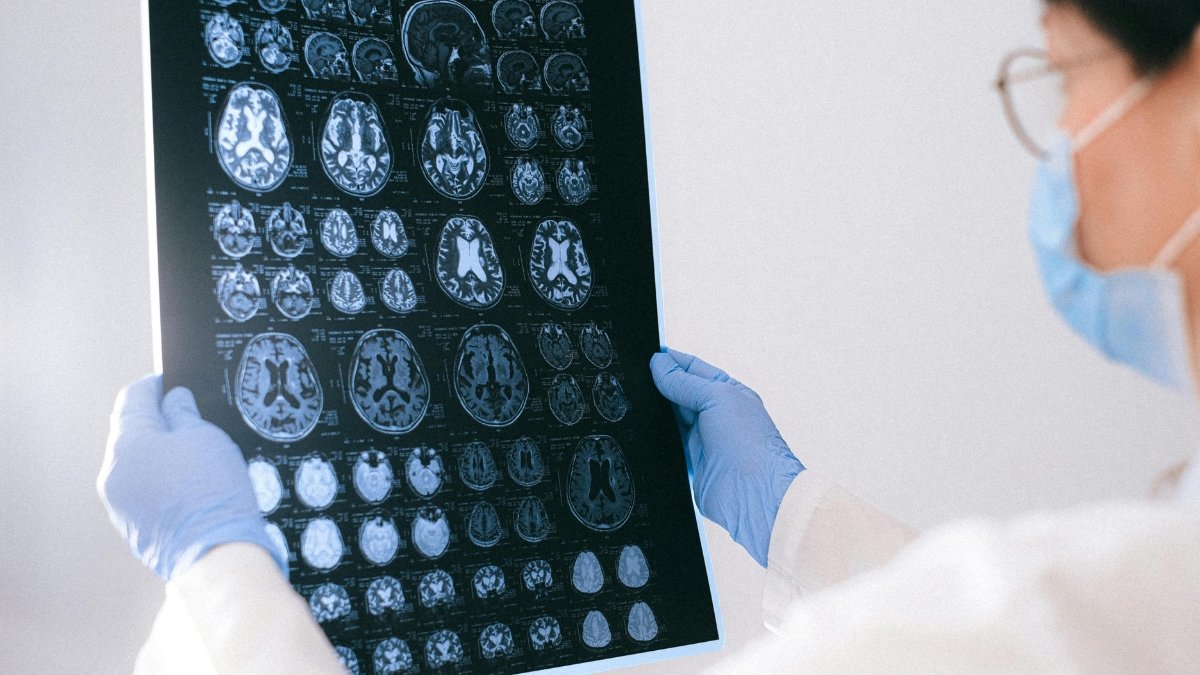
The newer findings point the same direction as the early work. In Framingham adults followed for about 12 years, the people who matched the MIND pattern most closely showed brain changes equal to 2.5 years of slower aging. That study is observational too, so it cannot prove cause and effect.
A separate Rush study of more than 700 seniors found that closer followers had healthier small blood vessels in the brain, larger brains, and fewer white matter scars. That offers a possible explanation for why this eating pattern matters.
The 10 Foods, One by One
Each food below comes with the amount the researchers used and one simple way to eat it. The tenth entry is optional, and you will see why.
1. Leafy Green Vegetables: 6 or More Servings a Week
In a Rush study of 960 older adults, people who ate the most greens (about 1.3 servings a day) declined more slowly than people who ate the least, a gap equal to being 11 years younger. That is a big gap for a food that costs a few dollars.
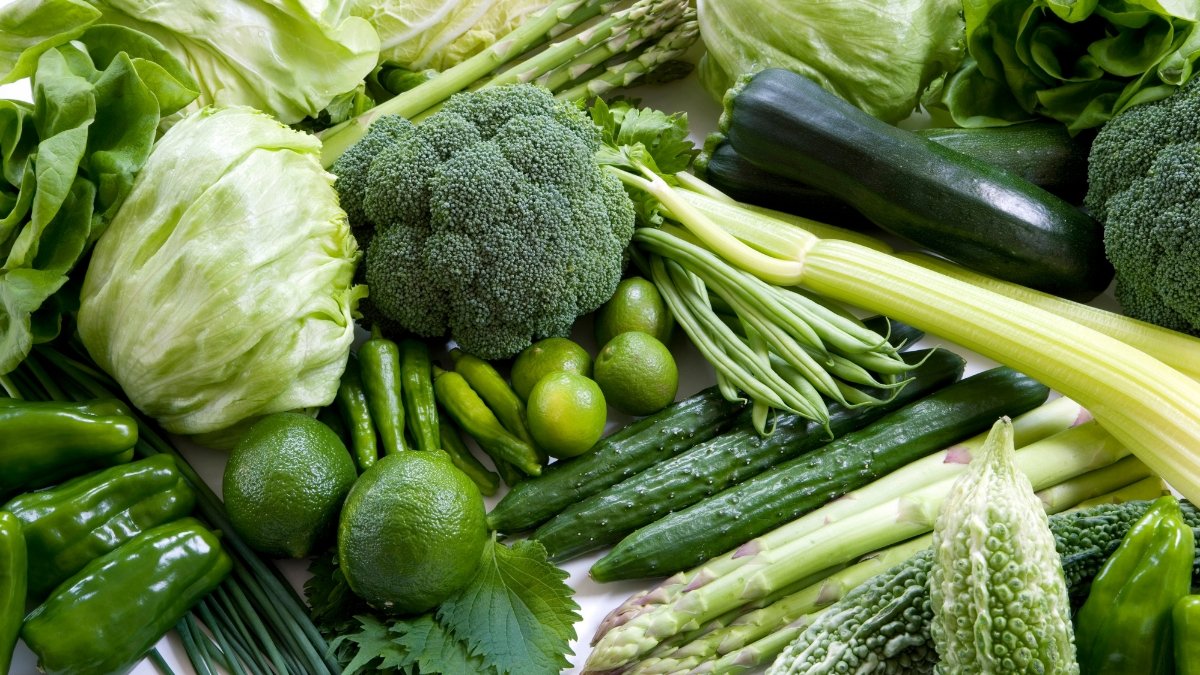
Greens are dense in lutein, vitamin K, folate, nitrate, and kaempferol, nutrients tied to cognitive health. One serving is half a cup cooked or one cup raw. Wilt a handful of spinach into eggs or soup to hit the number.
2. Other Vegetables: At Least 1 Serving a Day
Morris’s early work found that vegetables, but not fruit in general, were tied to slower cognitive decline, with two or more servings a day showing a clear benefit. That is why the diet pushes vegetables daily and keeps most fruit off the list.

Peppers, carrots, broccoli, and tomatoes bring fiber and a wide range of plant compounds. Add one to lunch and one to dinner.
3. Berries: At Least 2 Servings a Week
Berries are the only fruit on the MIND list. In the Nurses’ Health Study, women who regularly ate blueberries or strawberries had memory scores about 2.5 years younger than women who ate few berries.
Berries are rich in anthocyanidins, pigments that can move from the blood into brain regions involved in learning and memory.
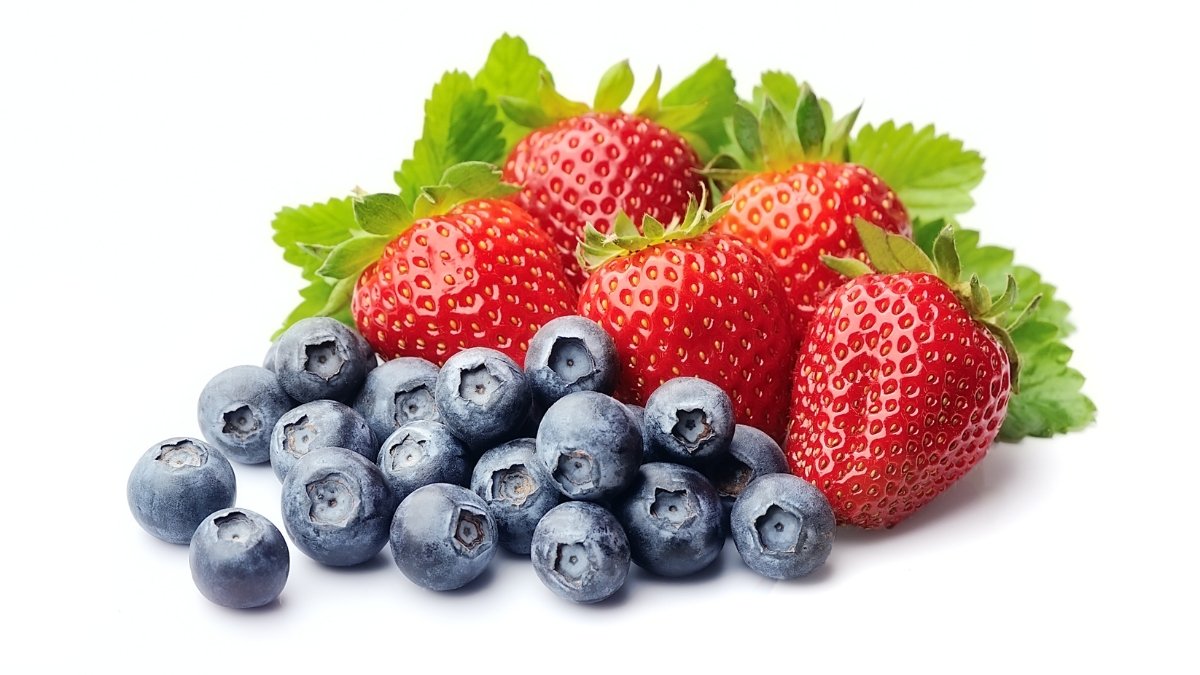
The 2026 Framingham analysis also found that berries slowed the enlargement of the brain’s fluid filled ventricles.
A half cup is a serving. Stir frozen berries into oatmeal or yogurt, which is cheaper than fresh and easy to keep on hand.
4. Nuts: 5 Servings a Week
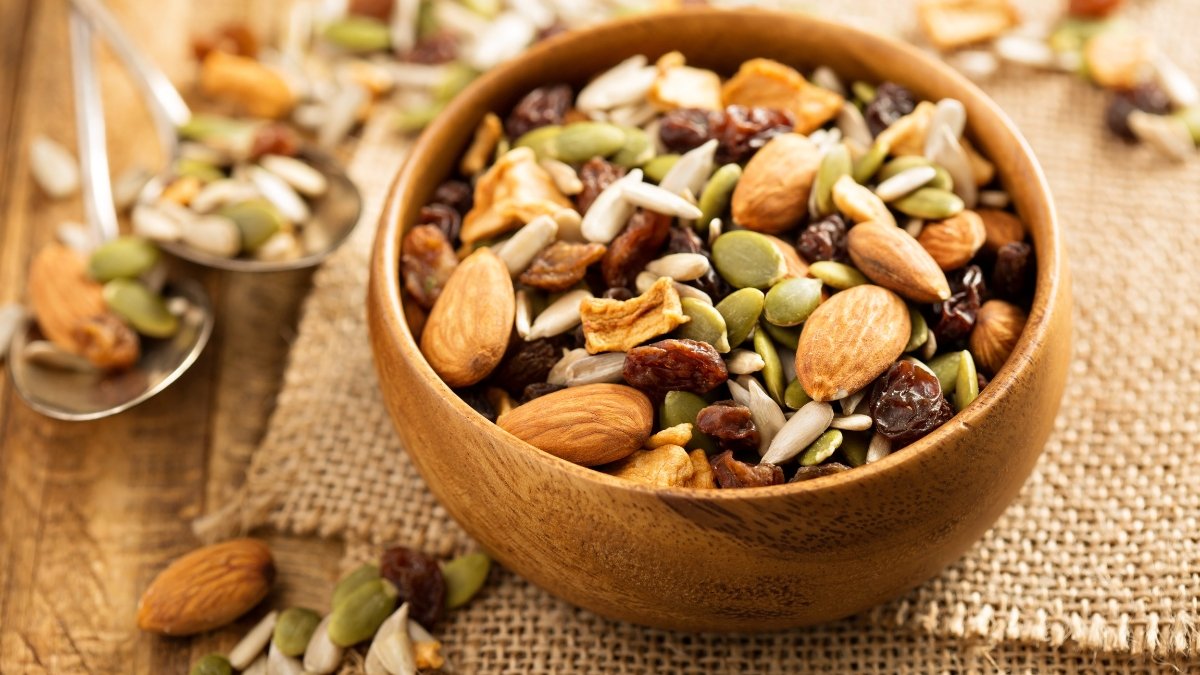
Nuts and seeds have been repeatedly linked to slower cognitive decline. They supply vitamin E and monounsaturated fats that are easier on the arteries than saturated fat, and walnuts add omega 3 fats.
Artery health matters here.
Harvard nutrition expert Walter Willett has said that nearly anything that keeps arteries healthy should lower dementia risk.
A small handful makes a serving. Keep unsalted nuts on the counter where cookies usually live.
5. Beans and Legumes: About 3 Servings a Week
The MIND diet asks for at least 3 servings of beans a week. Lentils, chickpeas, and black beans provide fiber, folate, and slow digesting carbohydrates that keep blood sugar steadier.
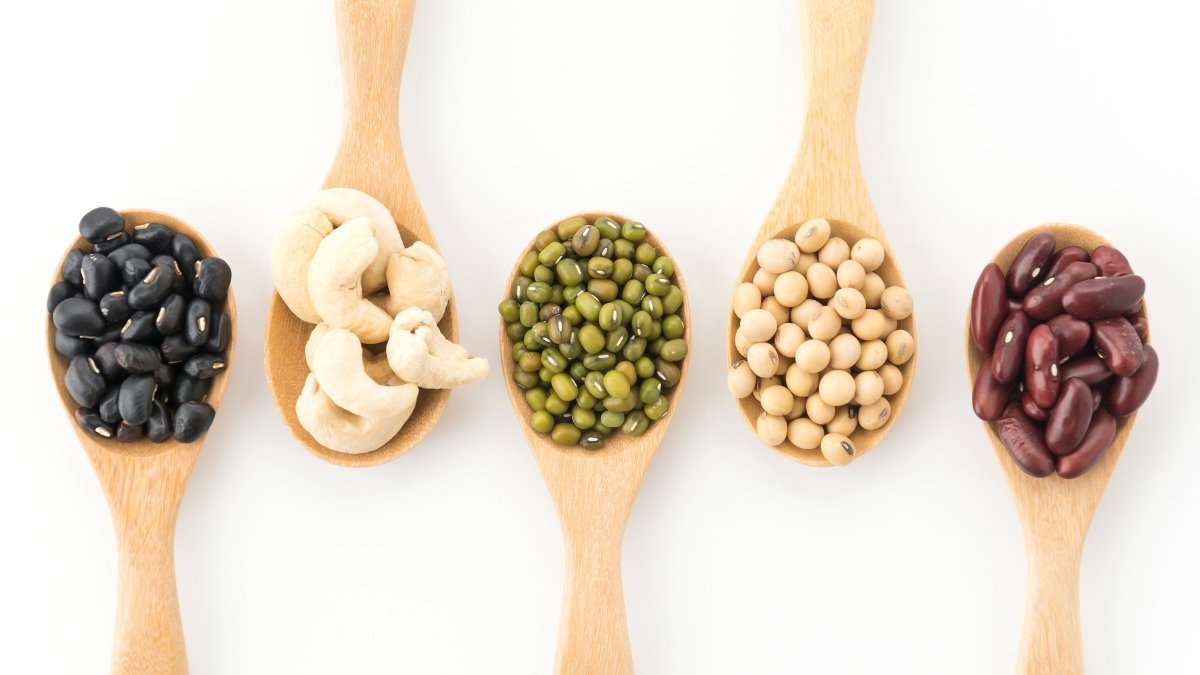
A half cup counts as a serving. Rinse canned beans to cut the sodium, then toss them into soups, salads, or grain bowls.
A quick note on amounts: everyone’s body responds differently. If you take a blood thinner such as warfarin, ask your doctor before changing how many leafy greens you eat, because vitamin K can affect how that medicine works. People with kidney disease, diabetes, or nut allergies should also check first.
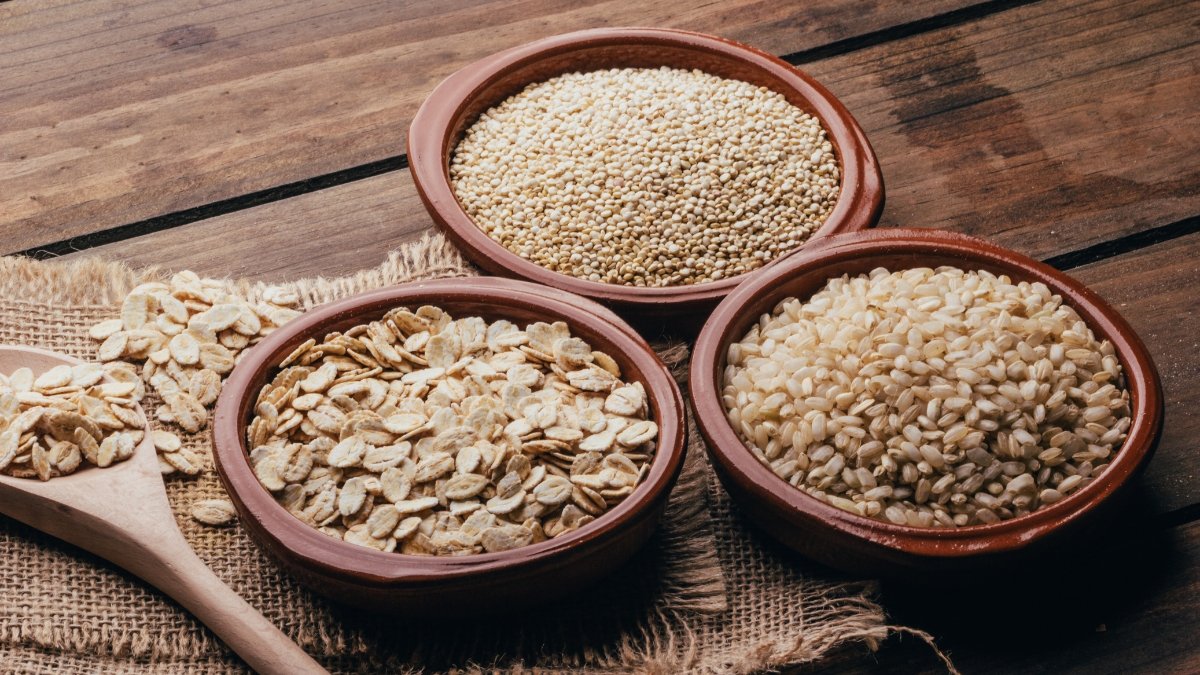
6. Whole Grains: 3 Servings a Day
The target is 3 or more servings of whole grains a day. Both the Mediterranean and DASH diets recommend them.
Whole grains release sugar into the blood slowly, which gives the brain a steadier fuel supply, and they add fiber and B vitamins.
One caution: the 2026 Framingham analysis found inconsistent links between whole grains and brain changes, so researchers say more study is needed.
One slice of whole grain bread or a half cup of cooked oatmeal, quinoa, or brown rice counts. Check that the word “whole” comes first on the ingredient list.
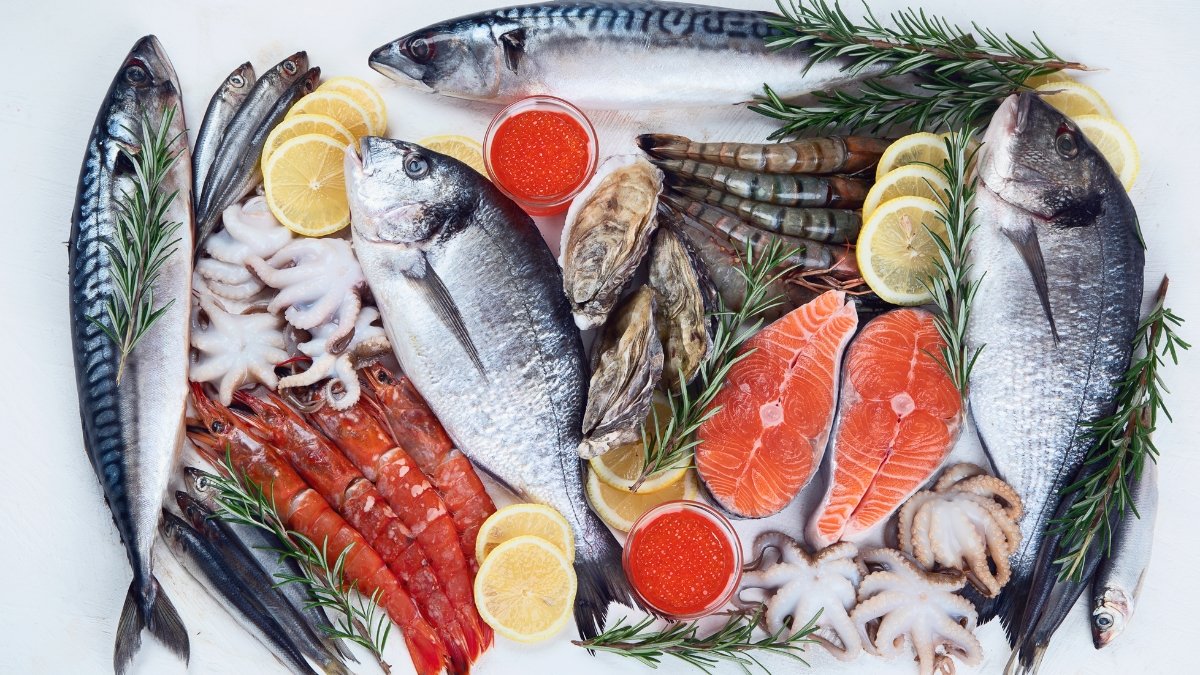
7. Fish: At Least 1 Serving a Week
DHA, an omega 3 fat found in cold water fish such as salmon, is the most abundant fat in the brain. Morris says one seafood meal a week is enough for the diet. Willett says about 2 to 3 servings a week provides virtually all of the benefit.
Food seems to beat the pill here. A major study of about 3,500 older adults found that omega 3 supplements did not slow cognitive decline.
Salmon, sardines, mackerel, and trout are the best choices. Canned versions count, and baking or grilling keeps the fish out of the fried food column.
8. Poultry: At Least 2 Servings a Week
The diet calls for at least 2 servings of poultry a week. In the 2026 Framingham study, poultry slowed both gray matter decline and ventricle enlargement.

Researchers point to poultry as a source of high quality protein within a balanced diet. Skip the breading and the fryer.
Bake, roast, or grill chicken or turkey. Fried chicken belongs on the limit list, not here.
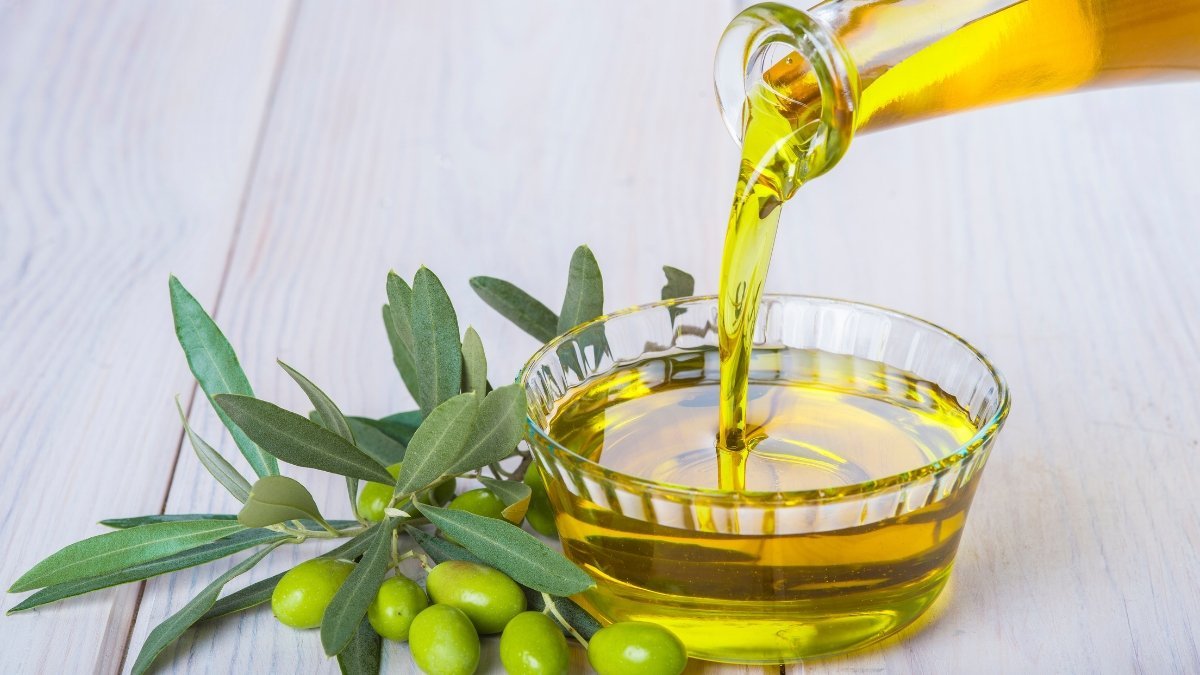
9. Extra Virgin Olive Oil: Make It Your Main Oil
A Harvard led study that tracked 92,383 adults for 28 years found that people who used more than half a tablespoon of olive oil a day had a 28% lower risk of dying from dementia. The link held regardless of overall diet quality.
The study showed only an association, so it cannot prove cause and effect. Still, researchers estimated that swapping one daily teaspoon of margarine for olive oil might trim dementia death risk by up to 14%.
Extra virgin oil is the first press, so it keeps more polyphenols. Use it for sautéing, roasting, and salad dressings.
The 5 Foods to Limit
The MIND diet does not ban these foods. It asks you to keep them small.
Foods to Limit & Easy Brain-Healthy Swaps
Target thresholds for limiting foods linked to cognitive decline and simple, heart-healthy alternatives.
Under 4 servings a week
Under 1 tablespoon a day
Under 1 serving a week
Under 5 servings a week
Under 1 serving a week
In the 2026 Framingham study, sweets and fried foods were tied to faster brain shrinkage. The lead author did caution against reading the cheese results as proof that cheese itself protects the brain.
Try This Today: The Five Minute Brain Food Swap
- Add a handful of spinach or kale to tonight’s dinner.
- Cook with extra virgin olive oil instead of butter.
- Put a half cup of berries on your breakfast.
- Keep a small bowl of unsalted nuts where you usually keep sweets.
- Plan one fish dinner for this week.
When to See a Doctor
Food is not a treatment for memory problems. Memory loss that disrupts daily life is not a typical part of aging. Call your doctor if you notice any of these:
- Memory loss that disrupts daily life, trouble planning or solving problems, or difficulty finishing familiar tasks
- Confusion about time or place
- Withdrawing from work or social activities, or noticeable changes in mood or personality
- Sudden confusion, trouble speaking, or weakness on one side of the body, which is an emergency that needs a call to emergency services right away
Early evaluation can uncover the cause of these changes, and in some cases the cause is reversible.
The Honest Bottom Line,
The MIND diet is not a cure, and it is not a guarantee. The link between this way of eating and slower brain aging shows up in several observational studies, while the one randomized trial so far was too short to settle the question.
The good news is that you do not need a perfect score. Rush researchers say people can help their brain health even by adopting parts of the diet gradually.
Start with greens, berries, and olive oil, then build from there.