

You finish lunch feeling fine. Forty minutes later, your eyelids are heavy and your brain feels like it is wading through mud.
That slump is often a blood sugar spike followed by a crash. Big spikes, repeated day after day, are linked to a higher risk of type 2 diabetes and heart disease over time.
Here is the part most people never hear. You may not have to give up bread, rice, or pasta. Eating vegetables before carbohydrates can change how your body handles the exact same meal.
Researchers tested this with identical plates of food. Only the order changed.
In small studies, blood sugar an hour after eating was as much as 37% lower when carbohydrates came last. The study authors said the effect was comparable to drugs that target blood sugar after meals.
Here is what the research found, where it falls short, and exactly how to try it tonight.
Before you change how you eat based on this article, talk to your doctor, especially if you take diabetes medication or have a diagnosed condition.
Why The Order Of Your Food Changes Your Blood Sugar
Carbohydrates are the main nutrient that raises blood sugar. Refined ones such as white bread, white rice, juice, and sweets break down fast and reach your bloodstream quickly.
Fiber, protein, and fat behave differently. They leave your stomach more slowly, and they slow how fast the starch that follows gets absorbed.
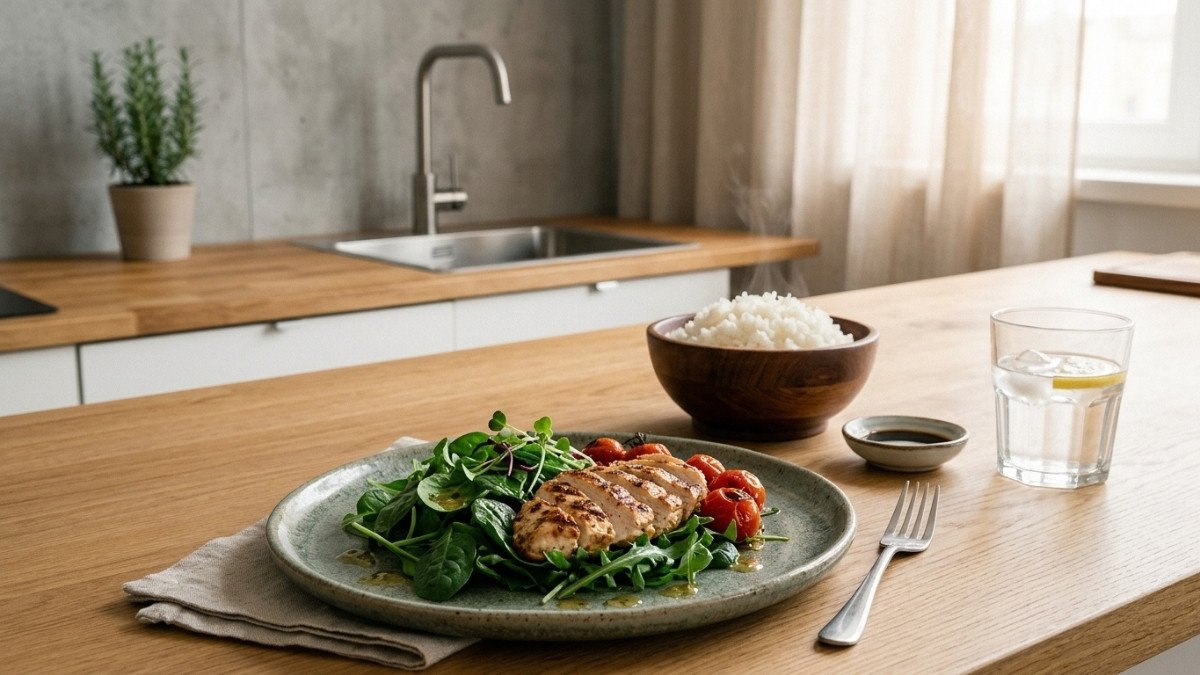
Think of vegetables and protein as a cushion that arrives before the carbohydrates. When the cushion goes first, the rice or bread that follows has to move through a slower digestive system.
A second helper is a gut hormone called GLP 1. Protein, fat, and fiber trigger its release after you eat.
GLP 1 slows stomach emptying, helps your pancreas release insulin in response to rising blood sugar, and tells your brain you are getting full. Medications such as Ozempic and Wegovy are built to mimic this hormone.
In one set of experiments, people who ate carbohydrates last had higher GLP 1 and lower insulin than when they ate the same foods carbohydrates first.
What Happened When Researchers Flipped The Order

The best known work comes from Weill Cornell Medicine in New York. The team kept the meals identical and changed only the sequence.
In a 2015 pilot study, 11 adults with type 2 diabetes ate chicken, salad, broccoli, ciabatta bread, and orange juice on two separate days. On one day, the bread and juice came first.
On the other, the vegetables and protein came first and the bread and juice followed about 15 minutes later.
With carbohydrates last, blood sugar was 28.6% lower at 30 minutes, 37% lower at 60 minutes, and 16.8% lower at 120 minutes. Insulin levels were lower too.
Meal Sequencing Trials & Glycemic Outcomes
Controlled clinical trials tracking blood sugar, insulin, and metabolic responses to food sequencing.
11 adults with type 2 diabetes.
16 adults with type 2 diabetes (avg age 58).
15 adults with prediabetes (avg age 52).
45 adults with prediabetes over 16 weeks.
Other teams have seen similar patterns. A 2014 Japanese study in people with type 2 diabetes reported smaller blood sugar swings when vegetables came before carbohydrates.
A small crossover trial in 18 healthy adults also found lower blood sugar and insulin when vegetables and protein came first.
Notice the ages in the table. Participants in two of these studies averaged 58 and 52 years old, so the findings speak to adults in midlife and beyond.
The Honest Catch Most Articles Skip
Here is where the story gets more careful. Most of these studies are small and tightly controlled, and they track blood sugar for only a few hours after a meal.
A 2022 review pooled eight trials covering 230 people with type 2 diabetes. It found no clear benefit on A1c, the roughly three month average of blood sugar, beyond standard dietary advice. The authors rated the evidence as low certainty.
A newer analysis presented at the American Diabetes Association Scientific Sessions in 2025 found a small gain. Carbohydrates last was linked to blood sugar 13 mg/dL lower at two hours and an A1c about 0.16 percentage points lower.

So where does that leave you? The effect after a single meal looks real and fairly consistent. The long term effect on A1c is still being sorted out and may be modest.
Dietitians also note that the benefit seems biggest in people with insulin resistance, prediabetes, or type 2 diabetes. Someone with healthy blood sugar may see a smaller change.
And order is only one lever. Portion size, exercise, stress, sleep, and illness all move your numbers too.
A UCLA Health article on the topic lands in the same place. A balanced plate matters most, and when you can, push the refined carbohydrates to the end of the meal.
How To Start Eating Vegetables Before Carbohydrates
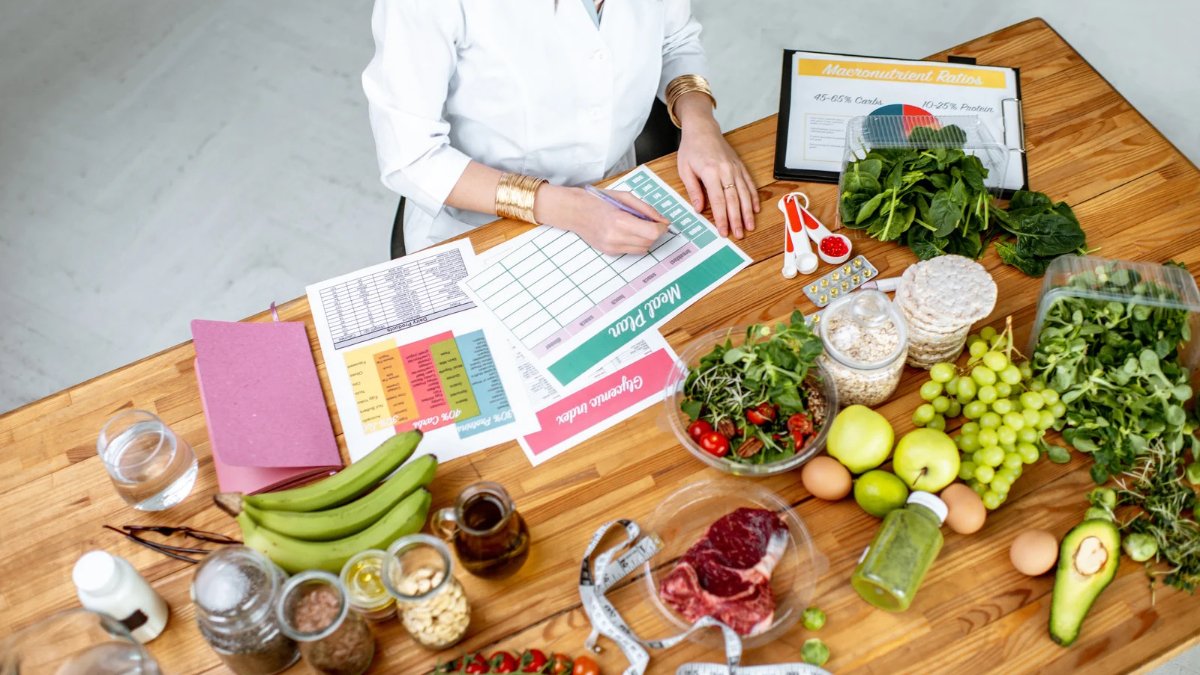
You do not need a special diet. You need a plate and a little patience.
- Start with nonstarchy vegetables. Think salad, steamed broccoli, green beans, roasted cauliflower, or vegetable soup. Eat a real serving, not a garnish.
- Move on to protein and healthy fats. Chicken, fish, eggs, tofu, avocado, and nuts all count.
- Finish with the carbohydrates. Rice, pasta, bread, potatoes, fruit, and dessert come last.
- Do not rush the first course. The studies built in a pause of 10 to 15 minutes before the carbohydrates. You do not need a stopwatch, but do not speed through the vegetables just to reach the bread.
Meal Sequencing & Blood Sugar Strategy
Optimize glucose response by eating fiber, protein, and healthy fats before carbohydrates.
Eggs and sautéed spinach
Toast
Salad with grilled chicken
Pasta or a roll
Salmon or steak with broccoli
Rice or potatoes
Side salad or raw vegetables
The sandwich
House salad or vegetable soup
Bread basket and dessert
Everyone’s body responds differently, so check with your doctor before trying this if you have an existing condition or take medication, particularly insulin or other drugs that lower blood sugar.
A Side Benefit: You May Eat Less Without Trying
There is a practical bonus. By the time you reach the carbohydrates, you have already eaten a satisfying amount of vegetables and protein.
Researchers who study food order point out that people may end up eating a smaller portion of pasta or rice simply because they are less hungry by then.
In the 2023 prediabetes trial, people coached to eat carbohydrates last raised their daily vegetable and protein intake. The authors called the habit a feasible way to improve diet quality.
Mistakes That Quietly Cancel The Benefit
- Starting with a sugary drink. Juice, soda, and sweet coffee drinks hit fast. Keep them away from the start of a meal.
- Tiny vegetable portions. A few lettuce leaves will not do what a full salad and a side of cooked vegetables can.
- Breaded or glazed vegetables. Sugar and breading add carbohydrates right where you wanted a buffer.
- A bigger carbohydrate portion as a reward. Order helps, but it does not erase a very large plate of pasta.
- Expecting a cure. This is a supportive habit, not a replacement for medication or your doctor’s plan.
Quick Answers To What People Ask Next

Do I really have to wait 10 to 15 minutes? Researchers built in a pause, but the practical advice is simple. Eat the vegetables and protein before the carbohydrates.
How soon will I notice a difference? Blood sugar after a single meal can change right away, which you can see on a meter or monitor if you use one. A1c reflects about three months, so give it that long before judging the bigger picture.
What if my food is all mixed together, like a stir fry or casserole? Start with a salad or a small plate of nonstarchy vegetables. That was the advice the Weill Cornell team gave participants when separating foods was not possible.
Do potatoes count as vegetables? Starchy vegetables such as potatoes and yams behave more like carbohydrates. Save them for the end of the meal, and start with leafy greens, broccoli, peppers, or other nonstarchy choices.
Who should be careful? If you take insulin or other medication that lowers blood sugar, smoother spikes can change how much you need, so tell your doctor before you begin. People with delayed stomach emptying, called gastroparesis, are often told to limit high fiber and high fat foods, so ask first.
Try This Today
The Daily Habit That Actually Works
- Start tonight’s dinner with a salad or a full serving of cooked nonstarchy vegetables.
- Eat your protein next, then finish with the rice, pasta, potatoes, or bread.
- Choose water instead of juice or soda at the start of the meal.
- Keep your usual carbohydrate portion the same for a week so order is the only change.
- If your doctor has you using a meter or monitor, compare readings one to two hours after a meal eaten in each order and share the results.
When To Call Your Doctor
Stop experimenting and get medical advice if you notice any of these:
- Extreme thirst, frequent urination, or blurry vision, which can signal high blood sugar
- Shakiness, sweating, confusion, or a racing heart, especially if you take diabetes medication
- Tingling in your hands or feet, or unexplained weight loss
- Ongoing nausea, bloating, or feeling full after only a few bites
The Bottom Line On Your Plate,
Eating vegetables before carbohydrates is one of the few food tips that asks you to add something instead of take something away.
The short term evidence is fairly consistent. The same meal produces smaller blood sugar and insulin swings. The long term payoff is still being studied, so treat it as a helpful habit and not a cure.