

Your brain tissue shrinks a little every year, and most people do nothing about it until their memory starts to slip. By then, the changes behind that forgetfulness have often been building quietly for years, and they can chip away at planning, independence, and confidence. That’s the part nobody warns you about.
Now a way of eating called the MIND diet has been linked to slower loss of brain structure in research involving Harvard scientists. Here’s the catch: the headlines are running ahead of the science, and the real story is more useful than the hype, especially after 50.
Below are the 9 foods at the heart of the MIND diet, how much of each the researchers use, and an honest look at what the research has and hasn’t shown, plus a simple way to start this week. Some of it is encouraging. One major trial is not.
What Harvard Really Found About the MIND Diet and Brain Structure
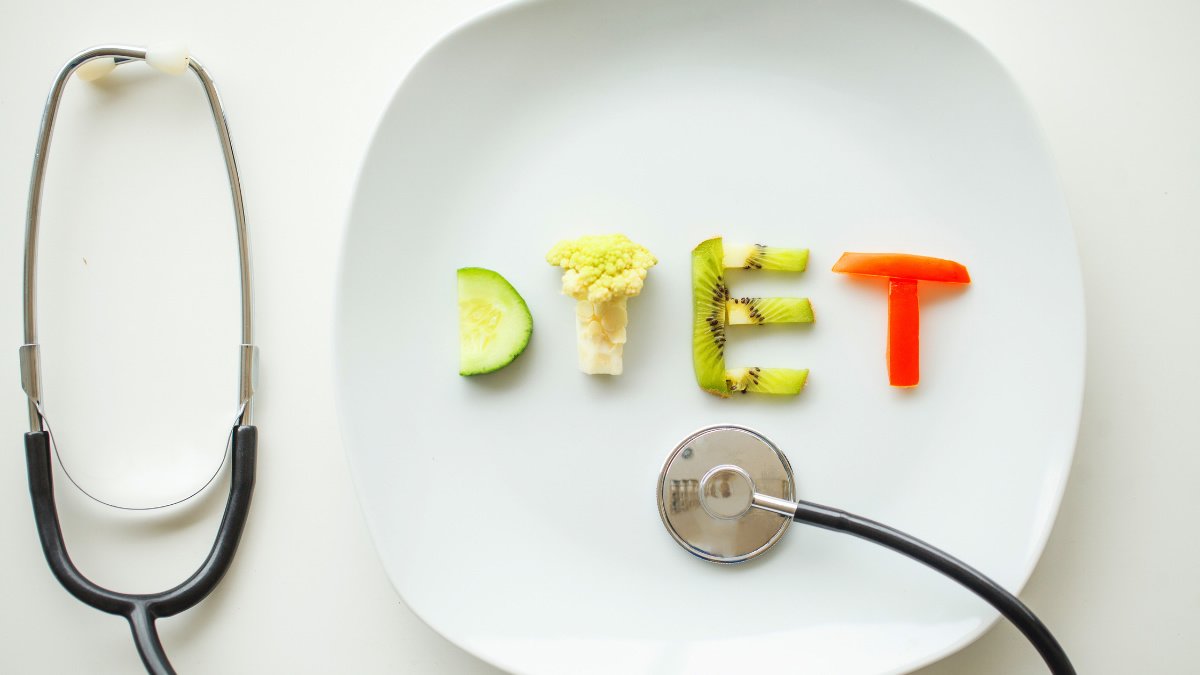
The headline says proves. The research says promising, with some honest limits. Here is the plain version of where things stand.
What is solid: Across several large studies, people whose eating matched the MIND diet more closely tended to score better on thinking tests and had a lower risk of dementia. Researchers at Harvard T.H. Chan School of Public Health helped introduce the diet in 2015 alongside Rush University, and Harvard’s Nutrition Source still reviews the evidence.
What is early: A few brain scan studies found slower shrinkage in gray matter and a larger hippocampus, which is a memory center. These studies are observational, so they show a link, not a cause. Results were also mixed, and some are short conference abstracts rather than full papers.
What is unknown: The one large randomized trial found no clear difference in thinking skills or brain scans between the MIND diet group and a comparison group that also cut calories. Harvard’s own review points out that both groups improved their eating, and that three years may simply be too short to see a change. So no one has shown that this diet protects or preserves brain structure by itself.
Why it is still worth doing: The foods below are the same ones heart doctors recommend, the risks are low for most people, and better blood pressure, blood sugar, and weight all help the brain indirectly. That is a stronger reason to eat this way than any single headline.
Here is how the key studies line up.
Cognitive Aging & Brain Studies Matrix
Comparing study designs, measured outcomes, and findings across cohorts and randomized trials.
Observational, 923 adults
Observational abstract, 1,647 adults
Observational abstract
Randomized, 604 adults
Observational
The 9 Foods Behind the MIND Diet
These are the 9 brain healthy food groups from the original MIND diet, with the weekly targets researchers use. You do not need to hit every number on day one.
1. Green Leafy Vegetables
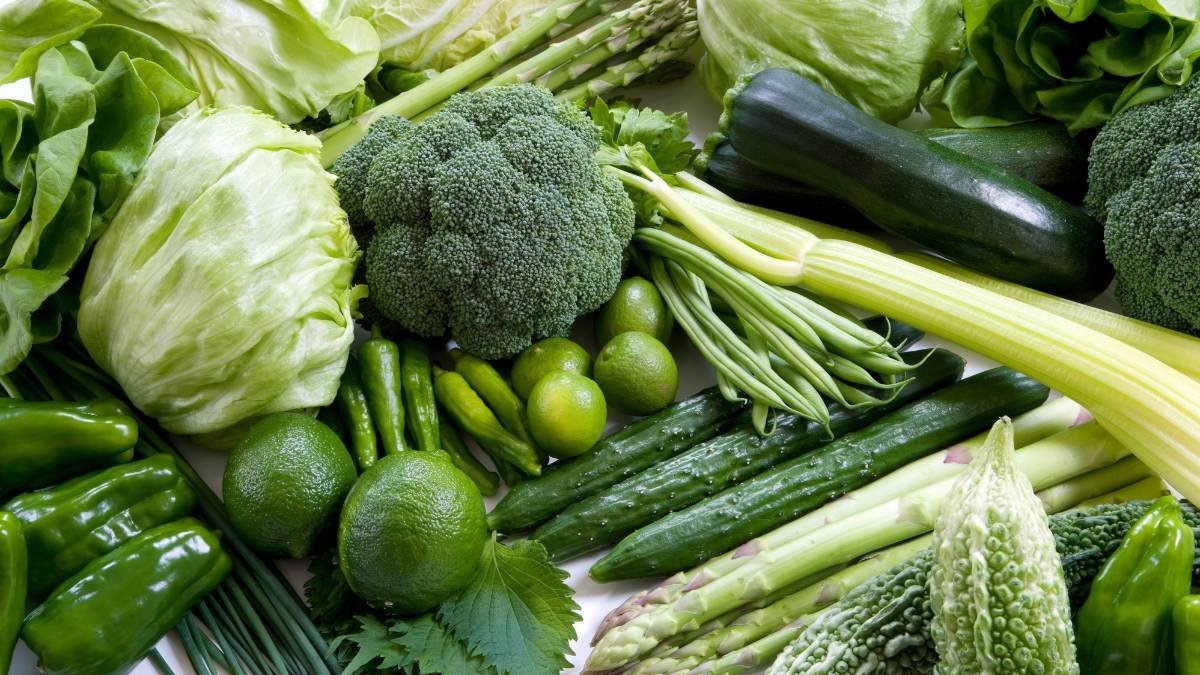
Spinach, kale, and collards lead the MIND list, with a target of at least six servings a week. They deliver vitamin K, folate, and carotenoids like lutein, which researchers believe help limit oxidative stress and inflammation in brain tissue.
A serving is about one cup raw or half a cup cooked. Toss a handful into eggs, soup, or a smoothie so it takes almost no effort. If you take warfarin, keep your greens steady from week to week and ask your doctor first, because vitamin K affects how that medication works.
2. Other Vegetables
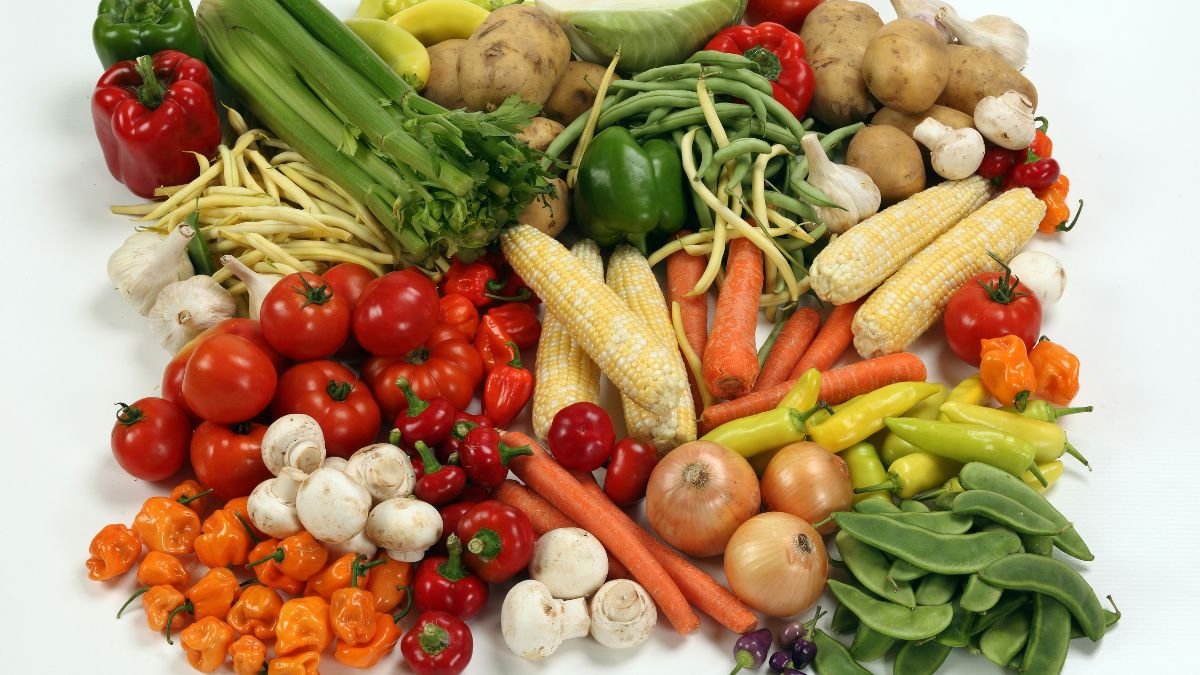
Beyond greens, the MIND diet asks for at least one serving of another vegetable every day. Colorful vegetables like broccoli and peppers add fiber, vitamin C, and carotenoids, and diets rich in vegetables support the healthy blood pressure that protects small blood vessels in the brain.
Harvard’s sample menu puts steamed cauliflower at dinner and cucumbers and peppers in a lunch salad. Copy that idea by adding one colorful vegetable to your biggest meal, and the daily target is done.
3. Nuts
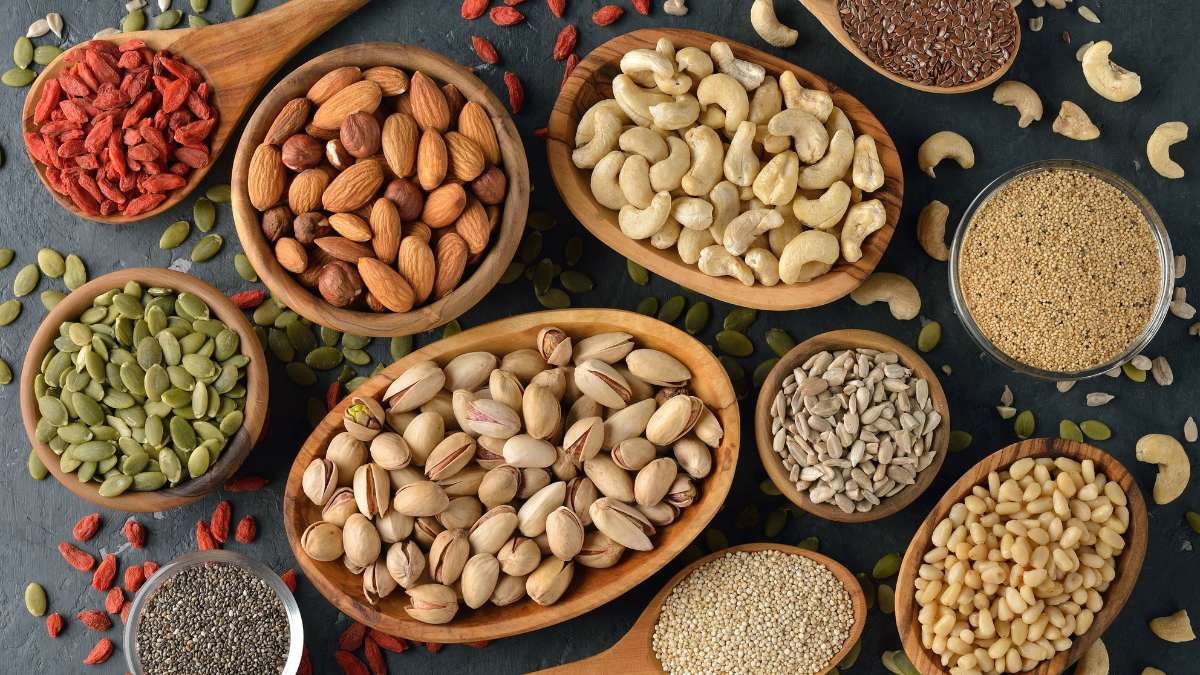
The MIND diet calls for nuts at least five times a week. They supply vitamin E, healthy unsaturated fats, and plant polyphenols, and walnuts add a plant form of omega 3 fat. Vitamin E is an antioxidant that works inside cell membranes, where brain cells face constant oxidative stress.
Harvard’s sample plan uses a quarter cup of unsalted mixed nuts as a snack, which is a practical serving. Choose unsalted or lightly salted nuts, because extra sodium works against the blood pressure goals the diet borrowed from DASH.
4. Berries
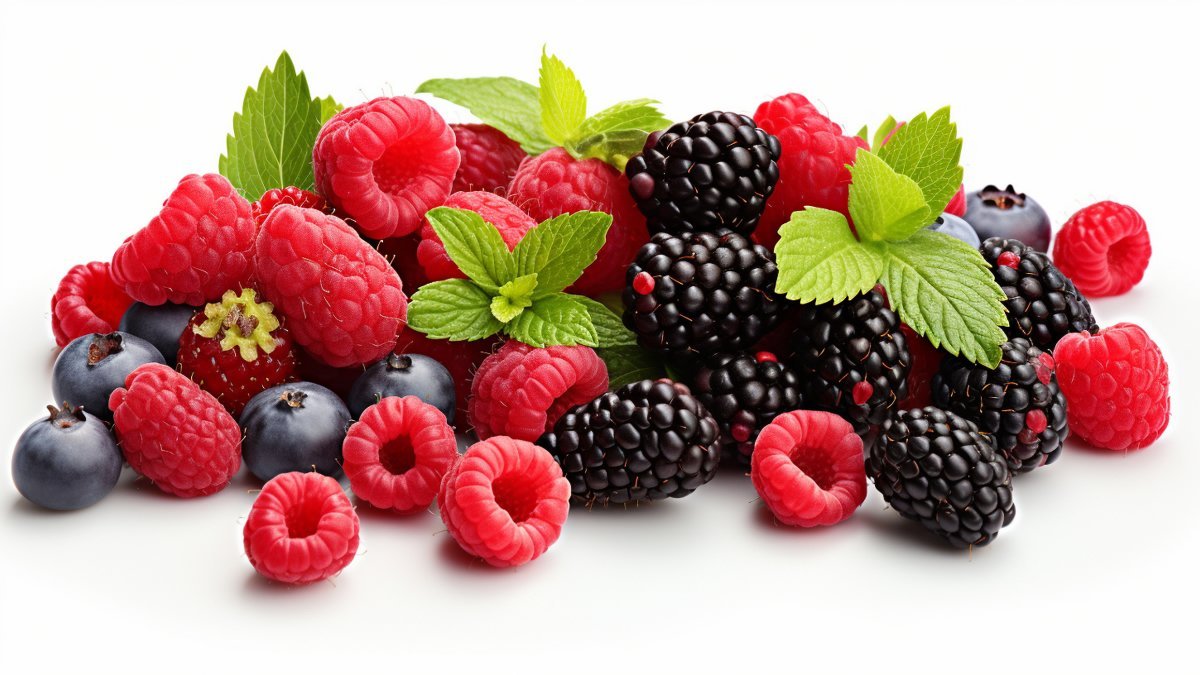
Berries are the only fruit named in the MIND diet, and blueberries and strawberries get the most attention. Their deep colors come from anthocyanins and other flavonoids, plant compounds that researchers think may reduce inflammation and oxidative damage in the brain.
The target is at least two servings a week, and frozen berries count. Harvard’s sample breakfast pairs three quarters of a cup of blueberries with oatmeal. Keep a bag in the freezer so the habit never depends on what is in season.
5. Beans
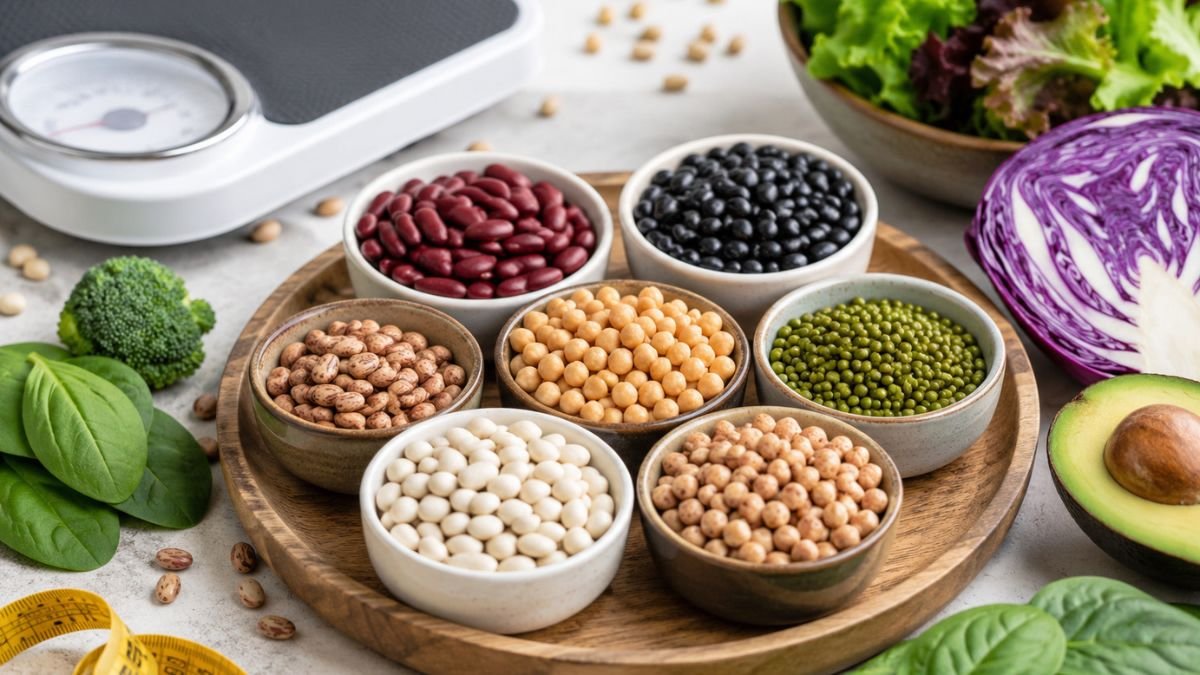
Beans, lentils, and soybeans should show up in at least four meals a week. They supply folate, fiber, and plant protein, and their slow digesting carbohydrates keep blood sugar steadier, which matters because high blood sugar is hard on small blood vessels.
Harvard’s sample lunch serves one cup of canned beans over brown rice. Drain and rinse canned beans to cut the sodium. If a full bean meal feels like a stretch, stir half a cup into soups and salads.
Serving sizes and weekly targets here come from research protocols, and everyone’s body responds differently, so check with your doctor or a dietitian if you have a health condition or take medication.
6. Whole Grains

This is the biggest daily target on the list, at least three servings a day. Whole grains like oats and brown rice provide fiber and B vitamins, and they release sugar into the blood more slowly than refined grains. Steadier blood sugar and better cholesterol numbers help protect the vessels that feed the brain.
A serving is roughly half a cup of cooked grains or one slice of whole grain bread. Swap white rice for brown and white bread for a true whole grain loaf, and you are most of the way there.
7. Fish
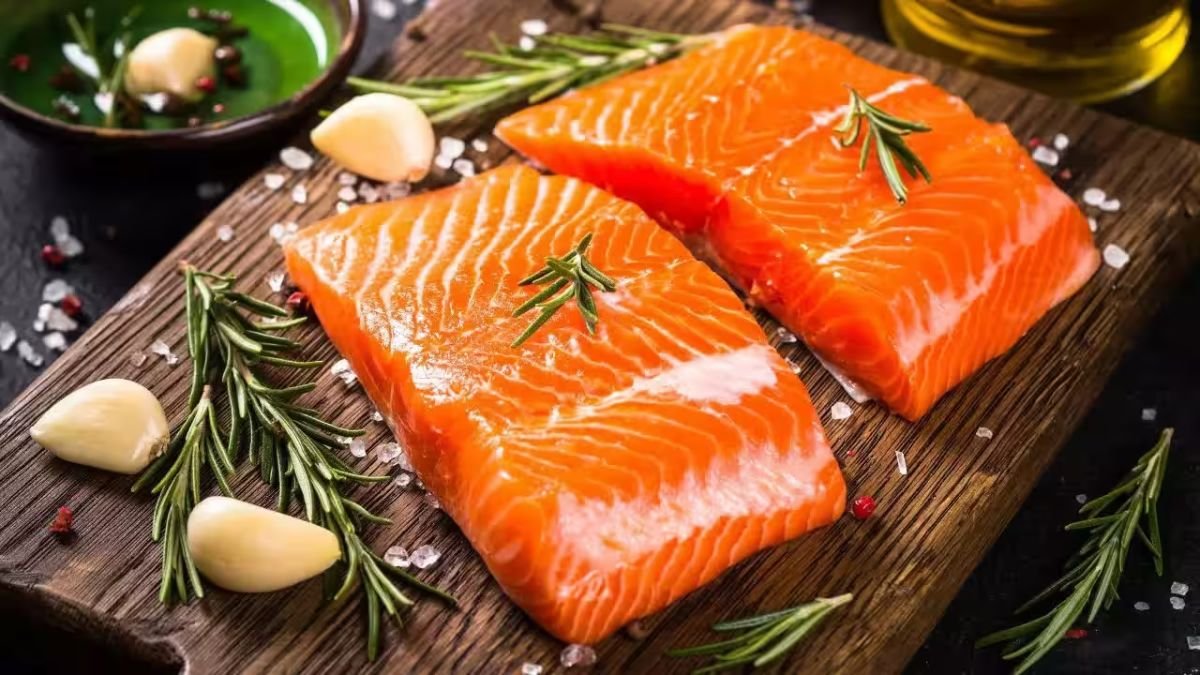
The MIND target for fish is modest: at least one meal a week. Fatty fish like salmon and sardines are rich in DHA and EPA, two omega 3 fats. DHA is a major building block of brain cell membranes.
Harvard’s sample dinner uses three ounces of baked salmon. Bake or grill your fish instead of frying it, because fried food is on the MIND list to limit.
8. Poultry

Chicken and turkey earn a place, with a target of at least two meals a week. They supply lean protein and B vitamins, and they stand in for red meat, which the MIND diet caps because it is higher in saturated fat. Heavy saturated fat intake is linked to poorer blood vessel health, and the brain depends on those vessels.
Roast, bake, or grill poultry rather than frying it, since fried food counts against your MIND score. Keep red meat under four servings a week to match Harvard’s summary of the diet.
9. Olive Oil

The MIND diet sets no weekly count for olive oil. It simply asks you to make it your main added fat, in place of butter and stick margarine. Extra virgin olive oil is rich in monounsaturated fat and polyphenols, and it is a pillar of the Mediterranean pattern that MIND borrows from.
Harvard’s sample plan uses olive oil for sautéing, for salad dressing, and for dipping a whole grain roll. Keep butter under one tablespoon a day, which is the MIND limit.
Questions People Ask Next

Do I need all 9 foods to see a benefit?
No. In the original research, even moderate adherence to the MIND diet was linked to a lower Alzheimer’s risk than low adherence, and the plan was designed to be easier to follow than the Mediterranean diet. Start with the foods you already enjoy and add one more each week.
How long does it take to matter?
The strongest links came from studies that followed people for years, not weeks. Martha Clare Morris, the Rush researcher who developed the diet, has said that the longer someone eats this way, the more protection appears to build. Think of it as a long game, not a quick fix you will feel by Friday.
Can the MIND diet reverse memory loss?
No evidence shows that it can. The research looks at prevention and slower decline in people who are still thinking clearly, not repair of damaged brain tissue. If memory is already changing, food is a helpful side dish, not a substitute for a medical evaluation.
What mistakes quietly undo the benefits?
The most common slip is counting foods that sound healthy but arrive fried, such as breaded chicken or battered fish. Fried food counts against you on the MIND score, so the cooking method matters as much as the ingredient.
Salted nuts and sweetened dried berries are the next trap, because extra sodium and added sugar work against the heart and blood vessel goals behind the diet. Treating the weekly targets as all or nothing is the last one, since the research linked even partial adherence to better results.
What does the MIND diet say to cut back on?
Harvard’s Nutrition Source lists five foods to limit:
- Red meat: fewer than four servings a week
- Butter and stick margarine: less than one tablespoon a day
- Cheese: less than one serving a week
- Fried foods: less than one serving a week
- Pastries and sweets: fewer than five servings a week
Who should check with a doctor first?
People who take warfarin should keep vitamin K intake steady. Those with kidney disease are often told to limit potassium and phosphorus, which are found in several MIND foods.
Anyone with a nut allergy should skip nuts and ask about substitutes. If you manage diabetes, a dietitian can help you fit whole grains and beans around your medication.
What One MIND Day Can Look Like
This sample day follows the same pattern as Harvard’s Nutrition Source meal plan and covers eight of the 9 foods. Add poultry on two other nights a week and the weekly targets start to fall into place.
One-Day MIND Diet Meal Blueprint
Sample daily plates designed to maximize brain-protective food groups across every meal.
Oatmeal with blueberries and walnuts
Bean and spinach soup, olive oil salad
Carrot sticks and almonds
Baked salmon, broccoli, brown rice
Try This Today: The Five Minute MIND Reset
- Add one cup of leafy greens to the next meal you cook.
- Swap butter for olive oil in one recipe this week.
- Pack a small portion of unsalted nuts for tomorrow’s snack.
- Plan one fish meal and one bean meal for this week.
- Keep frozen berries on hand so breakfast is easy.
When To Stop Reading And Call A Doctor
- Memory loss that disrupts daily life, such as getting lost on familiar routes or missing bills.
- Trouble finding common words, or repeating the same question again and again.
- Sudden confusion, slurred speech, or weakness on one side, which need emergency care right away.
- Big changes in mood, judgment, or personality that friends or family have noticed.
The Bottom Line For Your Plate
No one has proven that the MIND diet preserves brain structure on its own. The best current picture is a pattern of encouraging links, a few promising brain scan results, and one randomized trial that found no extra benefit over a comparison diet.

The upside is that the diet asks you to eat things that already earn their place on any healthy plate. Greens, berries, and nuts are easy wins.
Beans, whole grains, and fish add staying power. Poultry and olive oil finish the plate.
This article is for informational purposes only and is not a substitute for professional medical advice, diagnosis, or treatment. Always consult your doctor or a qualified healthcare provider before changing your diet or medications, especially if you have an existing health condition.