

You wash your hands, you get your sleep, and you still catch every cold that goes around. Winter makes it harder: shorter days, less sunshine, and everyone breathing the same indoor air. One week of sniffles turns into missed work, a foggy head, and a body that takes weeks to feel normal again.
Nutritionists keep pointing to the same short list of immunity boosting winter foods, and the reasons they work go deeper than “eat more vitamin C.”
This list covers nine of them, from citrus to salmon. Each one comes with the nutrient behind it, how much to eat, and an honest note on what the research does and does not show.
Some are already in your kitchen, and a few are better than you think. None of them is a magic shield, but together they give your body real material to work with once cold and flu season is in full swing.
Why Winter Puts Your Immune System Under Pressure
Adults catch two to four colds a year on average. Winter stacks the odds against you with more time indoors around other people, drier air, and far less sunlight.

That sunlight problem matters more than most people realize. In regions above roughly 35 degrees latitude, skin makes very little vitamin D for several months of the year, and vitamin D helps regulate how your immune cells respond to viruses.
Here is the part most lists skip. Dietitians consistently stress that no single food prevents illness. Immunity depends on your overall eating pattern, and the foods below work best as a team.
The 6 Nutrients Doing The Heavy Lifting
Almost every food on this list works through one or more of the same nutrients. Here is the cheat sheet.
Immune-Supporting Nutrients & Food Sources
Key micronutrients, live cultures, and bioactive plant compounds that reinforce cellular immunity and barrier defenses.
Builds up inside white blood cells & enhances plant iron absorption
Maintains airway and gut mucosal linings & supports T cells
Helps regulate the early innate antiviral immune response
Fat-soluble antioxidant that protects immune cell membranes
Live beneficial bacteria interacting with gut-associated immune tissue
Gingerols, allicin & beta-glucans studied for anti-inflammatory & antimicrobial effects
The 9 Immunity Boosting Winter Foods Worth Putting In Your Cart
1. Citrus Fruits
One medium orange supplies about 70 mg of vitamin C, which covers most of the 75 to 90 mg adults need each day. White blood cells soak up vitamin C and hold it at some of the highest concentrations in the body, according to the NIH.
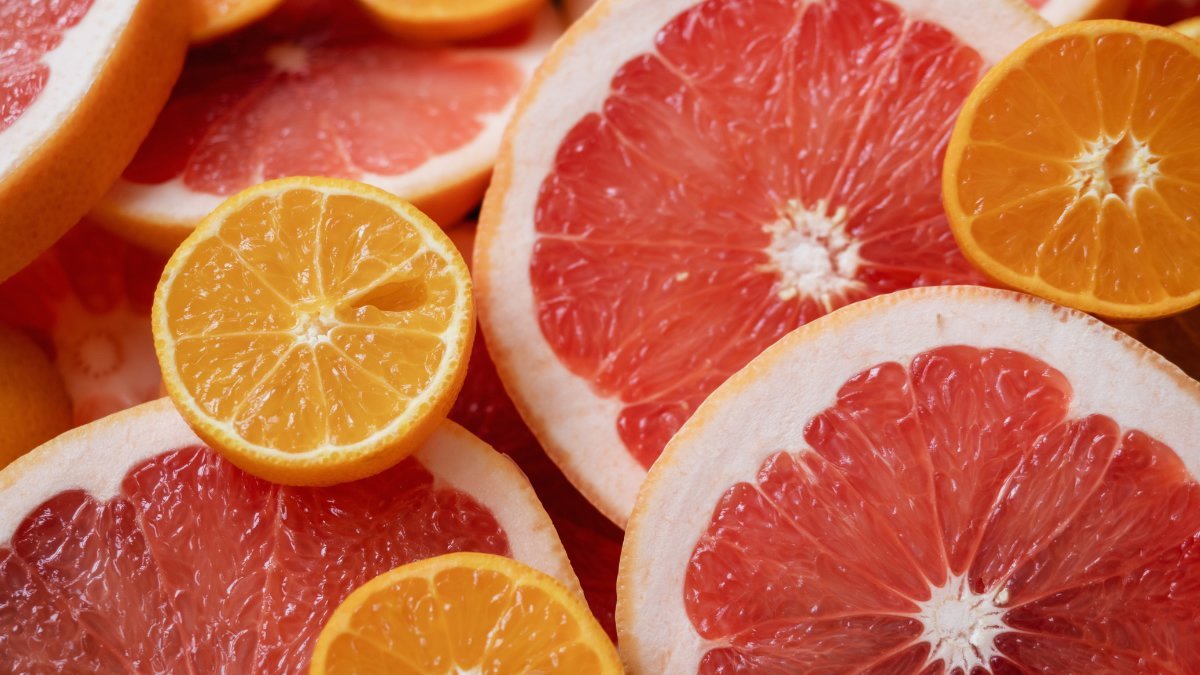
A Cochrane review of regular vitamin C intake found colds were about 8% shorter in adults and 14% shorter in children, though it did not reduce how many colds people caught. Aim for one orange or half a grapefruit a day, eaten whole and raw, since heat destroys vitamin C.
2. Garlic
Crushing a clove triggers an enzyme that turns alliin into allicin, the sulfur compound behind garlic’s smell and its antimicrobial punch in lab studies. The evidence in people is thinner.
A Cochrane review found only one usable trial of 146 adults, in which the garlic supplement group had 24 colds over 12 weeks compared with 65 in the placebo group.
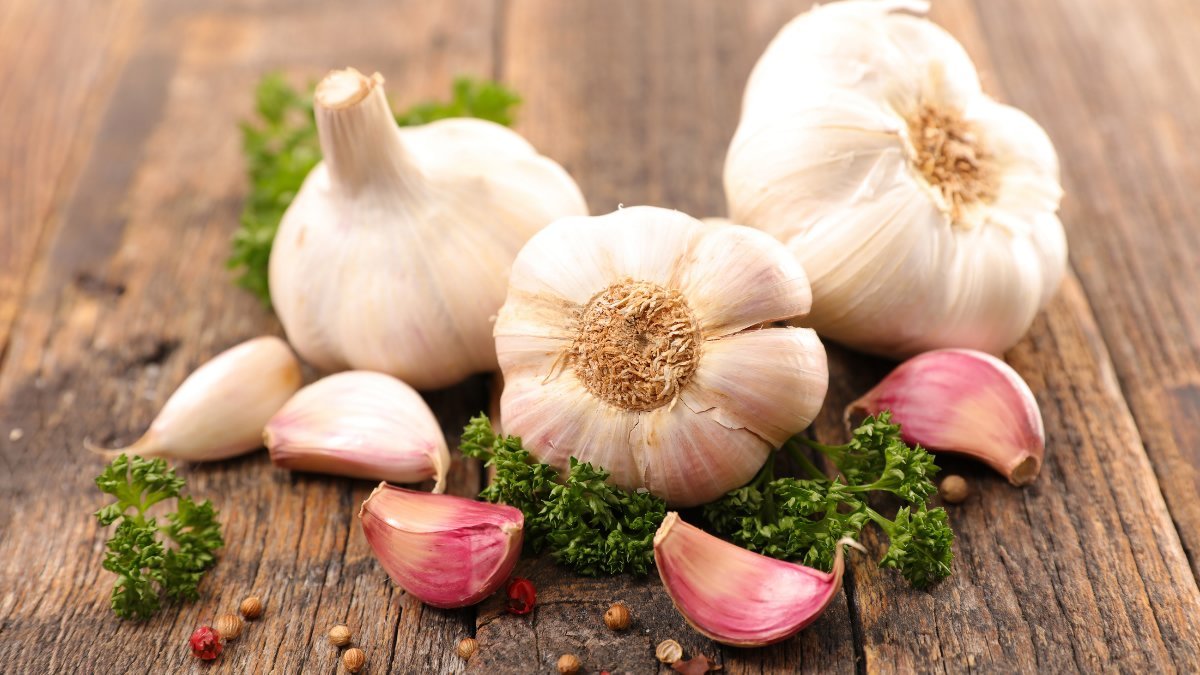
Reviewers still called the evidence inconclusive because it came from a single small study. Crush or chop a clove and let it rest about 10 minutes before heating, then stir it into soups, stir fries, or roasted vegetables.
3. Ginger
Fresh ginger contains gingerols, compounds that calm inflammatory signaling in immune cells in lab studies, including a pathway called NF kappa B. Most of that research is in cells and animals, so think of ginger as a supportive food rather than a cold cure.
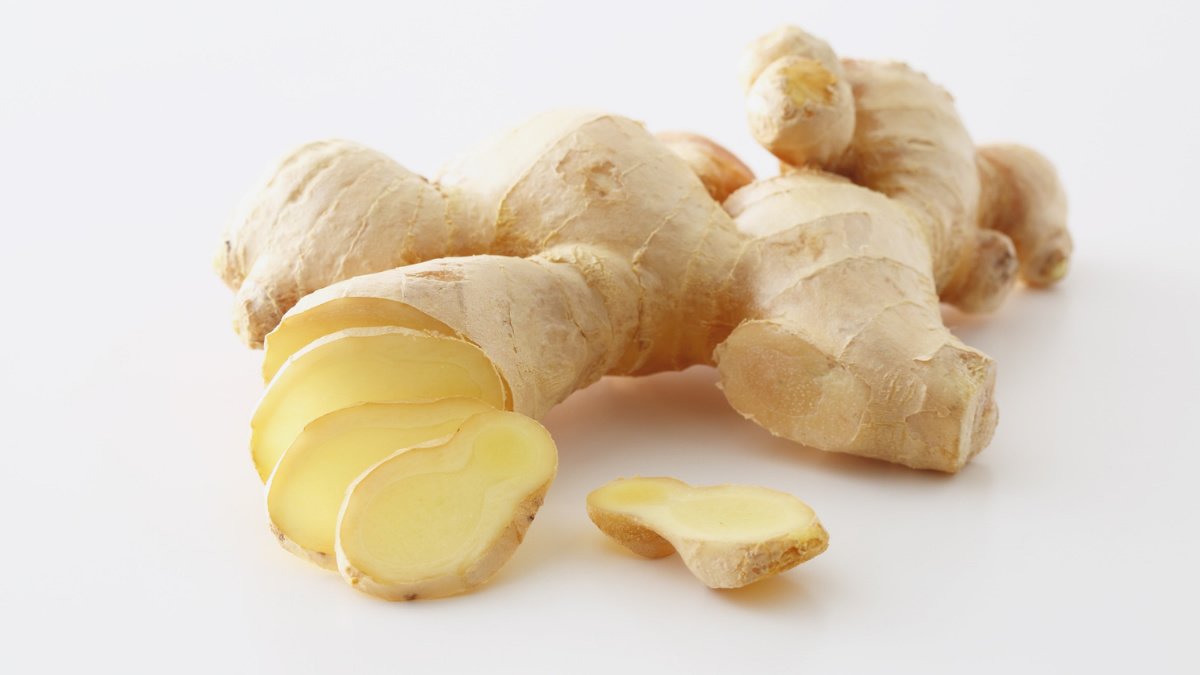
A Cleveland Clinic dietitian has said she asks patients to try ginger from food before reaching for supplements. Grate about a teaspoon of fresh root into hot water with lemon, or stir it into soup.
4. Spinach And Other Dark Leafy Greens
Half a cup of boiled frozen spinach delivers about 573 mcg of vitamin A, which is 64% of the daily value, along with vitamin E, folate, and a little vitamin C. Vitamin A keeps the linings of your airways and gut in working order, and NIH animal research found it fuels the T cells that guard those surfaces.
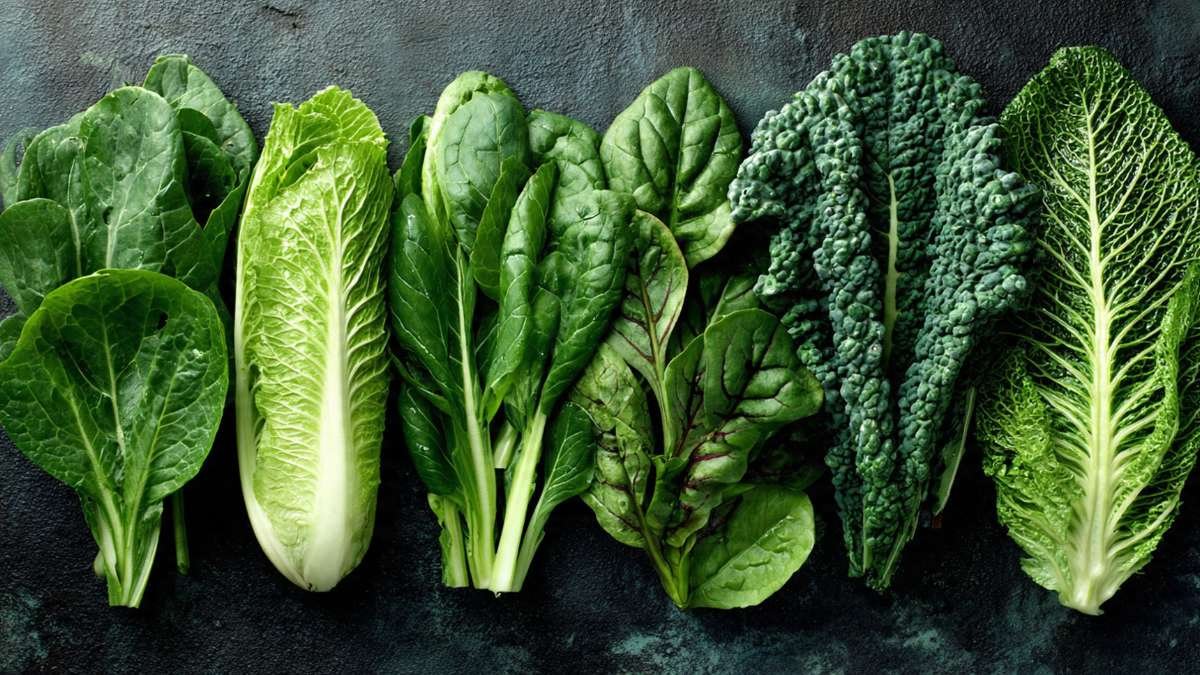
Vitamins A and E dissolve in fat, so sauté the greens in olive oil, then add lemon juice to help your body absorb the iron in the leaves. If you are prone to kidney stones, ask a dietitian how much spinach suits you.
5. Plain Yogurt With Live Cultures
A large share of your immune tissue sits in and around the gut, which is why probiotics get so much attention. In a 12 week trial of 205 adults aged 45 and older, those who drank about 300 ml of yogurt with the strain Lactobacillus paracasei N1115 daily had a respiratory infection risk about 55% of the comparison group’s.
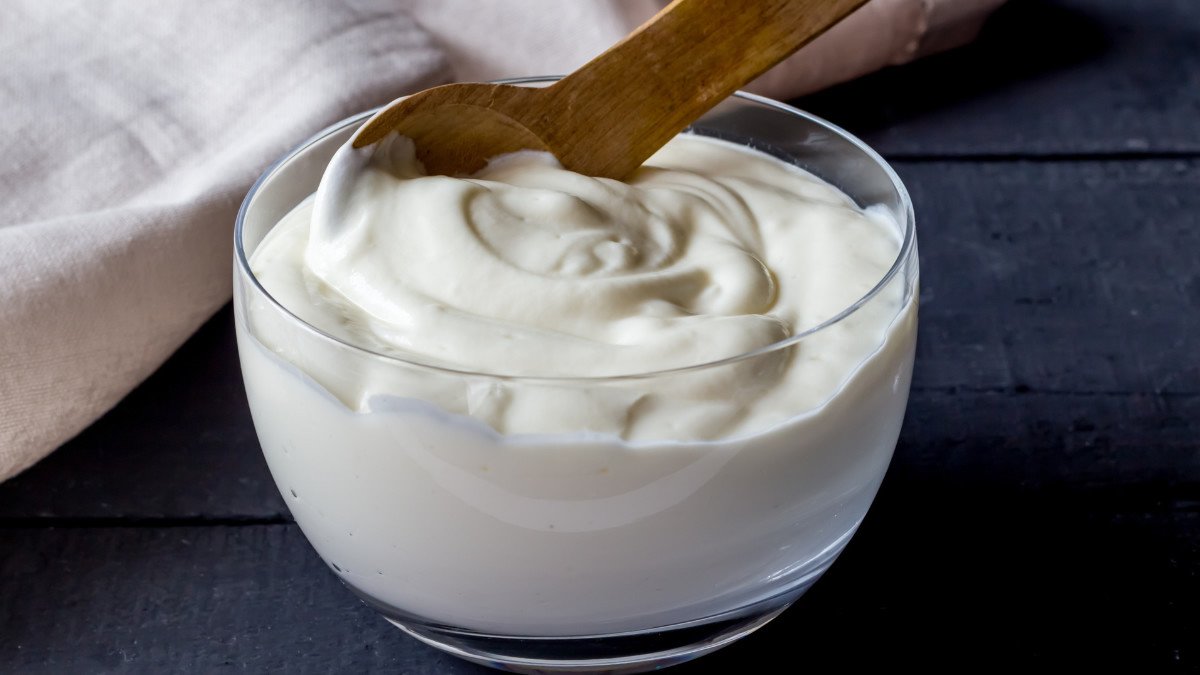
That trial had no placebo, and the benefit is tied to specific strains, so not every yogurt will do the same thing. Choose plain yogurt labeled live and active cultures, then add your own fruit instead of buying the sweetened versions.
Amounts here are general food guidelines, not personal prescriptions. If you take blood thinners, have kidney problems, or manage a condition like diabetes, check with your doctor before changing how much of these foods you eat.
6. Sweet Potatoes
One whole baked sweet potato with the skin on provides about 1,403 mcg of vitamin A as RAE, which is 156% of the daily value, in the form of beta carotene. Your body converts beta carotene into vitamin A as needed, and low vitamin A status is linked to a higher risk of infection.
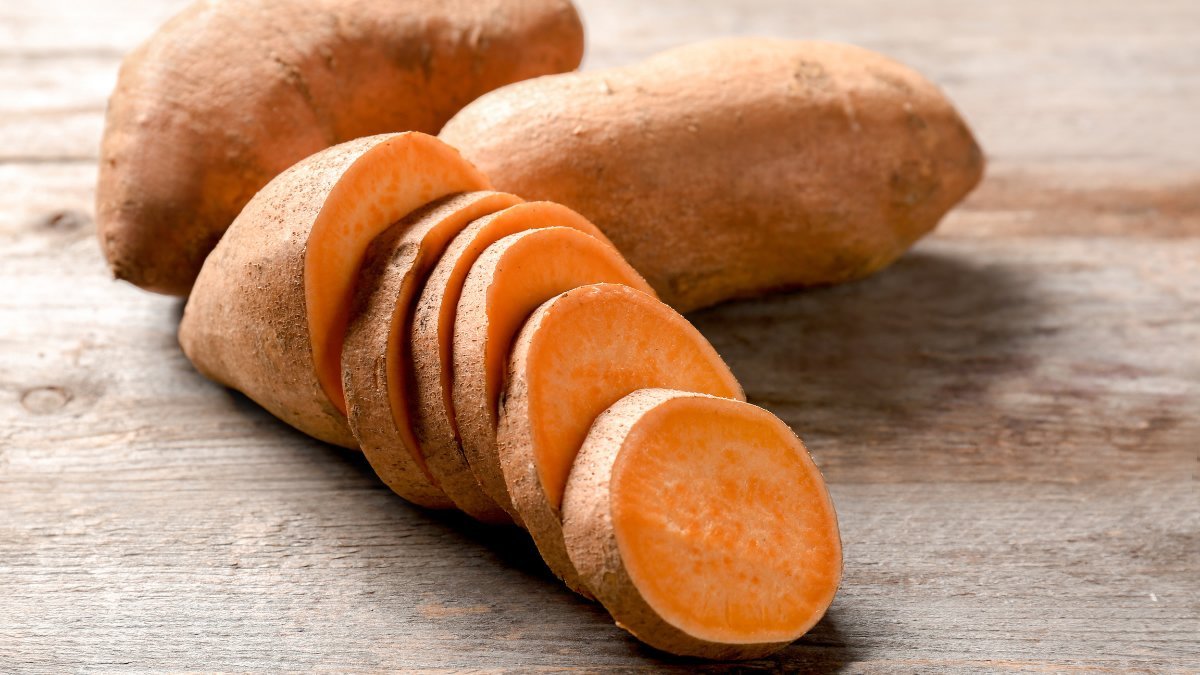
Absorption of beta carotene from food runs about 10% to 30%, and both cooking and a little fat help. Bake or roast with the skin on, drizzle with olive oil, and aim for a medium potato a few times a week.
7. Mushrooms
Mushrooms contain beta glucans, fibers in their cell walls that lab and animal studies link to stronger immune cell activity. When exposed to UV light, they also convert a compound called ergosterol into vitamin D2, and white button mushrooms can reach up to 24 mcg per 100 g.
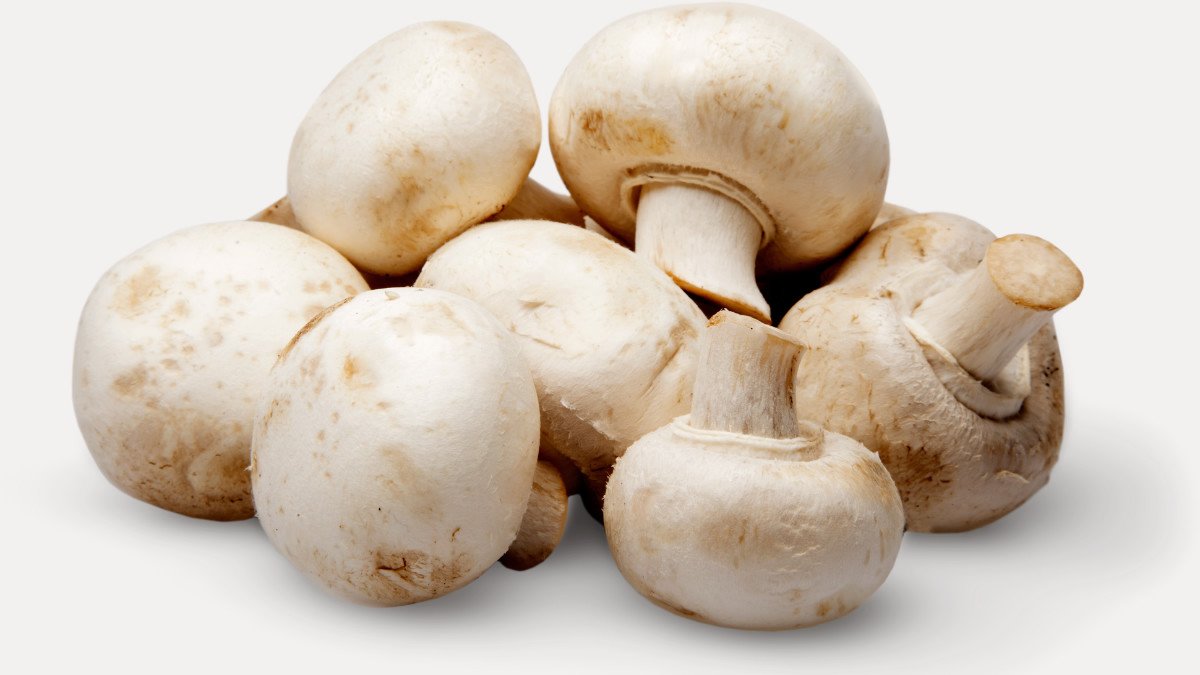
Vitamin D2 raises blood levels less effectively than D3, but it can still help people who get little sun or eat no animal foods. Look for packs labeled UV treated or rich in vitamin D, because mushrooms grown in the dark contain far less.
8. Salmon And Other Oily Fish
Winter is when vitamin D is hardest to get, because above roughly 35 degrees latitude sunlight is too weak for skin to make much of it for several months. A three month trial in British women found that vitamin D3, the form in oily fish, activated genes tied to interferon activity, a key early antiviral defense, and suggested it may prime immunity better than D2.
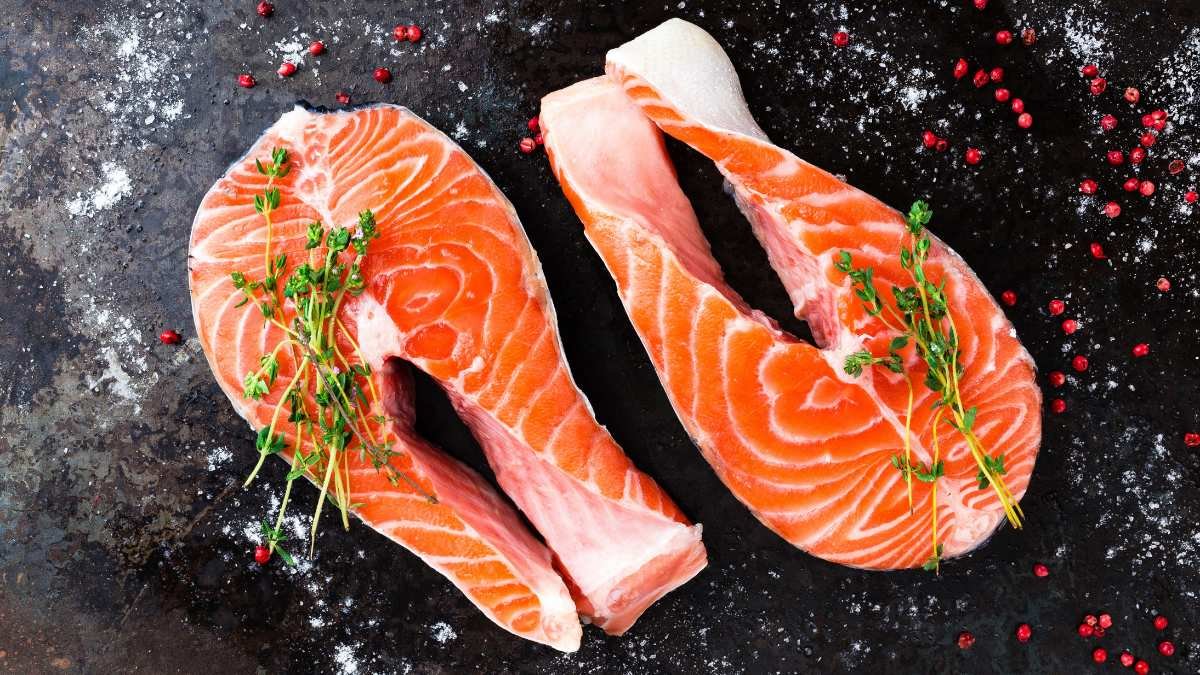
In one lab analysis commissioned by the Scottish salmon industry, a 140 g portion of farmed salmon supplied about 71% of the daily vitamin D recommendation. Aim for at least one serving of oily fish a week, and remember that canned salmon and sardines count and add omega 3 fats too.
9. Almonds
One ounce of dry roasted almonds, roughly 23 nuts, provides 6.8 mg of vitamin E, or 45% of the daily value. Vitamin E is a fat soluble antioxidant that sits in cell membranes, where it helps protect cells, including immune cells, from oxidative damage.
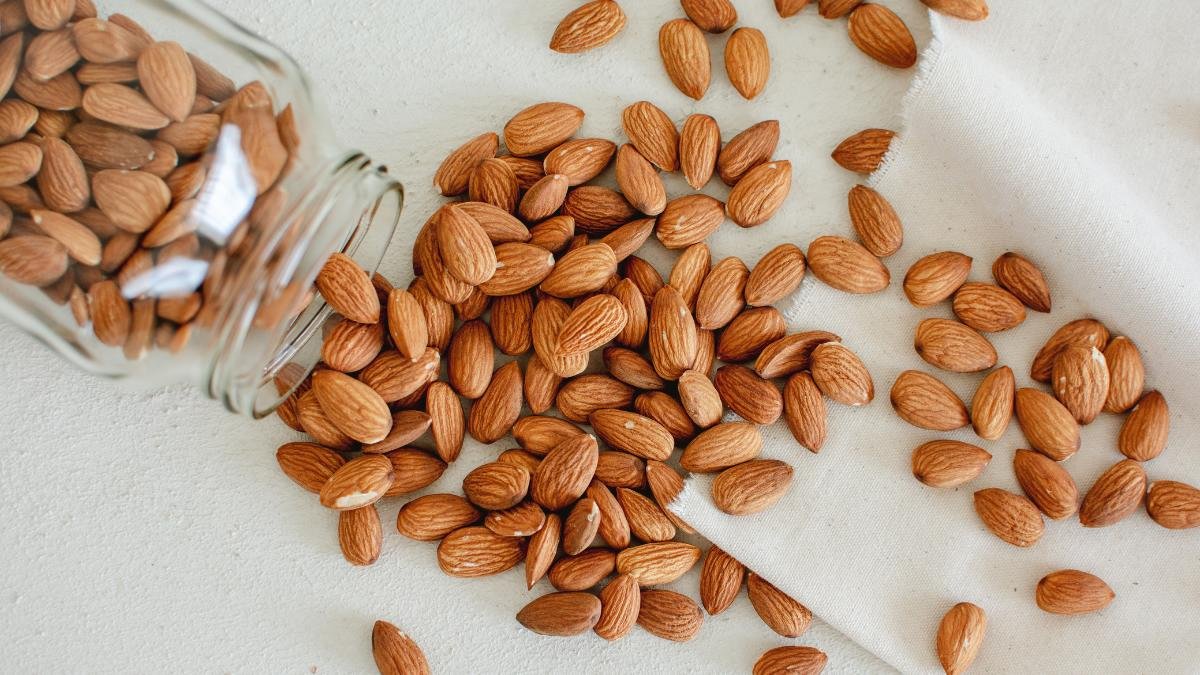
Almonds also supply the natural fat your body needs to absorb it. Keep a small handful on hand for a snack, or sprinkle them over yogurt or a spinach salad.
Where The Evidence Is Strong, And Where It Is Not
Vitamin D has the strongest backing. A review of 25 clinical trials in the British Medical Journal found that vitamin D supplements protected against acute respiratory infections, especially in people who were deficient.
Vitamin C has solid but modest results. Regular intake slightly shortens colds, but most of those trials used supplements of at least 200 mg a day, not oranges.
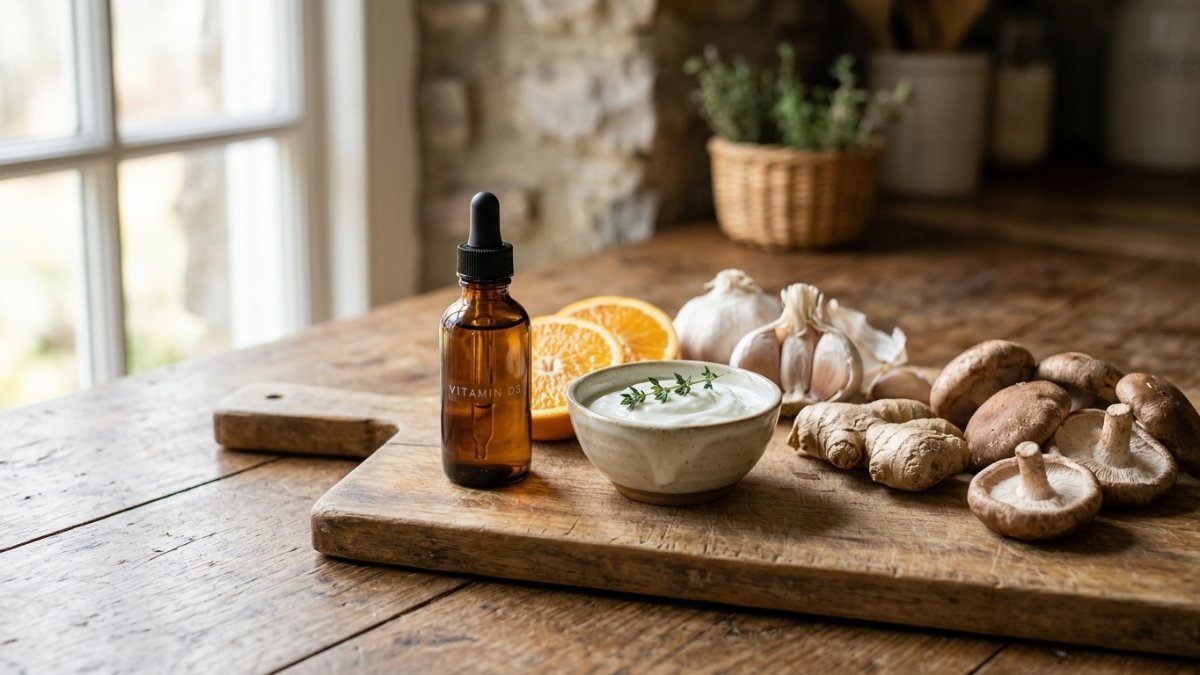
Garlic, ginger, and mushrooms sit at the promising but unproven end. Most of the data comes from lab work, animal studies, or one small trial.
Yogurt trials are encouraging but small, and results depend on the strain. Treat all of this as a reason to eat a varied plate, not a promise that any one food will keep you well.
One more caveat: most of these studies looked at healthy adults. The results may not apply the same way if you have a chronic condition or a weakened immune system.
What A Winter Day Of Eating This Way Looks Like
Here is how all nine foods fit into one ordinary day without turning into a project.
Daily Immune-Supporting Meal Plan
A full-day culinary protocol pairing whole foods to deliver synergistic micronutrients, probiotics, and bioactive plant compounds.
Plain yogurt with orange segments and a handful of almonds
Spinach and mushroom soup with garlic and a squeeze of lemon
Hot water with freshly grated ginger and lemon
Baked salmon with roasted sweet potato
Try This Today
- Swap one afternoon snack for an orange and a small handful of almonds.
- Crush your garlic first, then let it rest 10 minutes while you prep everything else.
- Add a handful of spinach to whatever you are already cooking tonight.
- Pick up one pack of UV treated mushrooms and one tub of plain yogurt with live cultures.
- Plan oily fish for dinner once this week.
Questions People Ask Next

How long before these foods make a difference?
Nutrient levels build over weeks, not days. The yogurt trial above ran for 12 weeks, and correcting a low vitamin D level also takes weeks, so think of this as a season long habit rather than a quick fix.
Should I take supplements instead?
Dietitians generally recommend a food first approach, because whole foods deliver fiber and other compounds that pills lack. Supplements can make sense when a blood test shows a deficiency, especially vitamin D in winter, so ask your doctor before starting one.
Who should be careful with these foods?
People on blood thinners such as warfarin should keep their leafy greens steady and ask about ginger, since spinach is very high in vitamin K. Those with kidney stones should check their spinach intake, and anyone with a weakened immune system should ask a doctor before adding probiotic foods.
What if I skip fish or dairy?
Plant foods can still cover most of this list. UV treated mushrooms and fortified plant milks help with vitamin D, while almonds, citrus, spinach, and sweet potatoes carry the vitamins C, E, and A. Ask your doctor about a vitamin D test, since levels often run low in winter.
When To Call A Doctor
Food cannot fix everything. Stop reading and call a doctor if you notice any of these:
- Trouble breathing, chest pain, or confusion
- A fever that lasts several days or keeps returning
- Cold symptoms that last more than about 10 days or get worse after seeming to improve
- Infections that keep coming back, which can point to a nutrient deficiency or another condition worth testing
The Bottom Line,
The best winter immune strategy is not a single superfood. It is a plate that rotates through citrus, greens, yogurt, fish, nuts, and a few flavor boosters like garlic and ginger.
Pick three foods from this list to add this week, and let the habit build from there.
This article is for informational purposes only and is not a substitute for professional medical advice, diagnosis, or treatment. Always consult your doctor or a qualified healthcare provider before making changes to your diet, exercise routine, or medications, especially if you have an existing health condition.