
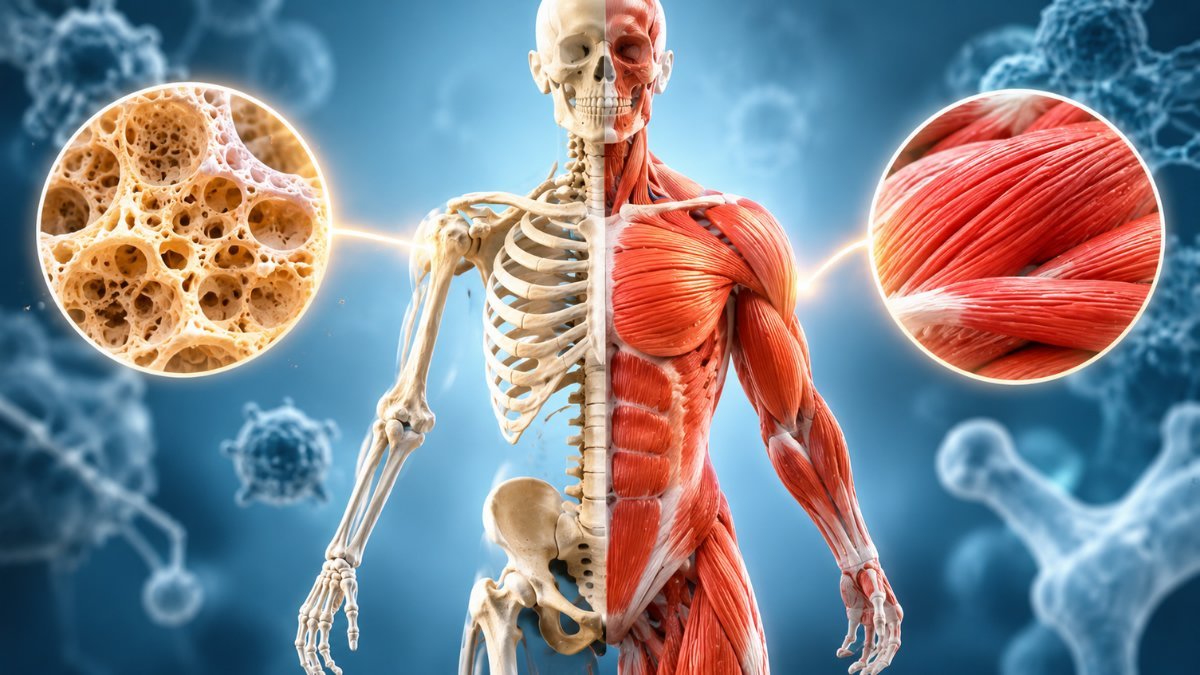
Your legs feel weaker than they used to. Your doctor says your bones are thinning.
Most people treat those as two separate problems. Researchers now say that may be a mistake, because osteosarcopenia is the name for bone loss and muscle loss happening together.
In one ten year study of older women, those with early signs of it had about 2.7 times the risk of a hip fracture compared with women whose bones and muscles were healthy. A broken hip can mean surgery, a long recovery, and a real threat to living on your own.
The loss is slow, and a fall or fracture is often the first clue. Here is what researchers found, who is most at risk, and what is worth doing about it.
What Is Osteosarcopenia and Why Do Bones and Muscles Fail Together?
Bone and muscle are not just neighbors that happen to age at the same time. They talk to each other, physically and chemically.
Every time a muscle contracts, it pulls on the bone it attaches to. That mechanical load helps bone stay strong, so when muscles weaken and you move less, bone loses part of its signal to stay dense.
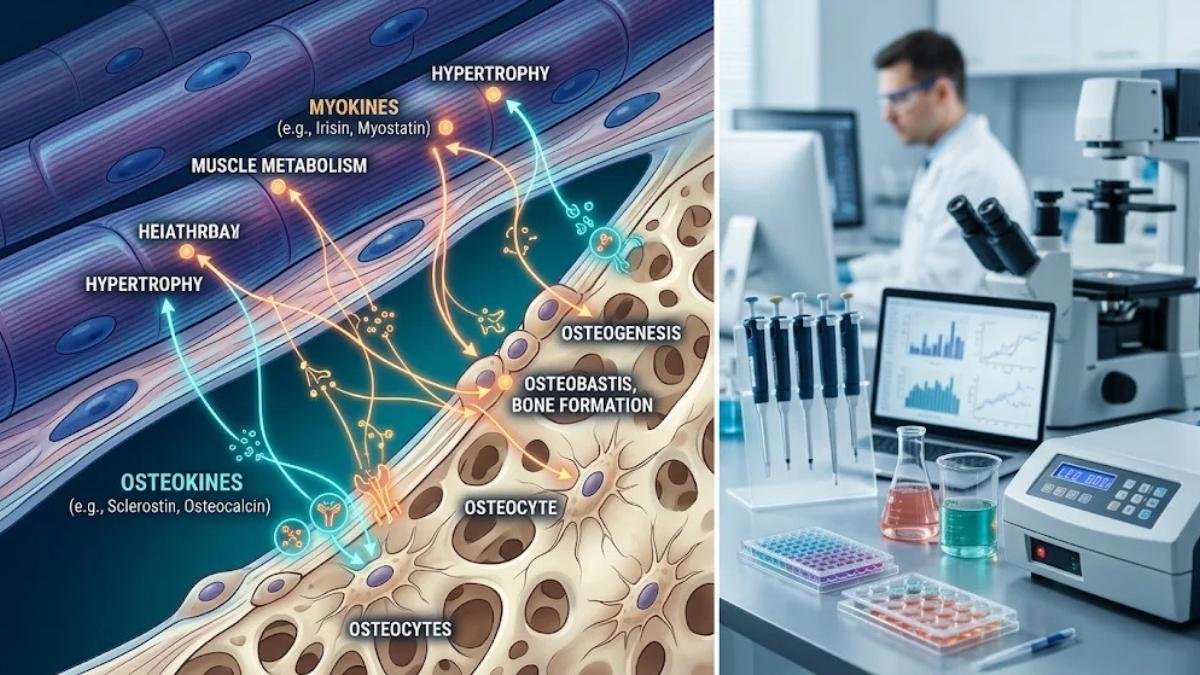
The two tissues also share chemical messengers. Low vitamin D, falling sex hormones, and lower levels of growth hormone are all linked to both bone loss and muscle loss.
Fat adds a third layer. Researchers have found that fat infiltration into aging muscle and bone is more severe in people with sarcopenia (age related muscle loss) and osteoporosis (thinning, fragile bone).
Timing matters too. After about age 50, muscle mass drops roughly 1 to 2% a year, which adds up to around 30% by age 80. Reviews suggest muscle decline tends to come before bone decline, although the exact mechanism is still not fully understood.
Is This Really a New Discovery?
The word is newer than the problem. Researchers were urging doctors to look at bone and muscle together as far back as 2009.
A widely cited 2017 review argued that when bone density loss and muscle loss arrive together,
they should count as a single diagnosis that may be preventable and treatable.
What has changed is the amount of research behind the idea. Studies now come from Sweden, Australia, Canada, Germany, and Chile.
How Common Is Osteosarcopenia After 60?
It depends on who you ask and how the condition is defined. One review put it at 5 to 37% of community dwelling adults over 65.
Women carry more of the burden in many studies. A review of the evidence reported figures of up to 64.3% in older women, compared with 8 to 11% in older men.
Men are far from safe, though. In a study of 1,575 older Australian men, 8% had osteosarcopenia, while another 34% had low bone density alone.

The overlap is striking after a break. In a study of 342 people treated for a hip fracture, 82% had both conditions, and the authors noted especially high rates among the men.
That number describes people who already broke a hip. It shows how often the two problems overlap in that group, not the odds for the average person.
What the Risk Actually Looks Like
A 2024 study followed older women in Malmö, Sweden for ten years. Women with probable osteosarcopenia (low bone mass plus reduced muscle strength) had about 2.7 times the hip fracture risk of women with neither problem.
Their risk of a major osteoporotic fracture was about double, and their risk of dying during the study was nearly double.
In that study, women with low bone mass alone did not show a statistically significant increase in hip fracture or death. Among women who did break a hip, it typically happened about 5.7 years in for the osteosarcopenia group, compared with 7.6 years for the healthy group.
Not every study agrees that the combination is worse than either problem alone. In the Australian men study, osteosarcopenia carried about 1.9 times the fracture risk and 1.4 times the fall risk compared with men who had neither condition, but the risk was not clearly higher than in men with just one of the two.
A Canadian study found osteosarcopenia tied to falls and fractures in men, and to worse daily functioning and life satisfaction in everyone studied.
Signs of Osteosarcopenia That Deserve Attention
There is no single symptom. Doctors look for a pattern.
A review on the topic says that falls, fractures, slower walking, trouble rising from a chair, weight loss, low body weight, or visible muscle wasting should all prompt a closer look at both bone and muscle.
Early Signs of Muscle & Bone Loss
Functional red flags, underlying clinical implications, and recommended diagnostic next steps to discuss with your doctor.
Weak muscles, fragile bones, or both
Possible progressive muscle loss (sarcopenia)
Possible lower-body & leg weakness
Falling lean muscle mass & low body weight
Possible underlying osteoporosis
Several things raise the odds. These include low vitamin D, diabetes, thyroid problems, low sex hormones, poor nutrition, corticosteroid medicines, and a sedentary lifestyle.
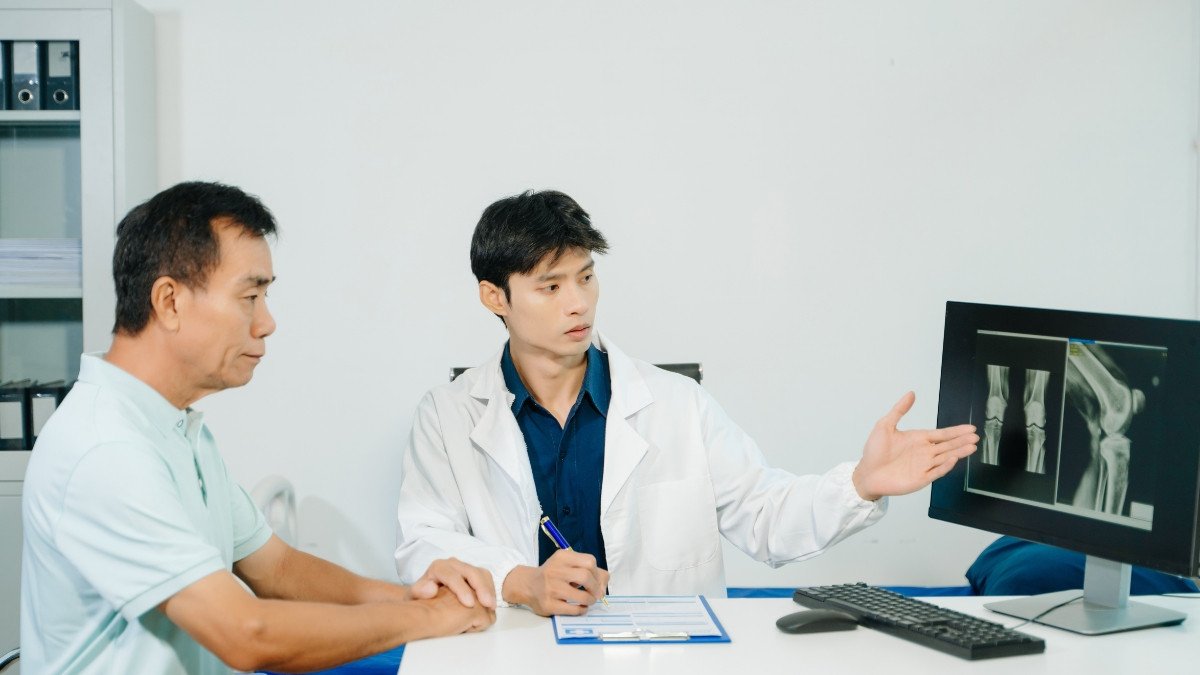
The standard test for osteoporosis is a bone density scan (DXA). Most organizations recommend one for adults over 50 who have had a fracture.
Muscle checks often start with grip strength. It is quick, painless, and surprisingly informative.
What the Research Says Actually Helps
No treatment guideline exists yet for osteosarcopenia itself. That is why one German trial gets so much attention.
In the FrOST trial, men aged 72 and older with osteosarcopenia were split into two groups. One group did supervised, high intensity resistance training twice a week for 18 months, while the other kept their usual routine.
Both groups received calcium, vitamin D, and whey protein. Total protein intake was about 1.5 to 1.6 grams per kilogram of body weight in the training group and 1.2 in the comparison group.
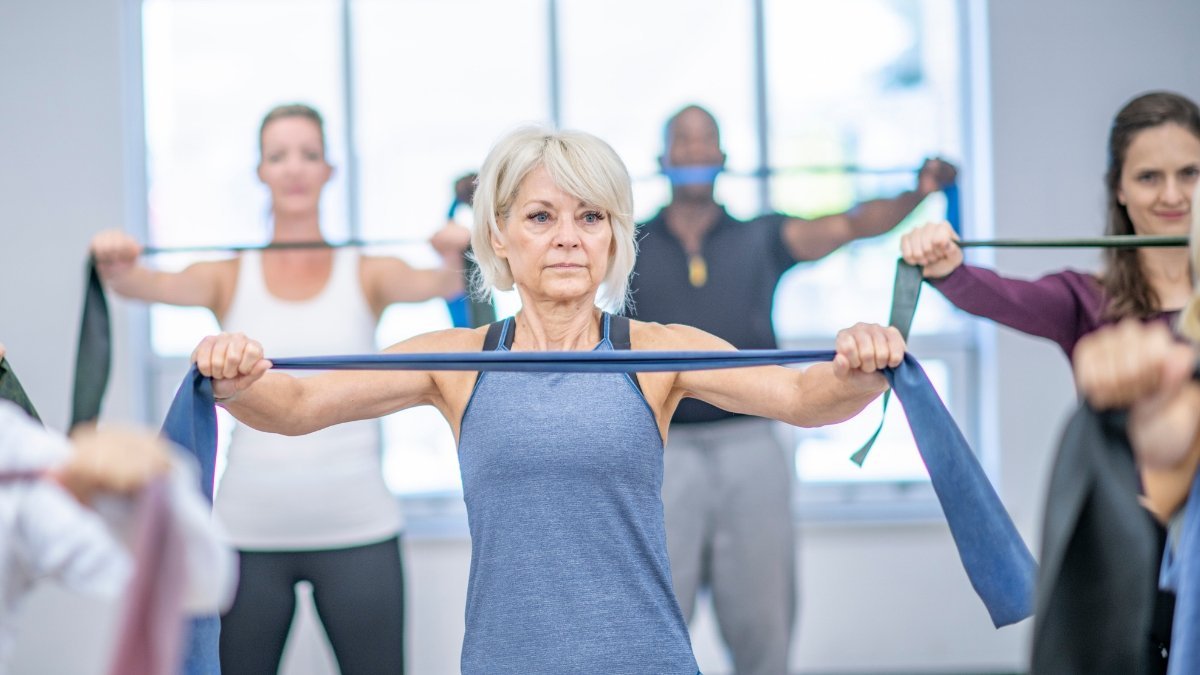
The training group gained muscle mass and improved a combined sarcopenia score, along with bone density at the lumbar spine and total hip. Muscle mass changes were the most pronounced, grip strength gains were moderate, and walking speed did not improve by a statistically meaningful amount.
Safety looked good. Apart from one man who reported a temporary flare of existing joint pain, no training related injuries were reported.
The training and protein amounts used in research were supervised and tailored to the participants. Everyone’s body responds differently, so check with your doctor before changing your exercise or protein intake.
Only 43 men took part, so this is promising rather than final. A systematic review of non drug approaches found just two randomized trials, covering 106 adults aged 65 and older, and both tested resistance training.
That same review found no trial that tested protein, vitamin D, calcium, or creatine against a placebo in people with osteosarcopenia.
Bone & Muscle Protection Strategies
Clinical trial findings and practical caveats for resistance training, protein dosing, micronutrients, and DEXA screening.
Twice-weekly supervised sessions for 18 months improved muscle & bone in men 72+
~1.5 to 1.6 g/kg daily, paired directly with resistance training
Administered as baseline support to both groups in the German trial
Recommended by most medical groups for adults 50+ with a prior fracture
Try This Today
The Daily Habits That Protect Bone and Muscle Together
- Notice how you rise from a chair and how fast you walk. Write down anything that feels harder than last year.
- Ask your doctor whether a bone density scan and a grip strength check make sense for you.
- Ask whether your vitamin D level has been checked recently, rather than guessing.
- Ask what daily protein amount fits your health, especially if you have kidney disease.
- Look into a supervised strength program with a physical therapist or trained instructor instead of lifting heavy on your own.
Questions People Ask Next
Does osteosarcopenia only affect women?
No. Reported rates are higher in women, but studies of older men show it is common in them too, and it was especially frequent among men treated for hip fractures.
Can supplements fix it on their own?
The evidence is not there yet. The strongest results so far came from resistance training combined with nutrition, not from pills alone.
How long before anything changes?
The German trial ran for 18 months, so think in months, not weeks. Consistency matters more than intensity on any single day.
Who should be careful with extra protein?
People with kidney disease. One trial protocol treated kidney disease worse than stage 3 as a reason to avoid a high protein diet, so ask your doctor first.
When to Stop Reading and Call Your Doctor
Get medical advice promptly if you notice:
- A fall followed by pain you cannot walk off, or a suspected broken bone
- Repeated falls or near falls
- Unplanned weight loss along with growing weakness
- Sudden, severe back pain after a minor strain or movement
The Takeaway for Your Next Checkup
Osteosarcopenia is not a brand new disease. It is a new way of looking at two problems that tend to travel together.
The research so far suggests that weak muscles and fragile bones feed each other,
that the risk of falls and fractures rises when they combine, and that supervised strength training with good nutrition is the most promising response.
Your best first move is a simple conversation. Ask your doctor to look at your bones and your muscles at the same time.