

Your feed keeps pushing a new longevity stack, and most cost more than a gym membership.
Pick the wrong pills and you could burn hundreds of dollars a month on things no trial has proven, or take a dose your body never needed. Harvard geneticist David Sinclair has shared his own daily supplements in public for years.
Check them against the human research, and some hold up while others rest on far less than the headlines suggest.
David Sinclair Supplements: What Is Actually in His Daily Stack
Sinclair is a professor of genetics at Harvard Medical School and the author of the bestseller Lifespan. He has talked about his routine in interviews, podcasts, and posts for years. harvard

The amounts below come from published roundups of those appearances, and the roundups do not all agree. His routine has also changed over time.
Spermidine shows up in some roundups but not others. Treat it as the least certain member of the six.
Here is the stack at a glance.
The Longevity Supplement Protocol
A structured breakdown of reported daily supplement amounts and their underlying mechanistic rationale for cellular health.
NMN
About 1 gram
Raise cellular NAD+ levels
Resveratrol
About 1 gram with yogurt or oil
Switch on sirtuin genes
Vitamin D3
4,000 to 5,000 IU
Bone and immune system support
Vitamin K2 (MK7)
180 to 360 mcg
Keep calcium out of arteries
TMG
500 to 1,000 mg
Support methylation alongside NMN
Spermidine
1 to 2 mg
Promote cellular cleanup (autophagy)
The Six, One by One (and Whether the Science Backs Them)
1. NMN (nicotinamide mononucleotide)
Sinclair reportedly takes about 1 gram every morning, usually mixed into yogurt. jinfinitisociallifemagazine
The idea starts with NAD+, a coenzyme involved in hundreds of metabolic reactions. Levels fall with age across many tissues, including skin and blood. NMN is a precursor, so your cells can convert it into NAD+.
NAD+ itself is too large to be absorbed whole from the gut, which is why precursors are used. what david sinclairs research on nadpr and nad really says +2

Human trials do show that NMN raises NAD+. In a study of 66 adults aged 40 to 65, 300 mg a day for 60 days lifted NAD+ by 38%, compared with 14.3% on placebo.
A separate study of 80 adults found the NAD+ rise did not line up with age or other health measures. wellnesspulsewellnesspulse
Reviewers say clear evidence of anti aging effects in people is still scarce. Most trials lasted two to three months and enrolled fewer than 100 people. nihacibademinternational
Sinclair’s reported gram is more than triple the 300 mg used in that 60 day trial. The FDA confirmed in September 2025 that NMN can be sold as a dietary supplement, reversing its earlier position. vitaminretailer
2. Resveratrol
He takes it with a little yogurt or olive oil, because resveratrol is fat soluble and needs dietary fat to absorb. The reported dose is about 1 gram a day. routinesjinfiniti
He sees it as a partner for NMN. The theory is that resveratrol activates sirtuin genes while NMN supplies the NAD+ those genes need to work. sociallifemagazine

The human data are less exciting. Harvard Health reported in 2014 that a study of people eating diets rich in resveratrol found no health boost. Reviews describe human trial results as mixed, and the best dose is still unknown. harvardnih
Resveratrol is generally well tolerated but poorly absorbed, which may be one reason results vary. His 1 gram sits at the top of the 250 to 1,000 mg range supplement brands usually suggest.
That same Harvard Health piece advised telling your doctor if you take it, so you can both watch for problems. Resveratrol and health–a comprehensive review of human clinical trials +2
3. Vitamin D3
Roundups put his dose at 4,000 to 5,000 IU daily. Vitamin D plays a role in immune function, bone health, and mood. jinfinitistorychief
Here is the catch. The National Academies set the upper limit for adults at 4,000 IU a day from all sources, while the recommended amount is 600 IU up to age 70 and 800 IU after that. A dose of 5,000 IU sits above that ceiling. livesciencelenz
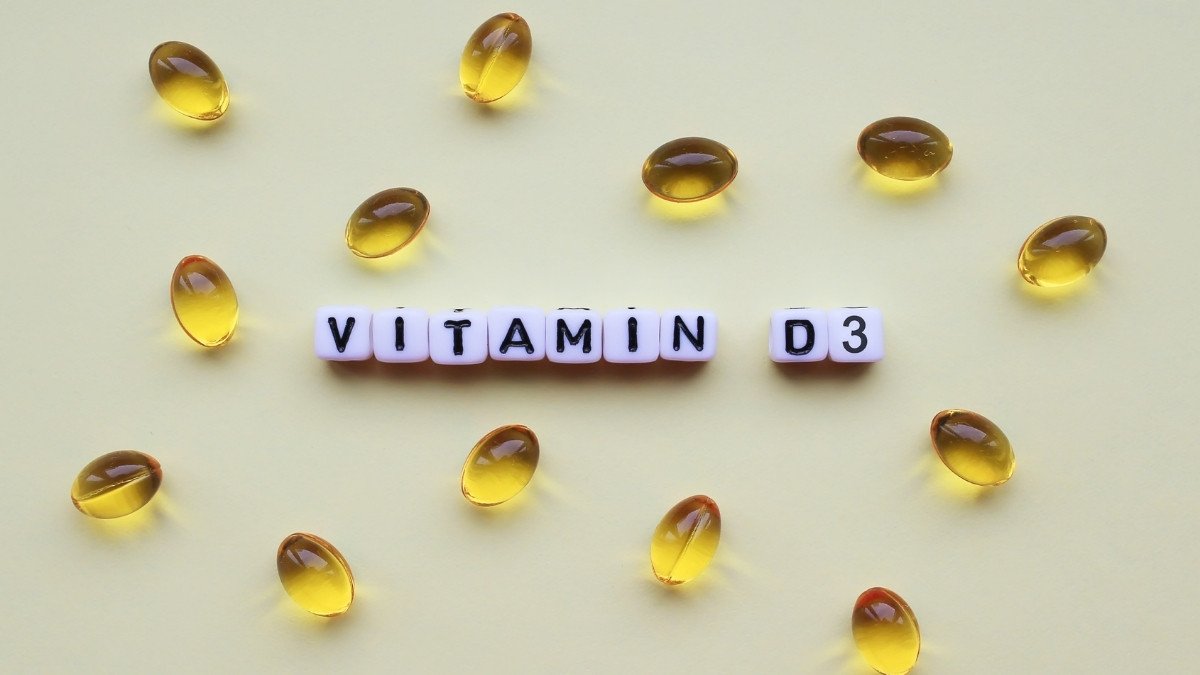
That does not make 4,000 IU dangerous for most people. A randomized trial of 2,423 adults with prediabetes, average age 60, found that 4,000 IU daily for about three years did not raise adverse events. examine
Still, a 2024 review by members of the Endocrine Society guideline group said the panel advised against routine supplementation above the standard intake for adults aged 19 to 74. A simple blood test beats guessing. lenz
Everyone’s body responds differently to these amounts, so check with your doctor before copying any dose you read about, especially if you take medication or have kidney problems.
4. Vitamin K2 (MK7 form)
Sinclair reportedly prefers MK7 because it stays in the body longer, at 180 to 360 mcg a day. Other roundups list a lower range of 50 to 120 mcg. jinfinitistorychief
K2 activates matrix Gla protein, which helps block calcium from building up in artery walls. The logic for pairing it with D3 is that K2 is thought to steer calcium toward bones and away from arteries. nutritioninsightsociallifemagazine
The trials are mixed. A Dutch randomized trial gave 180 adults with coronary artery disease 360 mcg of MK7 daily for two years, and calcification slowed by 29%.

Scores still rose in both groups, and the yearly difference was about 19 units, with the tablets supplied by the manufacturer. Gnosis by Lesaffre vitamin K2 slows coronary calcification in clinical trial +2
In a two year trial of 365 men averaging 71 with aortic stenosis, MK7 plus vitamin D did not slow calcification of the aortic valve. examinephysiciansweekly
Natto, a fermented soybean food, is especially rich in MK7. Vitamin K works against blood thinners like warfarin, so never start K2 on your own if you take one. newhope
5. TMG (trimethylglycine, also called betaine)
The reported dose is 500 to 1,000 mg daily. Sinclair has described it as a precaution. jinfinitistorychief
TMG is a methyl donor that helps turn homocysteine back into methionine. Homocysteine is an amino acid linked to heart problems when it runs high.
The theory in longevity circles is that high dose NMN can use up methyl groups, and TMG helps replace them. effects of betaine intake on plasma homocysteine concentrations a +2
TMG does lower homocysteine, but at much bigger doses. In healthy volunteers, 6 grams a day cut fasting levels by up to 20%. That is six to twelve times Sinclair’s reported amount. vu
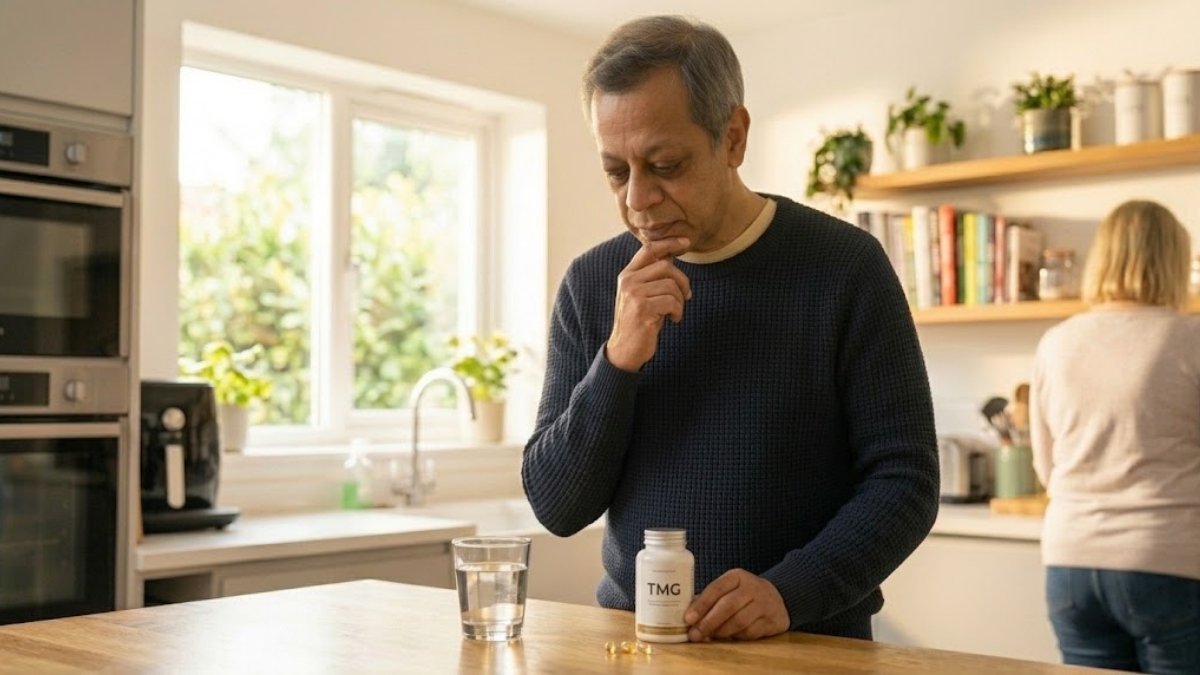
In one 12 week trial at that dose, total and LDL cholesterol rose. European authorities say the homocysteine effect shows up at 1.5 grams or more a day, and intakes above 4 grams may raise cholesterol. nihdarwin-nutrition
So 500 to 1,000 mg sits below the level where benefits have been measured. And lowering homocysteine does not automatically mean less heart disease. acibademinternational
6. Spermidine
Roundups say he takes 1 to 2 mg daily, often from a wheat germ extract. He reportedly recommends getting it from food when possible. longevity supplements billionaires take +2
Spermidine is a natural polyamine that promotes autophagy, the process cells use to clear out worn parts. Animal studies are encouraging. mdc-berlin
Human results are not. A 30 person pilot found moderately better memory after three months.

But the larger SmartAge trial gave 100 older adults with memory complaints (average age 69) 0.9 mg a day for 12 months, and found no difference from placebo. mdc-berlinmdc-berlin
Exploratory analyses hinted at possible benefits for inflammation and verbal memory. Those are leads, not proof. mdc-berlin
Wheat germ, aged cheese, mushrooms, and soy foods are common dietary sources.
What the Headline Leaves Out
Sinclair has also said he takes metformin, an off label longevity use of a diabetes drug, which he skips on workout days. It requires a prescription, so it is not one of the six. routines
He reportedly takes fisetin and quercetin in periodic pulses,

not every day. His routine also includes fasting, exercise, cold and heat exposure, and sleep habits. routinesroutines
He credits lifestyle changes, such as cutting sugar and meat, for improving his blood biomarkers. The pills are only part of the picture. Fortune
Why Some Scientists Push Back
Sinclair says his regimen keeps him about 10 years younger biologically. Some scientists in the field counter that no one can reverse aging, let alone measure it reliably. Fortunebusinessinsider
He also has business interests. He cofounded Tally Health, a supplement company. Earlier press coverage noted his financial stake in longevity products, including NAD boosters. wikipediakffhealthnews

In 2024, dozens of scientists resigned from a longevity research academy he cofounded, and he stepped down as its president. Researchers including Charles Brenner, Peter Attia, and Matt Kaeberlein have publicly criticized his claims. businessinsider.nl +2
None of this erases his science. His lab was the first to identify a role for NAD in regulating lifespan. The gap is between lab biology and proven results in people. harvard
The Evidence Scorecard
The Longevity Supplement Evidence Matrix
A rigorous scientific review of what human clinical trials reveal about popular longevity supplements and their real-world efficacy.
NMN
Raises blood NAD+ levels; direct anti-aging clinical effects remain unproven.
Resveratrol
Mixed clinical results, largely hindered by very poor human bioavailability and absorption.
Vitamin D3
Bone health benefits well established; note that 5,000 IU daily exceeds the established upper limit.
Vitamin K2
Slightly slowed coronary calcification in one trial, but showed no effect in another.
TMG
Lowers homocysteine at higher doses; broader disease prevention benefits unproven.
Spermidine
Small pilot study positive; subsequent larger memory and cognitive trials neutral.
Try This Today
- Ask your doctor for a vitamin D blood test before buying any vitamin D.
- Write down every supplement you take and bring the list to your next appointment.
- Check food first: fatty fish and eggs for D, natto for K2, wheat germ and aged cheese for spermidine.
- Take fat soluble supplements with a meal that contains fat, as Sinclair reportedly does with yogurt.
- Change one thing at a time, so you can tell what is helping and what is not.
When to Talk to Your Doctor First
- You take warfarin or another blood thinner, since vitamin K can interfere.
- You have kidney disease, kidney stones, or high blood calcium, which matters for vitamin D.
- You take diabetes, blood pressure, or cholesterol medication, since some of these compounds act on metabolism.
- You develop ongoing nausea, vomiting, constipation, extreme thirst, frequent urination, or confusion after raising a dose.
The Bottom Line Before You Spend a Dollar
Sinclair’s stack mixes a familiar pair (D3 and K2) with experimental bets (NMN, resveratrol, spermidine) and one precaution (TMG). NMN has the clearest human result, raising NAD+, but no trial has shown it slows aging.
His dose of vitamin D is above the standard upper limit, and his TMG dose is below the range where benefits were measured. Fix the basics first: food, sleep, movement, and bloodwork.