
You can eat well, walk every day, and take every pill on time, and still lose the one thing that makes the extra years worth having. Large studies of older adults link a weak sense of purpose to a higher risk of dying earlier.
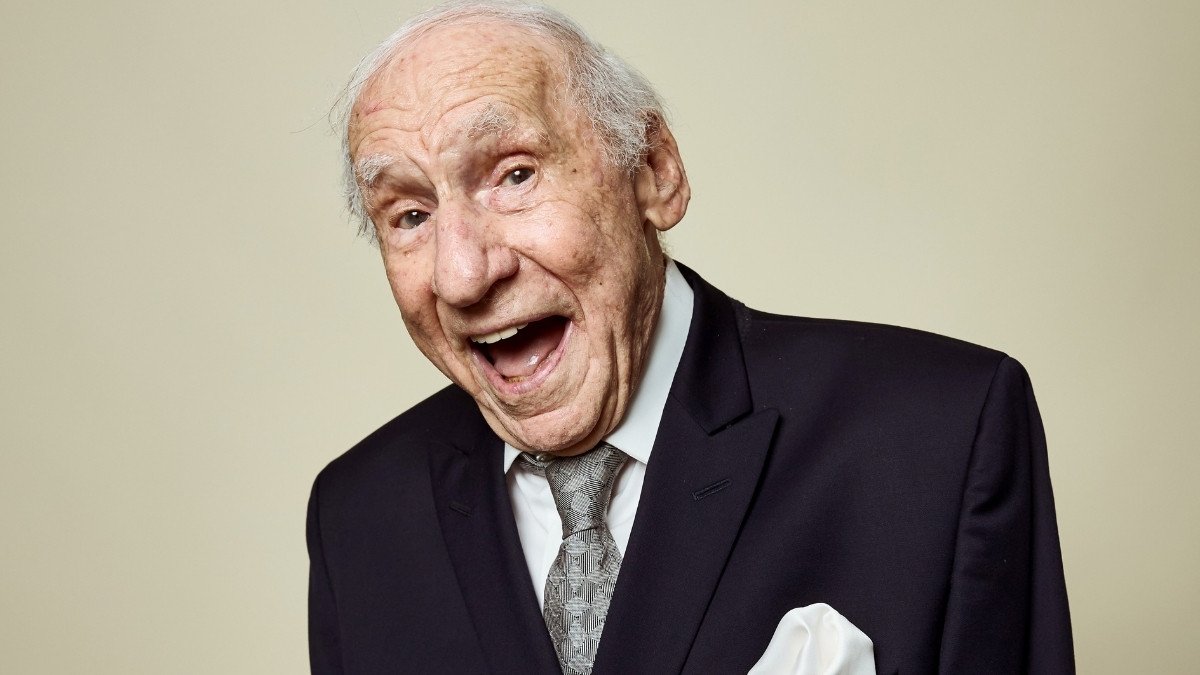
Mel Brooks, who turned 100 on June 28, says his secret has nothing to do with a diet or a gym. He was 99 when he told People magazine that laughing keeps you healthy and happy, and that making others laugh gives him a reason to get up every morning.
This article explains what that habit really means, what research from Norway, Japan, and the United States says about laughter and purpose, and how to borrow the habit without being funny. It also covers which kinds of humor backfire, and when to call a doctor instead of laughing it off.
This is a story about a lifestyle habit, not a treatment. If you take medication or have a diagnosed condition, talk to your doctor before you change anything in your routine.
The One Habit Mel Brooks Credits for His Long Life
Brooks shared his secret to a long life with People magazine in January 2026, when he was 99. He has since turned 100.
His answer was not a food, a supplement, or a workout. “I think laughing keeps you healthy and happy,” he said.
That is only half of it. Brooks does not just laugh. He spends his days making other people laugh.

He says making people happy drove his career and still gets him out of bed every morning. He has also said that making comedy gives you “a reason to be alive.”
So the real habit has two parts: laugh often, and keep a reason to get up in the morning. Both parts show up in the research.
Brooks also gives credit to the people around him. He and his close friends Sid Caesar and Carl Reiner all lived into their 90s, and Brooks has said the group laughed a lot.
He is honest that luck played a role, too. He once joked that his tip was “Don’t die!” and has credited lucky genes.
And he is not coasting. Brooks still has not retired, and he is set to return as Yogurt in the 2027 sequel to Spaceballs.
What a Good Laugh Does Inside Your Body
Laughter is more than a mood lift. Mayo Clinic explains that a rolling laugh fires up your stress response and then cools it down, raising and then lowering your heart rate and blood pressure.
Laughing also stimulates circulation and relaxes muscles, which eases some of the physical symptoms of stress. Over time, it may help the body produce its own natural painkillers and lessen depression and anxiety.

Here is the part that makes this doable for almost anyone. In a study published in PLoS One, people who laughed more often reported fewer stress symptoms, while how hard they laughed made no significant difference.
Frequency showed up in the data. Volume did not.
Older adults have been studied closely on this. In Japan, a study of more than 26,000 adults aged 65 and older found that daily laughter was linked to better self rated health.
Another analysis of more than 22,000 older Japanese adults found that frequent laughter appeared to protect against high blood pressure.
What 53,556 People Revealed About Humor and Longevity
Researchers in Norway followed 53,556 people for 15 years and tracked deaths from heart disease, infections, cancer, and chronic lung disease alongside three parts of each person’s sense of humor.
The results for women were striking. Those with high scores on the cognitive side of humor had a 48 percent lower risk of death from all causes, a 73 percent lower risk from heart disease, and an 83 percent lower risk from infection.
For men, the link was narrower. Men with high humor scores had a 74 percent lower risk of death from infection, and no other clear link appeared.
Here is the detail most articles leave out. Only the cognitive part of humor was tied to survival. The social and emotional parts were not.

In plain terms, the cognitive part is roughly your ability to spot the funny side of a situation. That suggests the benefit tracks with how you handle life’s problems, not with being the loudest laugher in the room.
The authors described this kind of humor as a mental coping resource that protects health. It is a link, not proof of cause, because people with a lighter outlook may differ in other ways that no study can fully measure.
These percentages describe large groups of people over many years, not what will happen to you. Everyone’s body responds differently, so check with your doctor before trying new routines if you have a condition or take medication.
The Half of This Habit Most Articles Skip
Most coverage of Brooks stops at the laughing. The second half has its own strong research.
A study of 13,159 adults over age 50 found that people with the strongest sense of purpose had a 15.2 percent lower risk of death than people with the weakest.
An earlier analysis of about 7,000 adults over 50 found that those with the lowest purpose scores were twice as likely to have died as those with the highest. That study was observational, so it cannot prove cause.

A third study followed 6,163 Americans for 14 years and found the same pattern in younger, middle aged, and older adults. It held even after the researchers accounted for good relationships and positive emotions.
Why would purpose matter? One leading theory points to inflammation, though researchers say more work is needed.
Retirement may play a role too. The lead researcher on the 14 year study noted that people who leave the workplace lose a major source of structure for their days, which may make purpose matter even more later in life.
That is worth thinking about when you look at Brooks, who never stopped working. Carl Reiner felt the same way. He said writing was what kept him going for 98 years.
How Brooks’s Habit Stacks Up Against the Research
Brooks’s Habits & Longevity Matrix
Exploring how psychological habits, humor, and a strong sense of purpose tie directly into stress reduction and overall longevity.
Laughing often
More frequent laughter was tied to fewer overall stress symptoms
Moderate, mostly based on surveys
Finding the funny side
Lower death risk in Norwegian women overall, and from infection in both sexes
Observational, strongest in women
A reason to get up
15.2% lower risk of death among adults over 50 with the strongest purpose
Observational, consistent across studies
Laughing with friends
Shared laughter strengthened relationships and encouraged older adults to seek company
Early, based on interviews
How to Borrow the Mel Brooks Habit Without Being Funny
Good news: you do not need to be good at telling jokes to enjoy the benefits of humor. You only need to let laughter into your day on purpose.
Not sure what strikes you as funny anymore? Mayo Clinic suggests laughter yoga, a group practice where laughter starts out forced and often turns spontaneous.

A review of seven laughter yoga studies in adults 65 and older found improvements in physical function and psychosocial outcomes.
The kind of humor matters, though. Researchers at Aberystwyth University interviewed older adults across Wales, Scotland, and England and found that humor helped them cope with loss and keep their dignity.
Many of those older adults disliked jokes that targeted individuals, used profanity, or relied on aggressive styles. Research on humor styles points the same way: warm, shared humor tends to help, while mocking others or putting yourself down for approval can backfire.
Humor That Helps vs. Humor That Backfires
The Humor Balance Matrix
Distinguishing between uplifting, connection-building humor and toxic or self-defeating jokes that ultimately backfire.
Shared laughter that builds closeness with friends and family.
Jokes that belittle or demean other people.
Finding a comic angle or reframe on a difficult, hard day.
Self-mockery used solely to gain cheap approval.
Dry or dark humor shared with someone who genuinely enjoys it.
Humor utilized as a mask to cover real, unaddressed pain.
Relatable age jokes shared between peers who find humor in common milestones.
Age stereotypes that reinforce a harmful, negative self-image.
Try This Today: The Brooks Habit in Four Small Steps
- Send one friend something that made you laugh, such as a story, a photo, or a memory.
- Watch ten minutes of a comedy you love, ideally with someone else in the room.
- Name one thing this week that someone is counting on you for, even something small.
- Retell one annoying moment from your day as a funny story, then tell it to a real person.
Questions Readers Ask Next
Is this just good genes?
Genes help, and Brooks says so himself. But sense of humor has a genetic component and is also shaped by socialization, which suggests it is something you can practice.
How soon will I notice a difference?
Some effects, like a lighter mood and a calmer stress response, can show up the same day. Longevity is a different question, and no study can promise a timeline.
Can laughing replace treatment for low mood?
No. The Aberystwyth researchers pointed out that humor can sometimes act as a cover, which is why the next section matters.
When to Stop Laughing It Off and Call a Doctor
- Low mood, hopelessness, or loss of interest in things you used to enjoy for two weeks or more.
- Pulling away from friends and family, or feeling lonely most days.
- Changes in sleep or appetite that you cannot explain.
- Any thoughts of harming yourself or not wanting to be alive. Contact a doctor or your local emergency services right away.
What Mel Brooks Gets Right at 100,
Brooks did not find a miracle food or a secret workout. He found a daily habit that is free, social, and available to almost anyone.

Laugh often. Keep company with people who laugh with you. Hold onto something that gives you a reason to get up.
The research behind each piece is observational, so none of it is a guarantee. But it is a low risk habit with a lot of evidence pointing the same direction, and it can start with one text message today.
This article is for informational purposes only and is not a substitute for professional medical advice, diagnosis, or treatment. Always talk with your doctor or a qualified healthcare provider before changing your diet, exercise routine, or medications, especially if you have an existing health condition.