
Your bone density has been slipping since your early 40s, and not one bit of it hurts.
Most people find out only after a small stumble turns into a broken wrist, hip, or spine. Some estimates say 1 in 2 women and 1 in 4 men over 50 will break a bone because of osteoporosis.
The good news is that five specific habits can push back, and the first one is the opposite of “take it easy.”
Before you change your diet, exercise routine, or supplements based on this article, talk to your doctor, especially if you take medication or have a diagnosed condition such as osteopenia, osteoporosis, or kidney disease.
Why Bone Density Drops After 40 (And Why You Can’t Feel It)
Bone is living tissue, not a fixed frame. All your life, cells called osteoclasts break down old bone while osteoblasts build new bone to replace it.
Until about age 30, building wins. After that the two roughly balance, and from the early 40s on, breakdown starts edging ahead.
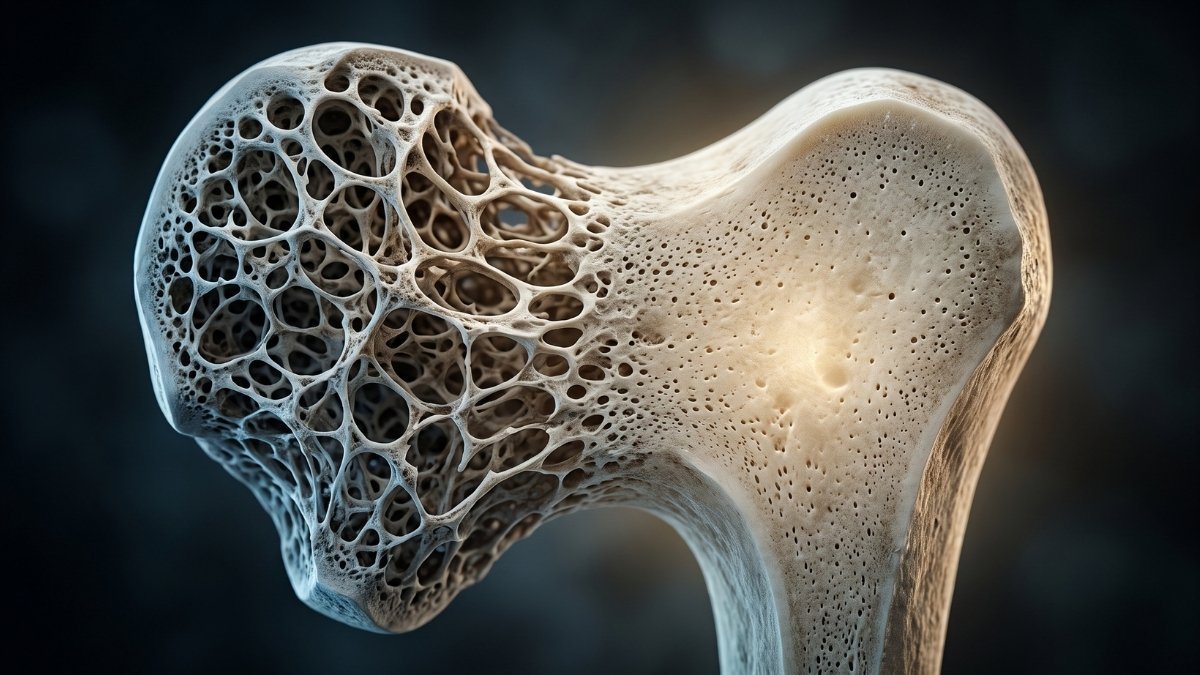
That is where the “1% a year” figure comes from, and it works best as a rough average. Most adults lose somewhere between 0.5% and 1% of bone density a year after 40, and the real pace depends on genetics, hormones, activity, and diet.
Women face a steeper drop. Estrogen helps restrain bone breakdown, so women can lose up to 20% of their bone density in the five to seven years after menopause.
Men usually lose bone at a slower, steadier pace, but the losses still add up over the decades. elevaterope
Here is the catch. Bone loss has no symptoms, no ache, and no warning. You just end up with less margin for error the next time you slip on a wet step.
5 Ways to Protect Your Bone Density Starting Today
1. Lift Something Heavy (Yes, Really)
Bone responds to stress the way muscle does. When you load it, cells inside the bone called osteocytes sense the strain and signal bone building cells to add material where it is needed.
Heavy resistance training and weight bearing impact create the strongest strains in bone, which is why calcium alone cannot do the whole job. A pill cannot tell your skeleton to get stronger. Effort can.
One of the most discussed studies on this is the LIFTMOR trial from Australia. It enrolled 101 women over 60 with low bone mass and compared eight months of twice weekly, 30 minute supervised heavy lifting against a gentle home routine.
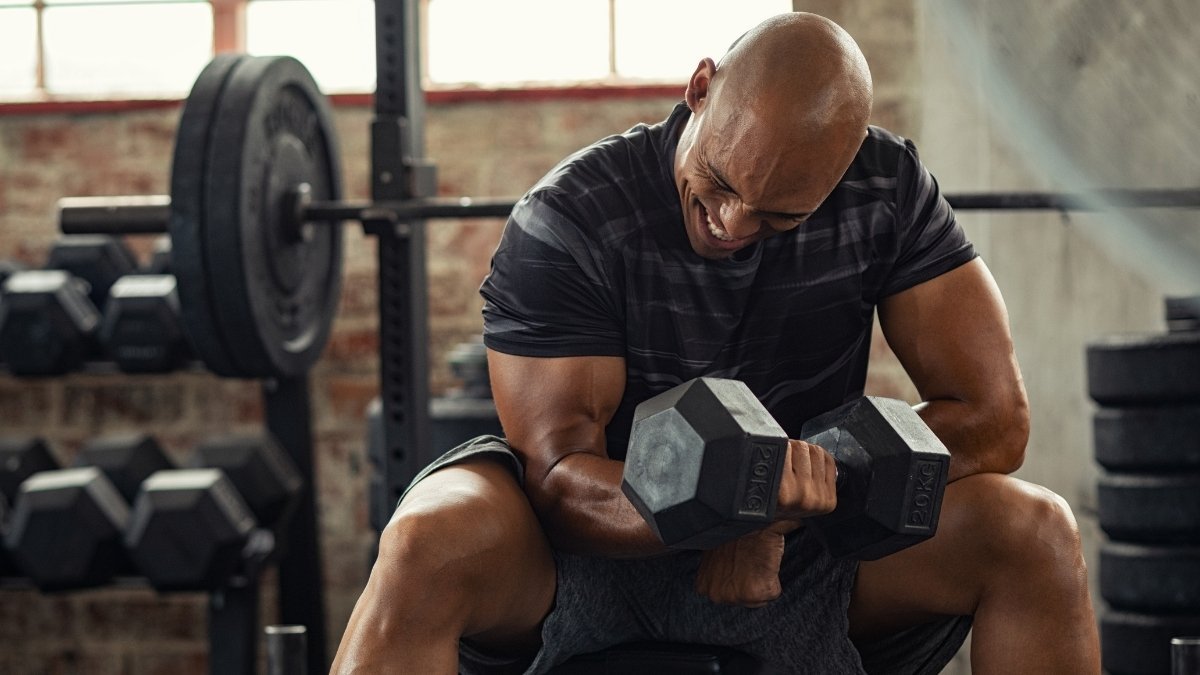
The lifting group ended up with roughly 4% better lumbar spine density than the comparison group, and the supervised high intensity training did not cause fragility fractures.
Now the fine print. That program was supervised by trained staff and built up carefully, so it is not a do it yourself template.
Most people should start with moderate weights and progress with a trainer or physical therapist. If you already have osteoporosis or a spine fracture, ask your doctor which moves are safe, since twisting and deep forward bending can be risky.
A practical goal is two strength sessions a week covering the big movements: squats, hip hinges, presses, and rows. Choose a weight where the last two or three reps of a set feel genuinely hard.
Walking is great for your heart and mood, but by itself it gives bone a fairly gentle signal. Add short, controlled impacts and balance work on top.
Balance matters because fractures usually follow falls. A US Preventive Services Task Force review of 20 studies found that regular strength and balance exercise protects older adults against falls.
Here is a quick starter reference for moves that load the bones most likely to break.
The Bone Loading Protocol
Mechanical loading forces bones to adapt and grow stronger. Here are the most effective movements to target key skeletal areas and exactly how often to do them.
Squats or sit to stands from a chair
2 days a week
2 to 3 sets of 8 to 12
Hip hinge
(light deadlift)
2 days a week
2 to 3 sets of 8 to 10
Rows and overhead presses
2 days a week
2 sets of 8 to 12
Heel drops or brisk stair climbing
3 to 4 days a week
1 to 2 minutes
To do a heel drop, rise onto your toes and let your heels land on the floor. Hold a counter for support if you need it.
2. Eat Enough Protein for Bone Building
Most people picture bone as a block of calcium. It is closer to reinforced concrete.
A flexible protein framework, mostly collagen, acts like the steel rods, and minerals such as calcium fill in to make it hard. Too little protein means less raw material for repairs.
The research points the same way. A 2019 systematic review of studies in adults 65 and older found that higher protein intake was linked to fewer hip fractures, roughly an 11% lower risk.
An expert consensus paper endorsed by the International Osteoporosis Foundation concluded that protein above the current minimum goes along with higher bone density and slower bone loss, provided calcium intake is adequate. Much of this evidence is observational, so it shows a link rather than proof, but the pattern is consistent.
Now the numbers. The official minimum is 0.8 grams of protein per kilogram of body weight each day. For someone who weighs 70 kg (about 154 pounds), that is 56 grams.
Many experts who work with older adults suggest aiming for 1.0 to 1.2 grams per kilogram. For that same person, the range works out to 70 to 84 grams a day.
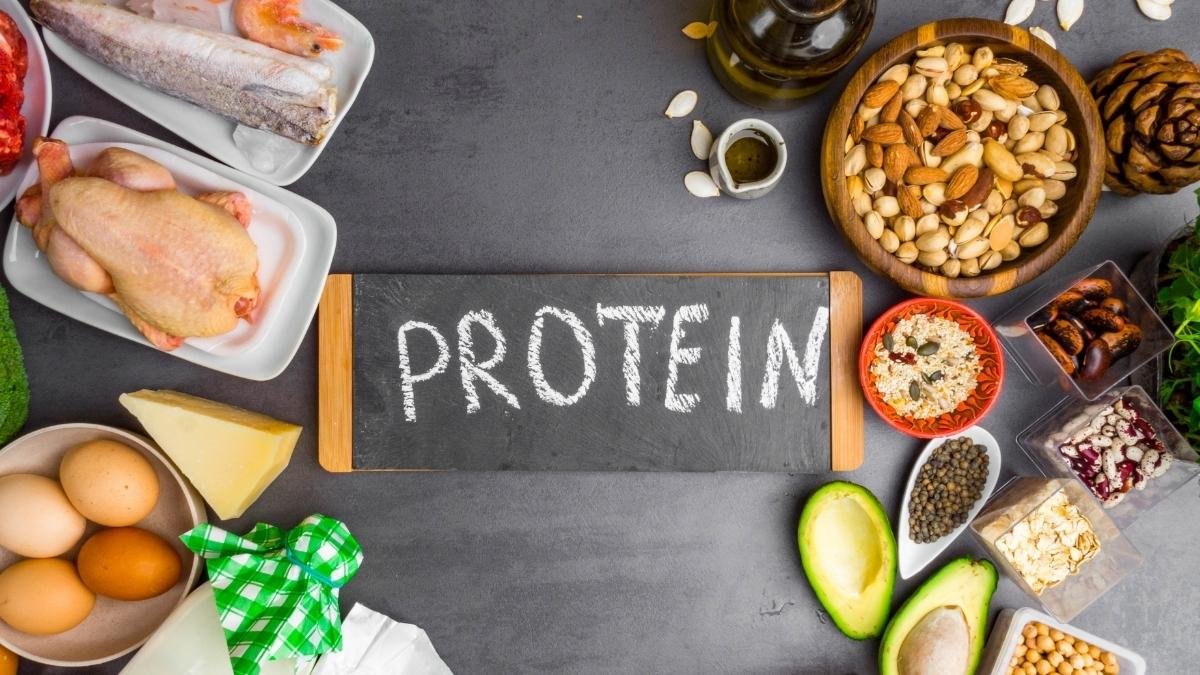
Spread it across three meals instead of loading it all at dinner. Eggs, Greek yogurt, cottage cheese, fish, poultry, tofu, lentils, and beans all count.
If you have kidney disease, do not raise your protein intake without your doctor’s guidance.
3. Get Calcium From Your Plate First
Your heart, nerves, and muscles need a steady supply of calcium in your blood. When your diet falls short, your body quietly withdraws it from your bones to cover the difference.
That is a loan your skeleton cannot keep repaying. The Bone Health and Osteoporosis Foundation recommends 1,000 mg a day for women 50 and younger and men up to 70, and 1,200 mg for women 51 and older and men 71 and older.
The same organization advises getting calcium from food first and using supplements only to cover a shortfall. There is a reason for that caution.
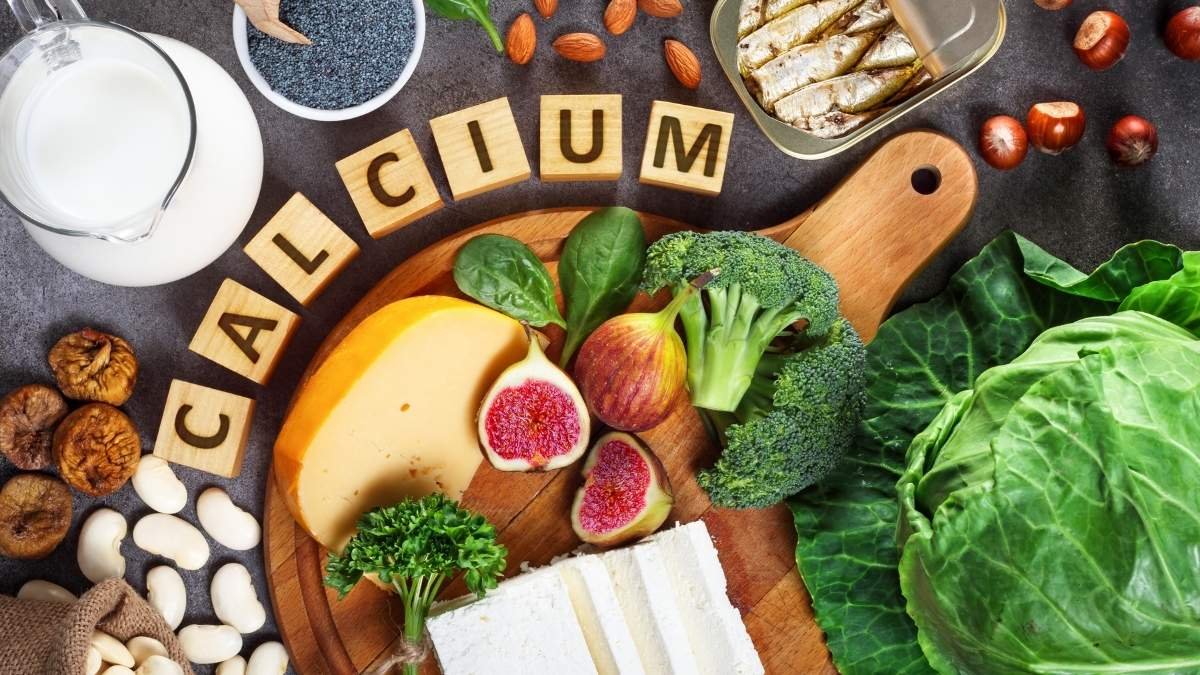
A US Preventive Services Task Force review found that low dose calcium and vitamin D supplements did not reduce fractures in community dwelling adults 50 and older who had no known deficiency, osteoporosis, or prior fracture. That does not make calcium unimportant. It means a pill cannot stand in for a calcium rich way of eating.
Your body absorbs calcium best in amounts of about 500 mg or less at a time. Spread it across the day instead of taking it all at once.
Fortified plant milks can work too. Shake the carton first, because added calcium can settle at the bottom. watsonclinic
Here is what common calcium sources deliver.
Everyday Calcium Sources
A quick guide to easily accessible foods that pack a heavy dose of the calcium required to maintain lifelong bone density and strength.
Plain yogurt
Milk or fortified soy milk
Canned sardines with bones
Firm tofu set with calcium
Packaged foods with 20% to 30% of the daily value for calcium per serving supply roughly 200 to 300 mg. Three servings from the list above, plus the calcium in your other meals, gets most people close to their daily number.
4. Fix Your Vitamin D
Vitamin D is the key that lets your gut absorb calcium. Without enough of it, less of the calcium you eat ever reaches your bones.
Standard recommendations are 600 IU a day for adults up to 70 and 800 IU after 71. The Bone Health and Osteoporosis Foundation suggests 800 to 1,000 IU for most adults 50 and older, and some people need more to reach healthy blood levels.
You can get vitamin D from fatty fish such as salmon, egg yolks, and fortified milk or cereal. Sunlight helps too, but skin makes less vitamin D with age.
Older adults, people with limited sun exposure, people with obesity, and people with dark skin are more likely to run low. Ask your doctor whether a simple blood test makes sense for you.
More is not better here. The upper limit for adults is generally set at 4,000 IU a day from all sources, unless a doctor directs otherwise.
Leafy greens, nuts, and beans add vitamin K and magnesium, which also appear to play supporting roles in bone health.
Everyone’s body responds differently, so check with your doctor before adding supplements or raising your protein, especially if you have kidney problems or take medication. Too much calcium or vitamin D can raise the risk of kidney stones.
5. Cut the Bone Robbers (and Get Your Bones Checked)
Some habits drain bone faster than age does. Cutting them costs nothing and starts working right away.
Smoking. Tobacco speeds up bone loss. If you have been meaning to quit, your skeleton is one more reason.
Heavy drinking. More than two units of alcohol a day can raise the risk of a fragility fracture. A common guideline is one drink a day for women and two for men.
Crash dieting. Very low body weight and repeated rounds of extreme dieting are linked to lower bone density. Steady, well fed weight loss is far kinder to your bones.
Certain long term medications. Oral steroids and some cancer treatments can affect bone. Never stop a medicine on your own, but do ask your doctor whether yours does.
You also cannot fix what you have not measured. A bone density test, called a DEXA scan, is a quick, painless X ray of your hip and spine.
The US Preventive Services Task Force recommends screening starting at 65 for women at average risk, and earlier for postmenopausal women with risk factors. The National Osteoporosis Foundation recommends testing for men 70 and older, and for men 50 to 69 with risk factors.
Risk factors include a fracture after 50, a family history of osteoporosis, rheumatoid arthritis, and long term steroid use.
Results come back as a T score. A T score between minus 1.0 and minus 2.5 points to osteopenia (lower than normal density), and minus 2.5 or lower points to osteoporosis.
Osteopenia is not a life sentence. Many people at that stage hold steady with the habits in this article.
When to See a Doctor Right Away
- Sudden, severe back pain, especially after a cough, a bend, or lifting something light
- A broken bone from a minor fall or bump
- Hip or groin pain after a fall, or trouble putting weight on a leg
- Noticeable loss of height or a more rounded, stooped upper back
Try This Today
- Protein first: add eggs, Greek yogurt, or cottage cheese to breakfast.
- Sit to stand: rise from a chair 10 times, slowly, without using your hands if you can.
- One leg balance: hold 30 seconds on each side while brushing your teeth, with a counter nearby for support.
- Count your calcium: tally today’s servings of dairy, fortified foods, sardines, or tofu and see if you reach your number.
- Book the conversation: ask your doctor about your vitamin D level and whether a DEXA scan makes sense for you.
How Long Before You See Results?
Bone rebuilds slowly. A single remodeling cycle takes months, which is why trials like LIFTMOR ran for eight months.
Give any new routine at least six months to a year before expecting a scan to look different. How often to repeat a scan depends on your results and risk, so let your doctor set the schedule.
Even holding steady counts as a win. If you lose less than you would have, those habits are working.
The Bottom Line on Fighting Bone Loss After 40
The “1% a year” figure is an average, not a sentence. Genetics matter, but what you do with your muscles, plate, and daily habits matters too.
Lift something challenging twice a week, eat enough protein, get calcium from food first, fix your vitamin D, and cut the habits that drain bone. Then get tested so you know where you stand.
Your bones are still listening to the signals you send them. Start sending better ones this week.
This article is for informational purposes only and is not a substitute for professional medical advice, diagnosis, or treatment. Always consult your doctor or a qualified healthcare provider before making changes to your diet, exercise routine, or medications, especially if you have an existing health condition.