

Every year you go without strength training after 65, your body quietly withdraws a little more muscle, and most of it does not grow back on its own.
Skip enough years and that withdrawal shows up as trouble standing from a chair, a hip that breaks from a fall that should have been nothing, or a slow slide into needing help with groceries and stairs.
There is one habit that reliably slows this process and can even reverse part of it, and most people over 65 have never been told exactly how to start.
Before making any changes based on this article, talk to your doctor, especially if you are currently taking medication or have a diagnosed condition.
The Slow Leak Most People Never Notice Until It’s Serious
Muscle loss after 65 is not a myth or a scare tactic. It has a name: sarcopenia. It is the gradual, age related loss of muscle mass, strength, and function, and researchers have tracked it closely enough to put real numbers on it.
The process picks up noticeably between ages 65 and 80, with some people losing as much as 8% of their muscle mass each decade during that stretch. Even earlier, starting around age 30, most people lose roughly 3% to 5% of their muscle mass every decade, and most men lose about 30% of their total muscle mass over a lifetime.
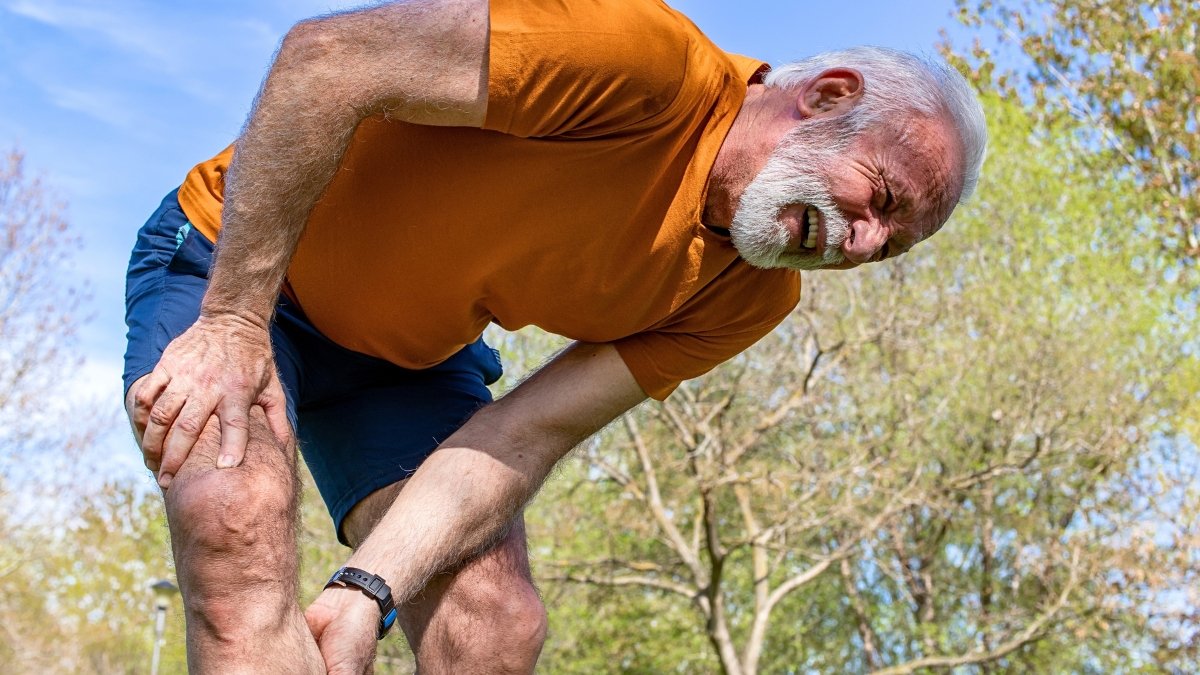
Research from the National Institute on Aging’s long running Baltimore Longitudinal Study found that muscle strength and power decline slowly at first, then speed up noticeably after 65 in women and after 70 in men.
Sarcopenia (Muscle Loss): Symptoms & Causes +2
The mechanism behind this is something scientists call anabolic resistance. In simple terms, your muscles become less responsive to the two main signals that normally build and maintain them: physical activity and protein.
A workout or a protein rich meal that would have triggered strong muscle repair at 35 produces a much smaller response at 68. Your body still has the raw materials. It just stops using them as efficiently, unless you push it with the right kind of signal.
That is where the “you cannot undo it later” part comes in. Muscle loss is not linear. It compounds. Less muscle means less daily activity, which means even less muscle, which means a higher risk of the fall or fracture that can take independence away almost overnight.
Here’s what that compounding actually looks like on a timeline:
The Sarcopenia Timeline
The silent progression of age-related muscle loss in a sedentary body, and how it directly impacts daily life over the decades.
Barely noticeable day to day.
Clothes begin to fit differently, and overall daily energy dips.
Developing trouble with stairs, opening jars, or carrying groceries.
Significantly higher fall risk and much harder recovery from illness.
This matters because muscle is not just about looking toned. A 2015 report from the American Society for Bone and Mineral Research found that people with sarcopenia had 2.3 times the risk of a low trauma fracture, the kind that comes from a fall, such as a broken hip, collarbone, leg, arm, or wrist. That single number is the real cost of ignoring this for another year. Harvard Health
Why “Just Staying Active” Isn’t Enough
Most people over 65 already know they should “stay active,” and plenty of them walk regularly, garden, or take a water aerobics class. Those habits help the heart and mood enormously. They do very little to stop sarcopenia on their own, and that gap is one of the most common blind spots in healthy aging advice.

The difference comes down to what actually forces a muscle to adapt. Walking uses your muscles well below the threshold needed to trigger significant rebuilding. Resistance training, meaning any exercise that makes your muscles work against a load,
whether that’s weights, resistance bands, or your own body weight, is different. It creates small amounts of controlled stress in the muscle fibers, and your body responds by repairing them stronger than before.
The Resistance Advantage
Why typical advice to “just stay active” falls short, and how targeted resistance training optimizes longevity and physical independence.
Main Benefit
Primarily supports heart health, mood regulation, and basic daily mobility.
Actively preserves and completely rebuilds declining muscle mass.
Effect on Sarcopenia
Has minimal to no effect on stopping age-related muscle loss on its own.
Directly targets and reverses the biological root cause of muscle wasting.
Effect on Bone Density
Provides a very modest impact on fortifying the skeletal system.
Significant structural improvement, especially with weight-bearing variations.
Fall and Fracture Risk
Helps improve general balance and coordination somewhat over time.
Simultaneously improves foundational strength, dynamic balance, and bone hardness together.
Time Commitment
Requires almost daily effort, often taking 30+ minutes per session.
Highly efficient: as little as 20 to 30 minutes, just 2 to 3 times a week.
Everyone’s body responds differently, so check with your doctor before trying this if you have an existing condition or take medication.
Exactly How to Start, With Real Numbers
This is where most articles get vague. Here is what the research actually points to.
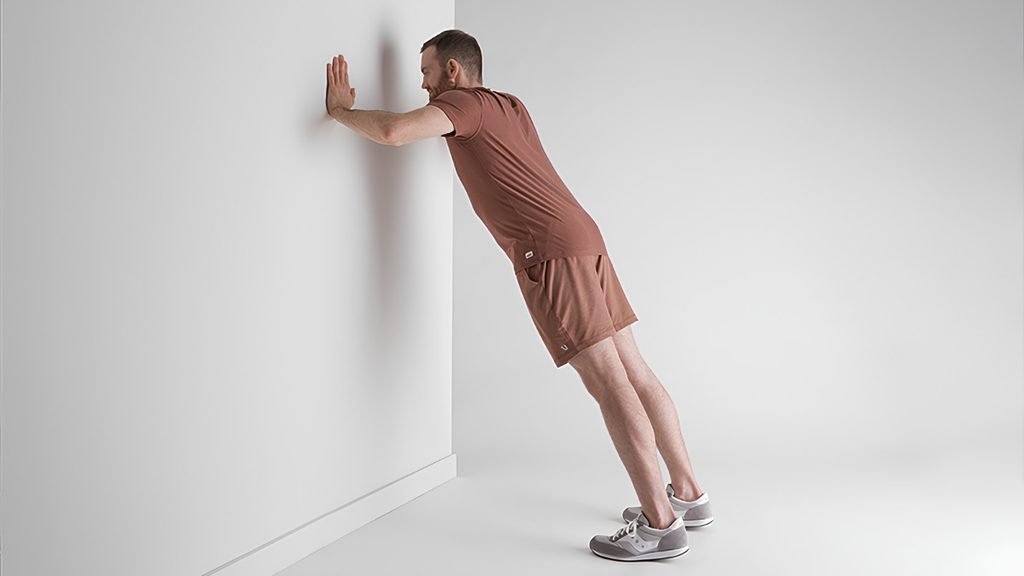
Frequency: Aim for resistance training 2 to 3 times per week, with at least one rest day between sessions for the same muscle groups. This is enough to trigger meaningful adaptation without overloading joints that need more recovery time than they used to.
What counts: Bodyweight squats, wall push ups, seated leg extensions with a resistance band, or light dumbbells all count. You do not need a gym membership or heavy weights to start. The key is working the muscle close to the point of fatigue, not just moving it.
Intensity: A useful guide is to choose a resistance that makes the last two or three repetitions of a set genuinely challenging, not effortless. If you can easily do 20 repetitions without any strain, the load is too light to do much good.
Protein: Recent guidelines suggest older adults should consume between 1.0 and 1.5 grams of protein per kilogram of body weight per day, depending on health status and activity level, noticeably more than the general adult recommendation.
Spreading that protein across meals, rather than loading it all at dinner, appears to help your body actually use it for muscle repair. nih
Proof it works even late: In one 12 week study, older adults who combined resistance training with nutrition counseling saw their rate of sarcopenia drop from just over 35% down to 0%, while a comparison group without the intervention saw no such improvement.
Cleveland Clinic notes that with the right combination of exercise and nutrition, sarcopenia’s effects can be slowed or even partly reversed, at any age. nihCleveland Clinic
Try This Today: The Habit That Actually Works

- Pick two days this week and do 10 to 15 minutes of bodyweight squats, chair stands, or resistance band rows
- Add a source of protein, such as eggs, yogurt, beans, or fish, to at least two meals a day
- On the days you don’t train, take a 15 to 20 minute walk that includes at least one hill or set of stairs
- Track how many times you can stand from a chair without using your hands, and check that number again in a month
- If joint pain or balance is a concern, ask your doctor or a physical therapist about a starting routine before you begin
The Sit to Stand Self Test
You do not need special equipment to get a rough sense of where you stand. Sit in a sturdy, armless chair with your feet flat on the floor and your arms crossed over your chest. Stand up fully, then sit back down, as many times as you comfortably can in 30 seconds, or simply time how long it takes to do five in a row without pushing off with your hands.
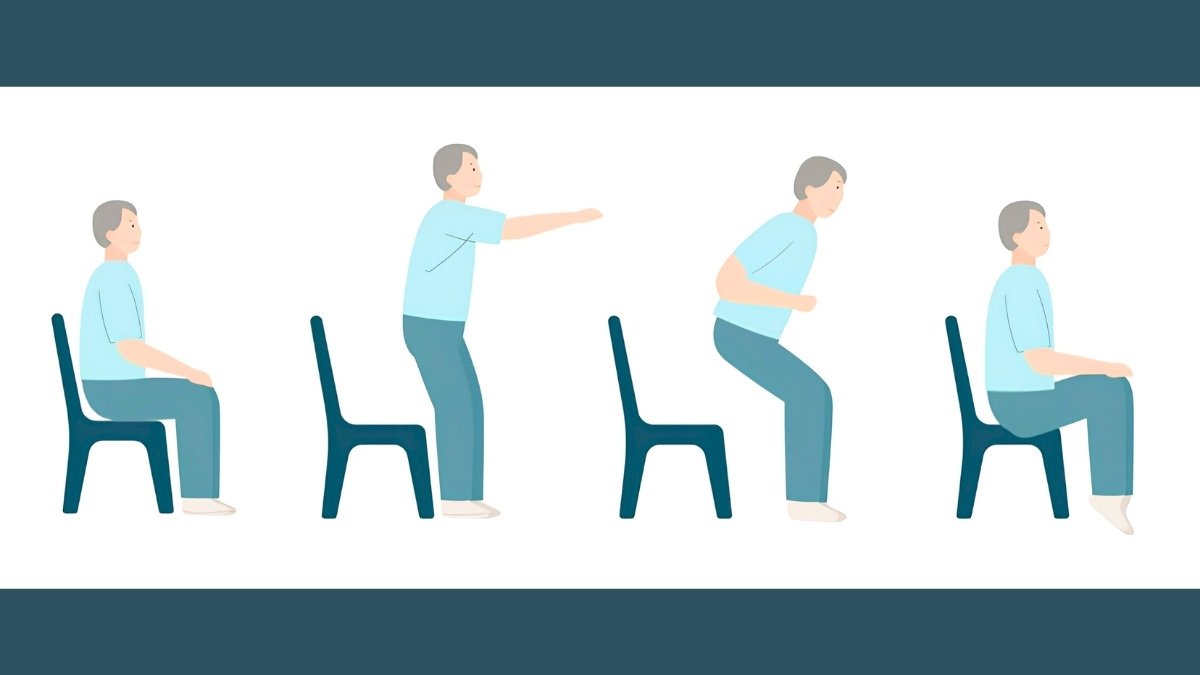
If it feels noticeably harder than it did a year or two ago, or you find yourself needing your hands to push off, that is a reasonable prompt to bring it up at your next checkup, not something to ignore until it becomes a bigger problem.
When to See a Doctor
Most muscle related changes after 65 are gradual and manageable with the steps above. A few signs are worth a call to your doctor rather than a wait and see approach:
- Sudden or unexplained weight loss along with the muscle changes
- Repeated falls, or a fall that results in pain that does not improve within a few days
- Noticeable, rapid weakness in one arm or leg specifically, rather than general fatigue
- Persistent difficulty rising from a chair or climbing a single flight of stairs that was manageable a few months earlier
A Few Common Questions
How soon will I notice a difference? Most people report feeling stronger in daily tasks, like carrying groceries or climbing stairs, within four to six weeks of consistent training. Visible changes in muscle take longer, often two to three months.
What’s the most common mistake? Doing cardio only and assuming it covers everything, or starting resistance training but skipping the protein piece, which limits how much of that effort actually turns into rebuilt muscle.
Who should be extra cautious? Anyone with uncontrolled heart conditions, recent joint replacement, osteoporosis with a history of fractures, or any condition where your doctor has already given you activity restrictions should get individualized guidance before starting a new routine.
Is it ever too late to start? Studies on adults with an average age around 69 have shown meaningful improvement after just 12 weeks of structured resistance training, and research on much older, frailer populations has shown similar gains, so age alone is rarely a reason to skip it. nih
The Bottom Line,
The habit that quietly prevents a decade of measurable damage after 65 is not complicated or expensive. It is consistent resistance training, paired with enough protein, done two or three times a week.

The muscle loss happens whether you address it or not. The only real choice is whether you spend the next ten years managing it or losing to it.