
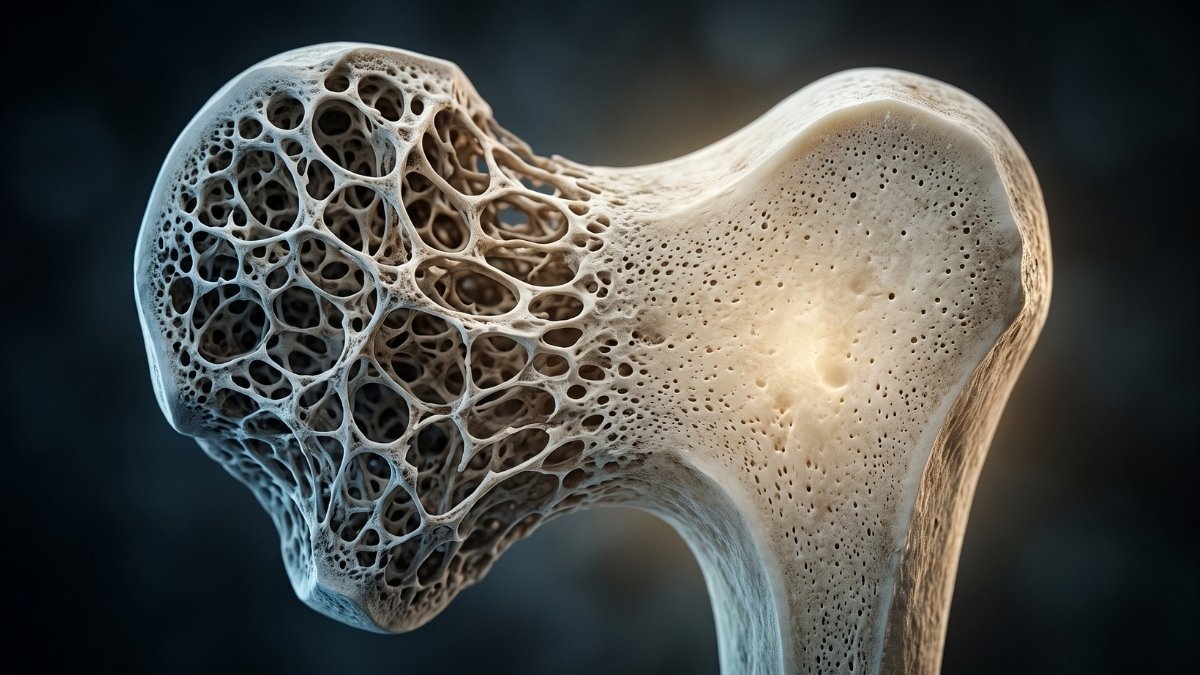
Right now, your body is losing more bone density than it makes, and you cannot feel it happening. That is the uncomfortable part about turning 30. There is no pain, no warning sign, just a quiet trade that keeps going for decades until a small fall causes a wrist fracture or your spine suddenly seems a little shorter.
More than 54 million Americans are already living with weak or low density bones, and women face this about four times as often as men. There is a real window right now to slow this down, and in some cases add bone back, but almost nobody hears about it until it already looks like a crisis.
Before making any changes based on this article, talk to your doctor, especially if you are currently taking medication or have a diagnosed bone or hormone condition.
This piece breaks down what is actually happening inside your skeleton after 30, how to check your own risk without waiting for an expensive scan, and the specific habits that give you the best real shot at protecting, and partly rebuilding, your bone density.
The Switch Nobody Warns You About
Your skeleton is not a fixed structure sitting quietly inside you. It behaves more like a construction site that never fully closes.
Specialized cells called osteoblasts constantly build new bone, while other cells called osteoclasts break old bone down. Through your teens and early twenties, the builders win. Your skeleton grows denser every year.
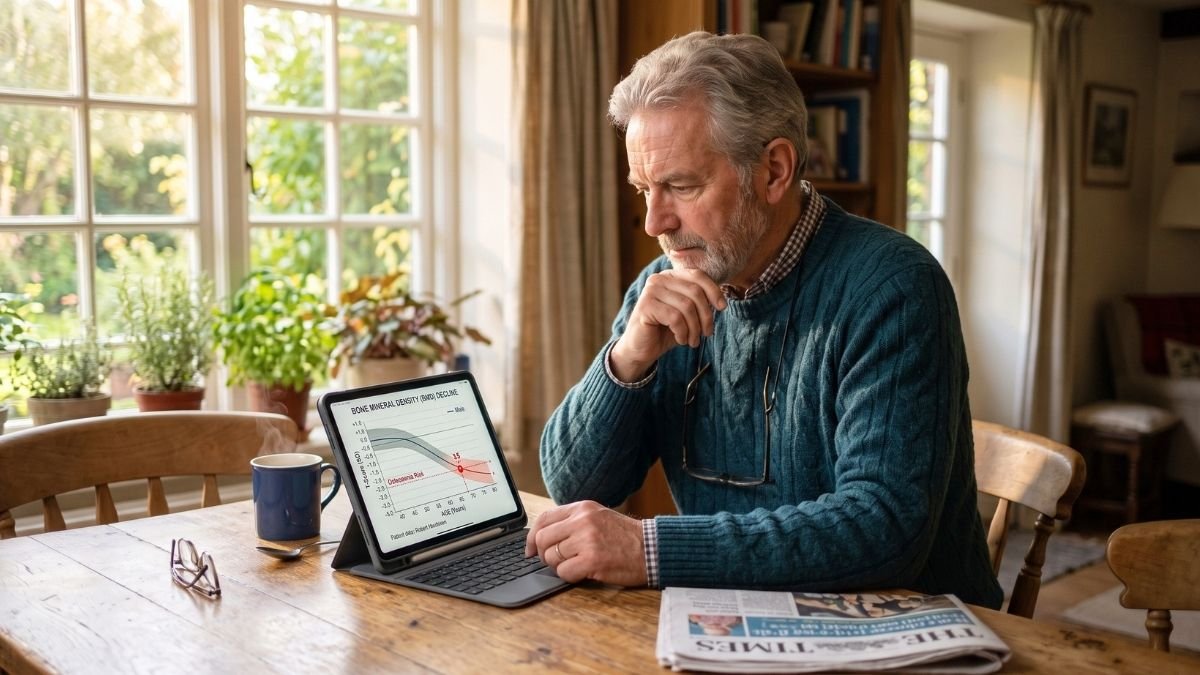
Somewhere in your late twenties to early thirties, most people hit what doctors call peak bone mass. Tina Dreger, an orthopedic surgeon at Mayo Clinic Health System, has explained it plainly: your body keeps building bone until around age 30, and after that, breakdown starts outpacing rebuilding.
From that point on, the two crews stop working evenly. Old bone gets cleared away slightly faster than new bone replaces it. The loss is small at first, often less than one percent a year in your thirties, but it compounds. It does not reverse itself on its own.
Why Bone Density Loss After 30 Stays Invisible For So Long
Here is the part that catches people off guard. Bone density loss does not hurt.
There is no ache that tells you your spine is thinning. No stiffness that signals your hip is weaker than it was five years ago. Doctors sometimes call osteoporosis a silent disease for exactly this reason.
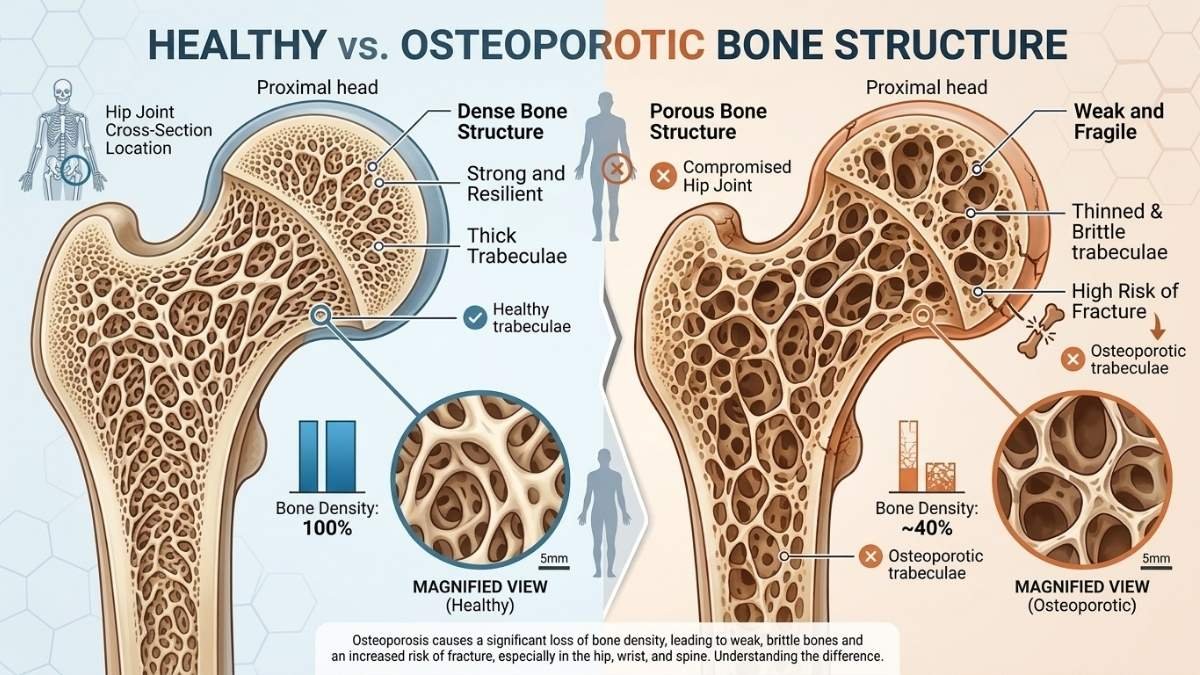
Routine bone density scans, known as DXA or DEXA scans, are not typically recommended until age 65 for women and 70 for men, unless you already have risk factors that move the timeline up. That leaves decades where most adults have no real feedback on what their bones are doing.
For a lot of people, the first sign is a fracture from something that should not have caused one. A wrist breaking from a minor stumble. A rib cracking from a hard cough. A vertebra compressing quietly enough that you only notice it as lost height or a slight stoop.
A Two Minute Check You Can Do Before Your Next Doctor Visit
You do not need a scan to get a rough sense of your risk today. A few honest questions can tell you whether this deserves urgent attention or general prevention.
Ask yourself whether any of these apply: a parent or sibling with osteoporosis or a hip fracture, a naturally small or thin body frame, current or past smoking, more than moderate regular alcohol use, an early menopause before age 45, long term steroid medication use, or a diet that rarely includes dairy, fortified alternatives, or leafy greens.
Two or more of those factors is a reasonable signal to ask your doctor about an earlier bone density test rather than waiting for the standard screening age.
Bone Builders Versus Bone Robbers
Not every daily habit affects your skeleton the same way. Some quietly protect it. Others quietly drain it, even when they seem harmless.
Bone Health: The Balance Ledger
A direct comparison of the daily habits, dietary choices, and health factors that either build your bones up or break them down.
Exercise
Resistance training, brisk walking, dancing, and stair climbing.
Long stretches of sitting, and engaging in no impact activity at all.
Diet
Calcium-rich foods, consuming enough protein, and maintaining vitamin D levels.
Very low-calorie diets, excess soda consumption, and chronically low protein intake.
Daily Habits
Moderate to no alcohol consumption, and completely avoiding smoking.
Smoking tobacco and engaging in regular, heavy alcohol drinking.
Health Factors
Treating thyroid or hormone imbalances promptly under medical supervision.
Leaving early menopause untreated, or prolonged use of steroid medications.
Everyone’s body responds differently, so check with your doctor before trying this if you have an existing condition or take medication.
The Part Most People Get Wrong: You Can Partly Rebuild This
Most articles stop at “slow the loss.” That undersells what the research actually shows, especially if you catch this in your thirties or forties instead of your sixties.
A 2025 systematic review and meta-analysis in the Journal of Orthopaedic Surgery and Research pooled 17 randomized controlled trials covering close to 700 postmenopausal women.
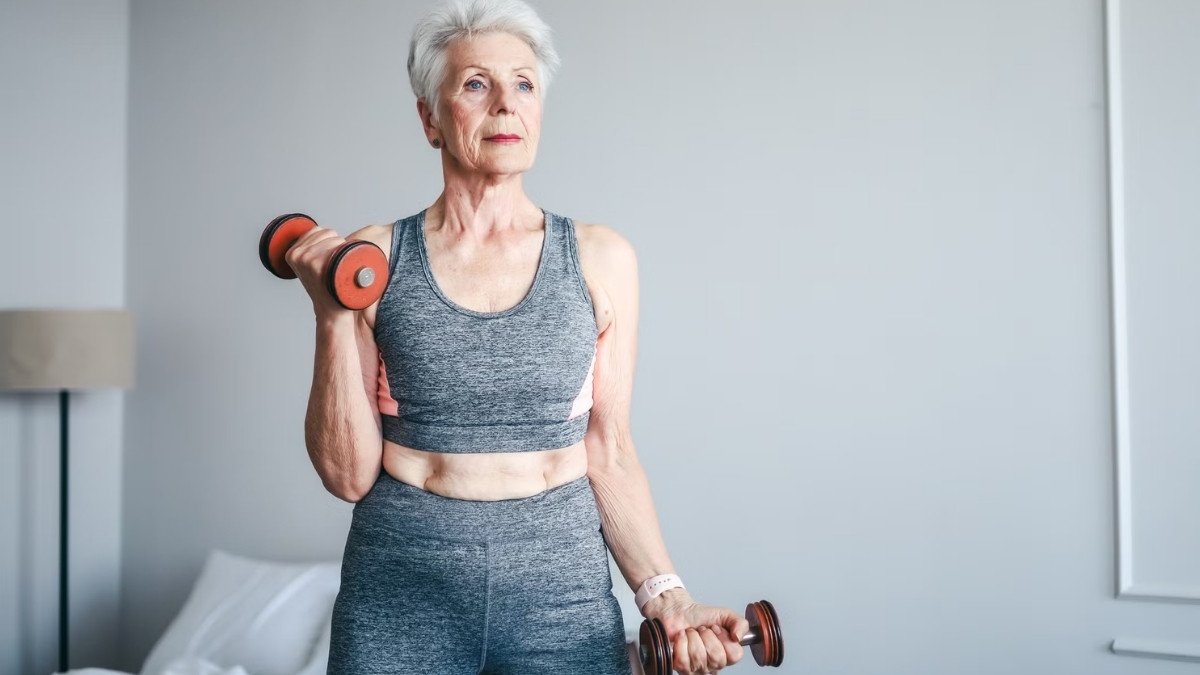
Resistance training produced statistically significant improvements in bone mineral density at the lumbar spine, femoral neck, and total hip, not just slower decline. The researchers found the biggest gains came from moderate to high intensity training done about three times a week, sustained for 48 weeks or longer.
That matters beyond the postmenopausal group the study focused on. The same mechanism, bone responding to mechanical stress by rebuilding itself denser, applies earlier in life too, which is exactly why starting in your thirties and forties carries so much leverage.
Here is what that looks like in practice.
Resistance training, two to three times a week. Use weights or resistance heavy enough that the last two repetitions of a set feel genuinely hard. Target the hips, spine, and wrists specifically, since these are the most common fracture sites.
Weight bearing cardio, most days. Brisk walking, jogging, stair climbing, dancing, or tennis all force your skeleton to bear your body weight against gravity, which is the exact stimulus that triggers new bone formation. Swimming and cycling are excellent for your heart but do not provide the same bone stimulus.
Calcium, consistently. Adults up to 50 generally need around 1,000 milligrams a day. Past 50, that rises to about 1,200 milligrams, ideally from food sources like dairy, fortified plant milk, tofu, and leafy greens rather than supplements alone.
Vitamin D, daily. Most adults need roughly 600 to 800 international units a day. Vitamin D is what allows your body to actually absorb the calcium you eat, so low levels can undercut an otherwise solid diet.
Protein, at every meal. Bone is not just mineral. Roughly half its volume is protein, so chronically low intake slows the rebuilding side of the equation.
Try This Today
- Book two 20 to 30 minute resistance sessions into your week, targeting legs, hips, and back.
- Add a 20 minute brisk walk outside, which also helps with vitamin D from sunlight.
- Swap one snack today for a calcium source: yogurt, fortified milk, almonds, or leafy greens.
- Stand up and move for two minutes every hour you would otherwise spend sitting.
- Ask your doctor whether your personal risk factors justify an earlier bone density scan.
What To Expect, And When
Bone does not respond overnight, and knowing the real timeline helps you stay consistent instead of quitting after two weeks because nothing seems different.
The Timeline of Bone Remodeling
Understanding the slow, powerful biological process of turning consistent exercise into permanent skeletal strength.
Neuromuscular Adaptations
Muscle strength and balance improve first. Because biological changes take time, bone remodeling has not caught up to your new strength yet.
The Remodeling Cycle
Each bone remodeling cycle takes roughly 3 to 4 months. During this critical window, early density preservation begins on a cellular level.
Measurable Changes
Structured resistance programs finally start showing measurable physical changes on bone density scans, particularly at the spine and hip.
True Density Gains
Consistent, long-term training is linked to real density gains and profound skeletal fortification, particularly past the 48-week mark.
When To Stop Reading And Call A Doctor
Most bone density loss is gradual and manageable with the steps above. A few signs deserve prompt medical attention rather than a wait and see approach.
- A fracture from a fall or bump that seems minor, especially in the wrist, hip, or spine.
- Sudden or worsening back pain with no clear injury behind it.
- Noticeable height loss or an increasingly stooped, forward leaning posture.
- Persistent, unexplained bone pain that does not track with activity.
Common Questions
Is walking alone enough to protect my bones? Walking helps, but it mainly benefits the hips and legs. Without resistance training, your spine and wrists miss out on the loading they need, which is why doctors generally recommend combining both.
Can lifestyle changes fully reverse osteoporosis without medication? Often, no. Lifestyle changes can meaningfully slow loss and, in earlier stage low density (osteopenia), sometimes add measurable bone back. Once osteoporosis is established, most doctors combine these habits with medication for the best protection against fracture.
Who should get a bone density test earlier than the standard screening age? Anyone with two or more risk factors from the checklist above, including family history, early menopause, long term steroid use, or a history of low body weight, should raise the question with their doctor well before the standard screening age.
How long until I would actually see a difference? Give it a full year of consistent effort before judging results. Muscle and balance improve within weeks, but meaningful bone density change generally needs 6 to 12 months of sustained training.
The Takeaway,
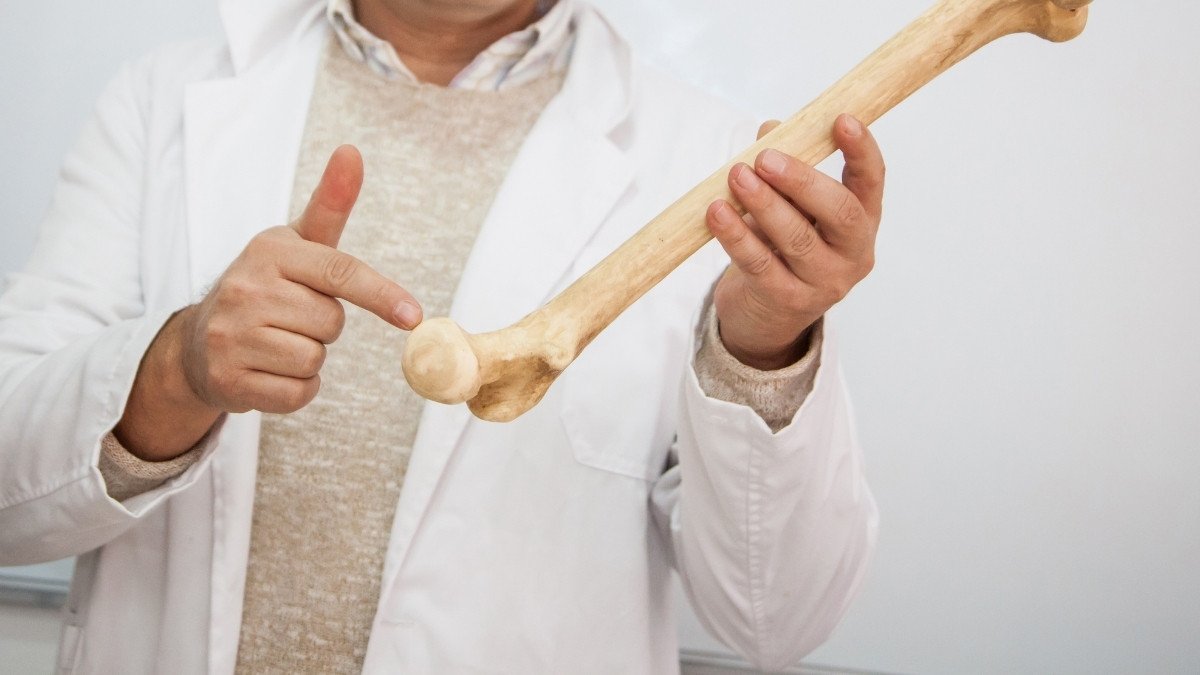
Bone density loss after 30 is real, it is quiet, and it adds up whether you pay attention to it or not. The upside is that it responds to specific, doable action: resistance training, weight bearing movement, enough calcium, protein, and vitamin D, and honest awareness of your personal risk factors.
Starting now, while you are decades away from the standard screening age, is exactly the advantage most people never use.
This article is for informational purposes only and is not a substitute for professional medical advice, diagnosis, or treatment. Always consult your doctor or a qualified healthcare provider before making changes to your diet, exercise routine, or medications, especially if you have an existing health condition.