

Your blood pressure reading from your last checkup might already be a problem, and there is a good chance nobody fully explained what that number means for you. Nearly three out of four adults over 60 now live with high blood pressure, and a large share of them believe their treatment is working when the numbers say otherwise.
Left unchecked, this quiet mismatch is what pushes strokes, heart attacks, and vision loss into motion years before anyone notices a symptom. There is a two minute check you can run at home this week that tells you, honestly, whether you are one of the few whose blood pressure is actually under control.
Before making any changes based on this article, talk to your doctor, especially if you are currently taking blood pressure medication or have a diagnosed heart or kidney condition.
This piece breaks down where the 71 percent and 1 in 5 numbers actually come from, why turning 60 changes your arteries so quickly, and the exact steps to check your own status this week.
Where The 71 Percent And The 1 In 5 Blood Pressure Numbers Actually Come From
The 71 percent figure is real. Federal health data collected between August 2021 and August 2023 found that 71.6 percent of adults 60 and older have high blood pressure, using the current definition of a reading at or above 130 over 80, or already taking medication for it.
The “1 in 5” part needs a little more context. About one in five adults with hypertension across all age groups, roughly 20.7 percent, actually have their numbers under 130 over 80. For adults 60 and older specifically, the picture is a bit better but still far from good. Government data puts blood pressure control in that age group closer to three in ten, about 29.2 percent.
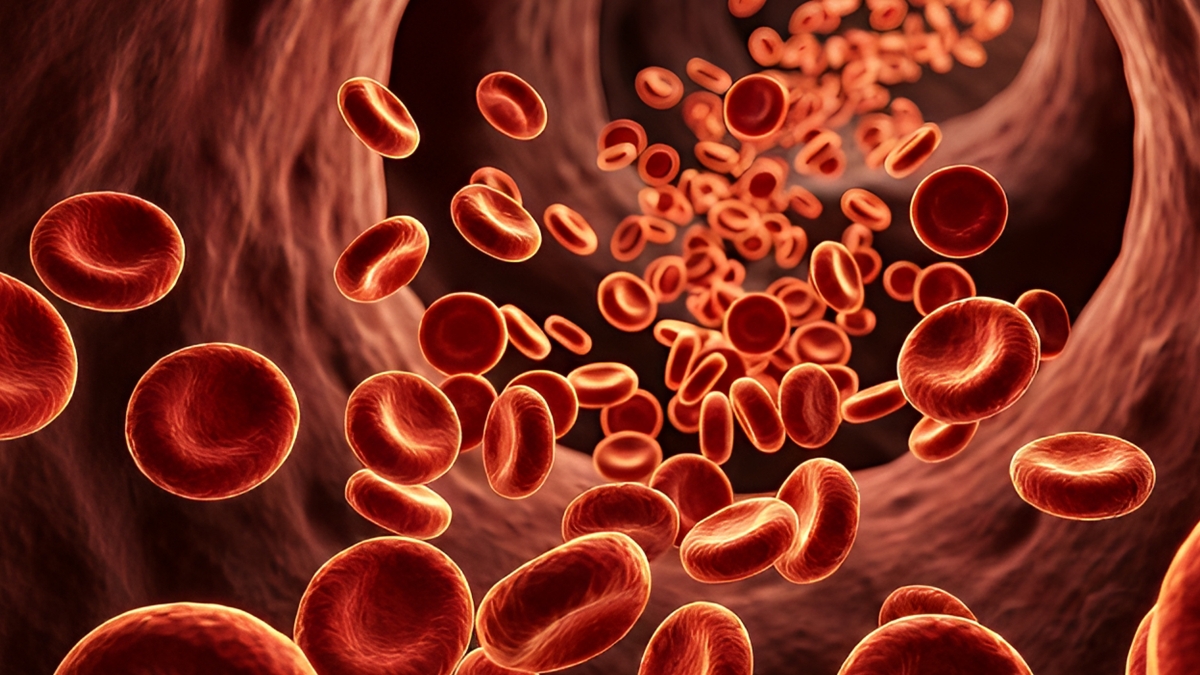
Either way you slice it, most people over 60 with high blood pressure do not have it controlled. Whether the real number in your age group lands at one in five or three in ten, roughly seven out of ten older adults with hypertension are still walking around with numbers higher than they should be.
| Age Group | Percent With High Blood Pressure | Percent With It Under Control |
|---|---|---|
| 18 to 39 | 23.4% | 4.5% |
| 40 to 59 | 52.5% | 18.1% |
| 60 and older | 71.6% | 29.2% |
Notice the pattern. The older you get, the more likely you are to have high blood pressure, but also the more likely you are to have it managed. That is not much comfort when you consider that control still means fewer than one in three.
Why Your Arteries Change So Much After 60
Blood pressure does not rise with age by accident. It happens because your blood vessels are physically different than they were at 40.
Large arteries, especially the aorta, lose elastin fibers and accumulate collagen and calcium over the decades. That makes them stiffer and less able to stretch and absorb the force of each heartbeat. The heart pushes blood into a pipe that no longer flexes the way it used to, and the systolic number, the top one, climbs as a direct result.
This is why so many people over 60 develop what is called isolated systolic hypertension, a bracketed term meaning the top number is high while the bottom number stays close to normal.

It is the dominant pattern of high blood pressure in older adults, and it often gets missed by people who were taught to worry only about the bottom number.
Aging kidneys add another layer. They become less efficient at clearing sodium, so the body holds onto more fluid, which raises blood volume and pressure. The blood vessel lining also produces less nitric oxide, a molecule that normally helps vessels relax, while producing more of the substances that make them constrict.
Everyone’s body responds differently, so check with your doctor before making changes based on your own numbers if you have an existing condition or take medication.
The Real Reasons The “Under Control” Number Stays So Low
Most articles stop at telling you high blood pressure is common. Fewer explain why the control numbers stay so stubbornly low even when medication exists and works.
Part of it is forgetfulness and cost. Skipped doses, complicated multiple medication schedules, and side effects all chip away at consistent treatment. Part of it is what doctors call clinical inertia, where a reading stays elevated visit after visit without the treatment plan actually being adjusted.

Another major factor is the gap between a clinic reading and real life. White coat hypertension happens when nerves in a medical office push numbers artificially high. Masked hypertension is the opposite and arguably more dangerous: the office reading looks fine, but real world numbers at home are elevated the rest of the time.
Blood Pressure · Blind Spots
Why Your Blood Pressure Numbers Might Be Lying
The reading isn’t always the full story — here’s what’s often missing.
Numbers Look Fine at the Doctor, High Everywhere Else
WhyMasked hypertension — the stress response is different in a clinic.
HelpsHome monitoring over several days.
Numbers Spike Only at Appointments
WhyThe white coat effect — anxiety in a medical setting.
HelpsRepeat readings after resting quietly.
Reading Stays High for Months Without a Change in Treatment
WhyClinical inertia — no adjustment to medication or dose.
HelpsAsk directly whether your treatment plan should change.
Medication Taken Inconsistently
WhyForgetfulness, side effects, cost, or complex schedules.
HelpsPill organizers, refill reminders, and talking through side effects.
The Two Minute Blood Pressure Test You Can Run This Week
You do not need a clinic to find out where you actually stand. The American Heart Association and Mayo Clinic both recommend a simple home routine that takes about five minutes to set up and two minutes to run.
Sit quietly for five minutes before you start. Keep your back supported, feet flat on the floor, legs uncrossed, and your arm resting on a table at roughly heart height. Use a validated upper arm cuff that actually fits your arm, since an undersized cuff can push a reading up by a meaningful margin.
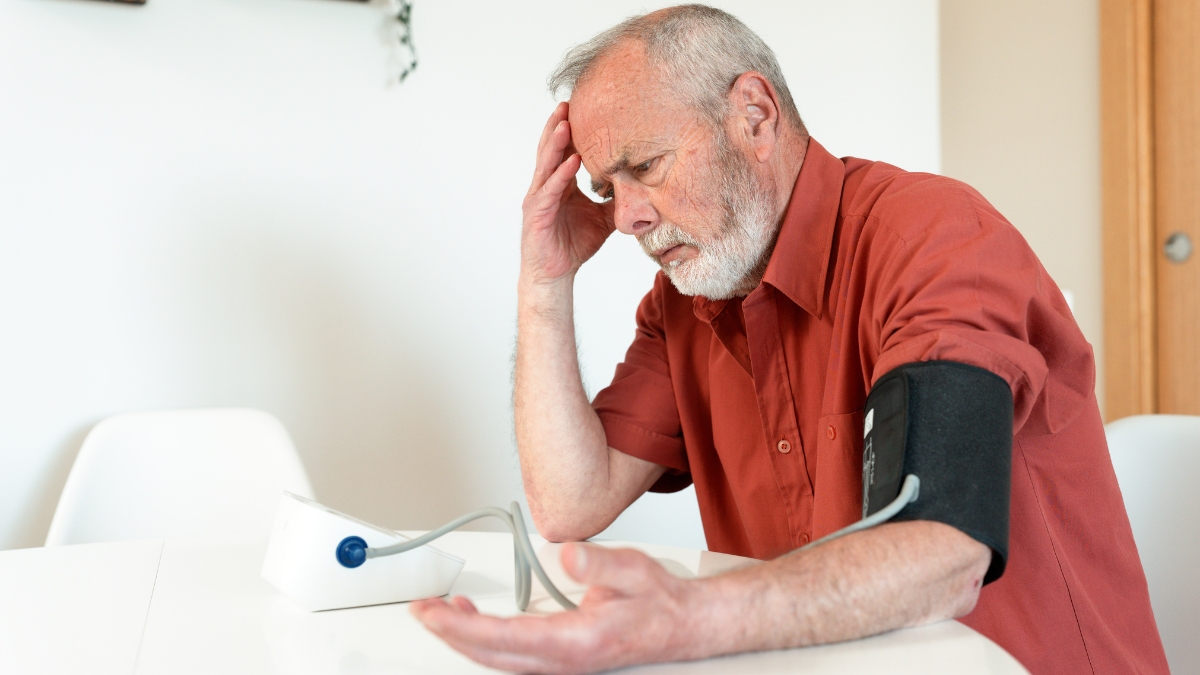
Take two readings, about one minute apart, and average them. Do this once in the morning and once in the evening for about a week, ideally before any blood pressure medication and before dinner. Write the numbers down or let the monitor store them, then bring the full week of data to your next appointment instead of relying on a single office reading.
Try This Today
- Check your blood pressure at the same times each morning and evening for one week and average the results
- Trim sodium from canned soups, deli meat, and restaurant meals, and add more fresh vegetables and fruit instead
- Walk briskly for a total of about 30 minutes most days of the week
- Keep alcohol to about one drink a day for women and two for men, or ask your doctor about cutting back further
- Set a refill reminder so a medication dose never quietly runs out
When To Stop Reading And Call A Doctor
Some symptoms mean this is no longer a lifestyle conversation. Call 911 if your blood pressure reads 180 over 120 or higher and you also have:
- Chest pain or pressure
- Sudden numbness or weakness, especially on one side of the body
- Trouble speaking or understanding speech
- Sudden vision changes or a severe, unusual headache
These can be signs of a hypertensive emergency or a stroke in progress, and minutes matter.
What Most Articles Leave Out
Heart attack and stroke get most of the attention when people talk about high blood pressure, but the brain connection deserves more space than it usually gets. A large analysis published in the journal Neurology, following more than 31,000 people with an average age of 72 across 14 countries, found that untreated high blood pressure was linked to as much as a 42 percent higher risk of Alzheimer’s disease compared with blood pressure that was managed.

Stroke and dementia are also linked directly. Roughly one in three people who survive a stroke go on to develop vascular dementia, according to Alzheimer’s Research UK. Uncontrolled blood pressure is the single biggest modifiable risk factor for stroke in the first place.
What Actually Moves The Needle
Lifestyle changes are not a consolation prize while waiting on medication. In several trials, they moved numbers by amounts comparable to a full prescription.
Blood Pressure · What Actually Moves the Number
How Much Each Change Really Lowers Blood Pressure
Typical drops in the top number — and why stacking changes works best.
DASH Eating Pattern
8–14 mmHgMore potassium, calcium, and fiber; less saturated fat.
Cutting Sodium
2–8 mmHgLess fluid retention, lower blood volume.
Regular Aerobic Activity
4–9 mmHgImproves vessel flexibility and heart efficiency.
DASH + Low Sodium Together
20+ mmHgAt higher starting numbers, the combined effect is larger than either change alone.
Research from the original DASH-Sodium trial found that blood pressure began dropping within the first week or two of the low sodium diet and kept improving over the following weeks, so the payoff shows up faster than most people expect.
Common Questions
Does everyone over 60 need medication?
Not automatically. Treatment decisions depend on your actual numbers, other risk factors, and overall health, which is why individualized guidance from your doctor matters more than a general rule.
Why did my home reading not match my doctor’s office reading?
This is common enough that it has two names, white coat hypertension and masked hypertension, both described above. A week of home readings usually settles which pattern applies to you.
Can blood pressure go back to normal without medication?
For some people with mild elevation, sustained lifestyle changes can bring numbers back into a normal range. For others, especially where arterial stiffening has already progressed, medication plus lifestyle changes together tend to work better than either alone.
How long until lifestyle changes actually show up in the numbers?
Sodium and diet changes can influence readings within one to two weeks, based on the timeline observed in DASH-Sodium research, though full benefits typically build over several weeks to months.
Bottom Line,
The 71 percent is accurate, and the “1 in 5” is close enough to reality to take seriously, especially since even the more generous 60 and older figure still leaves roughly seven in ten people without control. The gap between having high blood pressure and actually managing it comes down to a handful of fixable things: knowing your real numbers outside a clinic, closing the small daily gaps in medication and diet, and treating a home blood pressure check as seriously as any other appointment.