
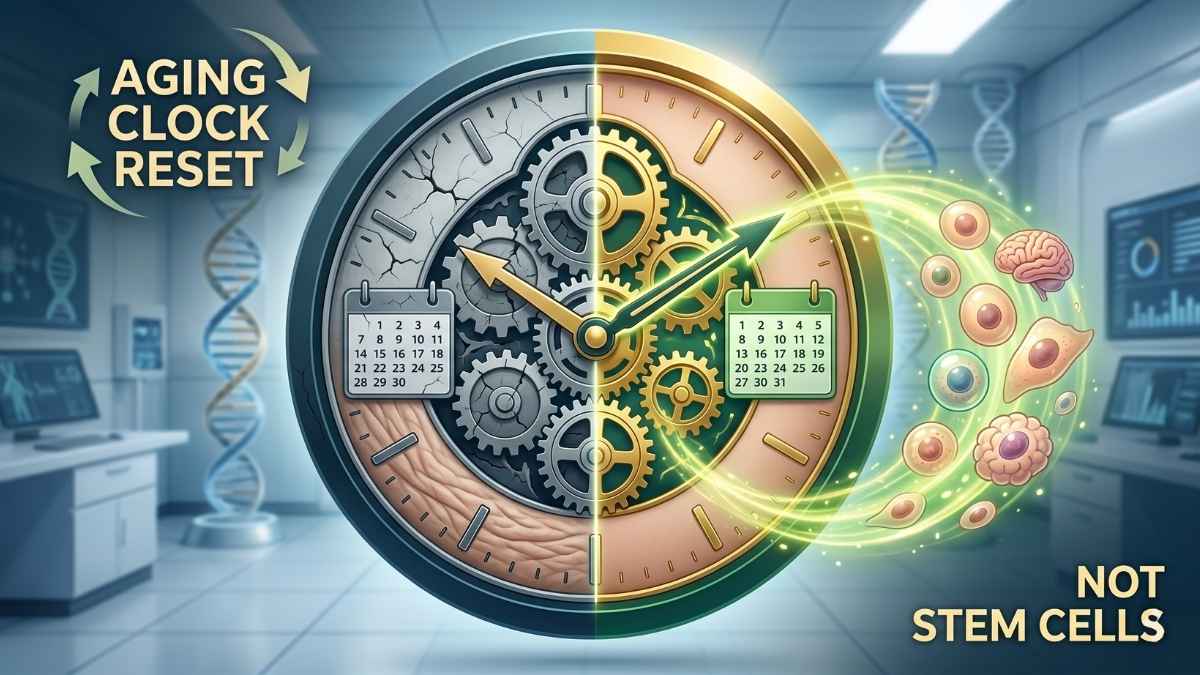
You have probably seen a headline claiming scientists can now reverse aging, and you have probably wondered if that means anything real or if it is just another internet exaggeration.
Most people who read about aging research leave more confused than when they started, because the science is written for scientists, not for the person wondering if any of this will ever actually help them.
This article is for health-aware adults who follow longevity science but are not scientists, and it exists to give you a straight answer without the jargon. Partial cellular reprogramming is one of the most studied tools in that effort.
And by the end of this article you will know exactly what it does, what it does not do, and how close it is to reaching people instead of mice.
Partial Cellular Reprogramming Starts With a Backup Your Cells Already Have
You feel your age in your knees, your skin, your energy by 3 p.m. Here is the part that surprises most people: the DNA inside those tired cells is identical to the DNA you had at twenty five.
Partial cellular reprogramming is the field built on a strange discovery, that aging may not be about your genes changing at all, but about your cells forgetting how to read the genes they already have.
Think of your DNA as a massive instruction manual that never gets rewritten. What changes with age is the epigenome [the layer of chemical signals that tells genes when to turn on and off], which acts like sticky notes scattered across that manual, marking which pages to read and which to ignore.
Over decades those sticky notes drift, fall off, and pile up in the wrong places. Genes that should stay quiet start firing. Genes you need stop showing up.
Harvard geneticist David Sinclair calls this the Information Theory of Aging. His lab tested it directly by deliberately scrambling the epigenetic sticky notes in mice and watching what happened next. The mice aged faster, in body, brain, and cell function, exactly as the theory predicted.
Then came the part that changed the field. When researchers restored the epigenetic signals using a known set of reprogramming genes, the aging effects reversed. That single result is why this article exists.
The next question is obvious. What exactly is this switch, and where did it come from.
Scientists Found the Switch That Can Restore It
You are about to meet the discovery that makes all of this possible, and the catch that almost stopped it from ever reaching a human body. In 2006, a Japanese researcher named Shinya Yamanaka found four genes that could take any adult cell and wind it all the way back to an embryonic state,
capable of becoming any cell type in the body. These four genes, OCT4, SOX2, KLF4, and c-MYC, are now called the Yamanaka factors. The discovery was significant enough to win the Nobel Prize.
This was a breakthrough for stem cell research, but it created a serious problem for anyone hoping to use it on a living person. Winding a cell back that far erases its identity completely. A skin cell forgets it is a skin cell.
And cells that forget their identity can grow without control, forming dangerous masses called teratomas [tumor-like growths that form when cells lose their identity and divide uncontrollably].
Researchers found a workaround. Your cells do not lose the instructions for being young, they lose the ability to read them. Instead of activating all four Yamanaka factors and letting the process run to completion,
they activate three of them, OCT4, SOX2, and KLF4, known as OSK, and stop the process partway through. The cell gets younger without forgetting what kind of cell it is.
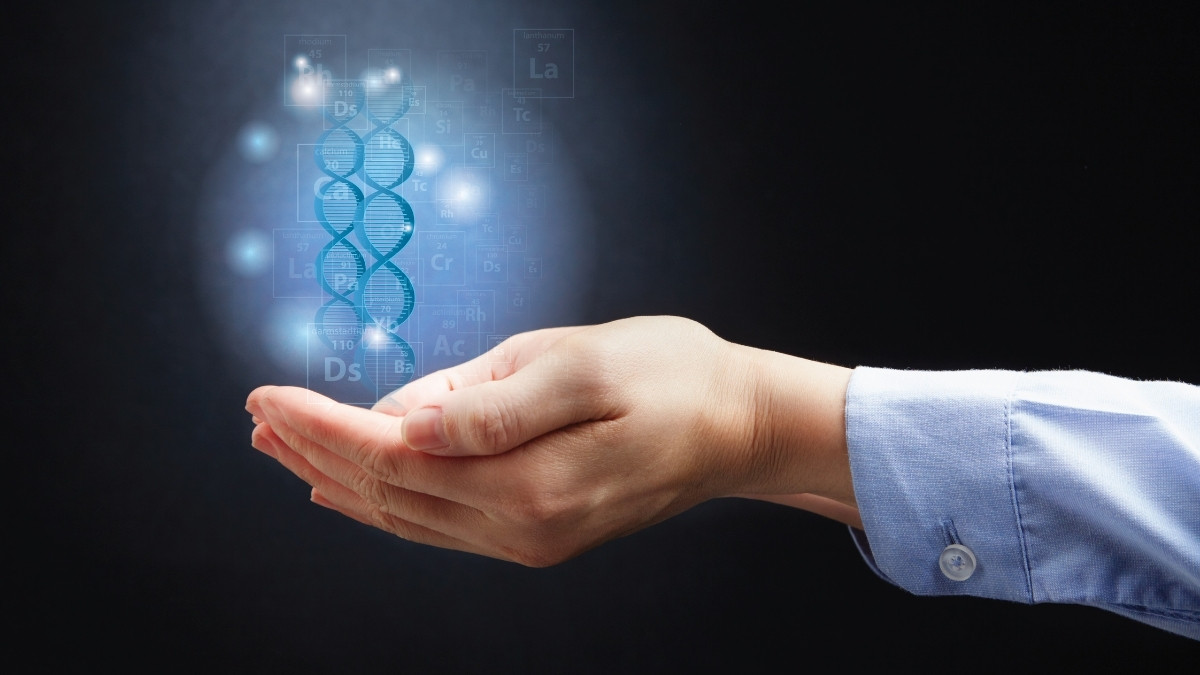
In 2020, Sinclair’s team tested this in the eyes of mice. OSK activation restored youthful gene activity in damaged retinal cells, helped damaged nerves regrow, and reversed vision loss in a mouse model of glaucoma.
That study is widely considered the moment partial reprogramming moved from theory to something with real biological proof behind it.
The next thing to understand is exactly what gets reset in that process, and what stays untouched.
What Exactly Gets Reset and What Stays the Same
Picture a phone that resets its software back to a recent backup without erasing your photos and contacts. That is roughly what happens inside a cell during partial reprogramming.
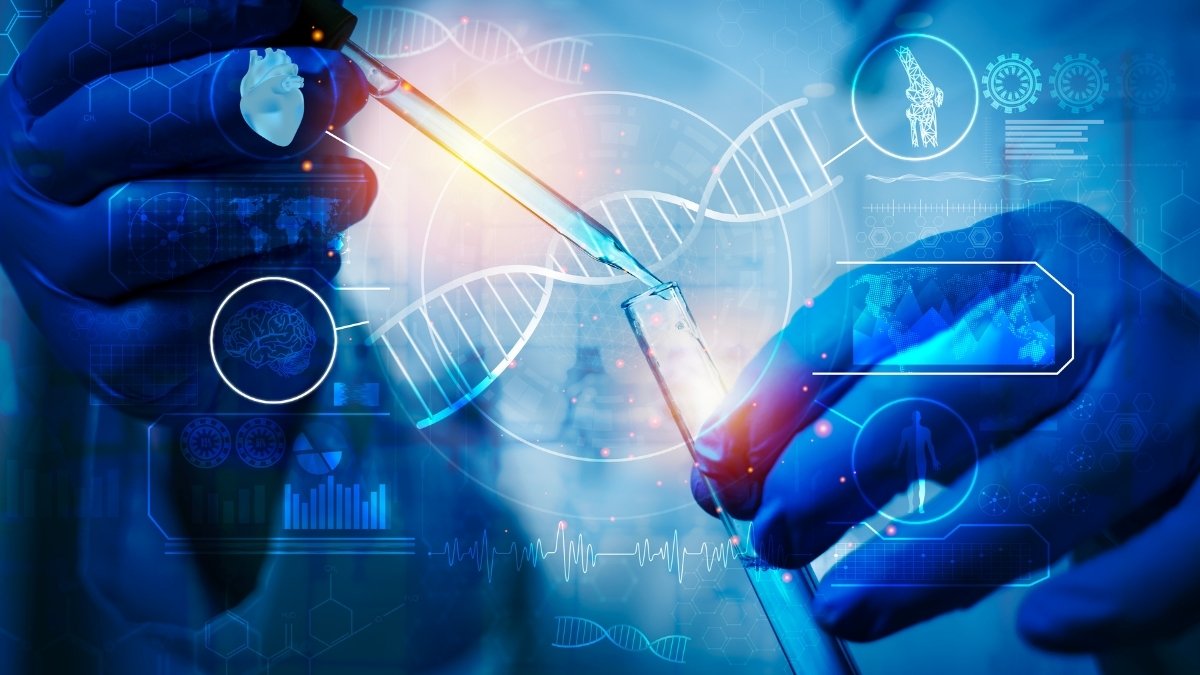
What gets reset includes the cell’s DNA methylation pattern [the chemical markings on DNA that researchers use to estimate biological age], its gene activity, and measurable signs of cellular aging like mitochondrial function. Scientists track these changes using tools called epigenetic clocks.
[lab tests that read chemical marks on DNA to estimate how biologically old a cell behaves, separate from a person’s actual age in years]. What does not get reset is the cell’s identity. A treated retinal cell stays a retinal cell. A treated skin cell stays a skin cell.
In 2023, Sinclair’s lab took this a step further. Instead of using gene therapy, they tested chemical compounds on human skin cells in the lab. Six different chemical combinations restored youthful gene activity and reversed measured cellular age in under a week, without disturbing what the cells were.
That result matters because it hints at a future where this kind of reset might eventually come from a treatment rather than a gene therapy injection.
Mouse studies have now shown similar resets across the liver, skeletal muscle, skin, kidney, and heart, suggesting this is not a one-organ trick.
That sounds almost too good. So here is the part most articles skip.
If you are pregnant, on medication, or managing a chronic condition, talk to your doctor before making any changes based on emerging research like this, since none of it is yet an approved treatment available to the public.
The Cancer Risk Is Real, and Here Is How Researchers Are Addressing It
You deserve the honest version of this story, including the part that should make you cautious. Full reprogramming, all four Yamanaka factors left running continuously, has caused tumors and organ failure in mice. That is not disputed and it is the central reason this technology took fifteen years to reach a human trial.
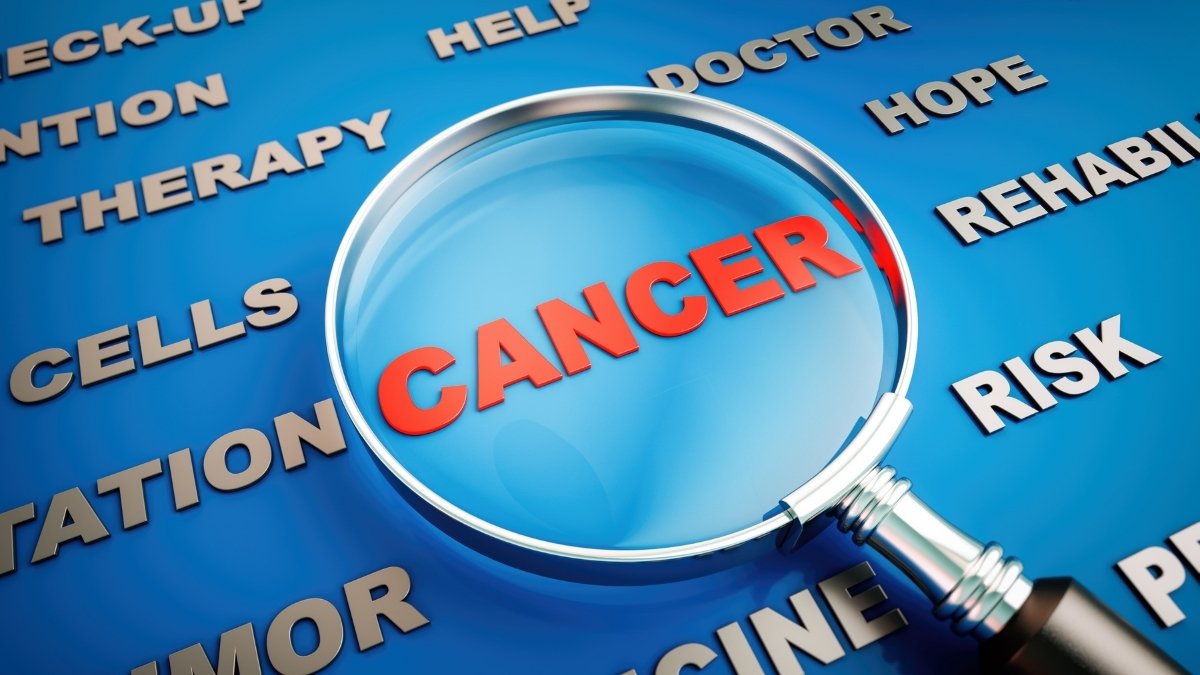
The danger comes from pushing cells too far toward dedifferentiation [when a specialized cell, like a liver cell, loses its specialized identity and reverts toward an earlier, less defined state]. Two strategies have emerged to manage this teratoma risk.
- Drop the fourth gene. c-MYC is strongly linked to cancer growth. Using only OSK, three factors instead of four, sharply lowers the risk.
- Cycle the dose instead of running it continuously. Turning the genes on for a short window and off for a longer one allows rejuvenation without the runaway growth seen with constant activation.
In a 2024 study, researchers gave OSK gene therapy to mice that were 124 weeks old, equivalent in age to a human well past eighty. These mice lived a median of 109 percent longer than untreated mice, and the researchers reported no teratoma formation. That single study is the reason this field moved from cautious optimism to active human testing.
The risk has not disappeared. It has been managed well enough, in animals, to justify testing it in people.
From Blind Mice to the First Human Trial
Every breakthrough needed a previous one to stand on. The 2020 vision study in mice was the proof of concept that convinced investors and regulators this was worth pursuing seriously. From there, the same OSK approach was tested successfully in monkeys, restoring vision in animals with optic nerve damage. Each step de-risked the next one.
On January 28, 2026, the FDA cleared an Investigational New Drug application for ER-100, a partial reprogramming gene therapy from the company Life Biosciences, co-founded by Sinclair himself.⁸ It was the first time any cellular reprogramming therapy had ever been cleared for human testing.

Then, on June 9, 2026, Life Biosciences announced that the first human patient had received the treatment. The therapy is being tested in people with open-angle glaucoma and a condition called NAION [a sudden loss of blood flow to the optic nerve, sometimes called a stroke of the eye]. Patients receive a single injection, followed by eight weeks of an antibiotic called doxycycline, which acts as the on-off switch for the reprogramming genes.
This Phase 1 trial exists to answer one question first: is this safe in a human body. Everything else comes after that.
Where This Science Stands Today and What to Watch Next
Here is the part worth sitting with. A person, today, is carrying reprogrammed cells in their eye, something that did not exist outside of a lab eighteen months ago.
This first trial is not testing whether the treatment extends life or reverses aging broadly. It is testing whether it is safe and tolerable in humans, with vision improvement as a secondary measure researchers are watching closely. If it succeeds, it opens the door to testing this approach in other organs and other diseases of aging, not just the eye.
It is also worth knowing this is not a one-company race. Other labs and companies, including Altos Labs, are pursuing reprogramming research with serious funding behind them, which means progress here will likely come from multiple directions at once.
Keep your expectations honest. Every major lifespan result so far comes from mice, not people. The chemical cocktail results are from lab-grown cells, not living tissue. Partial cellular reprogramming has earned its place as one of the most promising tools in aging science, but the human proof is still being written, one patient at a time.

Watch the Phase 1 safety results from this trial. That is the next real signal, not a guess.
What This Means for You Right Now
Bookmark the SavvyHipster longevity coverage page and check back as the first human trial results from ER-100 are published, because this is the moment when the science stops being theoretical.
Watch for safety data first, since that is what this early trial is built to answer, and treat any early efficacy news as encouraging rather than conclusive.
Partial cellular reprogramming has moved from a mouse experiment to a human arm in the span of a few years, and real biological age reversal in people, if it comes, will be confirmed one trial at a time. The next update will not come from a lab. It will come from a patient.