

You slept eight hours last night. But you woke up exhausted, jaw tight, and already dreading the day. That is not a sleep problem. That is your body still running an emergency alert that never got turned off.
Most people blame themselves. They think they are lazy, weak, or anxious by nature. But that is not true. Your body is stuck in a stress loop. It keeps firing alarm signals even when the danger is gone.
Two-thirds of Americans say stress shows up in their body as real, physical symptoms — fatigue, headaches, and nervous feelings — according to the APA’s Stress in America 2025 report. You are not alone. And more importantly, you are not broken.
This article shows you 9 signs your body is stuck in stress mode, why each one happens, and exactly what to do about it today.
Point One: Why Your Body Gets Stuck in Stress Mode (And Why It Stays There)
Your brain has one job when it senses danger: protect you. A tiny region called the hypothalamus fires an alarm signal. Your adrenal glands release cortisol and adrenaline. Your heart speeds up. Your muscles tighten. You are ready to run or fight.
This was perfect when humans faced predators. The problem is your brain cannot tell the difference between a tiger and a work deadline. Both trigger the same chemical reaction in your body.
When stress never stops, the system never shuts off. A 2025 review in the International Journal of Molecular Sciences confirmed that chronic stress breaks the body’s ability to self-regulate. The result is a pro-inflammatory state that keeps your body locked on high alert 24 hours a day.
A 2022 JAMA Psychiatry study found people under prolonged stress were twice as likely to develop metabolic syndrome — a dangerous cluster of high blood pressure, high blood sugar, and excess belly fat.
This is not a mindset issue. It is a biological state. And that means it responds to biological solutions.
Quick Tips:
- Think of chronic stress like a car alarm stuck on — the solution is not to ignore it but to find the off switch.
- Stress becomes dangerous when it never fully stops, not when it occasionally spikes.
- Recognizing the physical signs is the first real step to changing them.
Point Two: You Cannot Sleep and You Are Clenching Your Jaw Without Knowing It
Sign 1 — Broken Sleep
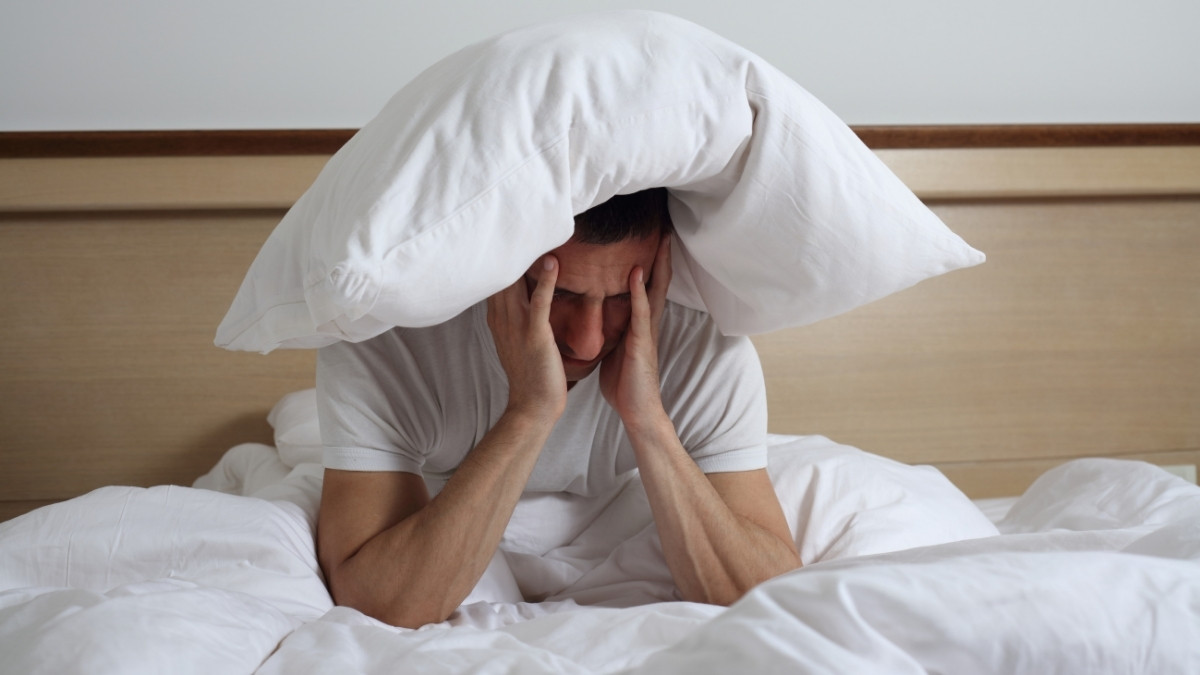
When your nervous system is stuck in fight-or-flight, your brain does not fully power down at night. It stays on guard. So even after 8 hours in bed, you wake up feeling like you never slept. According to the American Academy of Sleep Medicine (2025), about 78% of Americans lose sleep over financial stress, and 65% over work stress.
Poor sleep then makes stress worse. And worse stress makes sleep harder. It is a cycle that feeds itself.
Fix: Try 4-7-8 breathing before bed. Inhale for 4 seconds. Hold for 7. Exhale slowly for 8. This directly activates your parasympathetic nervous system — the part that tells your body it is safe. Cleveland Clinic’s Dr. Estemalik confirms in 2025 that this type of purposeful breathing is one of the most effective tools to calm your nervous system fast.
Sign 2 — Jaw Clenching (Bruxism)

Your jaw muscles are among the first to tighten when stress builds up. Most people do not even notice until their dentist finds tooth wear or they wake up with a sore face.
Fix: Three times a day, consciously drop your jaw. Let your teeth part. Relax your tongue. Set a phone reminder labeled “jaw check.”
Quick Tips:
- Do the 4-7-8 breath lying flat in bed, not sitting up.
- Check your jaw right now — is it clenched? Most people are surprised.
- Put a sticky note on your monitor that says “jaw open, shoulders down.”
Point Three: Your Gut Is Rebelling and Your Shoulders Never Fully Drop
Sign 3 — Digestive Problems

When your body shifts into survival mode, digestion gets paused. Blood flow moves away from your gut and goes to your muscles and heart instead. If you are always stressed, your gut is always running on minimal support.
A 2025 review in Frontiers of Neuroimmunology confirmed that chronic stress damages the gut microbiome and weakens the intestinal lining. The result is bloating, nausea, irregular bowel habits, and that uncomfortable “pit in your stomach” feeling that never fully goes away.
Fix: Before every meal, take 5 slow breaths. Do not eat while scrolling your phone or watching stressful news. Chew each bite at least 20 times. This is not a wellness cliché. Digestion only fully activates under the parasympathetic system — the calm state. You have to get there first.
Sign 4 — Persistent Muscle Tension

Your body physically braces when it is waiting for a threat. That tension lives in your neck, shoulders, and lower back. A 2023 review confirmed that stress-driven cortisol directly fuels muscle breakdown and chronic tightness in these exact areas.
Fix: Try Progressive Muscle Relaxation (PMR). Tense one muscle group for 5 seconds. Then release. Start from your feet and work upward. Multiple studies show PMR measurably lowers cortisol in a single session.
Quick Tips:
- Never eat at your desk while reading emails — this keeps your gut in stress mode.
- PMR takes only 10 minutes and can be done in a chair at work.
- The body holds tension as physical memory — releasing it consistently sends a new message.
Point Four: Your Thinking Has Gone Foggy and Small Things Keep Setting You Off
Sign 5 — Brain Fog
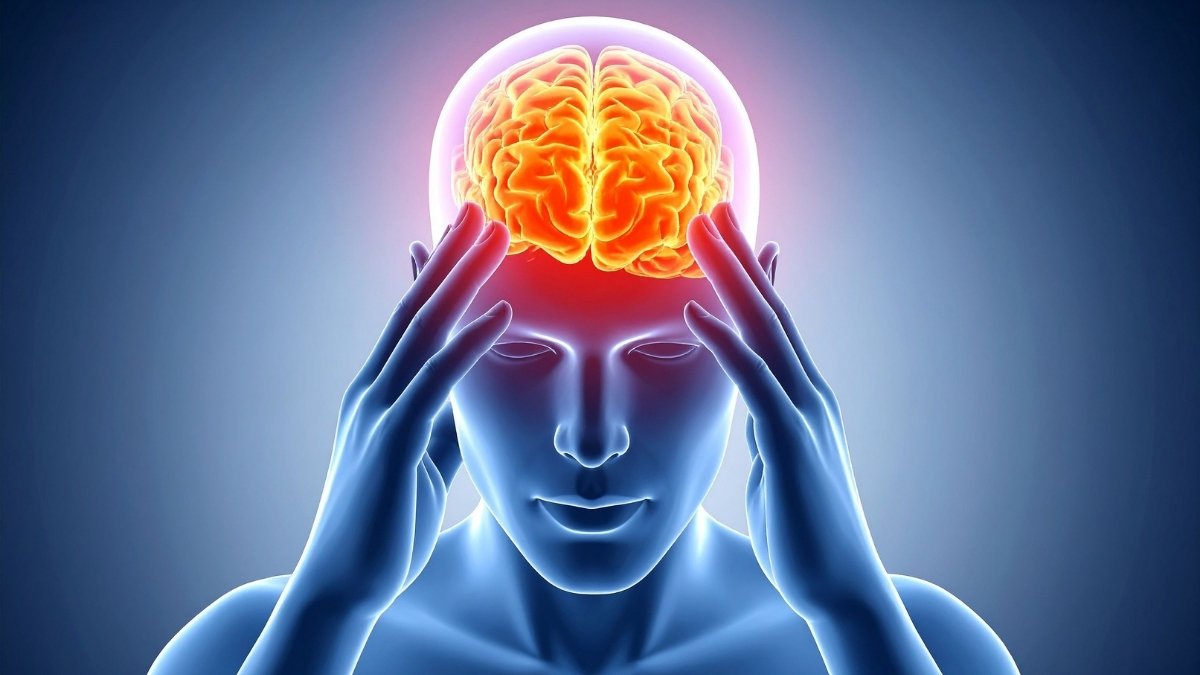
You sit down to work but cannot focus. You forget simple things. Your thoughts feel slow and scattered. This is not laziness. A 2025 article in Pharmacological Reports confirmed that prolonged cortisol exposure actually shrinks the hippocampus — the part of your brain responsible for memory and learning.
When the brain is under threat, the prefrontal cortex — the thinking, planning part — goes quiet. The amygdala, your threat alarm, takes over. You cannot think clearly because your brain is busy scanning for danger.
Fix: Take a 20-minute walk outdoors at an easy pace. Research linked by the American Institute of Stress shows moderate movement lowers cortisol and brings the prefrontal cortex back online. Do not go hard at the gym when you are already burned out. Intense exercise during high stress can spike cortisol even more.
Sign 6 — Emotional Overreaction

A slow driver. A short text message. A mild criticism. Any of these can feel like a personal attack when your nervous system is dysregulated. This is not who you are. It is your amygdala misfiring.
Fix: Name the feeling out loud or write it down. Neuroscientist Dr. Dan Siegel calls this “name it to tame it.” Research shows labeling an emotion immediately activates the prefrontal cortex and reduces amygdala activity — within seconds.
Quick Tips:
- Keep walks low intensity — a relaxed 20-minute stroll beats a 45-minute run when you are in burnout.
- Write emotions in a notes app if speaking them out loud feels odd.
- Brain fog is a symptom, not a personality trait — treat it like one.
Point Five: You Keep Getting Sick and Your Hormones Feel Off
Sign 7 — Frequent Illness and Slow Recovery

Cortisol is your body’s natural anti-inflammatory. In short bursts, it protects you. But when cortisol stays high for too long, it starts suppressing your immune system instead of helping it.
A 2025 review in the International Journal of Molecular Sciences confirmed that chronic stress causes glucocorticoid receptor resistance. This means your immune cells stop responding properly. You catch every cold. Minor cuts take longer to heal. Cold sores appear when you are most run down.
Fix: Try cold water face immersion for 30 seconds. Fill a bowl with cool water and submerge your face. This triggers the mammalian dive reflex, which directly stimulates the vagus nerve and switches on the parasympathetic system almost instantly. Cleveland Clinic lists this as a proven, accessible vagal toning technique.
Sign 8 — Hormonal Disruption

When cortisol rises, your body decides reproduction is not a priority right now. It suppresses estrogen, progesterone, and testosterone. For women, this can mean irregular cycles, low sex drive, or worsening PMS. For men, it often shows up as low energy and low libido.
Sustained high cortisol also interferes with thyroid hormone conversion, which is why people experience hair thinning and unexplained weight changes even when standard bloodwork looks normal.
Fix: Prioritize sleep and consider magnesium glycinate. Talk to your doctor about the right dosage for you. Multiple clinical reviews link magnesium deficiency directly to heightened stress reactivity and poor sleep.
Quick Tips:
- Use the cold water face technique during a panic moment — it works in under a minute.
- Tell your doctor about stress symptoms when discussing hormonal issues — they are directly connected.
- Magnesium glycinate is gentler on the stomach than other forms of magnesium.
Point Six: You Cannot Switch Off — Rest Feels Uncomfortable or Like a Waste of Time
Sign 9 — Hypervigilance

You sit down to relax. But you feel restless. Guilty. Like you should be doing something. Like something bad might happen if you let your guard down. This is hypervigilance. It is one of the most overlooked signs of chronic stress because most people think it is just their personality.
It is not. It is a nervous system stuck in scan mode.
According to the 2025 APA Stress in America survey, 76% of adults report ongoing stress about the future. Constant news checking and social media scrolling reinforce the threat loop and keep this state going.
A dysregulated nervous system has trained itself to treat high activation as normal. Rest then feels wrong — almost dangerous — because stillness means the guard is down.
Fix 1: Schedule rest as a real calendar event. Label it “Recovery” or “Performance Maintenance.” Your brain resists pointless rest. But it cooperates with purposeful rest.
Fix 2: Use the physiological sigh. Take a double inhale through the nose — two quick sniffs — then release with one long exhale through the mouth. Dr. Andrew Huberman at Stanford confirmed this is the fastest breath pattern known to drop physical arousal in real time. It rapidly deflates the lungs and lowers heart rate.
Quick Tips:
- Set a 20-minute social media timer and leave the app when it goes off — every time.
- Do the physiological sigh the moment you notice tension rising.
- Rest is not laziness. For a stressed body, it is medicine.
Point Seven: The Daily Nervous System Reset Protocol — What to Actually Do Each Day
You do not need a two-hour morning routine. You need consistent small signals that tell your body it is safe. Here is a realistic daily structure based on the techniques in this article.
Morning — 5 minutes: Do not touch your phone first. Do two physiological sighs. Drink a glass of water with a small pinch of sea salt (this supports adrenal function). Then stand in natural light for 2 to 5 minutes. Research from Satchin Panda’s lab at the Salk Institute confirms that morning light resets the cortisol awakening response and syncs your circadian rhythm.
Midday — 10 minutes: Take a slow walk outside. If you cannot leave the building, do 5 minutes of PMR at your desk. This breaks the cortisol build-up that accumulates through a stressful morning.
Evening — 10 minutes: Do the 4-7-8 breath. Drop and reset your jaw. Turn off bright screens 30 minutes before bed. The goal is to arrive at sleep already in a calm state, not hoping sleep will calm you down.
Weekly: Have at least two real conversations per week — not texts, not social media. Dr. Stephen Porges’ Polyvagal Theory confirms that genuine social connection directly activates the parasympathetic nervous system. It is one of the most powerful nervous system tools available.
Quick Tips:
- Track your HRV (Heart Rate Variability) with an Oura Ring or Apple Watch — a rising HRV trend confirms your nervous system is recovering.
- Keep the morning light exposure before checking any news or messages.
- Social connection is not optional for recovery — it is biological.
Point Eight: What You Must Know Before You Start — Honest Guidance for 2026

These tools work. But they are not a replacement for professional help if you need it. If you have persistent chest pain, unexplained weight changes, or signs of clinical depression or anxiety disorder, see a doctor first. Do not self-treat serious symptoms.
There is also a real difference between chronic stress and clinical burnout. A 2025 scoping review in Frontiers in Psychology, covering over 2,000 studies, found that burnout is a downstream outcome of chronic stress. If you are already in burnout, the daily reset protocol still helps — but you will likely need additional professional support to fully recover.
The cost of doing nothing is real. The American Institute of Stress (2024) estimates job stress costs U.S. employers over $300 billion per year. Beyond money, untreated chronic stress increases risk for heart disease, type 2 diabetes, and neurodegenerative illness. This is not fear-mongering. It is what the research shows.
Free, reliable resources available right now:
- APA Stress in America 2025 report — apa.org
- National Institute of Mental Health — nimh.nih.gov
- Huberman Lab Podcast on YouTube — search “stress inoculation” and “HRV”
- Calm and Headspace apps both have free tiers with nervous system meditations
Quick Tips:
- If stress symptoms are disrupting your work or relationships daily, book a doctor’s appointment — not next month, this week.
- Burnout needs more than breathwork — it often needs structured recovery and professional guidance.
- Using free resources consistently is more effective than buying expensive products you never use.
Final Words,
Your body has been sending signals all along. Broken sleep. Tight muscles. Gut trouble. Foggy thinking. These are not flaws. They are messages from a nervous system that has been on high alert for too long.
Pick one sign from this article. Apply one fix today. That is where the shift begins.