

Open your kitchen cabinet right now. There is a good chance you already own two of the most clinically studied anti-inflammatory spices on earth. They are turmeric and ginger. Not supplements. Not prescriptions. Just spices.
Millions of people with arthritis are in real pain every day. They take ibuprofen. They try creams. They search the internet and find miracle claims that go nowhere.
This article is different. It is built on real studies from 2024 and 2025. It tells you what these spices do inside your body, what results are actually possible, and exactly how to use them.
No hype. No overnight promises. Just clear, honest information about turmeric and ginger for arthritis — and natural anti-inflammatory foods for joint pain — that you can start using today.
Point One: Why Arthritis Pain Is Pushing Millions Toward Natural Remedies

Arthritis is not a small problem. The World Health Organization says more than 400 million people worldwide have osteoarthritis. In the United States, the CDC found that about 22.7% of adults have been diagnosed with some form of arthritis by a doctor.
That is nearly 1 in 4 Americans.
Both osteoarthritis and rheumatoid arthritis share one thing: inflammation drives the pain. Your joints swell. They stiffen. They hurt. Morning is often the worst time.
Doctors prescribe NSAIDs like ibuprofen or naproxen. These drugs work. But long-term use carries real risks — stomach ulcers, kidney stress, and elevated heart risk. Many people cannot take them every day.
So people look for other options. That is not weakness. That is common sense. And it is exactly why researchers started studying kitchen spices seriously.
Natural joint pain relief is not a new idea. But good science behind it is newer than most people realize.
3 Quick Tips:
- Track your pain level each morning on a scale of 1 to 10 so you can see real changes over time
- Talk to your doctor before stopping any prescribed medication, even if you start using natural remedies
- Know which type of arthritis you have — osteoarthritis and rheumatoid arthritis respond slightly differently to food-based approaches
Point Two: Turmeric and Ginger — Not Trendy, Actually Researched
These are not wellness fads. They are real compounds with real research behind them.
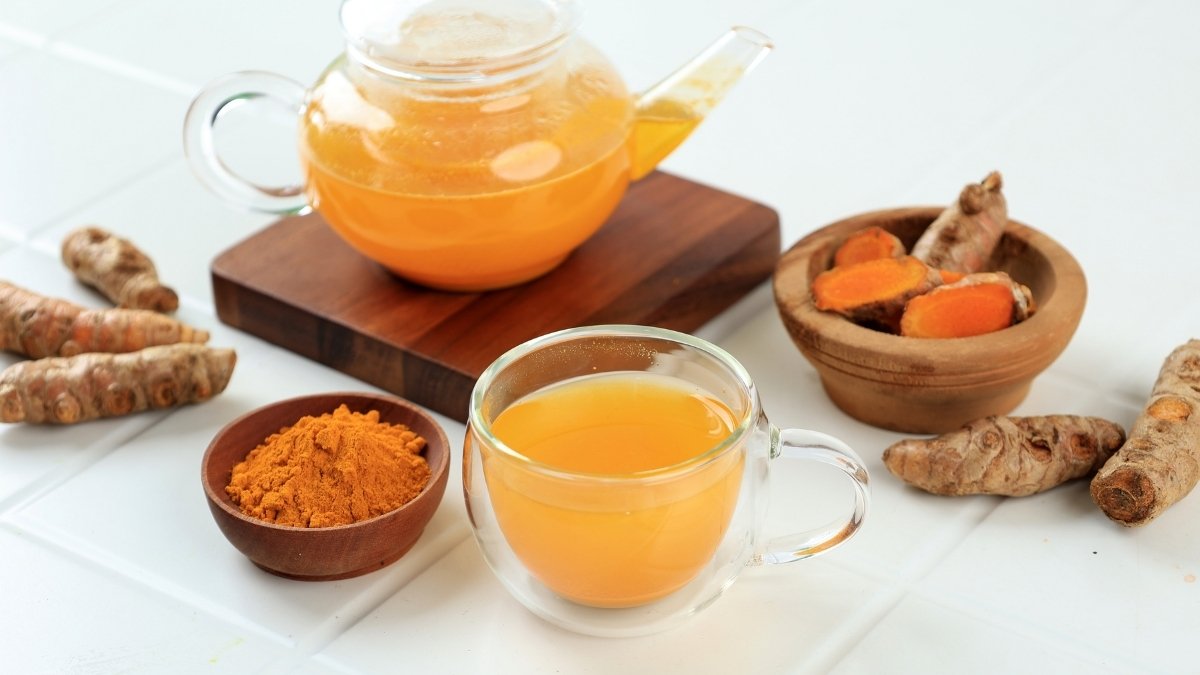
Turmeric comes from the root of the Curcuma longa plant. Its active compound is curcumin. Ginger comes from Zingiber officinale. Its active compounds are gingerols and shogaols.
Both have been used in Ayurvedic and Traditional Chinese medicine for centuries. But now they have clinical trial data too.
In 2025, researchers at Mahidol University in Bangkok published a meta-analysis covering 17 randomized controlled trials. Their result was clear: every single turmeric preparation they studied significantly reduced pain scores in osteoarthritis patients.
Also in July 2025, Texas A&M University published a clinical study in the journal Nutrients. Participants took 125 mg of ginger extract daily. The result: improved pain ratings, less stiffness, better function, and reduced inflammatory markers including CRP and TNF-α.
This is not folk medicine anymore. This is peer-reviewed science.
3 Quick Tips:
- Look for studies using the term “RCT” (randomized controlled trial) — these are the most reliable type of evidence
- Do not confuse raw turmeric powder with standardized curcumin extract — they are not the same thing in terms of strength
- Ginger and turmeric work best together, not in isolation — use both whenever possible
Point Three: The Science Behind Why Turmeric and Ginger Work on Joint Pain
Here is what actually happens inside your joints when they are inflamed.
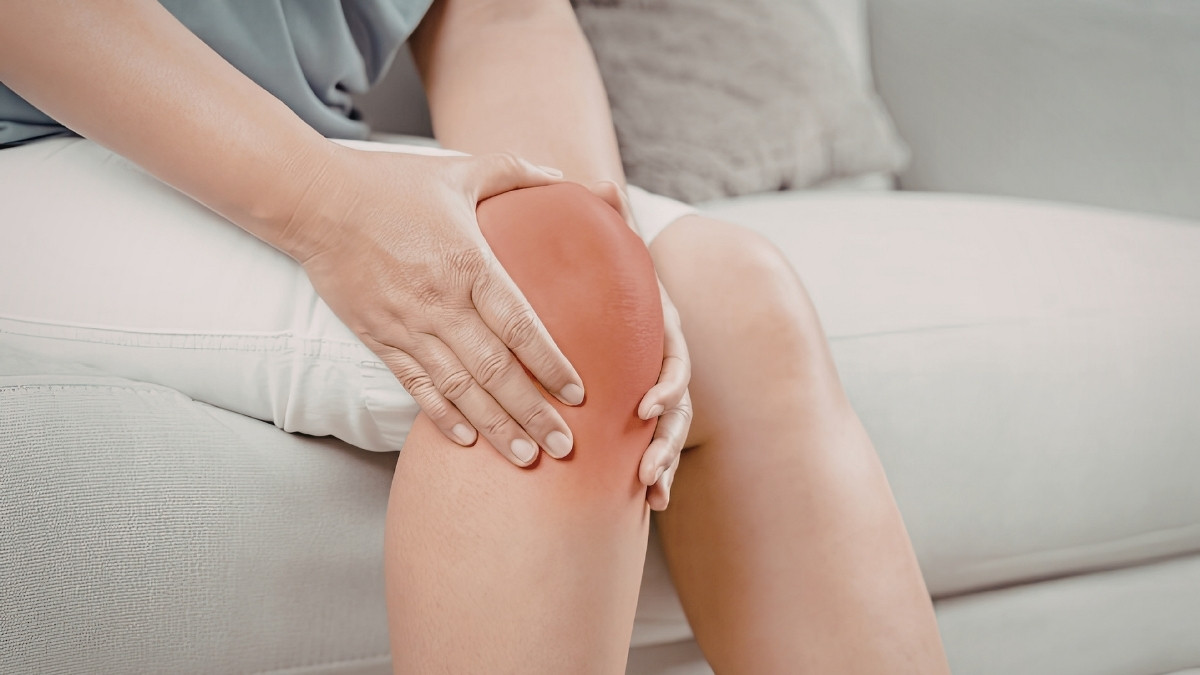
Your body uses enzymes called COX-2 and LOX to produce chemicals called prostaglandins and leukotrienes. These chemicals trigger swelling, heat, and pain. NSAIDs work by blocking COX-2. That is how they reduce pain.
Curcumin works differently. It blocks a protein called NF-κB — a master switch that controls inflammation in your body. When NF-κB is switched off, your body makes less TNF-α, IL-1β, and IL-6. These are the chemicals that cause your joints to hurt and swell.
Ginger’s active compounds — especially 6-gingerol and 8-shogaol — block both COX-2 and LOX at the same time. Most NSAIDs only block COX-2.
A 2025 review published in Frontiers in Pharmacology confirmed that curcumin significantly reduced two standard blood markers of inflammation — ESR and CRP — in rheumatoid arthritis patients.
That is measurable, biological change. Not a theory.
3 Quick Tips:
- Ask your doctor to test your CRP levels before and after 8 weeks of consistent turmeric and ginger use — this gives you real data
- Understand that reducing inflammation is a process, not an event — it takes consistent daily input
- Anti-inflammatory kitchen spices work best alongside sleep, movement, and stress reduction — not instead of them
Point Four: What Clinical Trials Actually Say About Results

Let us be straight with you. Neither turmeric nor ginger will fix your arthritis overnight. That is not what the science says. Joint damage that already exists cannot be reversed by a spice.
What the evidence does show is this: consistent use over weeks can meaningfully reduce pain and stiffness.
A 2021 review of 15 randomized controlled trials, cited by the Arthritis Foundation, found that curcumin relieved osteoarthritis pain and stiffness as well as or better than NSAIDs like ibuprofen and celecoxib — without the serious side effects.
In a double-blind rheumatoid arthritis trial, patients taking either 250 mg or 500 mg of curcumin twice daily both outperformed placebo. Their inflammation markers dropped. Their disease activity scores improved.
For ginger, a 12-week clinical trial gave 66 RA patients 1.5 grams of ginger powder daily. Results showed a significant drop in high-sensitivity CRP and IL-1β.
One honest note: many studies are small. Some are funded by supplement companies. The evidence is promising, but it is not perfect.
3 Quick Tips:
- Commit to at least 8 weeks before deciding if it is working — most trials saw changes between weeks 4 and 12
- Keep a simple journal: pain level, stiffness duration, and sleep quality each day
- Use these as additions to your treatment plan, never as replacements for medical care
Point Five: Why Raw Turmeric Alone May Not Be Enough
Here is the part most articles skip. And it matters a lot.
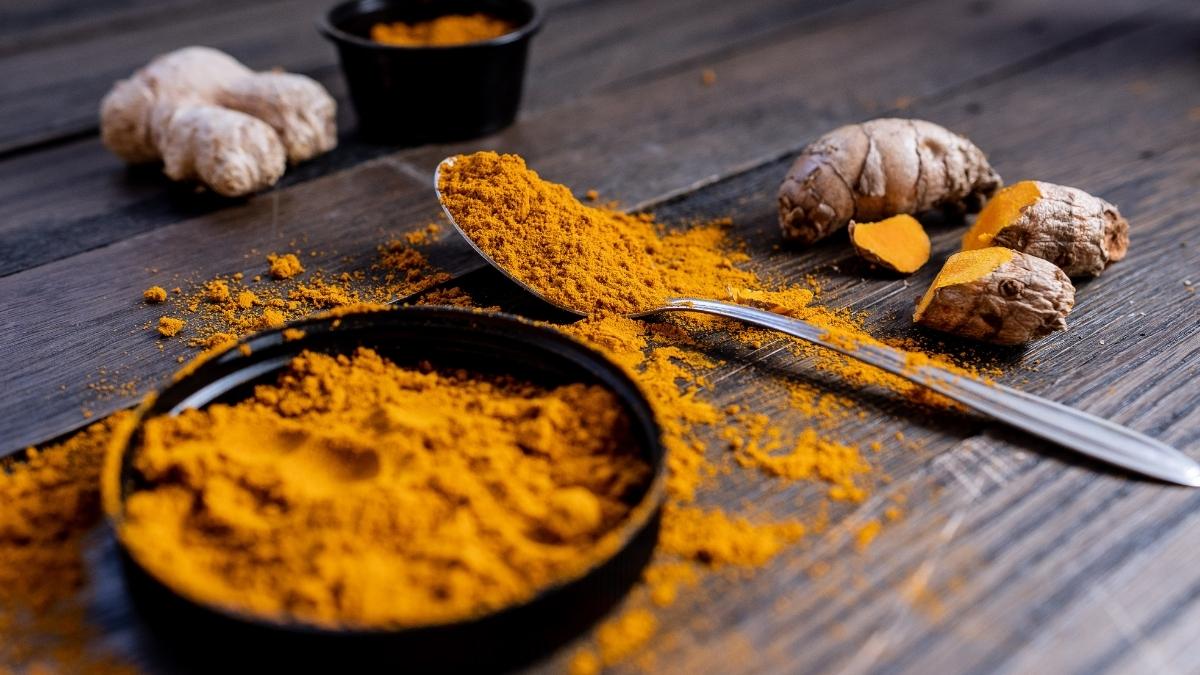
Curcumin has terrible natural absorption. When you eat raw turmeric powder, your body breaks it down before it reaches your bloodstream. Very little of it actually gets to your joints.
The fix is black pepper. It contains a compound called piperine. When you combine piperine with curcumin, absorption increases by up to 2,000%. That is not a typo. Studies have shown this effect repeatedly.
Black pepper is already in your kitchen. It costs nothing extra. This is the most practical upgrade you can make.
Curcumin is also fat-soluble. That means it absorbs better when eaten with a healthy fat — olive oil, coconut oil, or ghee. Golden milk, which combines turmeric, black pepper, and a fat source in warm milk, hits all three points at once.
For ginger: fresh ginger contains more gingerols. Dried ginger converts some gingerols into shogaols, which are actually more potent in some ways. Both forms are useful.
3 Quick Tips:
- Never eat turmeric without black pepper — it is a near-useless habit without piperine
- Add a teaspoon of olive oil or coconut oil to any turmeric dish to boost absorption
- If using a curcumin supplement, look for labels that say “with BioPerine” — that is the standardized form of piperine
Point Six: The Practical Daily Routine — What to Do and When
Here is exactly what you can do starting today.

For turmeric in food: add half a teaspoon to one teaspoon of turmeric powder to eggs, soups, rice, or smoothies. Always include a pinch of black pepper and a small fat source. Do this daily.
For ginger in food: use one to two grams of fresh ginger per day. Steep five or six thin slices in hot water for 10 minutes to make ginger tea. Grate it into stir-fries. Blend it into smoothies.
The easiest daily habit is golden milk. Here is the recipe: one cup of warm milk (dairy or plant-based), half a teaspoon turmeric, a quarter teaspoon grated ginger, a pinch of black pepper, and half a teaspoon of coconut oil or ghee. Add honey if needed. Drink it in the morning.
Morning is the best time. Arthritis stiffness is typically worst in the morning. Starting your day with this habit makes sense.
Expect to wait 6 to 12 weeks for real results.
3 Quick Tips:
- Make golden milk the night before and store it — morning habits stick better when there is zero preparation needed
- If you want supplement-level doses, look for curcumin products with 500 mg standardized extract plus piperine
- The clinical trial reference dose for ginger was 1.5 grams of powder daily — roughly a quarter teaspoon
Point Seven: Who This Helps, Who Should Be Careful, and When to See a Doctor
These spices are safe at food doses for most people. But not for everyone.

If you take blood thinners like warfarin, high-dose curcumin supplements can interfere with your medication. The same applies to antidepressants, anti-anxiety drugs, and immunosuppressants. High doses should not be used before surgery either.
Ginger is safe at culinary amounts for most people. At supplement doses of 1.5 grams or more per day, it can also interact with anticoagulant medications. If you have diabetes, ginger may lower blood sugar — so monitor carefully.
People most likely to benefit are adults with osteoarthritis or early-stage rheumatoid arthritis who want to add a low-cost, low-risk tool alongside their existing treatment.
These are not replacements. They are additions.
See a doctor if your joint pain comes with fever, if a joint becomes suddenly deformed, if pain is worsening rapidly, or if nothing improves after several weeks of trying any approach.
3 Quick Tips:
- Show your doctor this article or the specific studies cited — it helps to have an informed conversation
- At culinary doses, both spices are safe for most healthy adults — supplements are where caution is needed
- If you are pregnant, check with your doctor before taking ginger in supplement form
Point Eight: Other Kitchen Staples That Support Joint Health
Turmeric and ginger are the stars here. But a few other common foods also have real research behind them.
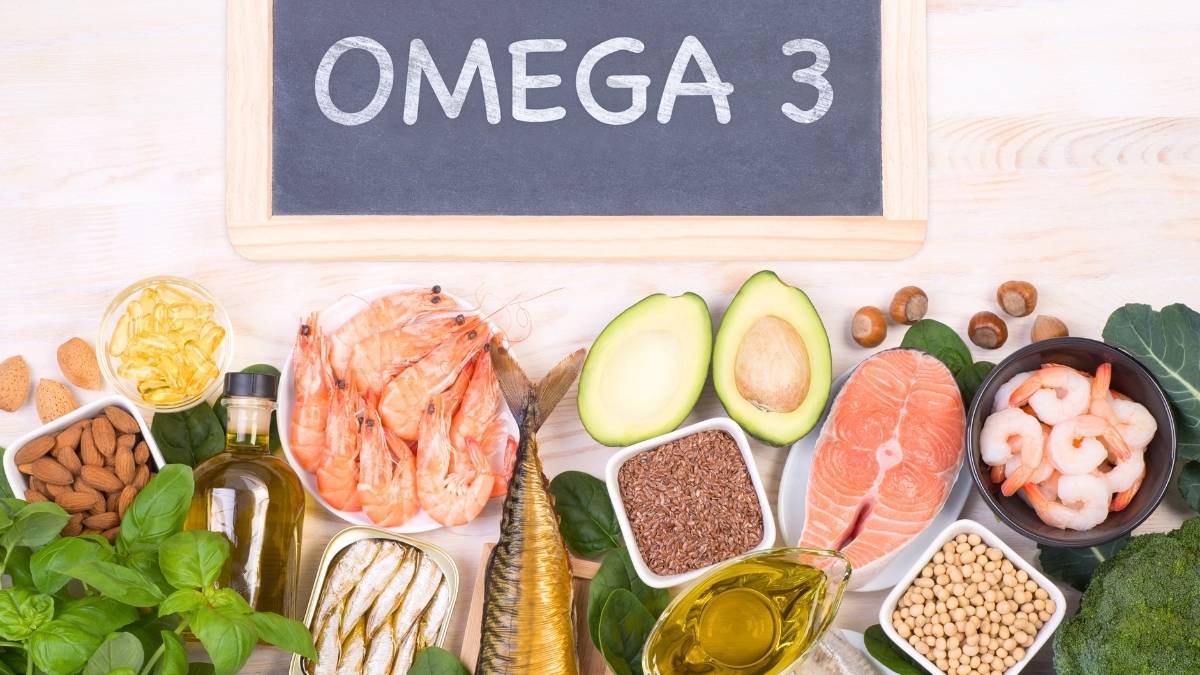
Fatty fish, walnuts, and flaxseeds are rich in omega-3 fatty acids. These reduce two key inflammation proteins in your blood: CRP and interleukin-6. UTSW Medical Center (January 2026) recommends two 4-oz servings of fatty fish per week. A 2017 rheumatoid arthritis survey found that eating fish noticeably reduced pain.
Berries — blueberries, strawberries, raspberries, pomegranate — contain polyphenols that reduce joint swelling. Pineapple and papaya contain bromelain, an enzyme that reduces pain and inflammation in joints.
Bone broth is a kitchen-based source of collagen. A 2020 meta-analysis of 41 studies found collagen helped reduce joint pain and support cartilage. A 2025 Annals of Medicine review of 12 collagen studies found all 12 reported improvements.
What you remove also matters. Cleveland Clinic (February 2025) and Brown University Health both point to refined carbohydrates and saturated fats as inflammation drivers that worsen arthritis.
3 Quick Tips:
- Swap one processed snack per day for berries — small changes done consistently create real results
- Make a simple bone broth at home using chicken bones and store it in the freezer for weekly use
- Think of your plate as your daily anti-inflammatory dose — what you eat three times a day adds up fast
Final Words,

Turmeric and ginger are real, research-backed tools for joint pain. They will not fix arthritis overnight. But used consistently — with black pepper, healthy fat, and an anti-inflammatory diet — they can meaningfully reduce pain and stiffness over 6 to 12 weeks. Start today. Give it time.