

You know about ikigai. You’ve heard about finding your purpose. But that’s not what keeps Okinawan elders alive past 100.
The real secret? Five daily rituals that most people never hear about. These aren’t complex. They’re not expensive. And you don’t need special equipment.
You’ve tried diets that didn’t stick. You joined gyms you stopped visiting. The longevity advice you find online feels either too vague or impossible to follow.
This guide shows you five specific practices from Okinawa. These are century-old rituals backed by the Okinawa Centenarian Study and 2024 genetic research. They work anywhere in the world. They start working today.
These aren’t trends. They’re proven Okinawa longevity rituals practiced by real centenarians every single day.
Why Okinawa’s Longevity Practices Matter Now (Even With Changing Data)

Okinawa once had 50 centenarians per 100,000 people. Most places have 10 to 20. That’s real.
Here’s what changed. Younger Okinawans adopted Western habits. Their longevity numbers dropped. But the older generation—people born before World War II—still lives exceptionally long lives. Their traditional lifestyle practices still work.
The 2024 research found something important. Okinawans carry the FOXO3 longevity gene. This gene gives you a 1.9-fold better chance of living past 95. Sounds great, right?
But genes only account for 20% of longevity. The other 80%? That’s lifestyle. That’s what you do every day.
Traditional Okinawans ate 10-15% fewer calories than other Japanese people. Their BMI stayed between 18 and 22. Americans over 60 average 26 to 27. In 2005, Okinawan women at age 65 lived 24.86 more years. Japanese women lived 23.42 years.
The Blue Zone research confirms this. Where you live doesn’t matter as much as what you do.
Rital #1: Hara Hachi Bu—The 80% Fullness Rule That Prevents Overeating

Hara hachi bu means “eat until you’re 80% full.” That’s it.
Your brain needs 15 to 20 minutes to register fullness. When you eat fast, you overshoot. You consume way more than your body needs. Okinawans stop before they feel stuffed.
Traditional Okinawans ate 1,800 to 1,900 calories daily. Americans average 3,600. That’s almost double. This isn’t about willpower. It’s about timing and awareness.
The health results speak clearly. Okinawans have 50% less prostate, colon, and breast cancer than other Japanese people. Research shows hara hachi bu practice may reduce dementia risk in elderly people.
Here’s how you start. Say “hara hachi bu” before meals. Use 9-inch plates instead of 12-inch ones. Put your fork down between bites. Take at least 20 minutes to finish eating.
Stop when you feel satisfied but not stuffed. You should be able to take a walk comfortably. Turn off your TV, phone, and computer while eating. This mindful eating approach works because you’re working with your body, not against it.
Ritual #2: Moai—Building Your Lifelong Social Support Network

A moai is a group of 5 to 10 people who meet regularly for life. Some groups have met for over 90 years.
Moais started as financial support systems. Everyone contributed money. If someone needed help, the group provided it. Over time, they became emotional and social safety nets.
Loneliness cuts 8 years off your life. That’s real. Okinawan women live 8 years longer than American women. Social connections matter more than your social class, IQ, or genes. Harvard research proved this.
Your three closest friends directly impact your health. Dan Buettner documented one moai where the average age was 102. Roughly half of Okinawans belong to at least one moai. Many join multiple groups.
Here’s how you build your own. Find 3 to 5 people who share your values. Set a regular meeting schedule. Weekly minimum. Daily is better. Create a commitment pact. Decide your purpose—social support, financial backup, shared activities.
Build in accountability. If someone misses meetings, others check on them. Consider adding a financial piece. Everyone contributes monthly for group activities or emergencies. Focus on real connection. Share your struggles. This yuimaru spirit—the spirit of cooperation—creates the safety that extends life.
Ritual #3: Daily Garden Work—Movement as Medicine, Not Exercise
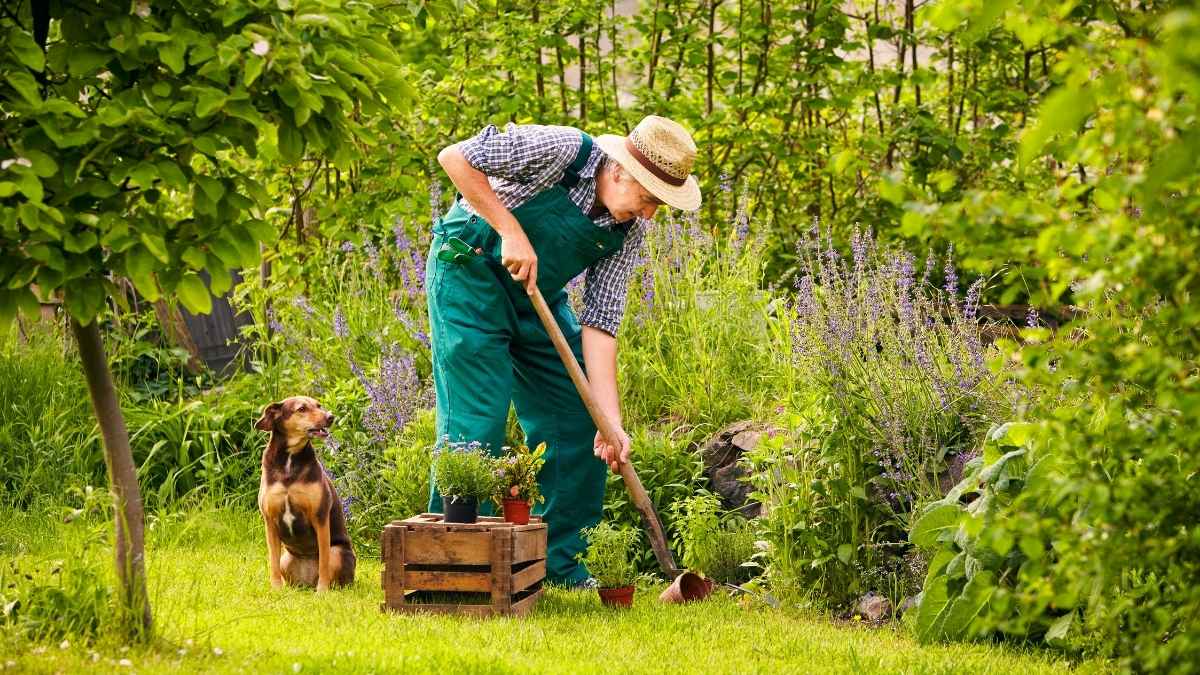
Traditional Okinawan elders spend over 6 hours daily in their gardens. This isn’t exercise. It’s life.
In one area, 73 out of 86 homes had gardens. People squat, bend, reach, and lift naturally. They get full-body movement without thinking about fitness. This garden-based exercise builds strength and keeps hearts healthy.
But it does more. A Dutch study found that 30 minutes of gardening after stress lowered cortisol and improved mood. Soil contains a bacterium called M. vaccae. It mimics antidepressant effects. It boosts serotonin for up to 3 weeks.
Dr. Bradley Willcox from the University of Hawaii says it clearly. “Anybody who grows old healthfully needs an ikigai. Gardening gives you something to get up for every day.”
Start small. Get a container garden or raised bed. You don’t need a yard. Grow herbs, tomatoes, peppers—foods you actually eat. Garden in the morning for 3 hours and late afternoon for 3 hours.
Make it social. Join a community garden. Share your produce with neighbors. This connection to nature and purpose-driven activity replaces gym memberships. No windowsill? Try a windowsill herb garden, community garden membership, or volunteering at urban farms.
Ritual #4: Floor Living—Building Strength and Balance Through Daily Life
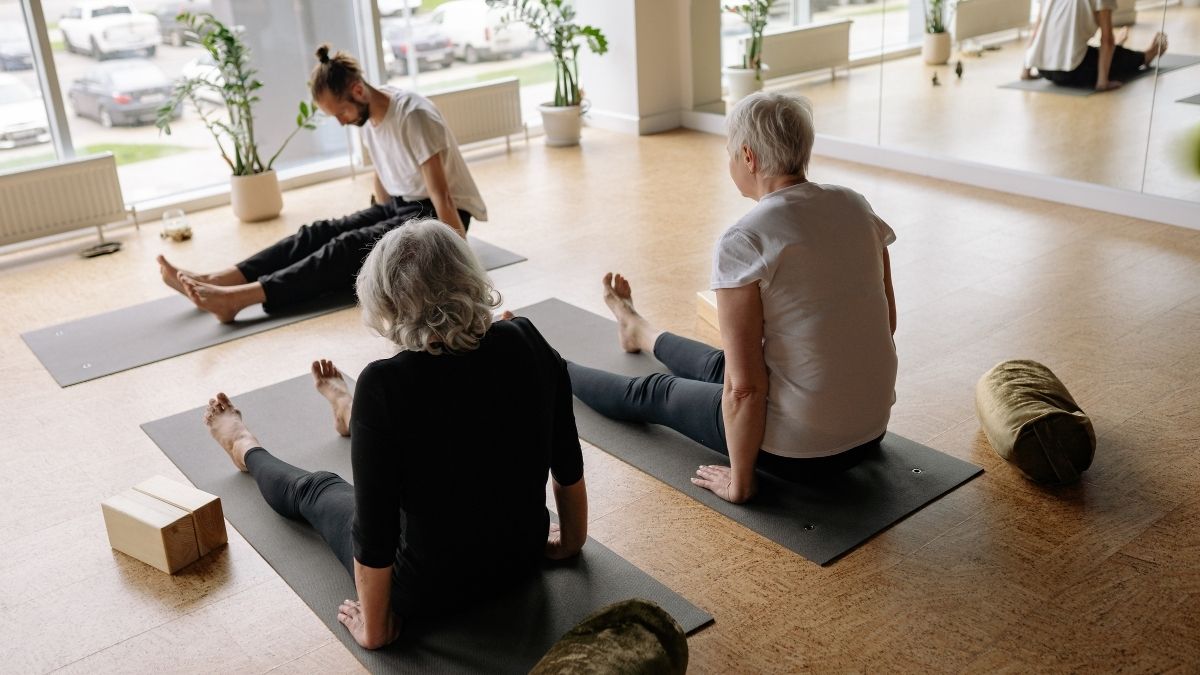
Traditional Okinawan homes use tatami mats, not chairs. People sit and eat on the floor.
This seems simple. But getting up and down from the floor 30 to 50 times daily builds serious leg strength. It improves balance. Both protect against falls. Falls are the leading cause of injury death in adults over 65 in Western countries.
Your ability to sit on the floor and stand up without support predicts mortality risk. Blue Zones research from August 2024 confirms this. Old people who do this movement daily maintain the lower body strength that keeps them independent.
You don’t need to throw out your furniture. Start small. Eat one meal on the floor weekly. Use a wall or chair for support at first. Move to one floor meal daily. Use cushions for comfort.
As you get stronger, work, read, or watch TV from the floor. Practice near furniture so you have support if needed. Your goal is sitting cross-legged and rising without using your hands.
Can’t do floor work? Try Turkish get-ups at the gym. Do yoga sun salutations. Or sit on the floor for 10 minutes while reading. This natural strength building works because you do it daily, not once at the gym.
Ritual #5: Kusuimun—Daily Medicinal Food Integration
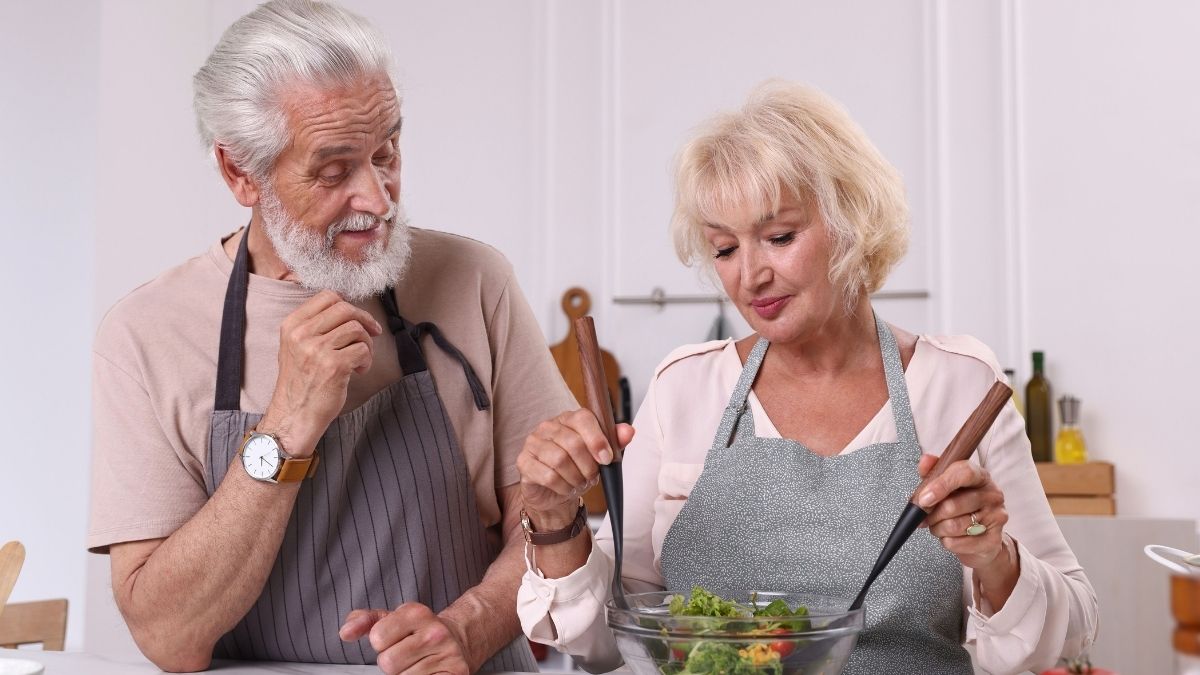
Nuchigusui means “medicine for life.” Food is your preventive medicine.
Key foods include turmeric, ginger, mugwort, bitter melon (goya), purple sweet potato, tofu, and seaweed. These aren’t occasional superfoods. Okinawans eat them daily in small amounts.
Purple sweet potatoes made up 70% of the traditional diet. In the rest of Japan, they were only 3%. Goya lowers blood sugar and contains powerful antioxidants. Seaweed balances your gut microbiome. This may reduce cancer, obesity, and diabetes risk.
Traditional Okinawan tofu has more protein and healthy fats than standard tofu. In 1988, Okinawans ate 50% more green and yellow vegetables than the national average.
Here’s your daily plan. Morning: turmeric tea or golden milk. Lunch: tofu-based meal with ginger. Dinner: bitter vegetables like arugula or kale. Snacks: purple sweet potato or seaweed snacks. Cook with turmeric and ginger as your base.
Where do you find these in 2026? Asian grocery stores carry most items. Online suppliers have Okinawan-specific foods. Can’t find purple sweet potatoes? Regular sweet potatoes work. Any seaweed variety helps. You can grow ginger and turmeric indoors.
Sample day: Miso soup with tofu and seaweed for breakfast. Purple sweet potato as a snack. Stir-fry with ginger and turmeric for lunch. Goya champuru or kale substitute for dinner.
Final Words:
These five Okinawan rituals work because of what people do, not their genes. Lifestyle accounts for 80% of exceptional healthspan.
Start with one ritual this week. Practice hara hachi bu at dinner. Build your moai. Sit on the floor while reading tonight.
These Okinawa longevity rituals are available to anyone, anywhere, proven by centenarians who practiced them daily.