

After 50, your body needs a different kind of morning routine—one that takes just 4 minutes but changes how you move all day.
You wake up stiff. Getting out of bed feels harder than it should. Walking to the kitchen, your knees creak. Bending down to pick something up makes you nervous. You worry about falling or pulling something during simple tasks like carrying groceries or reaching for a high shelf.
This isn’t just annoying. It’s dangerous. Your muscles need time to wake up before you ask them to work.
Here’s what you’ll learn: why aging muscles need warming up before daily activities (not just formal exercise), a science-backed 4-minute warm-up routine you can do anywhere, how this prevents falls and reduces pain, and when to do these movements.
These 4-minute warmups for aging muscles work because they’re designed for your changing body. No gym required. No equipment needed. Just you and 4 minutes.
1 in 4 seniors fall each year – CDC Data
What Happens to Your Body During These 4 Minutes

In 4 minutes, five important changes happen in your body.
First, blood vessels open up. More blood flows to your muscles. This delivers oxygen and nutrients they need to work without injury. Your heart rate rises slowly—no sudden stress.
Second, muscle temperature increases. Warm muscles bend and stretch easier. Cold muscles tear. Think of a rubber band left in the freezer versus one at room temperature. That’s your muscles.
Third, synovial fluid starts moving. This natural joint lubricant flows better when you move gently. Less friction means less pain and lower injury risk.
Fourth, your nervous system wakes up. Nerves fire faster and more accurately. Your brain and muscles communicate better. This improves coordination and reaction time—critical for preventing falls or accidents.
Fifth, your mind prepares. You shift from rest mode to activity mode. Anxiety about movement decreases. Confidence increases.
Your range of motion improves in every joint. Tasks that felt hard yesterday feel easier today.
The 4-Minute Daily Warm-Up Routine (Step-by-Step)
This routine needs no equipment. Do it beside your bed, in the kitchen, or before you leave the house. Move slowly and gently. You should feel warmth building, not pain or strain.
Exercise 1: Gentle Marching in Place (30 seconds)
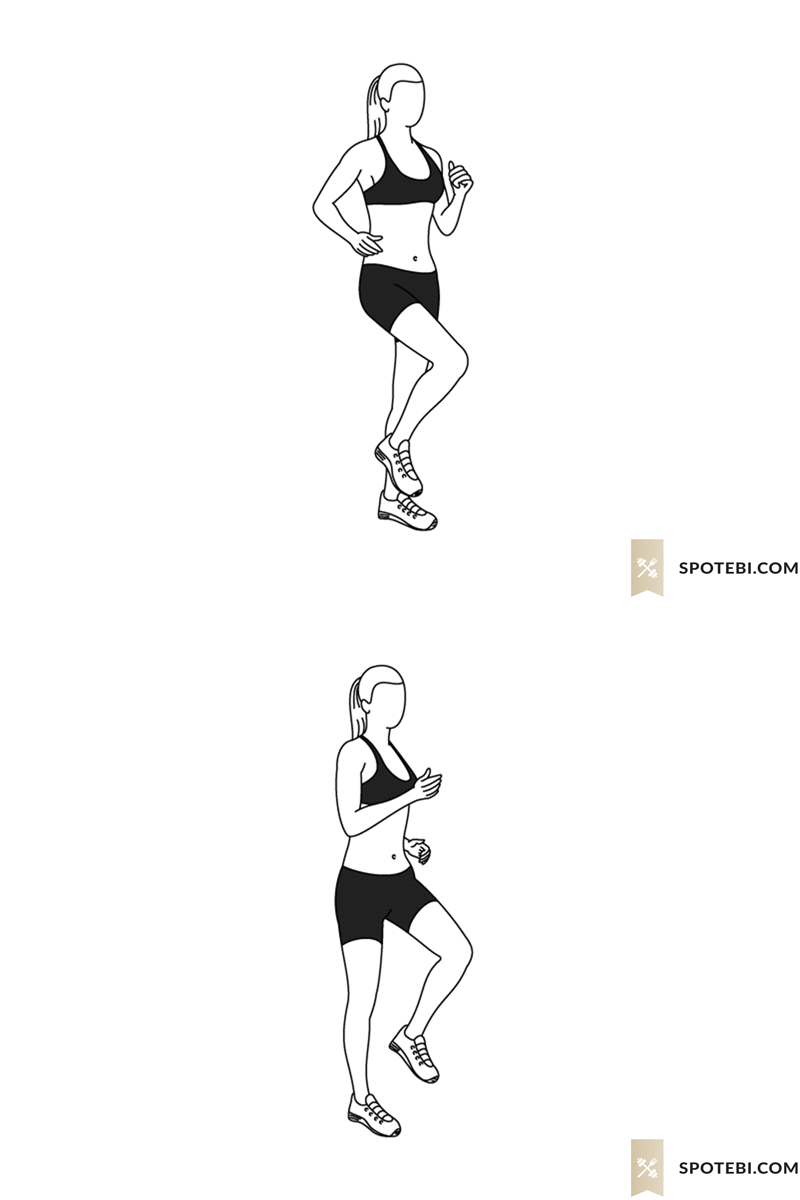
Stand with feet hip-width apart. Put a counter or wall nearby for support if needed. Lift one knee slightly, then the other. Alternate like a slow march. Let your arms swing naturally.
This increases your heart rate gradually. It activates leg muscles and improves circulation. If balance worries you, hold onto support with one hand.
Exercise 2: Shoulder Rolls and Arm Circles (30 seconds)
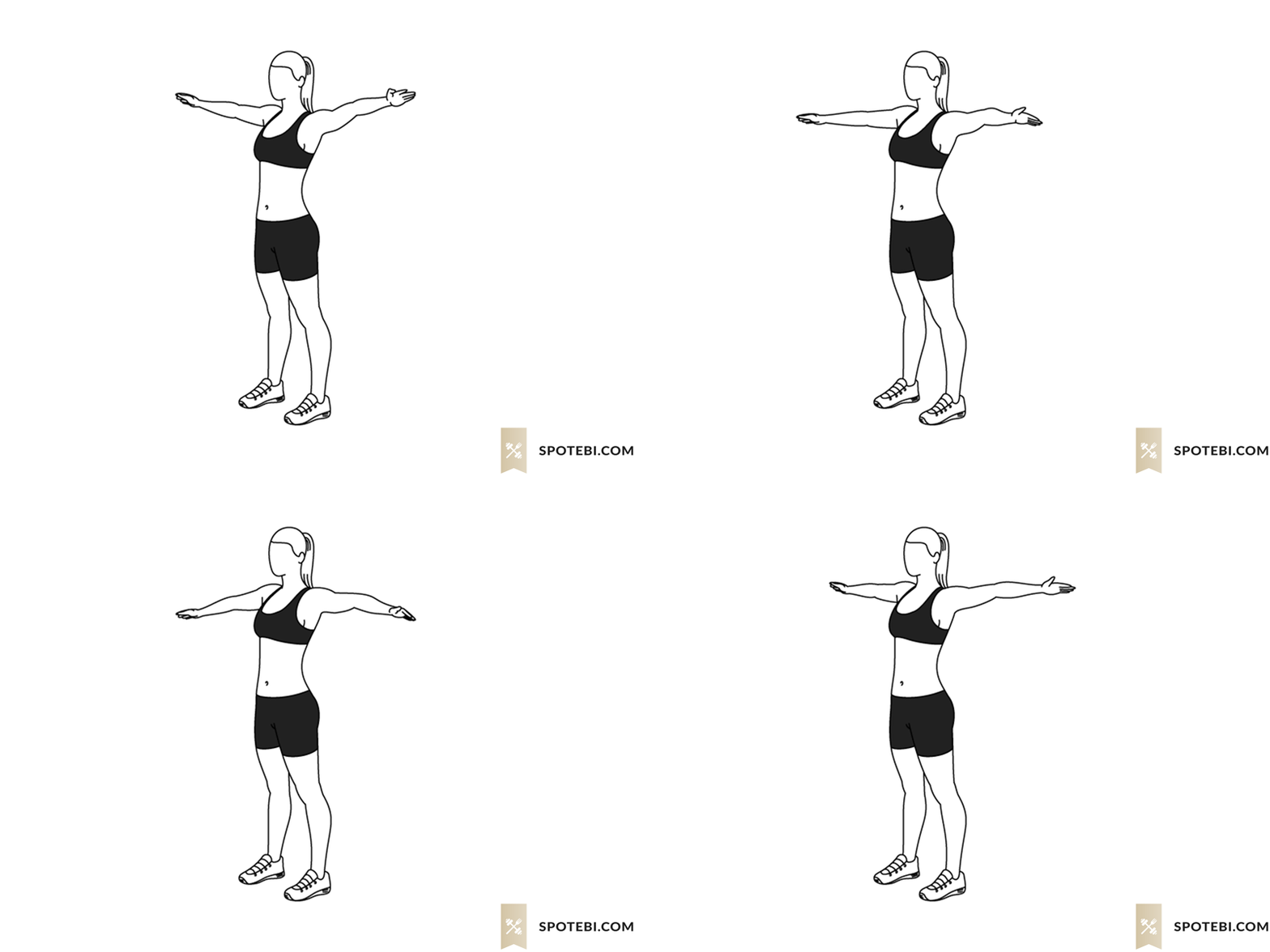
Roll your shoulders up toward the ceiling, back, and down. Do this 5 times. Then reverse: up, forward, down. Five more times.
Extend your arms to the sides. Make small circles. Slowly make the circles bigger.
This reduces upper body tension. It improves shoulder mobility for reaching and lifting things throughout the day. Sit in a chair if standing feels unsteady.
Exercise 3: Gentle Neck Tilts (30 seconds)
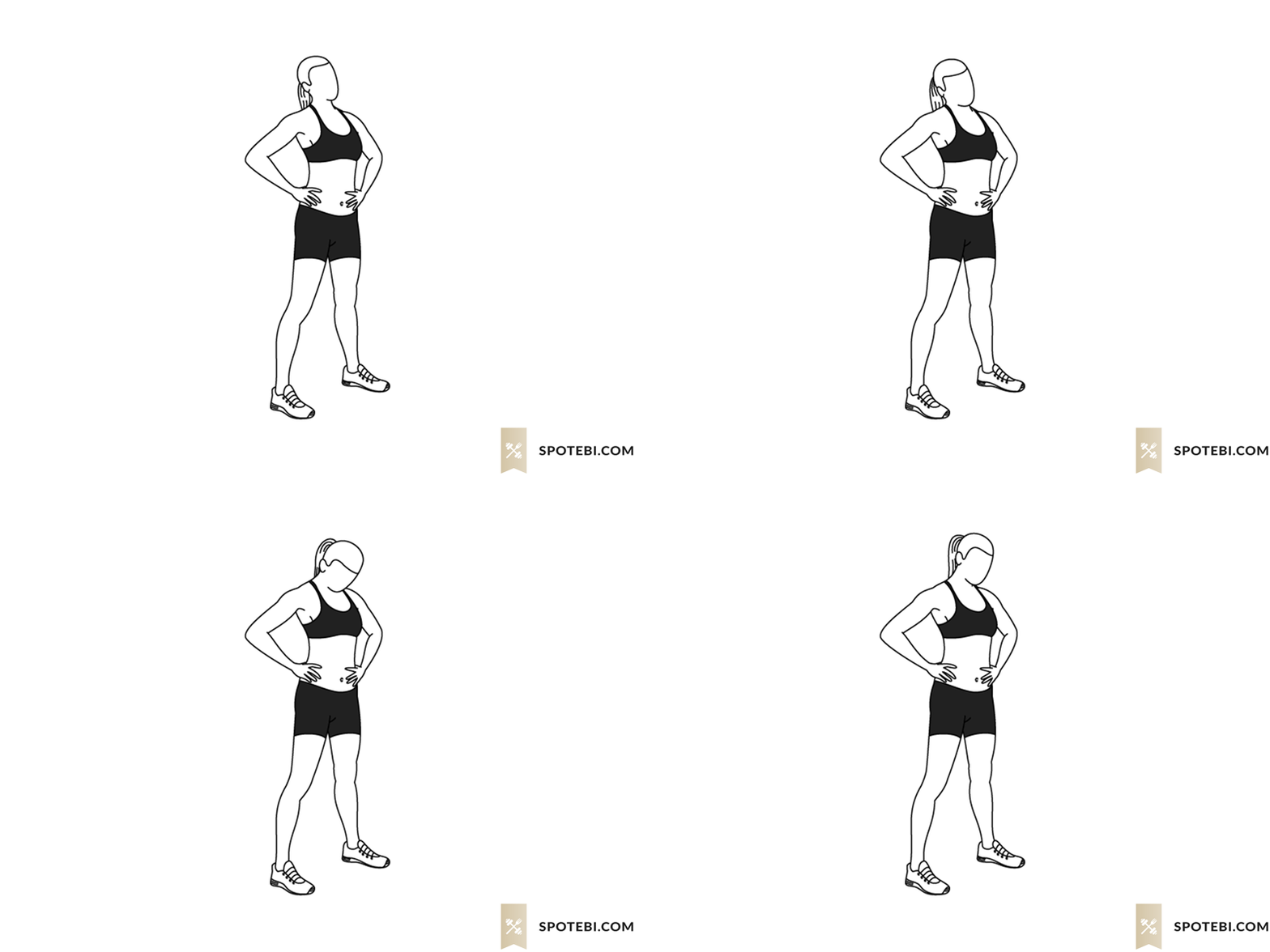
Slowly tilt your head toward your right shoulder. Hold for 5 seconds. Return to center. Tilt toward your left shoulder. Hold 5 seconds. Repeat 3 times each side.
This releases neck tension. It improves flexibility for turning your head while driving or walking. Safety note: Move slowly. Never force the stretch. Pain means stop.
Exercise 4: Hip Circles and Ankle Rolls (45 seconds)
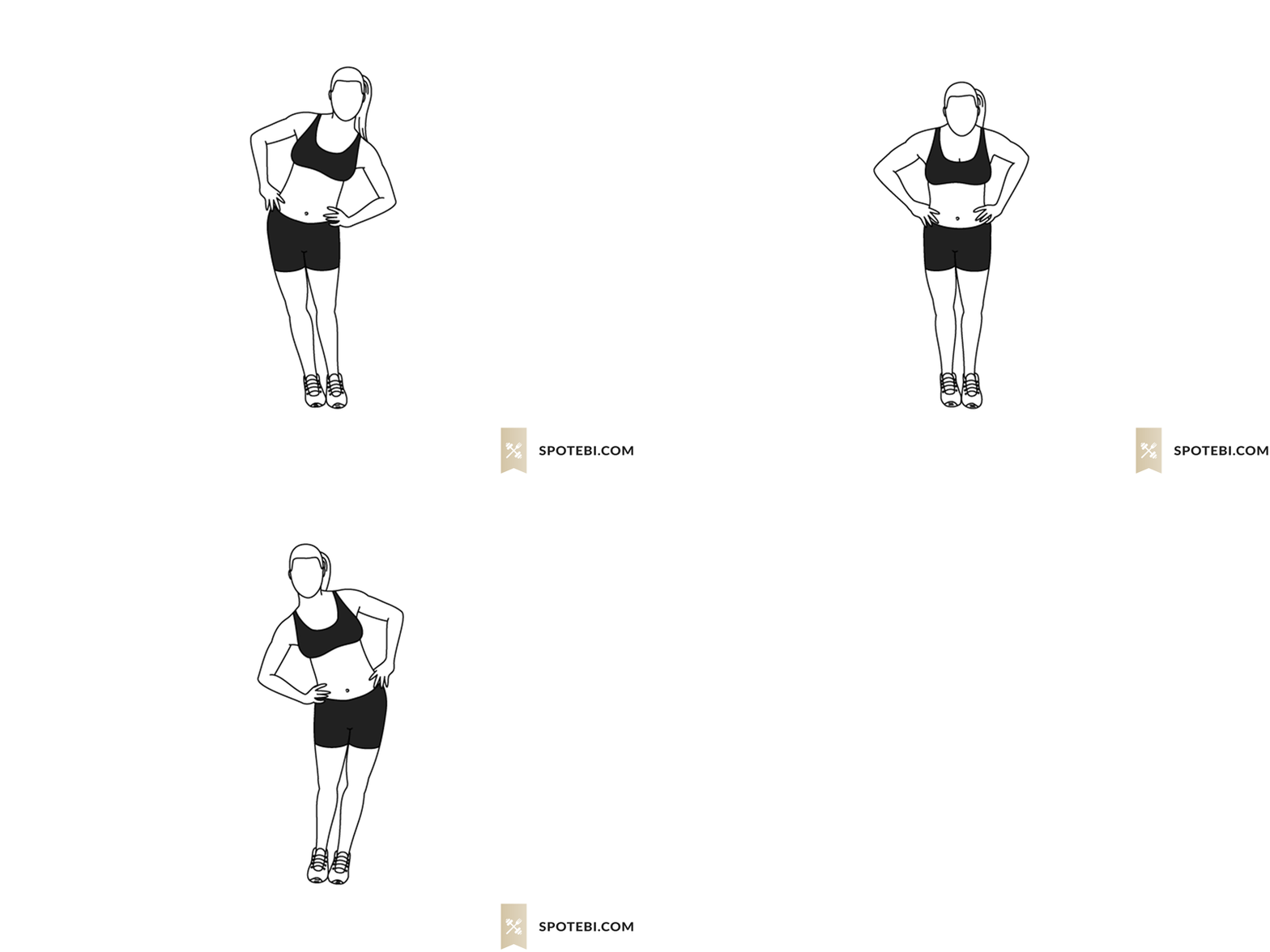
Stand with hands on hips or hold support. Make small circles with your hips. Five clockwise, five counterclockwise.
Shift weight to your left foot. Roll your right ankle 5 times in each direction. Switch sides and repeat.
Ankle mobility reduces fall risk and improves balance. If balance is challenging, sit in a chair for ankle rolls.
Exercise 5: Gentle Knee Bends (Chair Squats) (30 seconds)
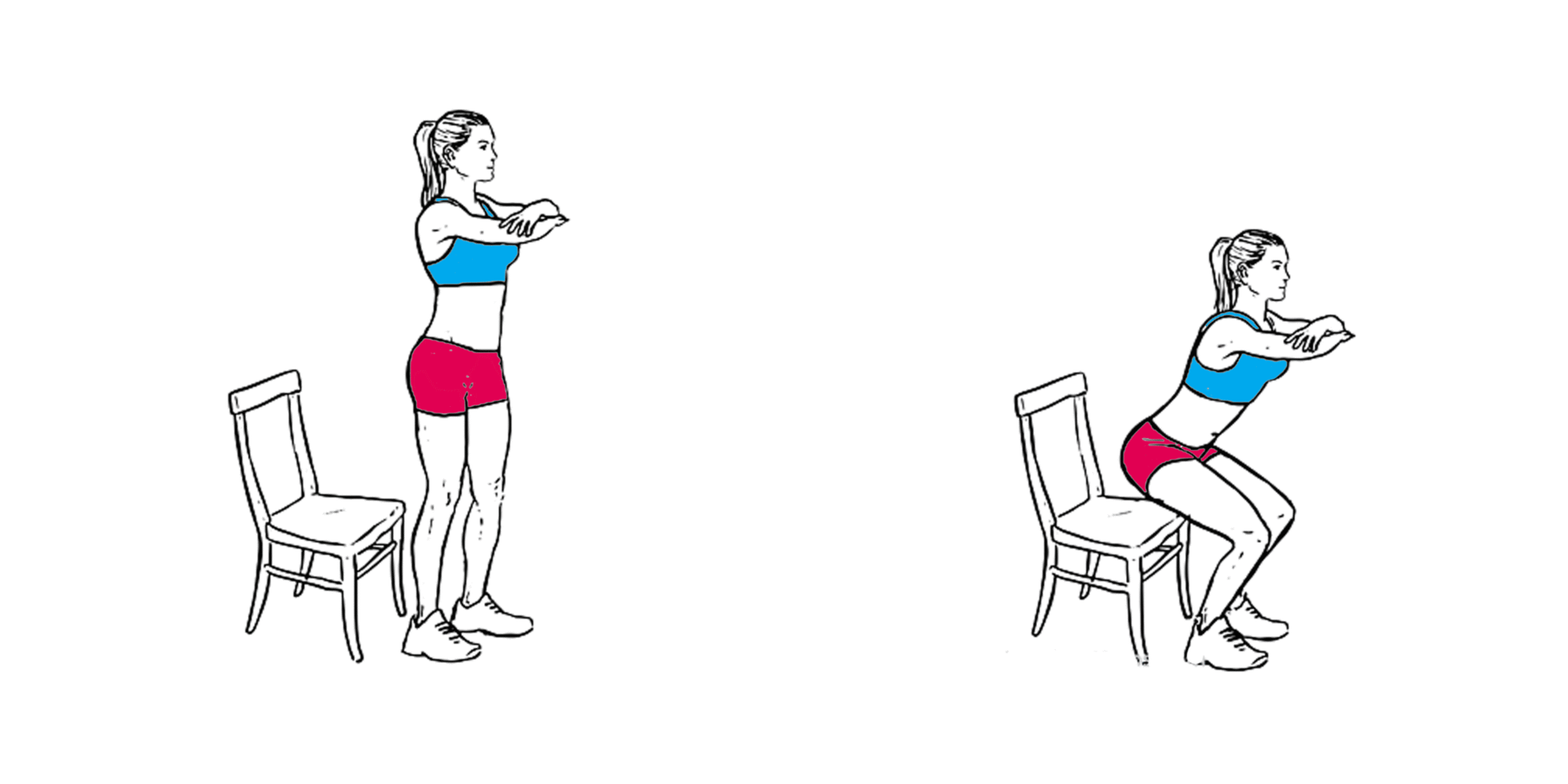
Stand in front of a sturdy chair. Feet shoulder-width apart. Slowly lower yourself like you’re sitting down. Stop just before touching the chair. Push through your heels to stand back up. Repeat 5-8 times.
This warms up thigh and hip muscles. These muscles help you stand, sit, and climb stairs. If hovering is too hard, actually sit down and stand up.
Exercise 6: Arm Raises and Reaches (30 seconds)

Raise both arms overhead while breathing in. Lower them while breathing out. Reach forward with both arms. Pull them back. Repeat 5 times.
This prepares your upper body for reaching, lifting, and carrying. If both arms together feel too hard, alternate arms instead.
Exercise 7: Side Steps with Arm Swings (30 seconds)
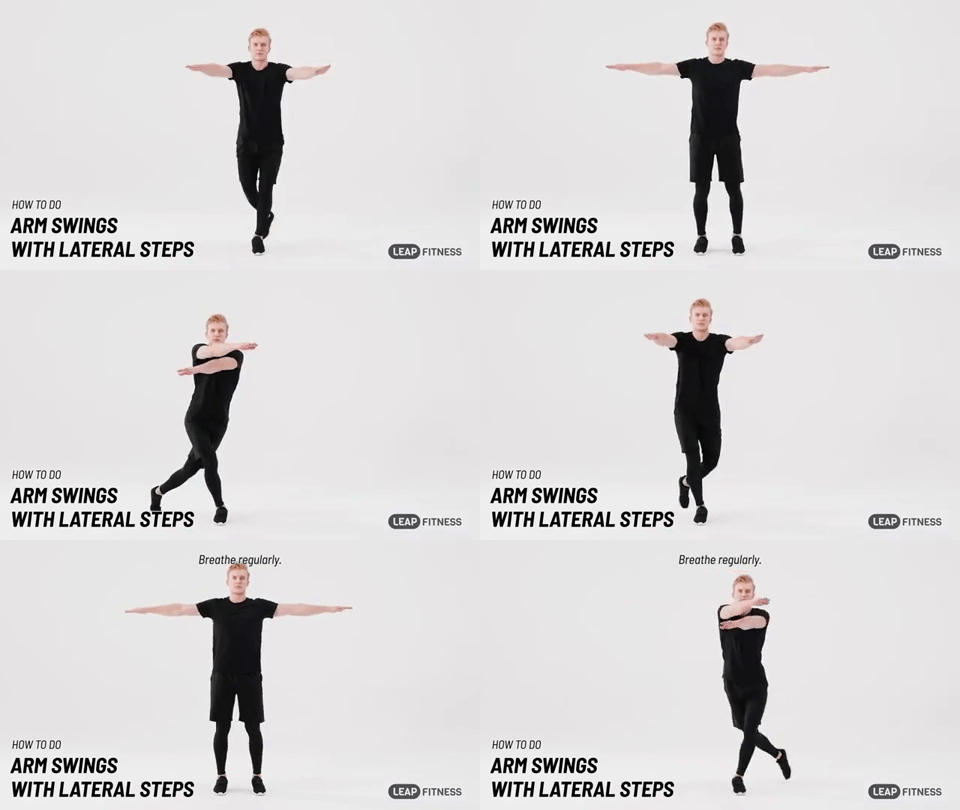
Step your right foot to the side. Bring your left foot to meet it. Step left. Bring your right foot over. Let your arms swing gently side to side. Continue for 30 seconds.
This improves lateral stability, balance, and coordination. Make smaller steps if space is limited.
Exercise 8: Deep Breathing with Gentle Torso Twist (30 seconds)
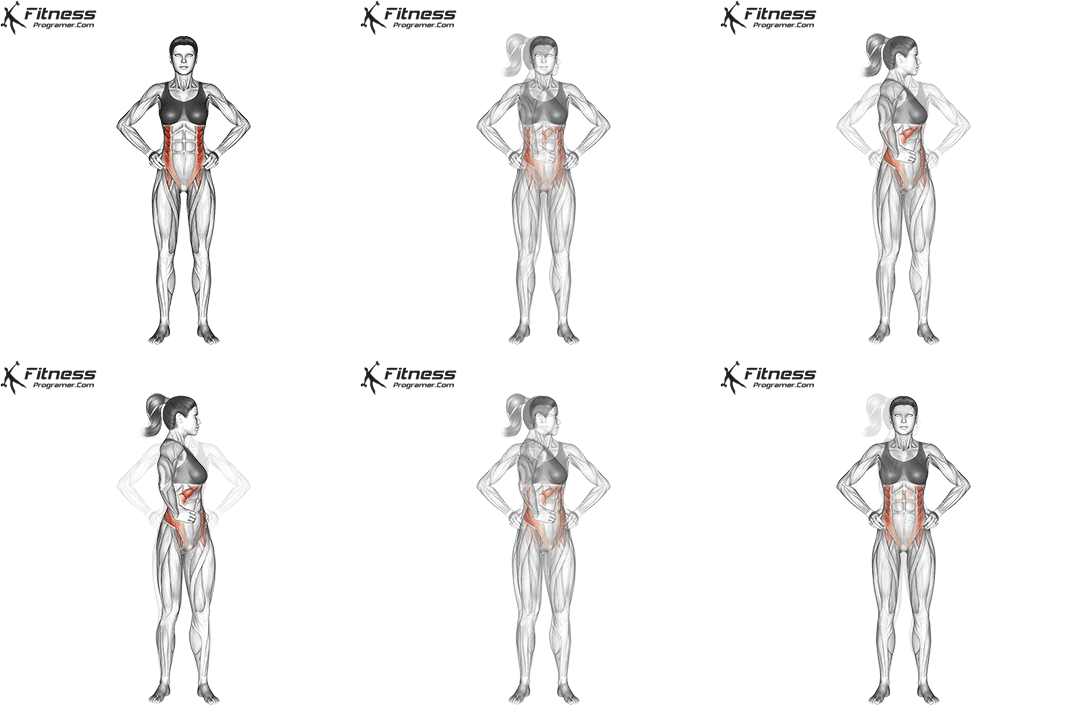
Stand with feet hip-width apart. Breathe in deeply. Arms at your sides. Breathe out and gently rotate your torso to the right. Return to center and breathe in. Rotate left on the exhale. Repeat 4-5 times.
This completes your warm-up. It prepares your spine for movement and centers your mind. Safety note: Skip this if you have osteoporosis.
When to Do This 4-Minute Warm-Up

Do this first thing in the morning. Your muscles are stiffest after sleep. This routine reduces morning stiffness and prepares your body for the day ahead.
Do it before daily activities. Grocery shopping. Gardening. Housework. Any activity that lasts more than a few minutes.
Do it after sitting for long periods. Been reading for 30 minutes? Watching TV for an hour? Get up and do this routine before your next activity.
Always warm up before formal exercise. Walking, swimming, or strength training—warm up first.
You can do this multiple times daily. Unlike intense exercise, gentle warm-ups can be repeated. Morning routine: Do this before getting dressed or making breakfast. Pre-shopping: Do it in the parking lot before walking into the store. Travel: Do it at rest stops during long car trips.
Common Mistakes to Avoid

Many people skip the warm-up entirely. They think they don’t need it for “just” walking or daily tasks. Wrong. Your body needs preparation for all movement.
Don’t move too fast. Rushing defeats the purpose. Slow and controlled movement is key. Each exercise should feel deliberate.
Don’t do static stretches only. Holding a stretch doesn’t prepare your body for movement. You need dynamic movements that get your body ready for action.
Never push through pain. Discomfort is normal when you’re tight. Sharp or intense pain is different. Pain means stop immediately.
Don’t hold your breath. Breathing naturally is essential. Your muscles need oxygen. Holding your breath reduces oxygen delivery.
Don’t be inconsistent. Doing this once a week won’t help. Daily practice provides protective benefits. Don’t bounce or jerk during movements. Don’t skip exercises that feel tight—those need warming up most.
How to Know It’s Working

You’ll feel slightly warmer. Your heart rate increases mildly. Maybe a gentle sweat appears. Your muscles feel loose and ready.
Daily tasks become easier. Bending down doesn’t make you nervous. Reaching overhead feels smooth. Walking feels natural instead of forced.
Morning stiffness decreases. Or it disappears faster than before. You wake up and move without that “rusty” feeling.
Your balance improves. You feel steadier on your feet all day. Confidence replaces fear when you walk or stand.
Minor aches reduce over time. That nagging hip pain lessens. Your lower back bothers you less.
Week 1-2: Movements may feel awkward. This is normal. You’re learning. Week 3-4: Stiffness decreases noticeably. Movements feel more natural. Month 2 and beyond: Daily activities feel easier. Your confidence increases. You move better.
Adjusting the Routine for Your Needs

Limited mobility? Do all exercises seated in a sturdy chair. Every movement can be adapted.
Balance concerns? Keep support nearby always. A counter, wall, or chair back. Reduce your range of motion. Smaller movements still provide benefits.
Arthritis? You may need 5-6 minutes instead of 4. Take your time. Move within your comfort zone. The warmth will help reduce joint pain.
Better fitness? Extend the time. Increase repetitions. Or do the routine twice. Challenge yourself safely.
Specific health conditions? Talk to your healthcare provider about modifications. They can adjust exercises for your situation.
Chair-based version: Sit for marching (lift knees while seated), shoulder rolls, neck tilts, and ankle rolls. Wall-supported version: Keep one hand on the wall throughout the entire routine. Your safety matters most.
At the Last,

These 4 minutes protect your body from injury, reduce stiffness, and improve how you move all day. Make this part of your daily routine—before getting out of bed, before activities, or anytime you need to wake up your muscles.
Start tomorrow morning. Set these 4 minutes aside and notice how your body responds. Within two weeks, this will feel natural. This simple 4-minute warmup for aging muscles is one of the best investments you can make in your daily health and independence.