
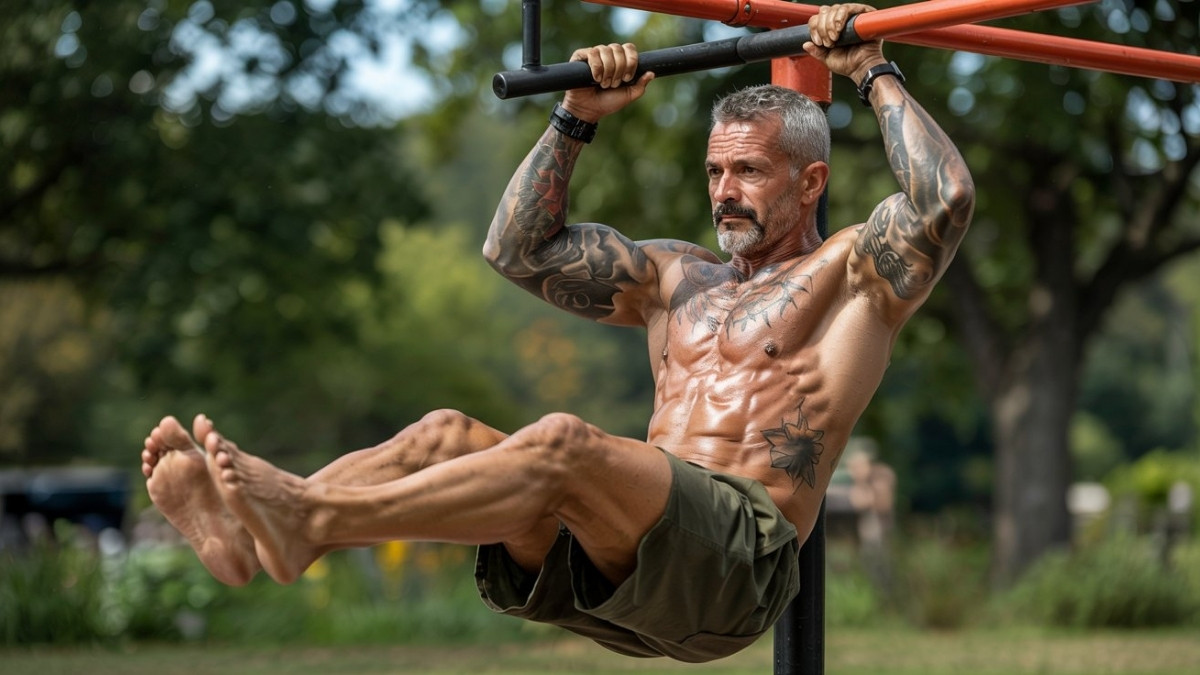
A December 2025 study revealed that adopting just one healthy habit after 65 added 4.5 years to people’s lives—even for those who started in their 80s and 90s.
Maybe you’ve noticed it happening. You climb stairs slower now. Your energy crashes by 2 PM. Sleep doesn’t refresh you anymore. Friends your age look tired and you wonder if that’s your future too.
The internet throws a million anti-aging tips at you. Conflicting advice. Expensive supplements. Extreme diets. You freeze up instead of taking action.
Here’s what you’ll actually learn: The exact daily routine backed by 2025 longevity research. Which habits matter most (sleep beats everything). Simple exercises that reverse muscle loss at any age.
Foods that extend disease-free life by 8-10 years. A realistic 12-week timeline with real milestones. This aging backwards routine works for adults 50+ who want practical steps, not empty promises about healthy aging.
The Science Says It’s Not Too Late to Start

If you think you’ve missed your window, recent research will change your mind. Scientists tracked people who picked up even one healthy habit in their 60s, 70s, 80s, and 90s.
Those people lived 4.5 years longer on average. One habit. Started late. Real results.
Your body does change with age. Starting around 40, you lose about 1% of muscle mass every year. But exercise can slow this down or reverse it.
Combining five low-risk lifestyle factors can extend life expectancy at age 50 by up to 14 years for women and 12 years for men.
A 30-year Harvard study found that healthy diets in midlife meant reaching 70 without chronic diseases. Most improvements happen in the first 12-16 weeks. Only 14% of older adults meet exercise guidelines—you’re not alone in starting.
Why Sleep Matters More Than You Think
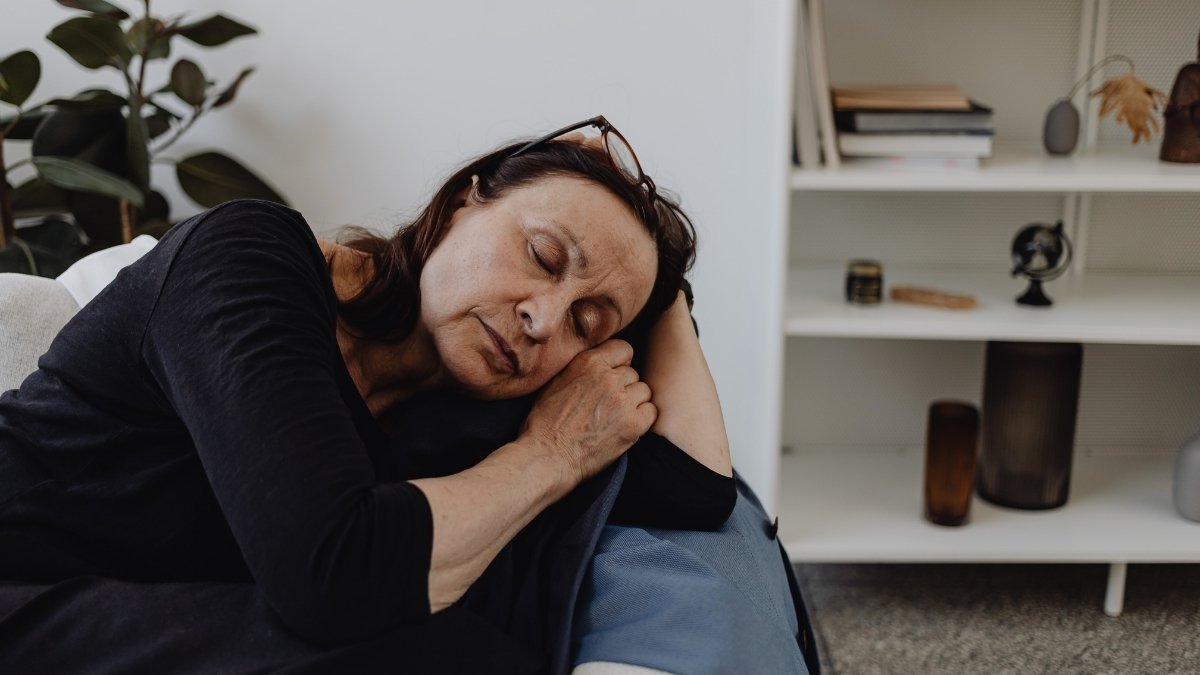
A December 2025 study from Oregon Health & Science University shocked even sleep experts. Insufficient sleep had a more significant impact on life expectancy than diet, exercise, or social isolation. It ranked second only to smoking.
Meeting sleep recommendations adds 1.2 years compared to short sleepers and 2.6 years compared to long sleepers. The sweet spot? Seven to eight hours daily. Not six. Not nine.
Obstructive sleep apnea affects nearly 1 billion adults worldwide. It’s more common in people 40-60. Sleep deprivation leads to higher blood pressure, insulin resistance, and brain aging.
Men who get adequate sleep live about 5 years longer. For women it’s 2 years. Fix your sleep before you fix anything else.
The Exercise Formula That Actually Works After 50

Forget punishing workouts. The exercise that adds years to your life is gentler and more specific than you think.
Combining Zone 2 cardio (60-70% max heart rate) with resistance training produces significant cellular benefits. Zone 2 means you can talk but not sing while moving.
Just 150 minutes of Zone 2 paired with two weekly full-body strength sessions enhanced insulin sensitivity in adults over 50 within 8 weeks.
Muscle power—how quickly you generate force—may matter more than pure strength alone for longevity. Current guidelines recommend aerobic, resistance, balance, and flexibility training. Walking gains up to 2 hours of life expectancy for every hour walked.
Here’s a quick test: Stand on one foot for 30 seconds. Can’t do it? Your 10-year mortality risk nearly doubles. Functional movements like sit-to-stands and step-ups build real-world strength.
Foods That Add Years to Your Life
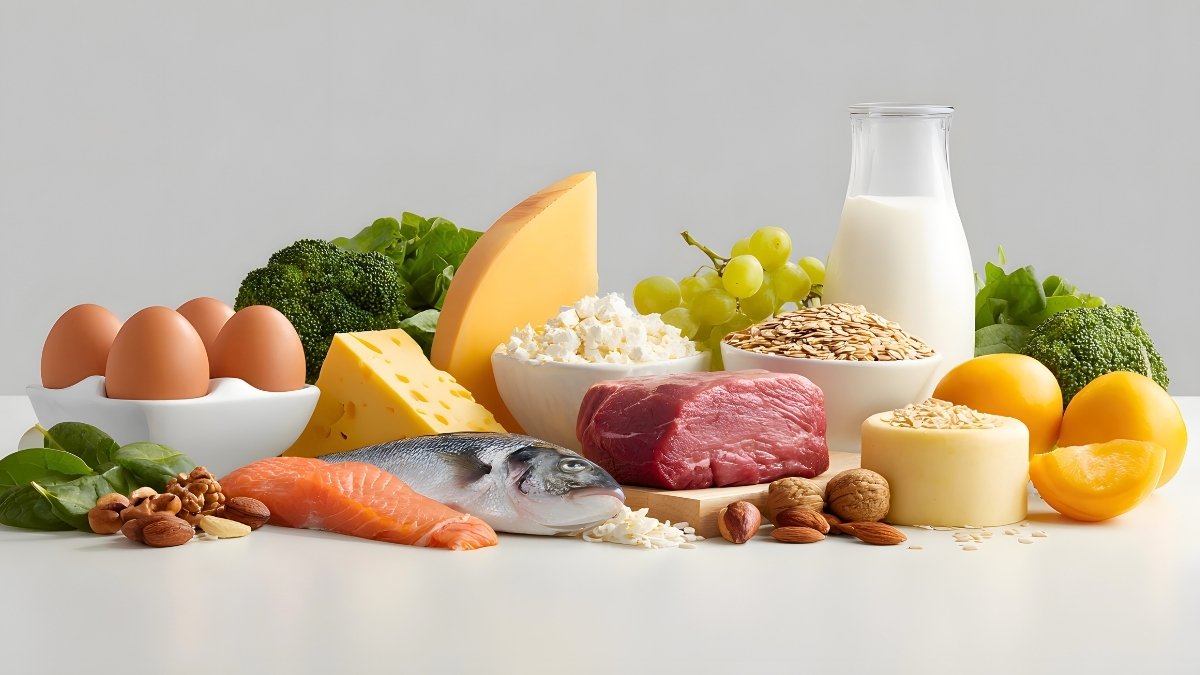
A landmark Harvard study followed 105,000 adults for 30 years. The finding: dietary quality in your 50s and 60s determines whether you’ll reach 70 healthy or sick.
Mediterranean, DASH, and plant-based diets share common elements: nutrient-rich plant foods, limited red and processed meats. Leafy greens support bone health. Fatty fish protect your heart and brain. Legumes provide plant protein and fiber.
Walnuts may add 1.3 years to women’s lives and 1.26 years to men’s at age 60. Eating 100g daily of cruciferous vegetables is associated with longer lifespan.
A 16-week plant-based diet lowered inflammatory markers by 73%. Plant-based diets can reduce Alzheimer’s risk by almost 50%.
Avoid sugar-sweetened beverages, ultraprocessed foods, and items high in sodium and trans fats. You don’t need perfection. Just better choices.
Your Complete Daily Routine (Takes 90 Minutes)
Here’s what aging backwards looks like in practice. This routine takes 90 minutes spread across your day—less time than you spend on your phone.
Morning (30 minutes): Wake at a consistent time, even weekends. Get morning light exposure. Take a 10-minute walk. Eat a protein-rich breakfast.
Midday (20 minutes): Do strength training or functional movement. Add Zone 2 activity like brisk walking or cycling.

Evening (20 minutes): Practice balance exercises. Stretch. Start your wind-down ritual.
Throughout the day (20 minutes): Take movement snacks every 2 hours. Stay hydrated. Eat nutrient-dense meals.
Bedtime routine: Go to bed at the same time nightly. Aim for 7-8 hours. Keep your room dark and cool. Daily movement stimulus beats weekend-only exercise every time.
Your First 12 Weeks
What to Expect Week-by-Week
1-2
WEEKS
Sleep Improves First
Energy increases slightly. Your body is adjusting to new habits.
3-4
WEEKS
Strength Gains Appear
Balance improves. Afternoon fatigue lessens. You’ll feel encouraged!
5-8
WEEKS
Muscle Definition Shows
Stamina increases. Friends notice something’s different about you.
9-12
WEEKS
Habits Feel Automatic
Measurable improvements in all areas. You don’t think—you just do!
Training 16 weeks gives optimal results. 8 weeks improves insulin sensitivity. 4 weeks boosts core strength. Be patient—your body needs time!
The Simple Supplements Worth Considering
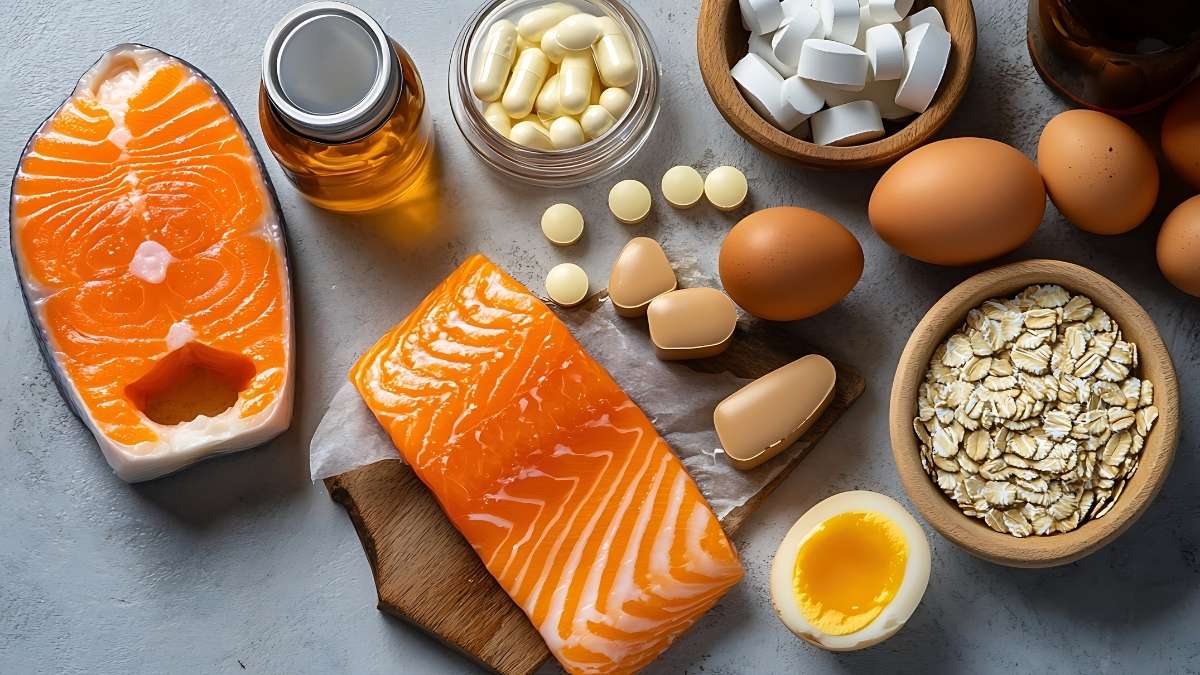
Food comes first. Always. But some supplements fill real gaps for adults 50+.
Vitamin D supplements may slow biological aging according to 2025 research. Vitamin D promotes muscle and bone strength. B12 absorption declines with age. Adults over 50 should consider B12 supplements.
Magnesium participates in 300+ reactions in your body. About 50% of Americans don’t get enough. Magnesium glycinate, malate, and threonate are best for longevity.
Omega-3 fatty acids and creatine have extensive research supporting muscle maintenance and inflammation reduction.
Look for third-party testing for quality. USP, NSF, or ConsumerLab certifications matter. Supplements fill gaps—they don’t replace whole foods. Talk to your doctor before starting any supplement, especially if you take medications. Some interact badly.
What Doesn’t Work (Save Your Money and Time)

Quick-fix products don’t work. Extreme protocols don’t work. Here’s what else fails.
Prescription sleep medications cause more problems than they solve. Reducing their use could lower falls by 8.5%, cognitive impairment by 2.1%, and increase life expectancy by 1.3 months. Cognitive behavioral therapy for insomnia works better.
Excessive supplementation without addressing diet and lifestyle is pointless. Some supplements like quercetin may actually inhibit longevity proteins in people under 60.
Weekend warrior exercise without daily movement doesn’t cut it. Ignoring sleep to “get more done” backfires completely. Your body needs consistent signals, not sporadic bursts.
Consistency beats intensity for long-term results every single time. Save your money. Skip the hype. Do the basics well.
Making It Stick: Your Action Plan for Today
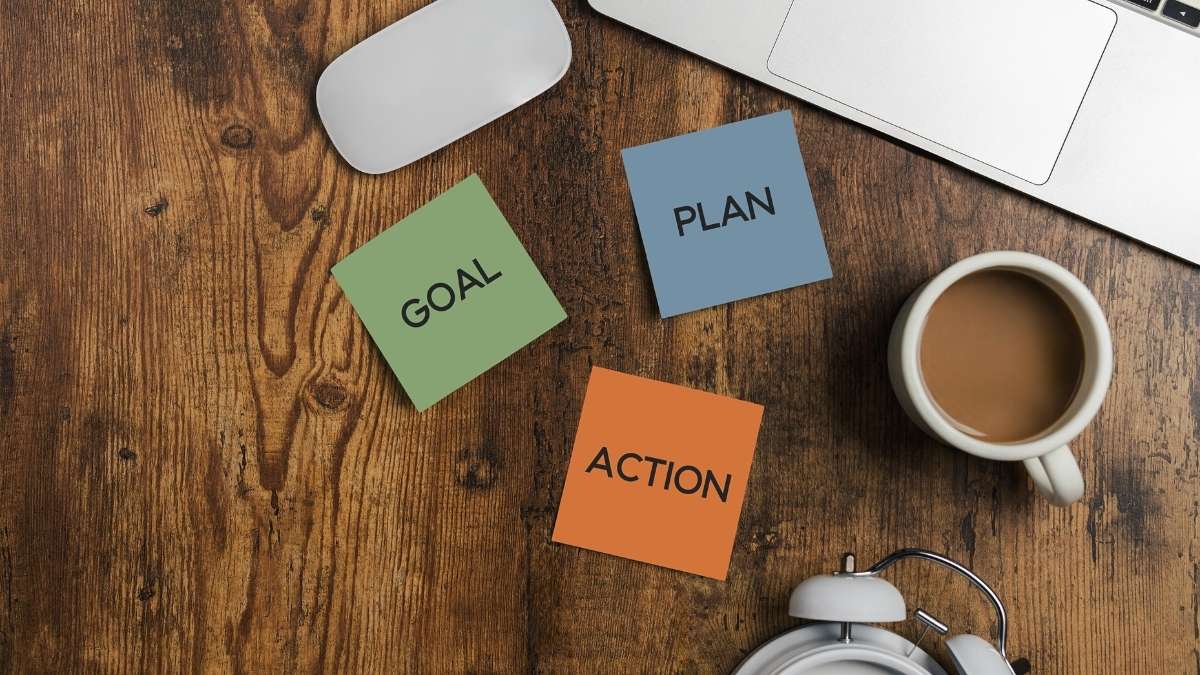
Don’t try to change everything at once. Start with one habit from each category: sleep, movement, food.
Set up your environment for success. Lay out workout clothes tonight. Prep breakfast items. Put your walking shoes by the door. Make the right choice the easy choice.
Track progress simply. Use checkmarks on a calendar. Don’t overthink it with complicated apps. Did you do it? Check. That’s enough.
Find an accountability partner or join a community. SilverSneakers, local walking groups, or online forums work. Making movement a daily habit makes it easier and more effective.
Schedule a 12-week check-in right now. Put it in your calendar. Assess your progress then. Celebrate wins. Adjust what’s not working. Take three actions today, not tomorrow.
Final Words,
Aging backwards after 50 isn’t about expensive treatments or extreme measures. Prioritize sleep. Move daily. Eat mostly plants. Stay consistent. Research proves it’s never too late to start.

Follow this routine for 12 weeks and you’ll feel the difference—measurably younger, stronger, healthier. Pick your bedtime for tonight. Schedule tomorrow’s 10-minute walk. Buy ingredients for one healthy meal. Your future self will thank you.