

At 68, Margaret could barely lift her grandchildren. Twelve weeks later, she was carrying grocery bags up three flights of stairs without stopping.
After 60, you lose 3-8% of muscle mass each decade. Past 60, that jumps to 15%. This isn’t about looking weak. It’s about losing the ability to live on your own. Can’t climb stairs. Can’t carry groceries. Can’t play with grandkids.
This article shows you the exact 3-day-per-week resistance training routine backed by 24 studies with 951 seniors. The results? Better muscle strength, easier daily tasks, and higher quality of life.
You’ll learn which sarcopenia reversal exercises work, how much protein you need, and when you’ll see results.
Why Three Days Per Week Is the Sweet Spot for Muscle Recovery

More isn’t always better. Seniors who train 5-6 days per week often see worse results than those training just 3 days.
After 60, your muscles need 48-72 hours to recover between workouts. Studies show 2-3 nonconsecutive days per week work as well as more frequent sessions. The American College of Sports Medicine recommends 2-3 sessions weekly for resistance training for seniors over 60.
Three-day programs show 93% of seniors stick with them. Daily routines? Most people quit. Seniors see 30-40% strength improvements after just a few months. You can gain 1-2% muscle mass per month.
Monday, Wednesday, Friday works perfectly. Or try Tuesday, Thursday, Saturday. Work out, rest, repeat. That’s how you reverse muscle loss after 60.
The Research Behind Sarcopenia Reversal: 2024-2025 Findings

A major review looked at 24 studies with 951 seniors. Resistance training significantly improved handgrip strength, walking speed, knee strength, and standing from a chair. These differences separate needing help from staying independent.
A 12-week study showed progressive strength training reversed sarcopenia stages regardless of genes. Good genetics or bad, it worked for everyone.
How does it work? Resistance training increases muscle protein synthesis. That’s how your body builds new muscle. It reduces inflammation and balances hormones.
Most seniors see results in 8-12 weeks. Not years. Two to three months of consistent work and you’ll notice the difference. That’s evidence-based strength training that works.
Your Week-by-Week Sarcopenia Reversal Program
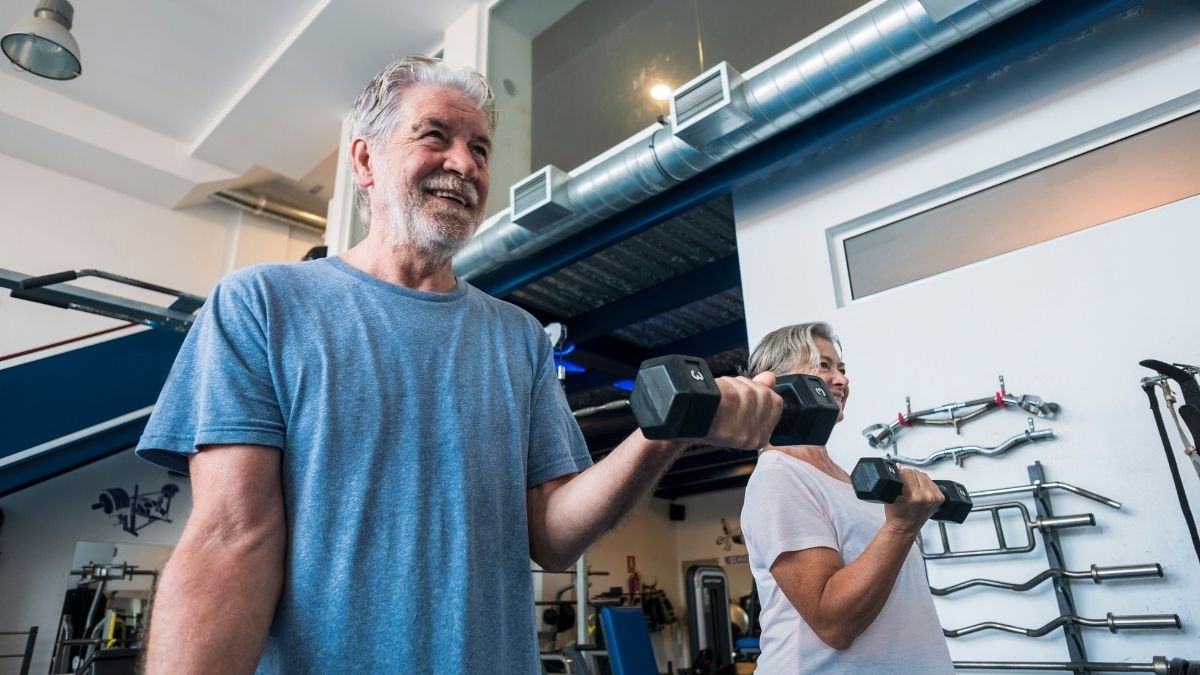
Here’s your exact roadmap. Twelve weeks, three sessions per week, progressive intensity.
Pick Monday, Wednesday, Friday or Tuesday, Thursday, Saturday. Space workouts with rest days between them.
Every session: 5 minutes warming up, 30-35 minutes resistance work, 5 minutes cooling down. Start light and increase gradually. That’s called progressive overload.
Rest days are mandatory. Your muscles grow during rest, not workouts. This strength training program for older adults builds week by week.
Phase 1 builds foundation. Phase 2 develops strength. Phase 3 builds lasting muscle. Follow the phases in order. Don’t skip ahead.
Phase 1: Weeks 1-4 (Foundation Building)
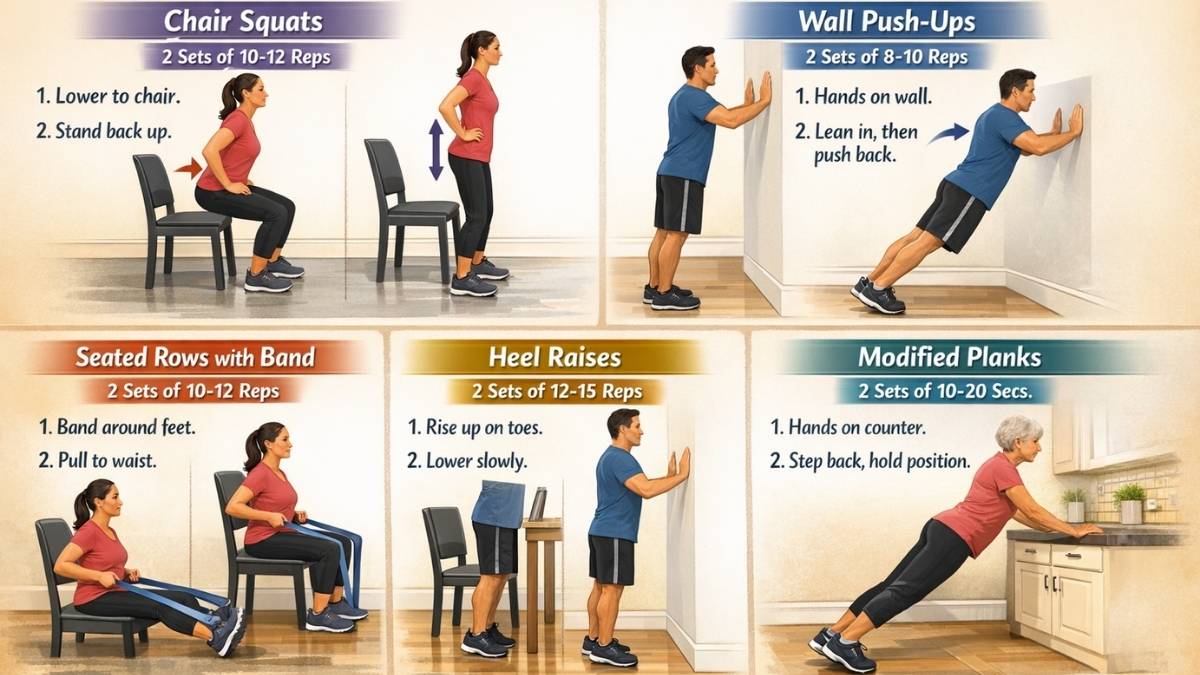
Phase 2: Weeks 5-8 (Strength Development)
Increase all exercises to 3 sets each. Your muscles handle more volume now.
Chair squats become partial-depth body-weight squats. Lower halfway down instead of sitting. Wall push-ups progress to counter push-ups. Use kitchen counter instead of wall.
Add lateral step-ups: 2 sets of 10 reps each leg. Step up sideways onto low step. This improves hip strength and balance.
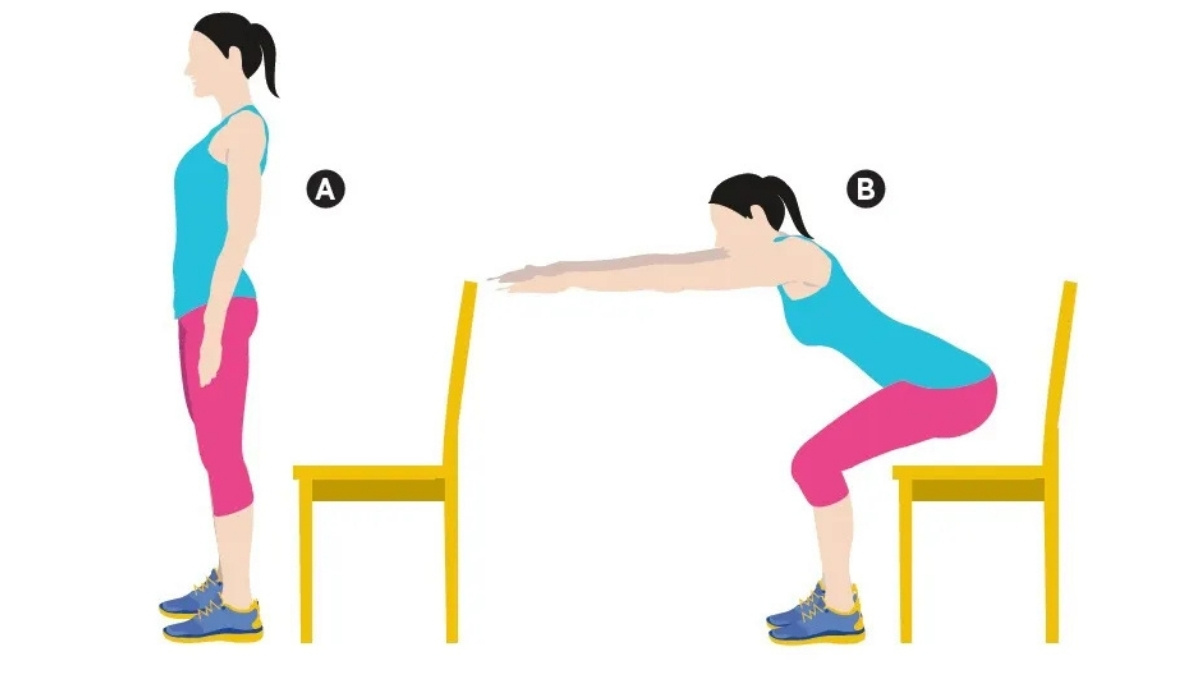
Increase plank hold time to 20-30 seconds.
Ready to progress when: last rep feels easy, you can talk during exercise, you finish wanting more. When you complete 15 reps easily, increase the challenge.
Phase 3: Weeks 9-12 (Muscle Building)
Add light weights now. Start with 2-5 pound dumbbells or resistance bands.
Include leg press if you have gym access. Otherwise, weighted squats work. Add lat pulldowns or resistance band pull-downs. Include overhead press. These are best exercises for sarcopenia.

Focus on controlled eccentric phase. That’s the lowering part. Take 2-3 seconds to lower weight. This builds strength with less joint stress. Lift back up in one second.
Do 3 sets of 10-15 reps for all exercises. Can’t complete 10 reps with good form? Weight’s too heavy. Easily hit 15 reps? Increase weight next session.
Why Protein Timing Matters More Than You Think After 60
You can train perfectly, but without enough protein, your muscles won’t rebuild.
People 65 and older need 1.0-1.2 grams of protein per kilogram of body weight daily. For a 165-pound person, that’s 75-90 grams daily. About 1 in 3 people over 50 don’t get enough.
Timing matters as much as total amount. Eat 30-35 grams of protein within two hours after your workout. This is when muscles are most ready to use it.

Spread protein across all meals. Aim for 20-30 grams per meal with at least 2.3-3 grams of leucine. Leucine triggers muscle growth.
Best sources: Greek yogurt (15-20g per cup), chicken (25-30g per 3 oz), eggs (12g for two), salmon (22g per 3 oz).
How to Measure Success Beyond the Scale
The scale won’t tell the whole story. These metrics will.
Time yourself standing from a chair 5 times. Can you do it in under 15 seconds? Count stairs you can climb without stopping. Track grocery bags you can carry. Test these every two weeks. Write down numbers. Watch them improve.
Track weight you lift in each exercise. Count reps you complete.

Keep a simple training log. Write down exercises, sets, reps, weight used, how you felt. A notebook works fine.
Expect plateaus. They’re normal. Keep going and progress returns. Celebrate non-scale victories: better sleep, more energy, improved balance. These matter more than pounds.
Essential Safety Guidelines for Seniors Starting Strength Training
Always check with your doctor first. This is crucial if you have osteoporosis, heart conditions, joint replacements, or balance issues.
Start with bodyweight or very light resistance. Even if you were strong years ago, start light now. Your joints need time to adapt.
Stop immediately if you feel sharp pain, dizziness, chest discomfort, or extreme breathlessness beyond normal heavy breathing.

Consider working with a physical therapist for your first few sessions. They teach proper form for safe strength training for seniors.
Proper form prevents injury. Quality beats quantity. Do 5 perfect reps instead of 15 sloppy ones. Watch yourself in a mirror. Record videos of your form.
Overcoming the Top 5 Barriers to Consistent Training
“I’m too old or weak.” An 86-year-old woman couldn’t lift her foot onto a stool when starting. Months later, she performs complex movements with confidence. It’s never too late.
Joint pain or arthritis. Resistance training often reduces joint pain over time. It strengthens muscles around joints. Modify exercises that hurt. Can’t do squats? Do chair squats.
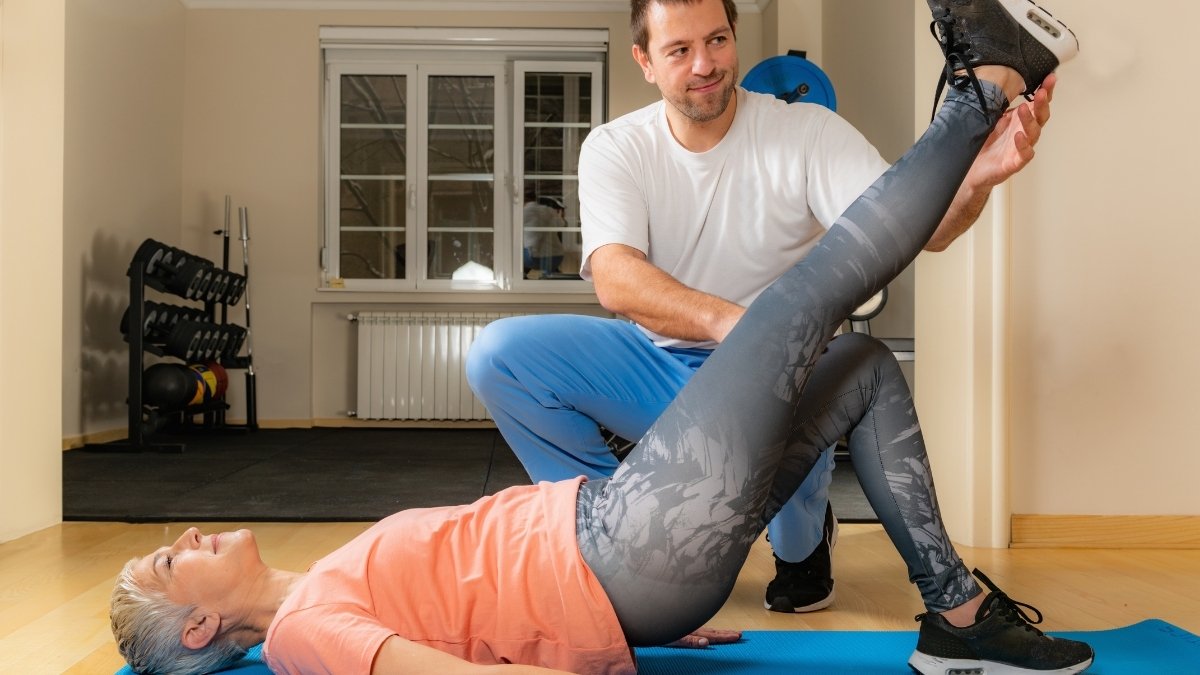
No equipment or gym. Your bodyweight is enough. A chair, wall, and stairs are your gym. Add $20-50 in resistance bands later.
Motivation issues. Find an accountability partner. Focus on independence, not appearance.
Time constraints. 45 minutes, 3 times weekly equals less than 3% of your week.
Final Thoughts:
Sarcopenia isn’t inevitable. With consistent 3-day weekly resistance training and adequate protein (1.0-1.2 g/kg daily), seniors rebuild muscle strength regardless of age.

Results appear in 8-12 weeks. Strength gains of 30-40% are realistic. The path to sarcopenia reversal exercises starts with a single session. Your independence is worth three hours per week.
Learn the science-backed 3-day strength routine that reverses sarcopenia in seniors 60+. Includes exercises, protein plan & progress tracking.