

Research from Harvard Medical School reveals a stunning truth: the habits you adopt in your 50s, 60s, and 70s can reduce your heart disease risk by up to 80%—and it’s never too late to start.
Maybe you’ve watched friends or family members struggle with heart problems. Maybe your doctor mentioned your blood pressure is creeping up. Maybe you’re just tired of wondering if you’ll become another statistic. Heart disease kills more Americans than anything else. That’s scary.
But here’s what most people don’t know. You have more control than you think. The American Heart Association identified eight specific habits that protect your cardiovascular health.
They’re called Life’s Essential 8. These aren’t trendy tips that change every year. They’re backed by decades of research and updated with 2025 data.
Every 10-point improvement in your cardiovascular health score cuts your heart disease risk by 53%. Read that again. Small changes create big protection. You don’t need to be perfect. You just need to be better than yesterday.

In this guide, you’ll learn the exact doctor-recommended heart health habits for aging adults. Each one comes with specific, actionable steps you can start today. No confusing medical terms. No impossible standards. Just clear strategies to strengthen your aging heart naturally. Your heart is counting on you. Let’s give it what it needs.
Heart Health Becomes Critical
No warning light until it’s too late
Heart disease kills 1 in 5 Americans
📊 Your Heart’s Timeline
20s-30s
40s
60s
Higher risk if health worsens
80% of heart disease is preventable
20-min walk today
Healthier meal tomorrow
7 hours sleep tonight
Compound interest for your body – small habits add up over time
Habit #1: Move Your Body at Least 150 Minutes Weekly
You don’t need a gym membership or fancy equipment. Your heart just needs you to move. The goal is 150 minutes of moderate exercise each week. That’s 30 minutes, five days a week. Or you can do 75 minutes of harder exercise if you prefer.

What counts as moderate? Brisk walking where you can talk but not sing. Swimming. Cycling on flat ground. Water aerobics. Anything that gets your heart pumping faster.
Here’s the sweet spot for older adults. A study of people 65 and older found that 20 to 40 minutes of daily activity made a huge difference. Men who exercised at least 20 minutes daily had a 52% lower risk of heart problems. That’s cutting your risk in half.
Your knees hurt? Try swimming or water aerobics. These take pressure off your joints while still working your heart. Yoga and tai chi help with balance and flexibility. Both matter as you age because falls can sideline you for months.

Start with chair exercises if you need to. Do arm circles while sitting. March in place. Lift light weights. The CDC says seniors can work up to 300 minutes weekly, but start where you are. Even 10 minutes counts. Your heart doesn’t care if you’re slow. It just cares that you’re moving.
Habit #2: Follow a Mediterranean or DASH Diet Pattern
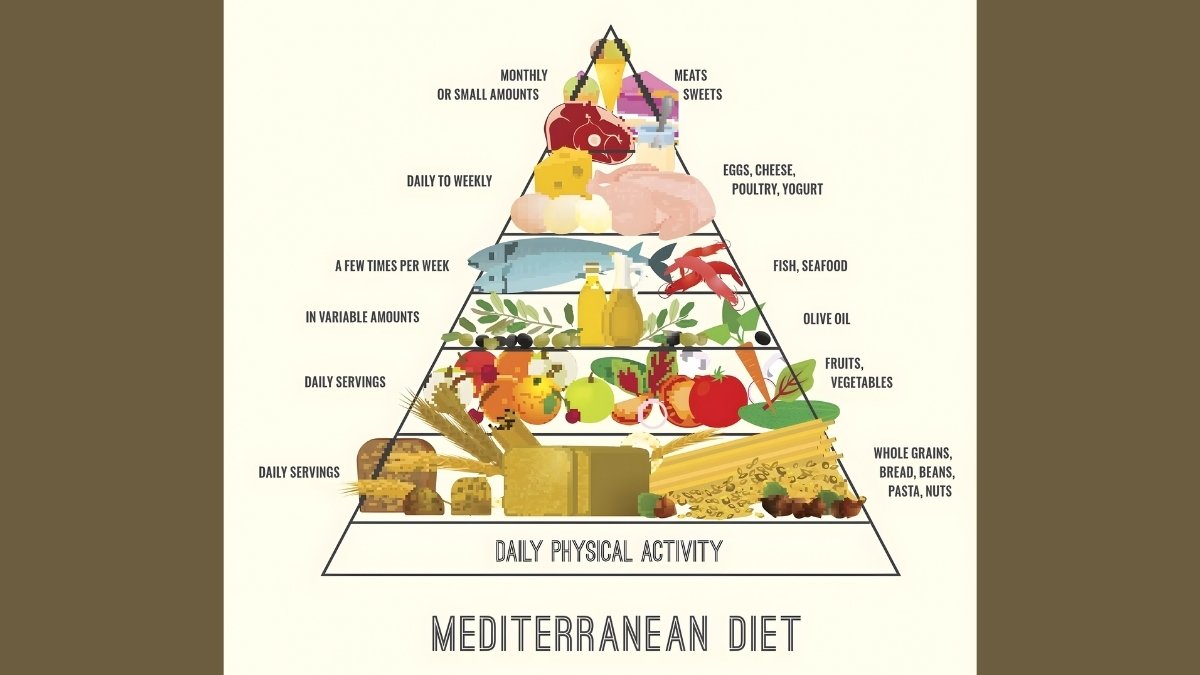
Forget counting calories. Your heart cares more about what you eat than how much. Two diets beat all others for heart health: Mediterranean and DASH. U.S. News ranks the Mediterranean diet as the best year after year.
The Mediterranean diet cut heart attack and stroke risk by 30% in a major study. People ate more olive oil, nuts, fish, and vegetables. That’s it. The DASH diet is just as powerful. It cuts heart failure risk by 50% by lowering blood pressure through less sodium and more potassium-rich foods.
Both diets work because they focus on the same foods. Fill your plate with colorful vegetables, fruits, whole grains, beans, nuts, and fish. Use olive oil instead of butter. Eat chicken more than red meat. These foods lower cholesterol and reduce inflammation in your blood vessels.
What to limit? Sweetened drinks, processed meats like bacon and deli meat, white bread, and salty snacks. You don’t have to be perfect. Start by adding one serving of vegetables to dinner. Switch from soda to water. Use olive oil when you cook.

You can mix both diets. The Mediterranean focuses on healthy fats. The DASH focuses on less salt. Do both. Your heart doesn’t care which name you use. It just wants the nutrients these foods provide.
Habit #3: Prioritize 7-9 Hours of Quality Sleep Nightly
Your heart repairs itself while you sleep. Miss that repair time and you’re asking for trouble. In 2022, the American Heart Association added sleep as the eighth essential habit for heart health. They recommend 7 to 9 hours nightly.

The numbers tell the story. People who sleep 7 to 9 hours have the lowest risk of heart disease. Sleep less than 7 hours? Your risk goes up 14%. Sleep more than 10 hours? Risk increases 10%. More than one in three Americans don’t get enough sleep. That’s millions of hearts not getting the rest they need.
While you sleep, your blood pressure drops. Your heart rate slows. Your blood vessels relax. This nightly break helps prevent damage that builds up during the day. Skip sleep and your blood pressure stays high. Your stress hormones stay elevated. Your heart never gets a break.
Quality matters as much as quantity. Go to bed at the same time every night. Make your room cool, dark, and quiet. Turn off screens an hour before bed. The blue light messes with your sleep hormones. Skip heavy meals, alcohol, and caffeine after dinner.
Can’t sleep? Try blackout curtains or a white noise machine. Keep your bedroom for sleep only. Your brain needs to link that room with rest, not TV or worry.
Habit #4: Master Stress Management Techniques

Stress doesn’t just make you feel bad. It physically damages your heart. When you’re stressed, your body releases cortisol and adrenaline. These hormones make your heart beat faster, raise your blood pressure, and cause inflammation in your blood vessels. Do this day after day and you’re setting up for heart disease.
Harvard Medical School found that mindfulness practice can cut cortisol levels by 25% in just eight weeks. That’s significant. Studies show that relaxation methods like deep breathing, progressive muscle relaxation, and biofeedback lower blood pressure in people with heart problems. Harvard Health calls stress management an overlooked strategy for preventing high blood pressure.
Try the 4-7-8 breathing technique. Breathe in for 4 counts. Hold for 7. Breathe out for 8. Do this three times when you feel stressed. It signals your nervous system to calm down.
Progressive muscle relaxation works too. Tense each muscle group for 5 seconds, then release. Start with your toes and work up to your face. This teaches your body what relaxation feels like.

Even 10 minutes of meditation daily helps. Sit quietly. Focus on your breath. When your mind wanders, bring it back. Yoga and tai chi combine movement with breathing. Both lower stress hormones.
But here’s what many people miss: social connection matters. Call a friend. Join a group. Isolation increases stress. Time management helps too. Say no to things that drain you. Set boundaries. Your heart needs protection from chronic stress.
Habit #5: Maintain a Healthy Weight and BMI
Extra weight makes your heart work harder with every beat. Think of it like carrying a heavy backpack all day. Your heart has to pump blood through more tissue. This raises blood pressure and strains your cardiovascular system over time.

The goal is a BMI under 25. But don’t obsess over the number. If you have muscle mass, BMI can be misleading. Focus on how you feel and what your doctor says. Healthy weight management for aging adults isn’t about crash diets or fitting into old jeans. It’s about reducing the load on your heart.
Weight connects to everything else. Lose 10 pounds and your blood pressure drops. Your cholesterol improves. You sleep better. You have more energy to exercise. All eight heart health habits work together.
Start small. Cut 200 calories a day. That’s one soda or a handful of chips. Eat more vegetables and lean protein. These fill you up without the calories. Keep moving with regular physical activity. Muscle burns more calories than fat, even at rest.
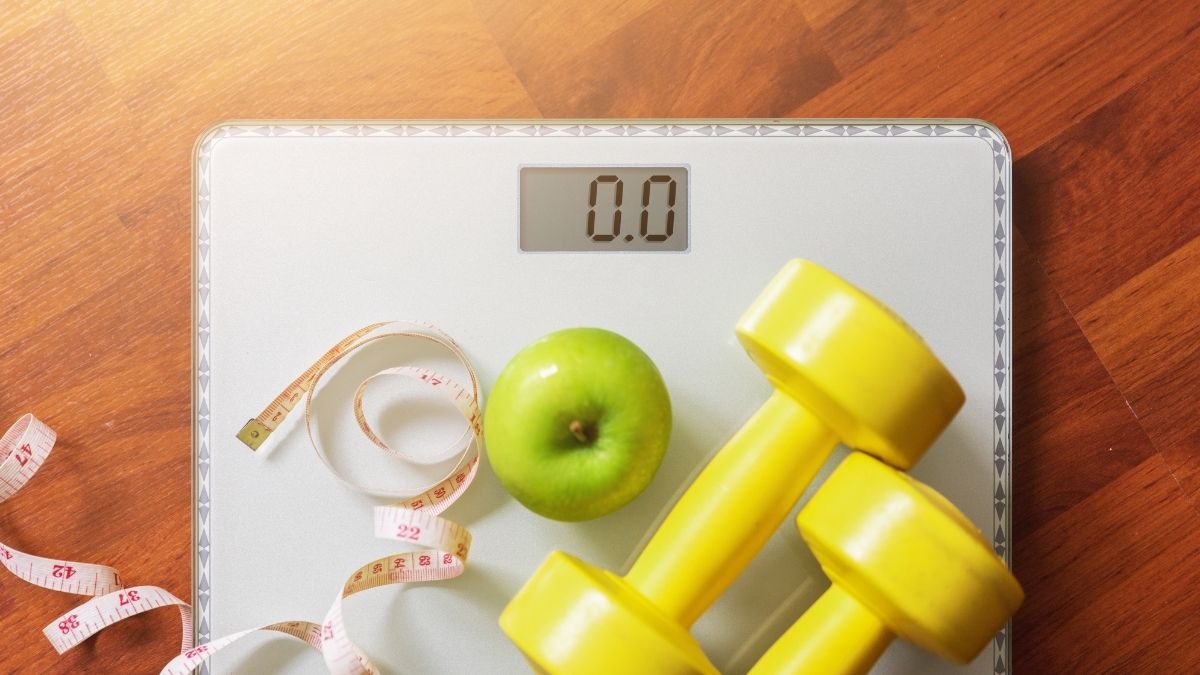
Track your weight weekly, not daily. Weight fluctuates from water, food, and other factors. Weekly trends matter more than daily numbers. Be patient. Losing one to two pounds per week is healthy and sustainable. Quick weight loss usually comes back. Slow and steady protects your heart for the long run.
Habit #6: Monitor and Control Blood Pressure
High blood pressure is called the silent killer for a reason. You can’t feel it damaging your arteries. Blood vessels get stiffer as you age, which pushes pressure up naturally. That’s why monitoring becomes critical after 50.
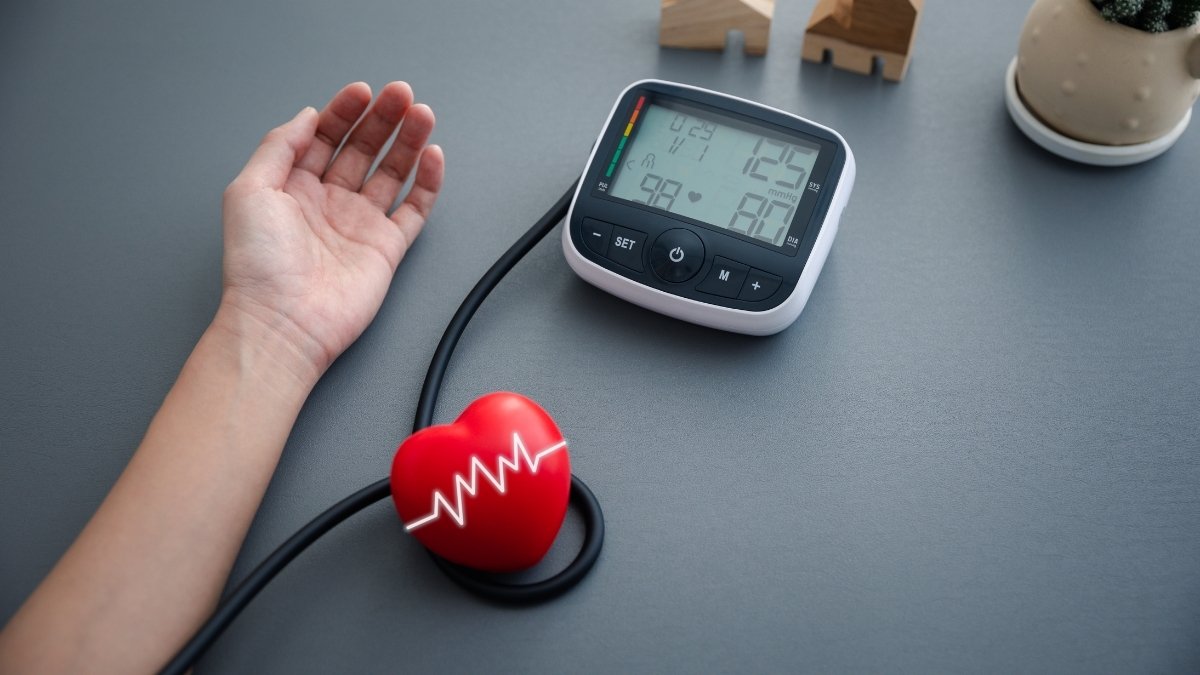
The optimal target is less than 120/80. The 2025 guidelines from Harvard Health recommend starting medication earlier to keep blood pressure below 130/80. This protects both your heart and brain from damage.
Get your blood pressure checked at least every two years if it’s normal. If you have high blood pressure, check it more often. Better yet, buy a home monitor. They cost $30 to $50 and let you track trends over time. Take readings at the same time each day, sitting quietly for five minutes first.
Lifestyle changes can drop your numbers significantly. The DASH diet lowers blood pressure in weeks. Regular exercise helps. Losing weight reduces the load on your arteries. Limiting salt to less than 2,300 mg daily makes a difference. That’s about one teaspoon.
But be honest with yourself. If lifestyle changes don’t get your numbers down, medication isn’t failure. It’s protection. High blood pressure damages your heart, kidneys, and brain every day it stays elevated. Taking a pill is better than risking a stroke or heart attack.
Habit #7: Keep Cholesterol Levels in Check
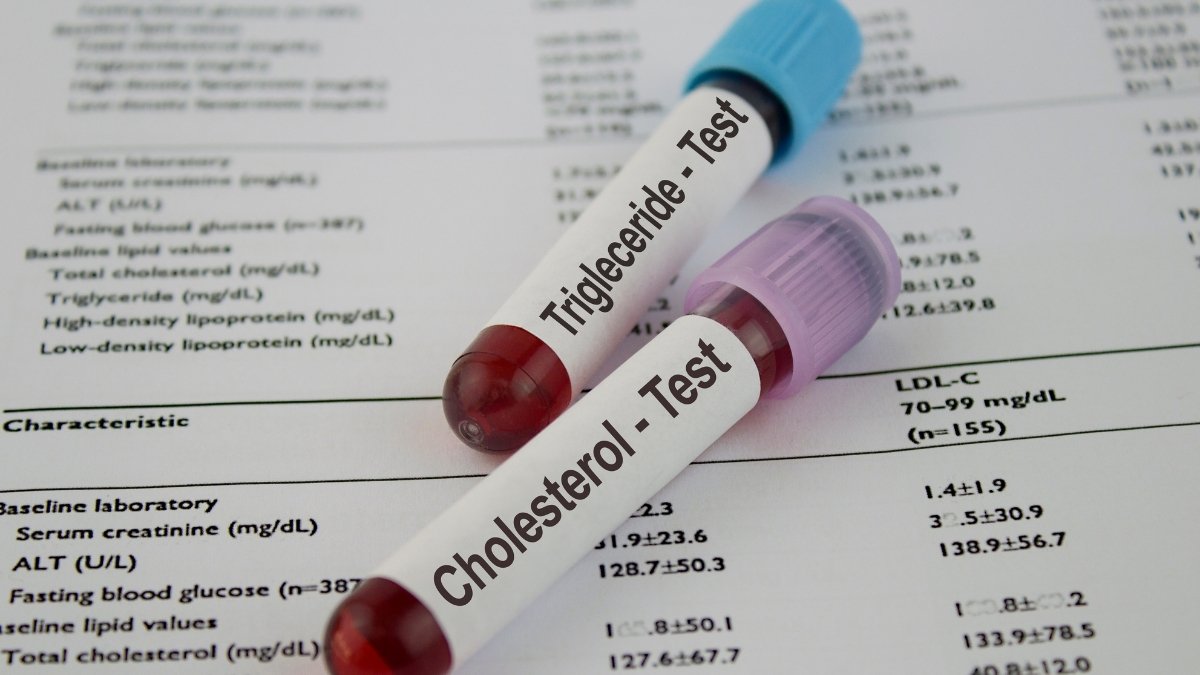
Cholesterol clogs your arteries like grease in a pipe. LDL is the bad kind that sticks to artery walls. HDL is the good kind that sweeps cholesterol away. Your total cholesterol should be under 200 mg/dL.
Here’s what many people don’t know. Doctors now focus more on non-HDL cholesterol because it predicts heart disease better than total cholesterol alone. But the basics still matter. Keep your LDL low and your HDL high.
Diet makes a huge difference. Soluble fiber from oats, beans, and fruits binds to cholesterol in your gut and removes it. One bowl of oatmeal daily can lower LDL by 5 to 10%. The Mediterranean diet works because it replaces saturated fat with healthy fats from olive oil, nuts, and fish.
Cut back on saturated fat from red meat, butter, and cheese. Avoid trans fats completely. They’re in many processed foods and raise LDL while lowering HDL. Read labels.
Get your cholesterol checked every four to six years if it’s normal. Check more often if you have high cholesterol or take medication. Some people eat perfectly and still have high cholesterol because of genetics. That’s okay. Medication combined with a heart-healthy diet gives you the best protection. Your arteries don’t care why your cholesterol is low. They just need it low.
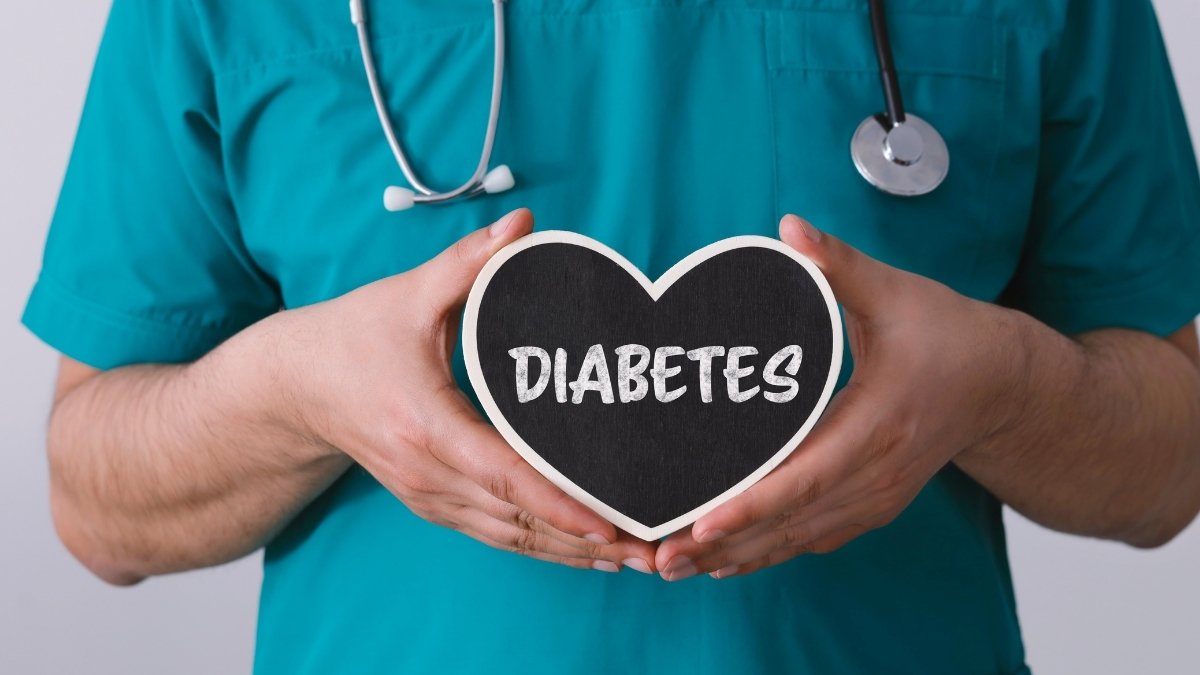
Habit #8: Manage Blood Sugar and Prevent Diabetes
High blood sugar damages your blood vessels from the inside out. Think of sugar as tiny crystals scraping your artery walls. Over time, this creates scarring and blockages. That’s why diabetes doubles your risk of heart disease and stroke.

The A1C test measures your average blood sugar over two to three months. Healthy levels are below 5.7%. Between 5.7% and 6.4% means prediabetes. Above 6.5% is diabetes. Many people don’t know they have prediabetes until they develop full diabetes.
Your diet controls blood sugar more than anything else. Swap white bread, white rice, and sugary snacks for whole grains. They release sugar slowly into your bloodstream. Add protein and fiber to every meal. They slow down sugar absorption and keep you full longer.
Exercise helps immediately. Your muscles use sugar for fuel, which lowers blood sugar levels. Even a 15-minute walk after meals makes a difference. Weight loss helps too. Losing just 5% of your body weight can prevent prediabetes from becoming diabetes.
Sleep matters more than most people think. Poor sleep increases insulin resistance, making it harder for your body to control blood sugar. Get those 7 to 9 hours.
Check your blood sugar if you’re over 45, overweight, or have a family history of diabetes. Catching problems early means you can fix them before permanent damage occurs.
Creating Your Personalized Heart Health Action Plan

Eight habits sounds overwhelming. Don’t try to fix everything at once. That’s how people burn out and quit. Start where you are right now.
Take the American Heart Association’s My Life Check online assessment. It scores you on all eight factors and shows which areas need the most work. Be honest. Nobody’s judging you. This is just your starting point.
Pick two or three areas to focus on first. Maybe your diet needs work and you’re not sleeping enough. Start there. Set SMART goals. Not “eat better” but “add one vegetable to dinner five nights this week.” Specific. Measurable. Achievable.
Use the 10% rule for gradual changes. Walk 10% longer this week than last week. Cut 10% of the salt from your meals. Small improvements add up without overwhelming you. Your body adapts better to gradual changes anyway.
Schedule a checkup with your doctor. Get your numbers checked: blood pressure, cholesterol, blood sugar, weight. Write them down. These become your baseline for tracking progress.
Check in with yourself monthly. What’s working? What’s not? Celebrate small wins. You walked four times this week instead of two? That’s progress. Your blood pressure dropped 5 points? Huge win.
Be patient with yourself. You didn’t develop bad habits overnight. You won’t replace them overnight either. But every healthy choice you make today protects your heart tomorrow. That’s how preventive heart care works. One decision at a time.
Final Words:
You now know the eight doctor-recommended habits that strengthen aging hearts naturally. Move your body 150 minutes weekly. Eat a Mediterranean or DASH diet. Sleep 7 to 9 hours. Manage stress. Maintain healthy weight. Control blood pressure, cholesterol, and blood sugar.
Here’s the truth that should give you hope: 80% of heart disease is preventable through lifestyle. Four out of five heart attacks don’t have to happen. You have more control than you think. And it’s never too late to start. Your body begins healing within hours of making better choices.

Small, consistent improvements compound over time. That 20-minute walk today becomes weeks of walks. That vegetable at dinner becomes months of better nutrition. These heart health habits for aging adults work because you stick with them.
Start today. Pick one habit from this list. Schedule that doctor’s appointment. Take a walk after reading this. Add vegetables to tonight’s dinner. Every positive choice moves you closer to a stronger, healthier heart and the life you want to live in your 60s, 70s, and beyond. Your heart is counting on you. Don’t wait.