
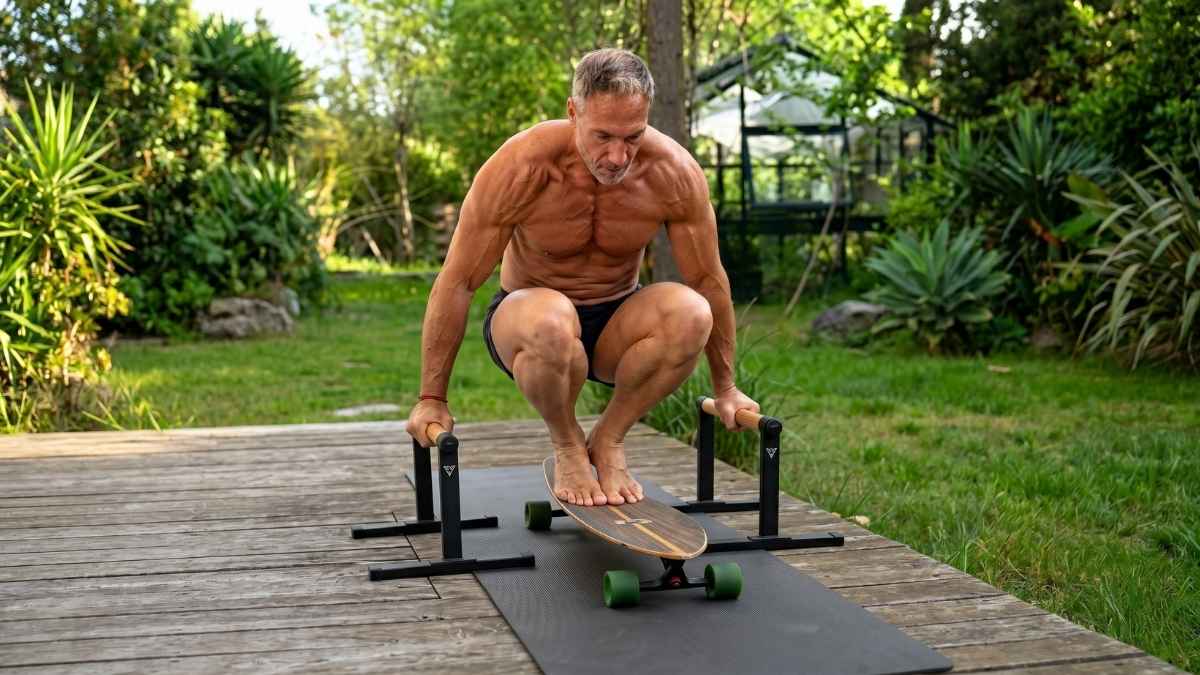
When I met David at 6 AM for his cold plunge, I did not expect to see his blood results. His C-reactive protein was 0.3 mg/L, well below the low-risk mark. At 66 years old, his inflammatory biomarkers looked better than most people in their 30s. That got my attention.
Chronic inflammation affects 6 in 10 Americans. It links to heart disease, diabetes, memory loss, and cancer. Most people have CRP levels between 1–3 mg/L, while levels above 3 signal high risk. The usual fix is medication, not lifestyle.
This guide shows a different path. You’ll learn 14 anti-inflammatory lifestyle practices that help reduce inflammation naturally. You’ll see how to track CRP levels and other markers with blood tests. You’ll also get clear routines, timelines, and results backed by data.
According to Ohio State (2024), 57% of U.S. adults eat pro-inflammatory diets. WHO (2025) reports loneliness raises inflammation as much as inactivity.
Anti-Inflammation Protocol
David lowered his CRP from 3.0 to optimal levels in 6 months. Select exactly 5 daily habits to build your routine and simulate your results.

Practice #1 – How the Mediterranean Diet Lowers Inflammation Fast
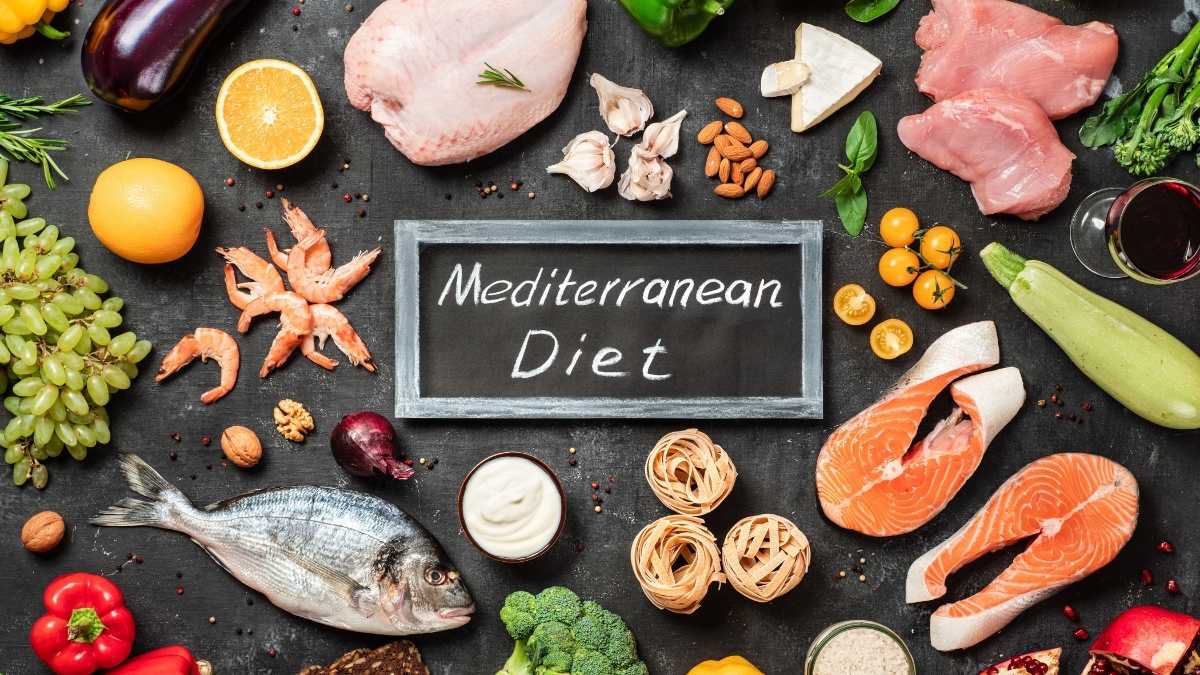
If you feel stiff, tired, or inflamed, your food may be the cause. Many people eat too few plants and too many processed foods. That keeps CRP levels high. This anti-inflammatory diet fixes that.
You eat 8–9 servings of fruits and vegetables daily. Plants feed your gut and calm inflammation. Olive oil is your main fat. Use 3–4 tablespoons a day instead of butter. Whole grains, beans, and nuts show up every day. Fish is eaten 2–3 times a week, poultry twice, and red meat just once every two weeks.
The British Journal of Nutrition (2024) shows the Mediterranean diet lowers pro-inflammatory biomarkers. Harvard Health (March 2024) also notes that coffee may reduce inflammation because of plant compounds.
This anti-inflammatory foods list includes leafy greens, berries, fatty fish, olive oil, nuts, turmeric, ginger, and green tea.
David follows a simple plan. Smoothie for breakfast. Big salad for lunch. Salmon and vegetables for dinner. Snacks stay basic.
Quick Tips:
- Fill half your plate with plants
- Use olive oil every day
- Eat fish instead of red meat
Practice #2 – How 16:8 Fasting Lowers Inflammation Without Stress
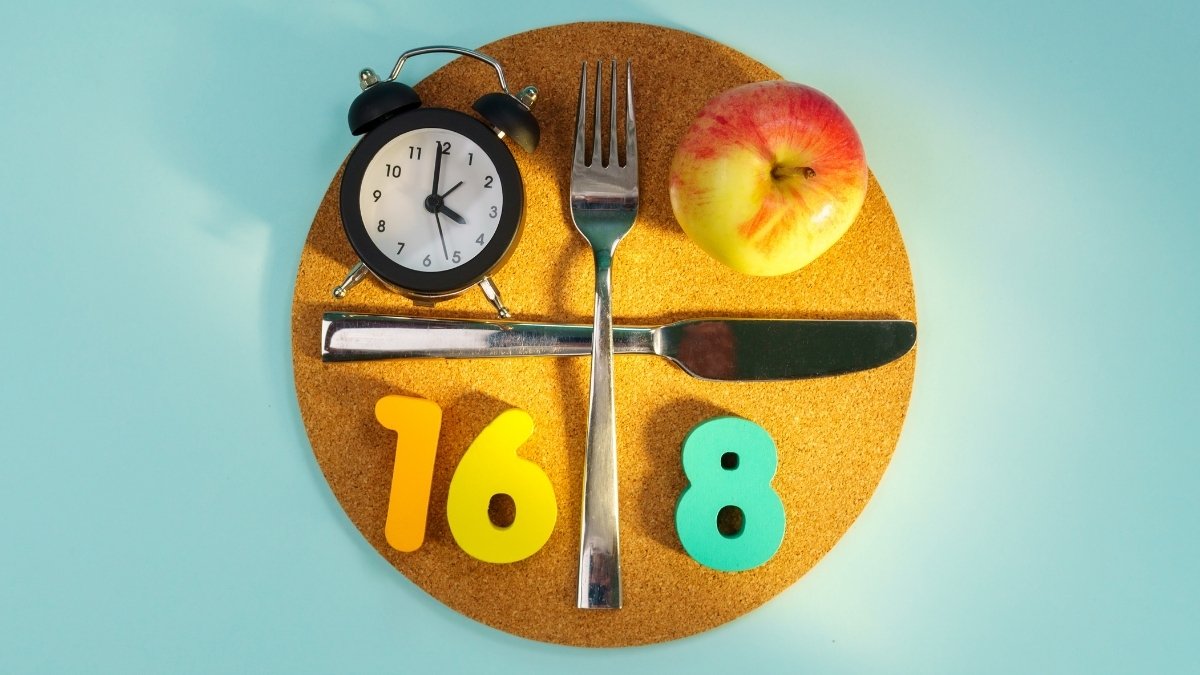
You might eat too often without knowing it. Late snacks and long eating days keep insulin high. That can raise inflammation and CRP levels. Intermittent fasting inflammation protocols fix this by giving your body a daily break.
The 16:8 fasting method is simple. You fast for 16 hours and eat within 8 hours. During fasting, your body makes more arachidonic acid, which blocks the NLRP3 inflammasome, a key inflammation trigger. A University of Cambridge (January 2024) study confirmed this process. NIH-funded research also shows steady fasting benefits for lowering chronic inflammation.
This does not mean starving yourself. A ScienceDirect review (2025) found that fasting over 48 hours can raise CRP and IL-6 for a short time. Longer is not better. Stick with 16:8 or even 14:10.
David eats from 12 PM to 8 PM. He drinks water and black coffee while fasting. He built up slowly. That made it stick.
Quick Tips:
- Start with a 12-hour fast
- Drink water when hungry
- Avoid multi-day fasts
Practice #3 – How Daily Aerobic Exercise Lowers CRP Levels

You may feel sore after exercise and think it causes harm. That fear stops many people from moving. But regular movement helps your body calm inflammation over time.
Moderate aerobic exercise creates short-term stress. Then your body adapts. Harvard scientist Daniel Lieberman calls this the “spilling juice” idea. A small spill teaches you to pour better next time.
Scripps Health (2024) shows this short inflammation leads to lower chronic inflammation later. A 2024 meta-analysis also found exercise reduces CRP and other markers, even in people with diabetes.
You need at least 150 minutes a week. Walking, cycling, and hiking all count. Cardio and weights both help. The key is staying consistent.
David walks briskly three mornings a week. He cycles twice weekly. On weekends, he hikes. His heart rate stays at 60–70% max, which feels challenging but steady.
This is one of the strongest ways to exercise reduce inflammation.
Quick Tips:
- Walk fast enough to talk, not sing
- Spread workouts across the week
- Aim for consistency, not speed
Practice #4 – How Strength Training Cuts Hidden Inflammation
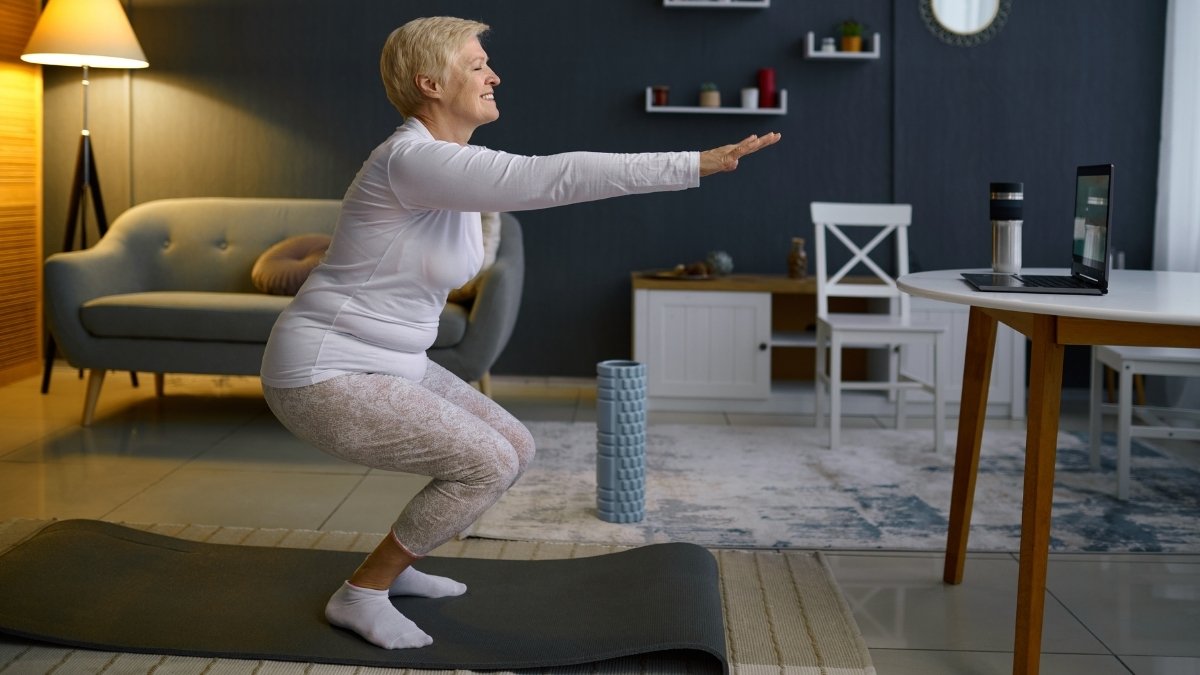
You can’t see visceral fat. But it drives inflammation fast. Strength training helps remove it while building muscle.
Short workouts work best. 10–25 minutes, two or three times a week, is enough. Muscle improves insulin control. That lowers inflammation at its source. When strength training inflammation drops even more when paired with cardio.
Resistance training benefits come from simple moves. Squats, push-ups, and planks train many muscles at once. This saves time and gives better results. Progress matters. Add reps or resistance slowly.
David trains three times a week using bodyweight and bands. Each session lasts 20 minutes. He focuses on good form, not rushing. Over time, he increases difficulty. This keeps his body adapting without burnout.
Strength work does not replace cardio. Together, they form a strong anti-inflammatory plan.
Quick Tips:
- Use simple full-body moves
- Train every other day
- Stop before pain starts
Practice #5 – How Better Sleep Lowers Inflammation at Night

You may eat well and exercise, yet still feel inflamed. Poor sleep could be the reason. Sleep deprivation inflammation rises fast when sleep is short or broken.
When you miss sleep, stress chemicals rise. That pushes up IL-6, CRP, and TNF-alpha. Even losing two hours a night for one week can raise inflammation. PMC research shows that sleeping only four hours for five nights raises IL-1β, IL-6, IL-17, and hs-CRP.
This links poor sleep quality health to chronic disease. Nature Reviews Immunology explains that sleep helps the immune system cool down. Frontiers (October 2024) found inflammation and oxidative stress explain why bad sleep harms health.
Quality matters as much as hours. You need calm, deep sleep.
David sleeps from 10 PM to 6 AM. His room stays dark and cool at 65°F. He avoids screens for one hour before bed and takes magnesium.
Quick Tips:
- Go to bed at the same time
- Keep the room cool and dark
- Put screens away early
Practice #6 – How Cold Exposure Reduces Inflammation Safely

You may feel sore after workouts or wake up sluggish. Cold exposure benefits your body by calming inflammation and boosting energy.
Cold showers or plunges work best at 50–60°F for 2–3 minutes, three to five times weekly. This activates brown fat, which helps control blood sugar. Studies show cold therapy inflammation drops as insulin sensitivity improves.
PMC (2024) links cold exposure to better mood and immune health. Mindbodygreen (December 2024) notes cold stress triggers repair inside your cells.
Cold works best after cardio or HIIT. Do not use it after strength training. Cold too soon can slow muscle growth.
David takes a 2-minute cold shower every morning at 55–60°F. He controls his breathing and built up slowly from 30 seconds. He avoids cold within four hours of lifting.
Quick Tips:
- Start short and build slowly
- Breathe slow and steady
- Skip cold after lifting weights
Practice #7 – How Daily Meditation Calms Inflammation in Your Body
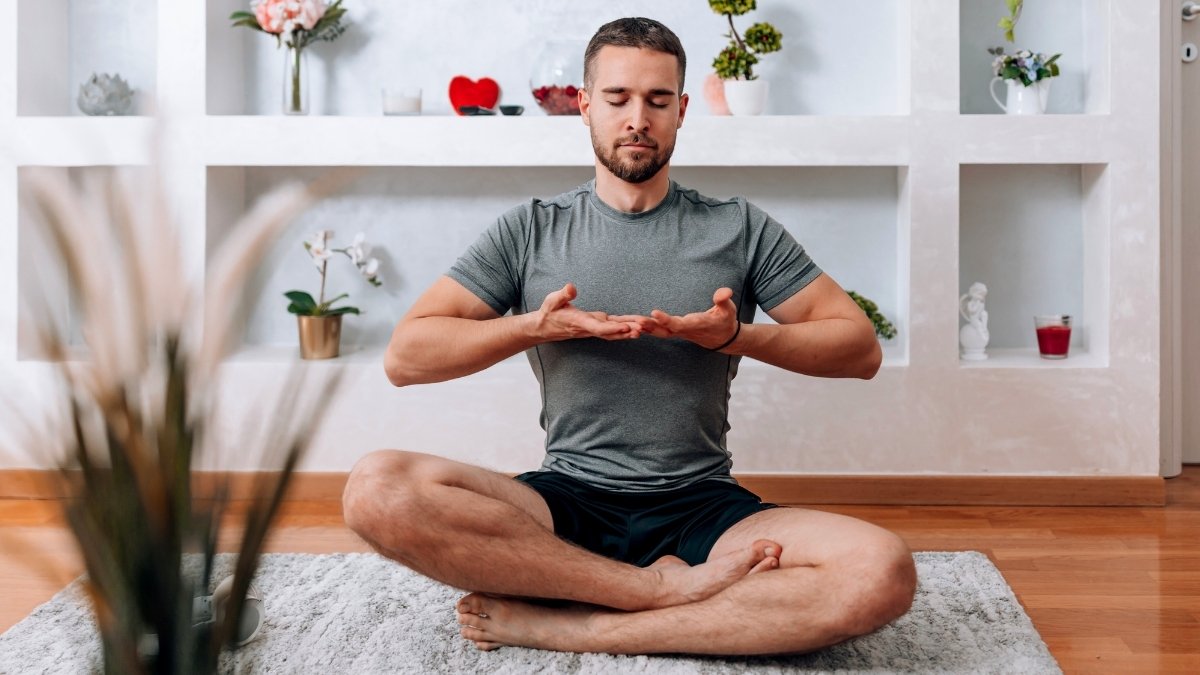
Stress keeps many people awake at night. It raises inflammation even if you eat well. Meditation helps by calming your stress response. And that lowers inflammation from the inside.
Mindfulness meditation inflammation drops because your brain reacts less to stress. Carnegie Mellon (2016) found meditation lowers IL-6 in stressed adults after four months.
The University of Wisconsin–Madison showed mindfulness works better than simple relaxation or exercise alone. Nature Scientific Reports (2020) also found meditation lowered CRP and gut inflammation markers.
Meditation works by changing brain connections. Your stress alarms quiet down. That helps your immune system settle.
David meditates 20 minutes every morning after waking. He focuses on breathing. He uses the Insight Timer app for support. He has done this for over two years. It is not perfect every day. But consistency matters most.
These meditation health benefits build slowly. Stick with it.
Quick Tips:
- Start with five minutes
- Focus on slow breathing
- Practice at the same time daily
Practice #8 – How Social Connection Protects You From Inflammation

You can eat clean and still feel off. Loneliness may be the reason. Social isolation health effects are stronger than most people think.
Being alone raises stress hormones. That lifts CRP, IL-6, and suPAR. The WHO (June 2025) says loneliness raises inflammation as much as being inactive. A 2024 multi-cohort study linked isolation to higher suPAR. Another study in Brain, Behavior, and Immunity (2024) showed early-life isolation raises inflammation years later.
Quality matters more than crowd size. Real talk beats small talk. Group activities help even more because they add purpose and movement.
David plans his week around people. He hikes with a group once a week. He volunteers twice weekly. He attends a book club monthly. He meets friends or family daily for coffee. That adds up to about eight hours a week.
Social connection health protects your body.
Quick Tips:
- Plan one weekly group activity
- Choose face-to-face time
- Keep connections simple and real
Practice #9 – How to Manage Stress Before It Turns Into Inflammation

You may feel tense all day without noticing. That steady pressure raises cortisol. Over time, chronic stress inflammation builds and keeps your body stuck in fight mode.
The goal is not a stress-free life. That is not real. What matters is how you respond. Small breaks spread through the day work better than one long fix.
These stress management techniques calm your nervous system again and again. Scripps Health (2024) explains that too much stress or too little movement triggers inflammation inside the body.
David uses simple habits. He meditates 20 minutes each morning. He takes a 15-minute nature walk in the afternoon. He journals 10 minutes at night to unload his thoughts. On weekends, he goes to yoga. When stress hits, he slows his breathing.
These tools help stress reduce inflammation without changing your whole life. They are easy and repeatable.
Quick Tips:
- Pause and breathe when tense
- Add short breaks to your day
- Write worries down at night
Practice #10 – How Omega-3s Lower Inflammation From the Inside
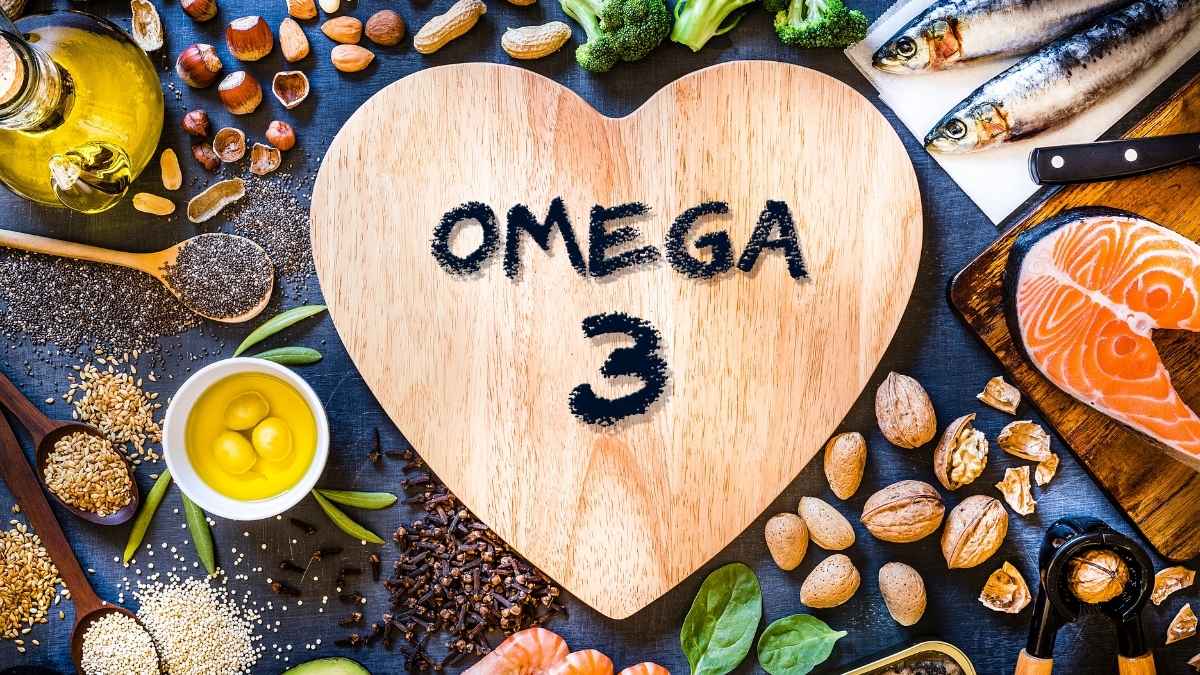
Even with a good diet, many people miss key fats. That keeps inflammation active. Omega-3s help fix this fast.
Omega-3 inflammation drops when you get enough EPA and DHA. These fats calm immune signals linked to heart and joint disease. Fish oil or algae-based supplements both work. Today.com (December 2024) calls fish oil the top supplement for inflammation. Many studies also show fish oil benefits for autoimmune conditions.
Quality matters. Poor oils go bad quickly. Choose products that are tested by a third party. Take them with food to help absorption.
David takes 2 grams daily. That includes 1,200 mg EPA and 800 mg DHA. He uses Nordic Naturals and takes it with his largest meal.
This omega-3 supplement supports results from diet and exercise.
Quick Tips:
- Check EPA and DHA amounts
- Take with meals
- Choose tested brands
Practice #11 – How Turmeric Lowers Inflammation Safely
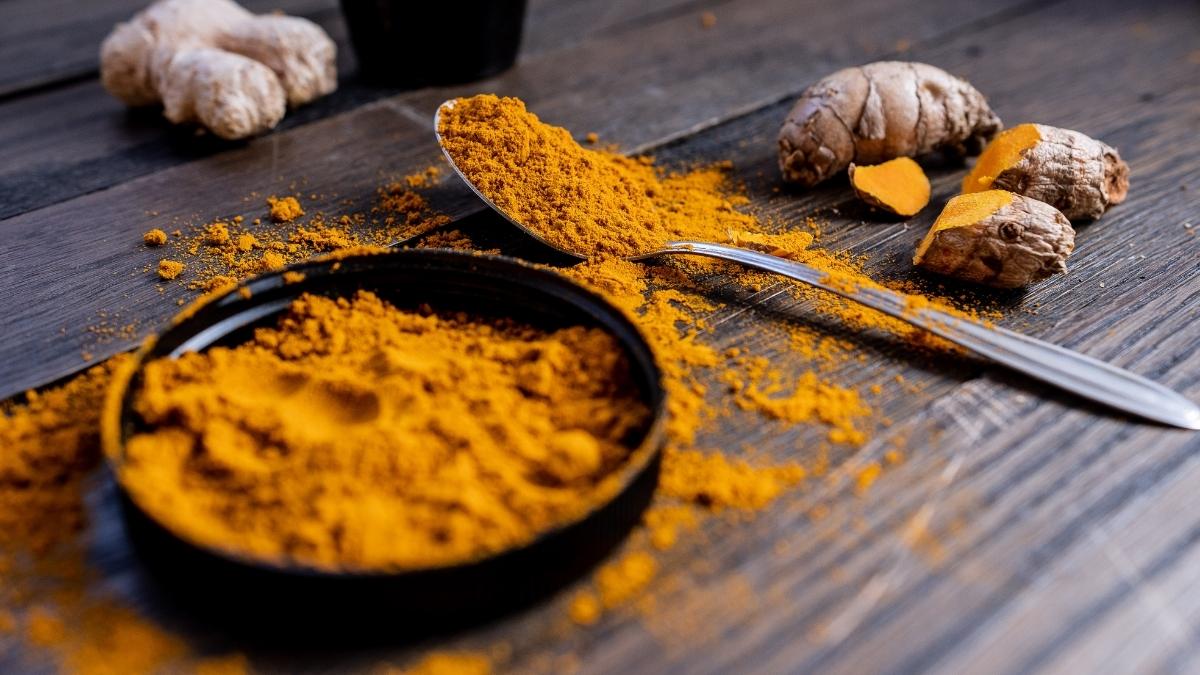
You may eat well and still feel sore or stiff. Some inflammation hides deep in the body. Turmeric helps calm it from the inside.
Curcumin is the active part of turmeric. It helps lower several inflammatory markers linked to joint pain and heart health. But curcumin is hard to absorb on its own. It needs black pepper, also called piperine, to work well. Without it, most of the dose is wasted. That matters if your goal is real results.
Studies show turmeric inflammation drops when taken daily with food. Doses between 500 and 1,000 mg work best for most people. Curcumin benefits build slowly, not overnight, so patience matters.
David takes 1,000 mg of turmeric extract each day. It contains 95% curcuminoids and black pepper. He splits the dose between morning and evening meals. This keeps levels steady.
A turmeric supplement works best with healthy habits, not alone.
Quick Tips:
- Check for black pepper on the label
- Take with meals
- Be consistent each day
Practice #12 – How Cutting Processed Foods Lowers Inflammation Fast

You may eat fruits and vegetables but still feel inflamed. Hidden sugars and processed foods are often the reason. They raise insulin and push inflammation higher all day.
Processed foods inflammation comes from refined carbs, trans fats, and processed meats. These foods digest fast and spike blood sugar. Sugar inflammation follows when insulin stays high. Over time, this stresses your immune system. Ohio State (2024) found that even with enough produce, high alcohol or red meat intake keeps a diet pro-inflammatory.
The fix is simple food choices. Focus on real foods you can recognize. Meat, fish, vegetables, fruit, beans, and grains should look like they came from nature. Labels should be short and clear.
David avoids packaged snacks. He reads every ingredient list. He meal preps on Sundays so busy days do not lead to bad choices. He follows a 90/10 rule, eating whole foods most of the time without aiming for perfection.
This change alone often drops CRP.
Quick Tips:
- Skip foods with long labels
- Reduce sugary drinks
- Prep meals ahead
Practice #13 – How Drinking More Water Reduces Inflammation

You may feel tired, achy, or foggy. Mild dehydration can drive inflammation without clear signs. Hydration health matters more than most people think.
Water helps your lymph system move waste out of the body. That includes inflammatory byproducts. When water intake is low, this cleanup slows. Water inflammation drops when fluids stay steady. A good baseline is half your body weight in ounces per day. You need more if you exercise or sweat.
David keeps hydration simple. He drinks two glasses when he wakes up. He has a glass before every meal. He carries a water bottle during workouts. He also drinks herbal teas, which count toward his total.
Small habits add up fast. Most people feel better within days.
Quick Tips:
- Drink water first thing
- Sip before meals
- Carry a bottle daily
Practice #14 – How Testing Your Blood Markers Keeps Inflammation in Check

You can feel better and still not know what is working. Guessing slows progress. Biomarker testing gives clear answers so you can adjust with confidence.
An inflammation test tracks what your body is doing inside. The key numbers to follow are CRP, hs-CRP, and IL-6. These markers rise with poor sleep, stress, and bad food choices. When habits improve, the numbers often fall. A simple CRP test can show change before symptoms improve.
David started with a full panel. That included CRP, hs-CRP, IL-6, glucose, and lipids. During his first year, he retested every three months. Once his numbers stabilized, he switched to every six months. He uses results to fine-tune sleep, diet, and training.
You can test through your doctor or services like Quest, LabCorp, InsideTracker, or WellnessFX. Costs range from $50 to $200.
Data keeps this process honest.
Quick Tips:
- Get baseline labs first
- Save results in one place
- Retest before changing plans
Conclusion:
David lowered his CRP from 2.8 to 0.3 mg/L in six months by stacking small habits. No single change did it alone. He started with a few practices, measured his progress, and stayed consistent. That matters more than being perfect.

Ready to reduce your inflammation levels? Start by choosing 3 practices from this list that resonate most with you. Schedule a baseline CRP test with your doctor, and commit to these practices for 90 days. Track your energy, pain levels, and mood daily. Retest at 3 months to see your progress.
These anti-inflammatory lifestyle practices aren’t just about living longer. They help you live better, with less pain, more energy, and lower risk of chronic disease.