

Your brain is aging right now, and most of the advice you have heard about slowing it down is years old.
That gap has a cost. Memory slips, slower thinking, and rising dementia risk tend to arrive quietly, long before anyone connects the dots.
The health discoveries of November 2026 matter because several point to levers you can actually reach: your coffee habit, your sleep, your weight, even your flu shot.
Here is the honest part. “Change aging science forever” is a big promise, and no single study delivers it.
What this month does offer is eight real findings, each with a number, a mechanism, and a caveat.
Some are human studies. One is a mouse study. One is a trial with a disappointing result.
Every one is explained below in plain language, so you can see what holds up, what is promising, and what still needs proof.
Before changing your diet, medications, or vaccine routine based on anything below, talk to your doctor, especially if you take medication or have a diagnosed condition.
Eight Health Discoveries of November 2026 and the Proof Behind Each
A quick note on timing. Several of these studies first appeared earlier in 2026 and surged back into headlines this month, so they are listed as what readers are talking about now.
For each one, you get the study type. A mouse result and a 131,000 person study are not the same kind of evidence.
1. Two to Three Cups of Coffee Linked to Lower Dementia Risk
A study in JAMA followed 131,821 nurses and health professionals for up to 43 years. During that time, 11,033 people developed dementia.
Those who drank two to three cups of caffeinated coffee a day had about 18% lower dementia risk than people who drank little or none. Tea drinkers did best at one to two cups, and drinking more did not add protection.

Researchers suspect caffeine and related plant compounds play a role, but this is an association, not proof. A cup in the study meant 8 ounces, and caffeine late in the day can steal the deep sleep your brain needs.
If you do not drink coffee, this is not a reason to start.
2. Extra Weight May Speed Up Brain Aging
University of Georgia researchers analyzed 24 years of data on more than 8,200 adults over age 50 from the Health and Retirement Study. Instead of relying on one weight reading, they tracked BMI trends over time.
Higher BMI over time was linked to faster declines in memory and executive function, which covers planning and focus. The link was strongest around year eight and most pronounced in people over 65.

Scientists think inflammation, reduced blood flow, and insulin resistance may be involved, but the exact pathway is still being worked out. The study does not prove weight causes the decline.
The authors do call BMI one of the more changeable risk factors for aging well. Steady, gradual weight management with your health care provider beats crash dieting.
3. A High Dose Flu Shot Linked to Lower Alzheimer’s Risk
Researchers at UTHealth Houston compared nearly 121,000 adults aged 65 and older who received a high dose flu vaccine with more than 44,000 who received the standard dose. The results appeared in Neurology.
The high-dose group had a significantly lower risk of Alzheimer’s disease compared with the standard-dose group. This association remained significant for up to 25 months after vaccination.
The effect appeared stronger in women. However, this was an observational study, so it does not prove that the higher-dose vaccine prevents Alzheimer’s disease.
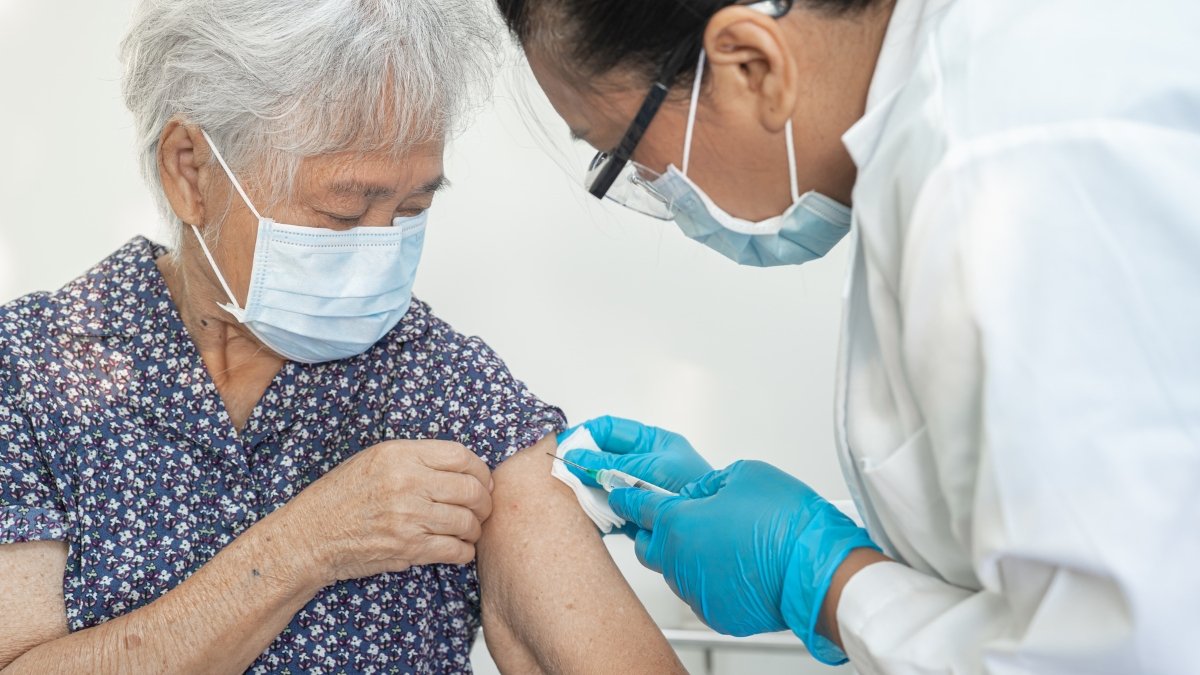
Flu vaccine components do not cross into the brain. So scientists suspect an indirect effect through the immune system and inflammation.
This was a records based study, and people who choose high dose shots may simply be healthier. Ask your doctor or pharmacist which version fits your age.
4. Osteoporosis Drugs May Lower Dementia Risk
A University of Hong Kong team studied 121,492 adults aged 60 and older with osteoporosis or a serious fracture. Those who started nitrogen containing bisphosphonates (a bone drug class that includes alendronate and zoledronate) had 16% lower risk of Alzheimer’s and related dementias than untreated patients.
Their risk was 24% lower than patients taking other osteoporosis medications. The team estimated that treating 48 people for five years might prevent one case of dementia.
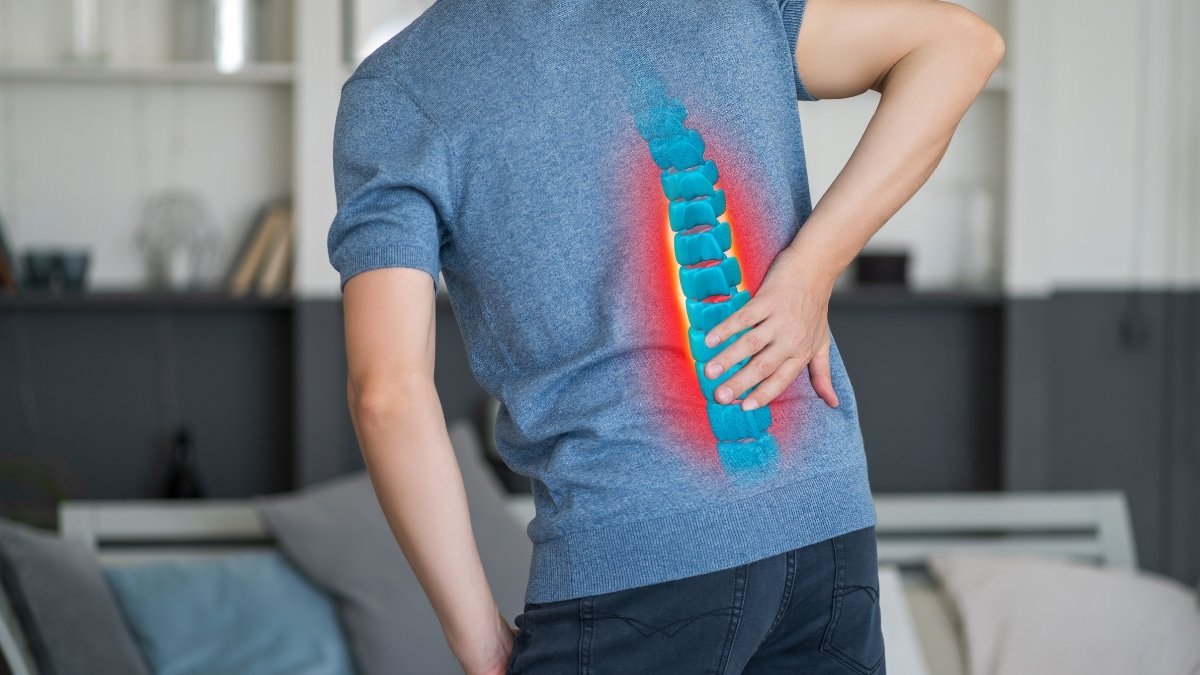
Researchers point to a possible “bone brain axis,” but the biology is unsettled. The study was observational, involved only a Chinese population, and had no baseline cognitive testing.
The authors say a clinical trial is needed and the results do not justify prescribing these drugs to prevent dementia. If you have osteoporosis, treating it still protects you from fractures.
The Big Numbers, Side by Side
Large-Scale Dementia & Lifestyle Studies Matrix
Population-scale epidemiological findings evaluating lifestyle, metabolic, and therapeutic factors against dementia risk.
131,821 adults (up to 43 years)
8,200+ adults over 50 (24 years)
~121,000 vs 44,000 adults (65+)
121,492 adults (60+)
All four are observational. They show patterns, not proof of cause.
5. Low Dose Rapamycin Boosted Brain Blood Flow in People at Genetic Risk
University of Missouri researchers gave 1 mg of rapamycin daily for four weeks to cognitively healthy adults aged 45 to 65. Rapamycin is an FDA approved drug normally used to prevent organ transplant rejection, and aging researchers study it because it blocks a nutrient sensing pathway called mTOR.
Brain blood flow rose in carriers of APOE4, the strongest known genetic risk factor for late onset Alzheimer’s, but not in people without it. Women with APOE4 showed the biggest improvement.
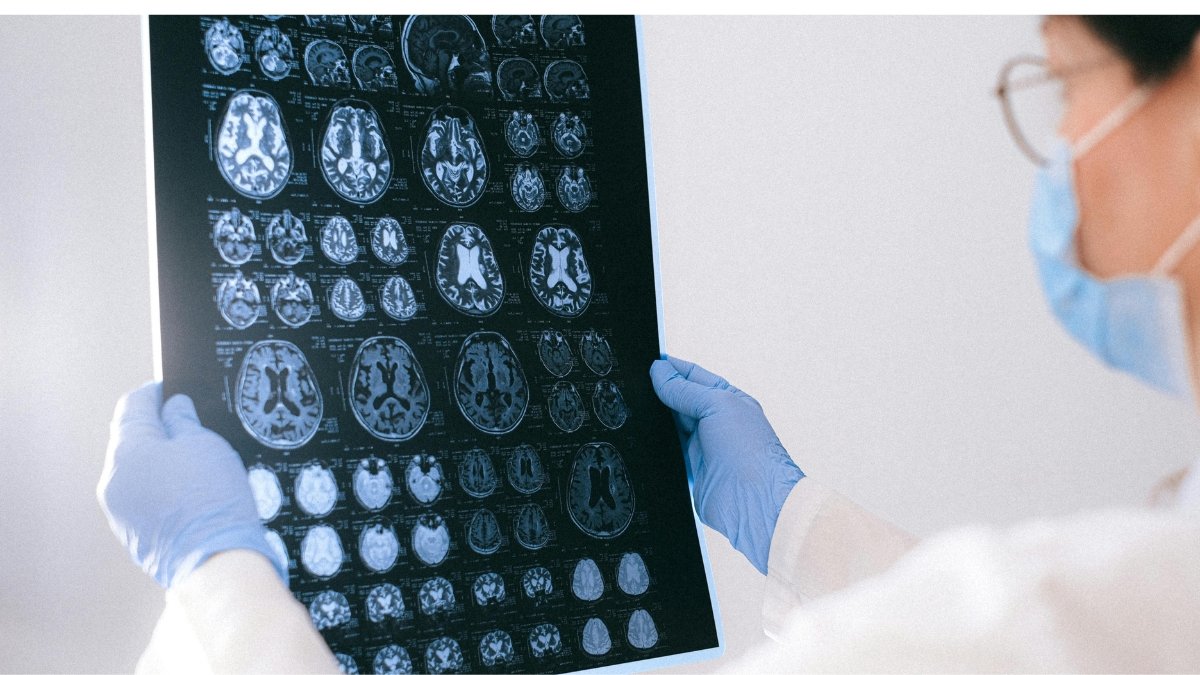
Reduced blood flow can appear years before memory problems, which is why this early window interests researchers.
This was a small, open label, single arm pilot with no placebo group. Rapamycin is a prescription drug with side effects such as mouth sores and rash, so this is not something to try on your own.
Everyone’s body responds differently, and doses used in studies are not personal advice. Check with your doctor before trying anything on this list if you have a condition or take medication.
6. “Lonely” Sleep Waves Tied to Tau and Memory Loss
UC Berkeley scientists studying deep sleep found that tau protein buildup in the frontal cortex was linked to more “lonely” slow waves. These are brain waves that stay isolated instead of traveling across the brain. The work appeared in Nature Neuroscience.
Slow waves in deep sleep help the brain lock in memories. People with more lonely waves tended to have poorer memory, and researchers compared healthy adults in their early 20s with adults between their mid 60s and mid 70s.

The lead author said tau and lonely waves rise together over time, but nobody yet knows which comes first.
Protect your deep sleep anyway. Sleep researchers commonly suggest a steady schedule, regular exercise, less late day caffeine, and fewer screens before bed.
7. A Small Molecule Boosts DNA Repair and Extends Lifespan in Mice
DNA damage builds up with age and drives premature aging disorders. A study in Nature Communications reported that a small molecule activating a protein called KIF2C improved repair of double strand DNA breaks in aged cells.

The same compound extended lifespan in progeria mice, a model of accelerated aging.
This is early lab science. It involves cells and mice, and the progeria model is not the same as normal human aging.
There is nothing to do with this one today. It shows where the field is heading: repairing the damage that drives aging, not just treating the diseases that follow.
8. Hearing Aids Did Not Stop Dementia in a New Trial, and That Matters
The CHOICE randomized trial, highlighted in a neurology research roundup for November, tested hearing intervention in older adults with mild cognitive impairment and hearing loss. The goal was to reduce progression to dementia level impairment.
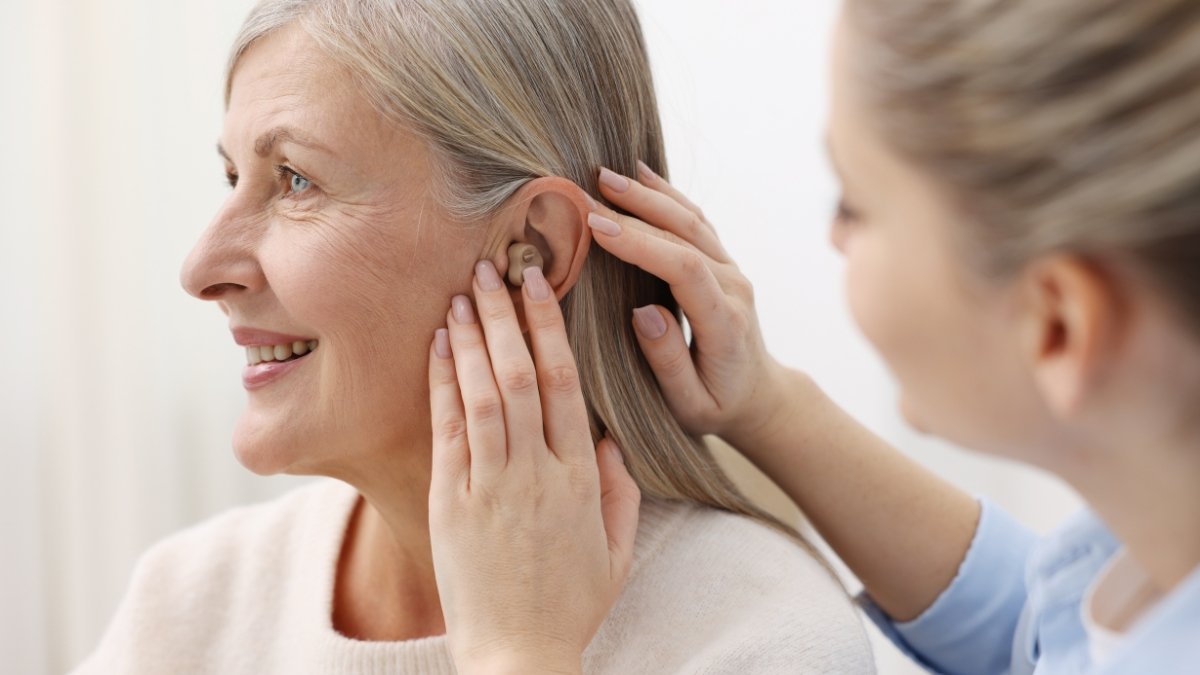
At 24 months, it did not significantly reduce that progression. A prespecified secondary analysis did show a higher rate of cognitive improvement with hearing intervention.
Honest null results are how science corrects hype. Hearing loss treatment still helps you hear and communicate, but this trial says not to expect hearing aids alone to prevent dementia.
What Is Safe To Act On, and What Needs More Proof
Reasonable Actions vs. Wait for Stronger Proof
Separating evidence-backed lifestyle protocols from premature therapeutics and unverified clinical claims.
Moderate coffee or tea if you already enjoy it
Starting rapamycin for brain health
Protecting deep sleep hygiene
Taking bone drugs solely to prevent dementia
Asking about high-dose flu shot at 65 or older
Expecting a KIF2C-style drug in humans
Steady weight management and a hearing check
Expecting hearing aids alone to prevent dementia
The Daily Habits That Actually Matter
Try This Today
- Keep coffee to two or three 8 ounce cups, and stop caffeine early enough that it does not cut into your sleep.
- Set a fixed bedtime and wake time to protect deep sleep.
- Ask your doctor or pharmacist which flu vaccine is right for your age.
- Book a hearing check if you often ask people to repeat themselves.
- Aim for slow, steady weight management with your health care provider.
When To See A Doctor
- Memory loss that disrupts daily life, such as missing appointments or repeating the same questions.
- Getting lost in familiar places or struggling to follow a conversation.
- Family or friends raising concerns about changes in your thinking.
- Sudden confusion, trouble speaking, or weakness on one side of the body. Call emergency services right away.
The Pattern Hiding Behind All Eight
No single finding here changes aging science forever. Most are observational, one is a tiny pilot, one is a mouse study, and one is a trial that did not hit its main target.
But the themes repeat: sleep quality, immune health, blood flow to the brain,

DNA repair, hearing, and body weight. Those are the threads researchers keep pulling.
The smartest move is to act on the simple, low risk ones now and let the rest earn your trust with better trials.