Redefine Your Fitness After 50: Trainer Reveal 6 Best Longevity Boosting Exercises for Seniors Health Fitness
Turning 50 doesn’t mean slowing down — it’s the perfect time to train smarter so you move better, live longer, and feel stronger. The right longevity boosting exercises for seniors can help you stay independent, protect your joints, and keep your energy high for years to come.
The challenge? Many people over 50 aren’t sure which exercises for seniors actually improve long-term health. Some worry about injury or joint pain. Others waste time on workouts that don’t build real strength, balance, or endurance. That frustration often leads to giving up before real progress shows.
This guide clears the confusion. You’ll learn a trainer’s top 6 moves proven to boost mobility, balance, and strength. Each one includes step-by-step cues, safe progressions, and simple ways to fit them into your week. You’ll also get a practical 6-week program that blends walking, strength, and recovery so you can train with confidence.
If you’ve been searching for clear advice on senior fitness after 50, this is your starting point. By the end, you’ll know how to exercise smarter—not harder—for lasting health and independence.
Why Longevity Boosting Exercises for Seniors Matter
Getting older changes your body in ways you can feel every day. After 50, most people start losing muscle at a rate of about 1–2% each year.
Your heart and lungs also become less efficient, which makes it harder to keep up with activities you once enjoyed. On top of that, balance and coordination decline, raising the risk of falls.

Here’s the good news: movement can slow many of these changes. Regular exercise has been shown to cut the risk of early death by up to 30%. Strength work builds muscle so you stay strong for daily tasks like climbing stairs or carrying groceries.
Aerobic exercise keeps your heart and lungs healthy, while balance drills reduce fall risk. Flexibility and mobility work help your joints move freely.
The real secret is combining these parts. Strength, cardio, balance, and mobility all play a role in keeping you active and independent. That’s why the best longevity boosting exercises for seniors go beyond a single type of workout.
If you want lasting energy, fewer doctor visits, and the confidence to keep living life on your terms, senior fitness after 50 needs to cover all four areas of training. These exercises for seniors make that possible.
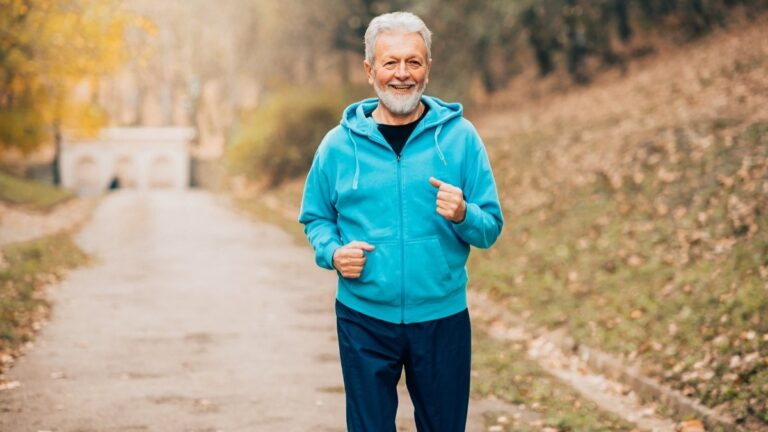
1. Brisk Interval Walking (Aerobic Conditioning)
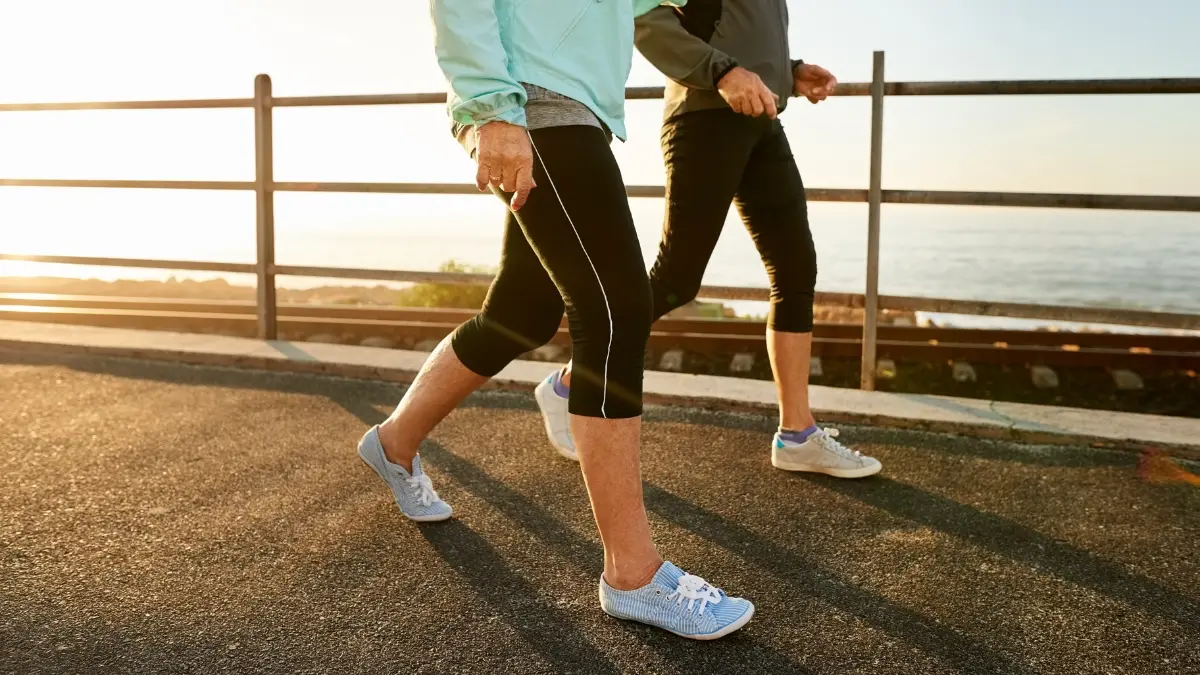
Purpose: Builds heart and lung health, supports brain function, and improves energy.
How to do it:
- Start with a 5-minute easy walk.
- Pick up the pace for 1–2 minutes (you should breathe harder but still talk).
- Slow down for 2 minutes.
- Repeat the cycle 6–10 times.
- End with a 5-minute cool down.
Progression: Add time to the brisk intervals or walk on small hills.
Sets/Reps & Frequency: 20–30 minutes total, 3–5 days per week.
Safety cues: Wear proper shoes, walk on flat ground first, and stop if you feel chest pain or dizziness.
Real-world example: A study showed that walking briskly for 30 minutes, 5 days a week, lowers risk of early death by about 30%. For you, that might mean keeping up with your grandkids without needing long breaks.
Keywords: longevity boosting exercises for seniors, exercises for seniors
2. Goblet Squat or Sit-to-Stand (Functional Strength)
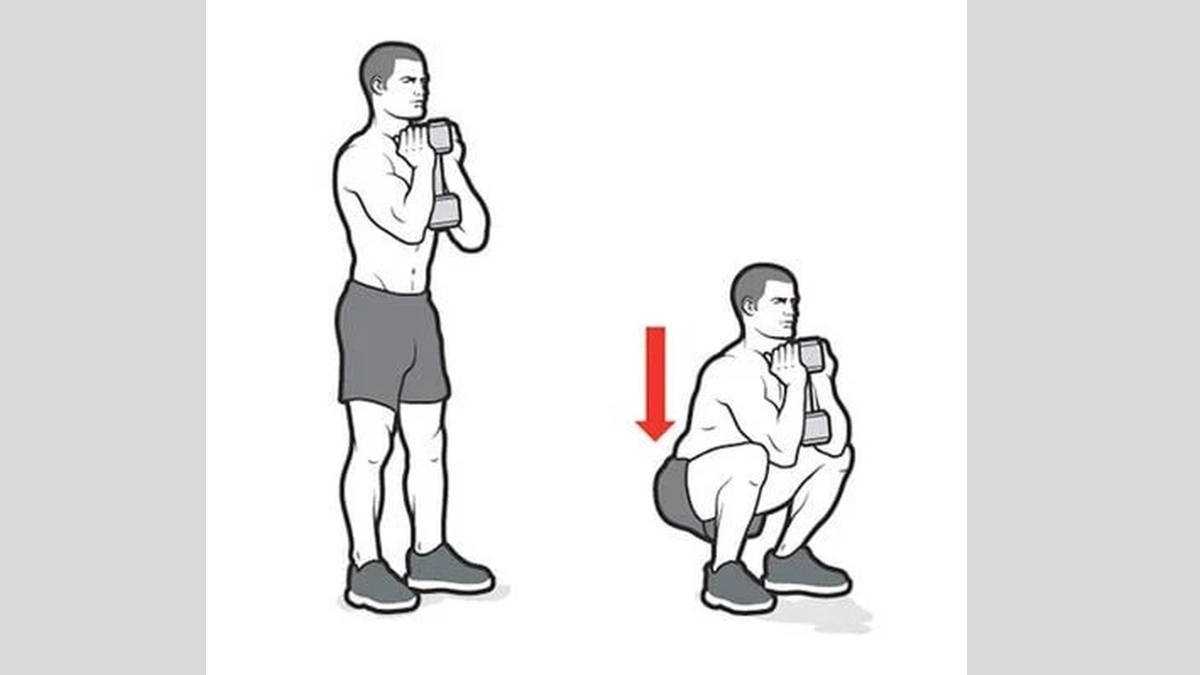
Purpose: Builds leg strength and bone health. Helps you get up from chairs and toilets without help.
How to do it:
- Stand in front of a sturdy chair.
- Keep your chest up and feet hip-width apart.
- Push your hips back and bend your knees.
- Sit down lightly, then press through your heels to stand.
- Once easy, hold a light dumbbell or water jug at your chest for a goblet squat.
Regressions/Progressions:
- Use a taller chair if it’s too hard.
- Add a band around the knees for control.
- Progress to a split squat (one foot back).
Sets/Reps & Frequency: 2–4 sets of 6–12 reps, 2–3 days per week.
Safety cues: Keep knees lined with toes, avoid rounding your back, and breathe out as you stand.
Real-world example: Many seniors notice they can stand up from the couch without pushing on the armrest after a few weeks. That small change makes a huge difference in independence.
Keywords: senior fitness after 50, best exercises after 50
3. Resistance Band Row + Band Deadlift (Posterior Chain Strength)
Purpose: Most seniors develop rounded shoulders and weak backs over time. This exercise builds the muscles that keep you upright, protect your spine, and give you power for daily tasks like lifting groceries or standing tall.
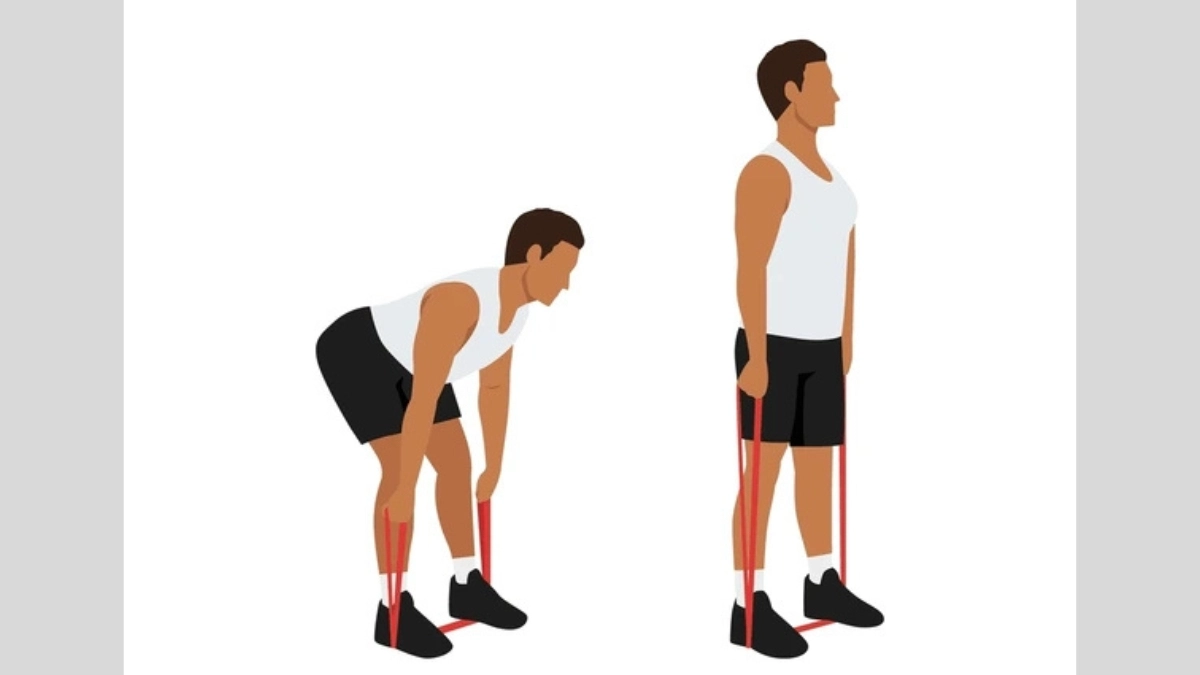
How to do it:
- Anchor a resistance band to a doorknob or sturdy pole.
- Stand with feet hip-width apart.
- Hinge at your hips, keeping a soft bend in your knees.
- Hold the band handles, squeeze your shoulder blades back, and pull toward your ribs (row).
- For the deadlift, step on the band, grab both ends, hinge at the hips, then stand tall by driving your hips forward.
- Lower slowly with control.
Sets/Reps: 2–3 sets of 8–15 reps.
Safety cues: Keep your spine neutral, avoid shrugging, and always squeeze your shoulder blades before pulling.
Real-world example: After a few weeks of practice, many people notice better posture and less low back tension while standing or cooking.
Keywords: exercises for seniors, longevity boosting exercises for seniors
4. Single-Leg Balance Reach (Balance & Proprioception)
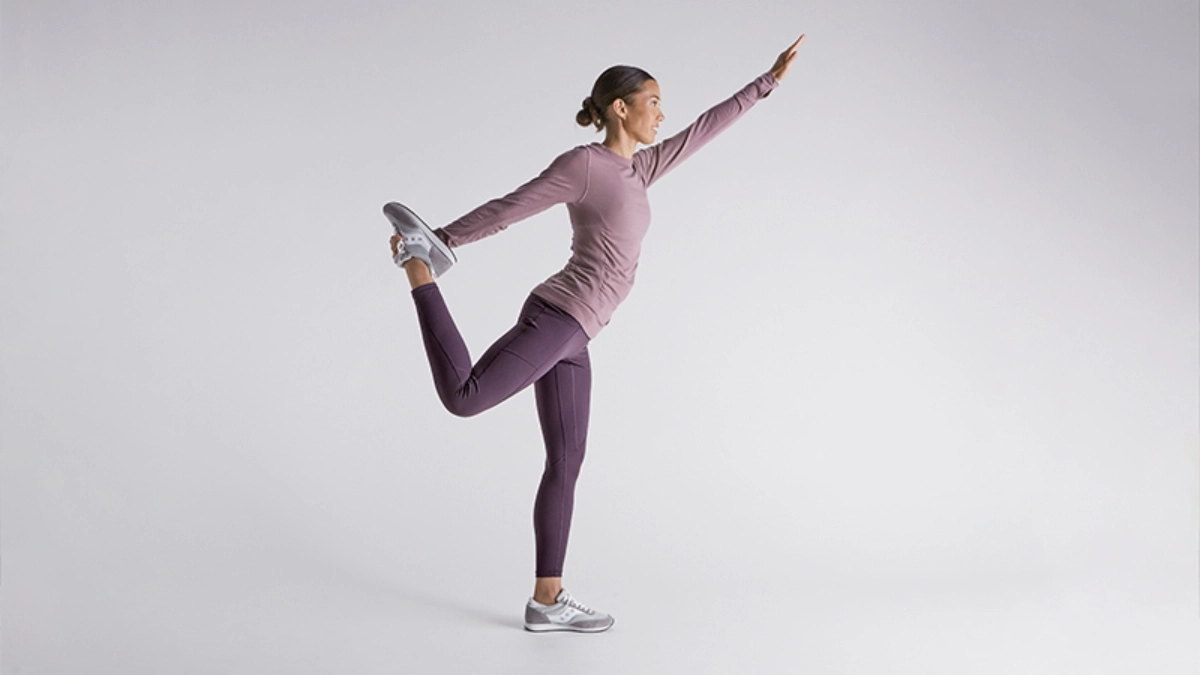
Purpose: Falls are the leading cause of injury in older adults. This exercise trains the ankles, knees, and hips to work together, lowering your risk of falling.
How to do it:
- Stand near a counter or sturdy chair for support.
- Shift your weight onto one leg.
- Slowly lift the other foot and reach forward with the opposite hand.
- Hold the position 10–30 seconds, then switch sides.
Progression: Try closing your eyes, or add a brain task like counting backward by threes.
Frequency: Do 3 short sets every day.
Statistic to include: Studies show that balance training can cut fall risk by up to 25%.
Safety cues: Always practice near support. If you feel wobbly, touch the counter lightly.
Real-world example: Practicing this move makes walking on uneven ground—like grass or gravel—much safer.
Keywords: exercises for seniors, longevity boosting exercises for seniors
5. Hip Bridges / Modified Romanian Deadlift (Hip Strength & Mobility)
Purpose: Strong glutes and hamstrings help you climb stairs, walk faster, and prevent hip and knee pain. This exercise trains those muscles while keeping the spine safe.
How to do it (Hip Bridge):
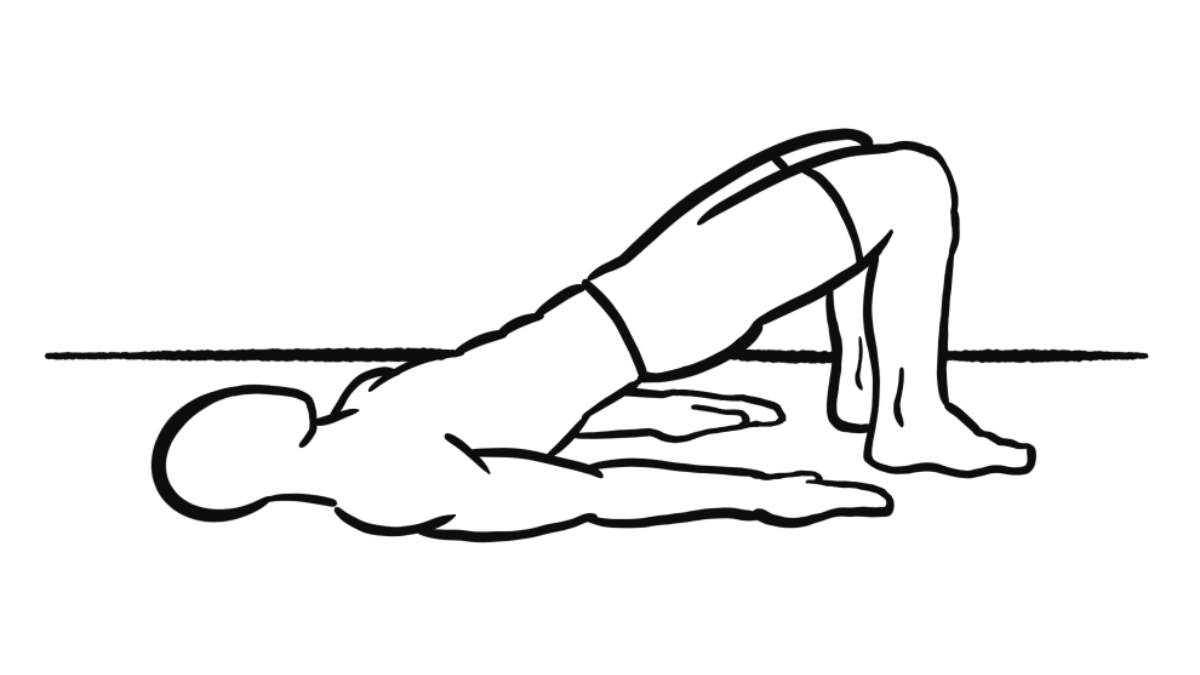
- Lie on your back with knees bent and feet flat.
- Press your heels into the floor.
- Squeeze your glutes and lift your hips until your body forms a straight line from shoulders to knees.
- Hold 1–2 seconds, then lower slowly.
How to do it (Modified Deadlift):
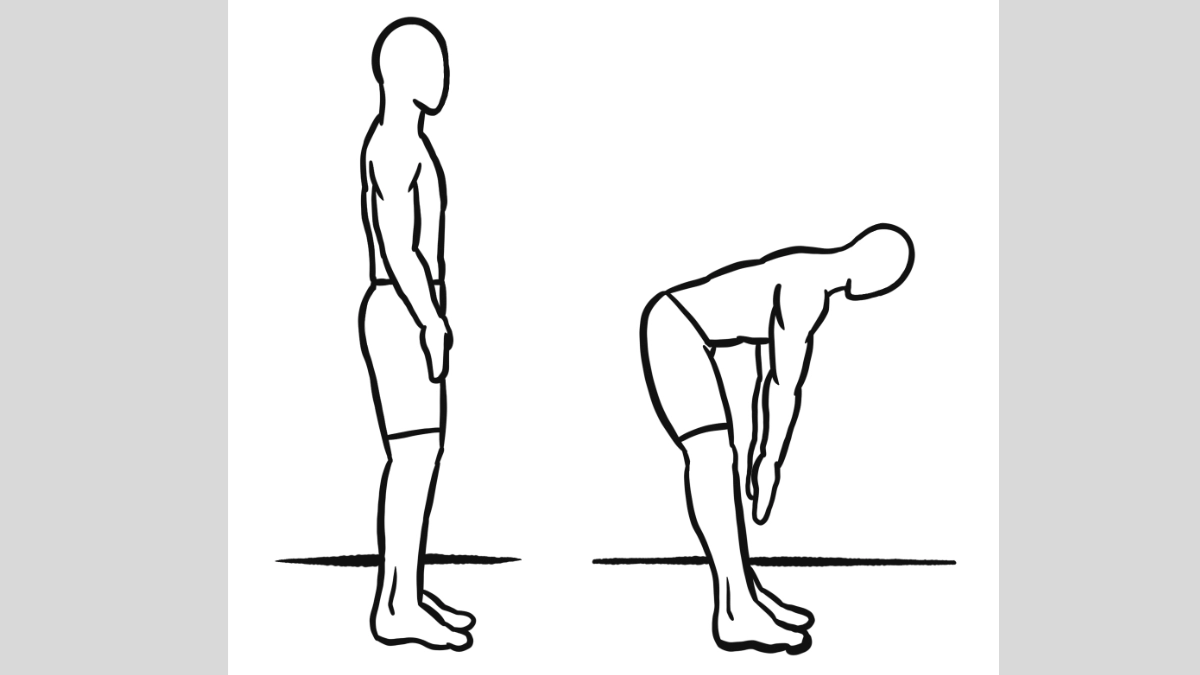
- Hold a light kettlebell or dumbbell in both hands.
- Stand tall with feet shoulder-width apart.
- Push your hips back, keep a flat back, and lower the weight to mid-shin.
- Squeeze your glutes and return to standing.
Sets/Reps: 3 sets of 8–15 reps.
Safety cues: Don’t overextend your lower back. Keep your core engaged and move slowly.
Real-world example: Many seniors notice less strain climbing stairs or standing from the floor after adding this move.
Keywords: senior fitness after 50
6. Dead-Bug / Bird-Dog + Farmer Carry (Core & Grip Strength)
Purpose: A strong core keeps you steady and protects your back. The farmer carry also trains grip, which is a proven marker of longevity. Together, these moves make carrying groceries, standing tall, and even opening jars easier.
How to do it (Dead-Bug):
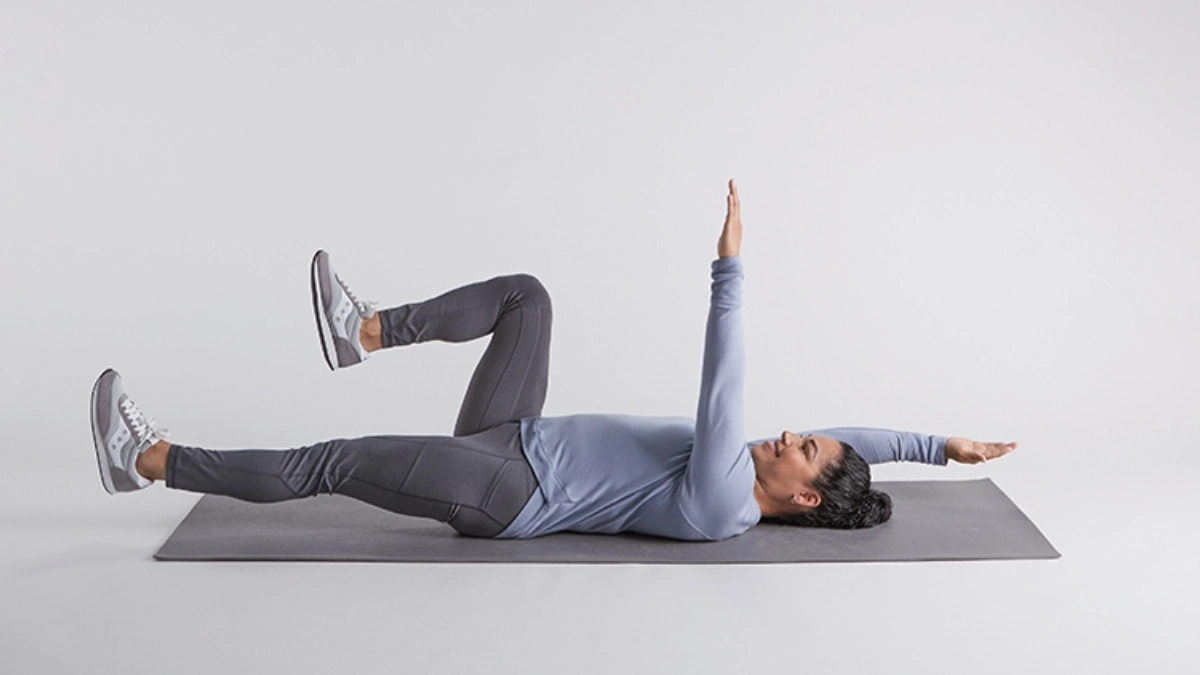
- Lie on your back with arms straight up and knees bent at 90 degrees.
- Lower your right arm and left leg slowly while keeping your back flat.
- Return to start, then switch sides.
- Move with control and breathe steadily.
How to do it (Bird-Dog):
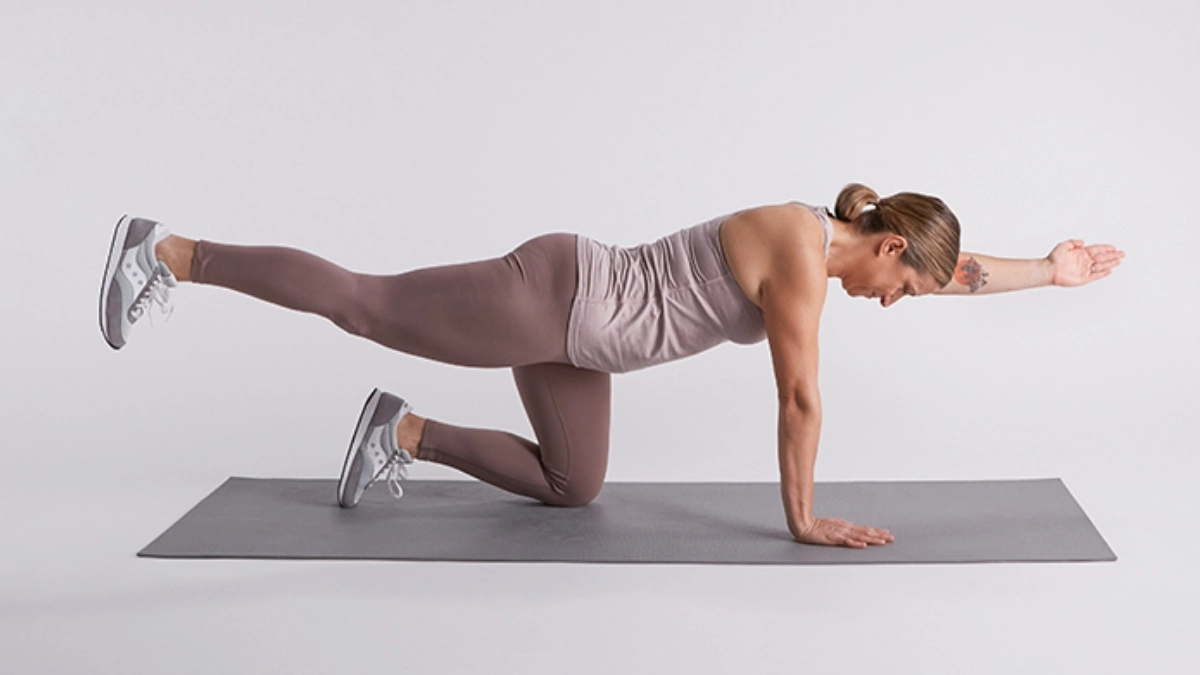
- Start on hands and knees.
- Extend your right arm forward and left leg back.
- Hold for 2–3 seconds, then switch sides.
How to do it (Farmer Carry):
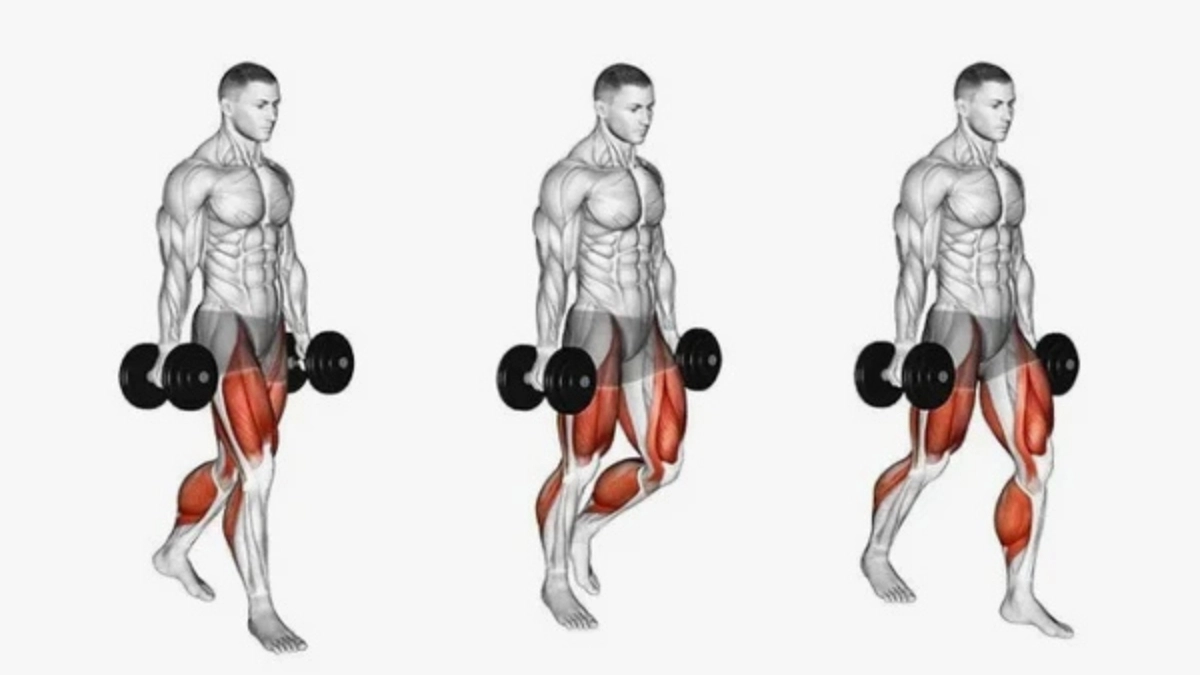
- Hold a pair of light dumbbells or grocery bags at your sides.
- Stand tall and walk 30–60 seconds.
- Rest, then repeat.
Progression: Increase weight slowly or extend your walk time.
Sets/Reps: Dead-bug or bird-dog: 8–12 reps per side. Farmer carry: 3–4 walks of 30–60 seconds.
Safety cues: Keep your spine neutral. Don’t hold your breath. Choose a weight that challenges grip but doesn’t strain shoulders.
Real-world example: Seniors often report feeling steadier when carrying laundry baskets or bags of food after practicing these exercises.
Keywords: best exercises after 50, exercises for seniors
Sample 6-Week Progression Program (Practical Plan)
Starting slow and building up is the safest way to get results. Think of this as a roadmap. The focus in weeks 1–2 is learning form. Keep effort at RPE 4–6 (moderate). Do strength twice per week and walk three times.
By weeks 3–4, your body adapts. Add a few more reps, another set, or push the brisk walking intervals a little harder. Still keep good form.
In weeks 5–6, increase the challenge. Add one more strength day or carry a little more weight. You’ll notice daily tasks feel easier by this point.
Sample weekly plan:
- Mon: Strength A (squats, rows, core) – 30 min
- Tue: Brisk walk intervals – 20–30 min
- Thu: Strength B (hip bridge, balance, carries) – 30 min
- Sat: Long steady walk or light cross-training (bike, swim) – 30–40 min
- Other days: 5–10 min mobility routine
This schedule blends cardio, balance, and strength—the full package of longevity boosting exercises for seniors. Stick with it and you’ll see the benefits of senior fitness after 50 in just six weeks.
Quick Mobility & Recovery Routine (5–10 minutes)
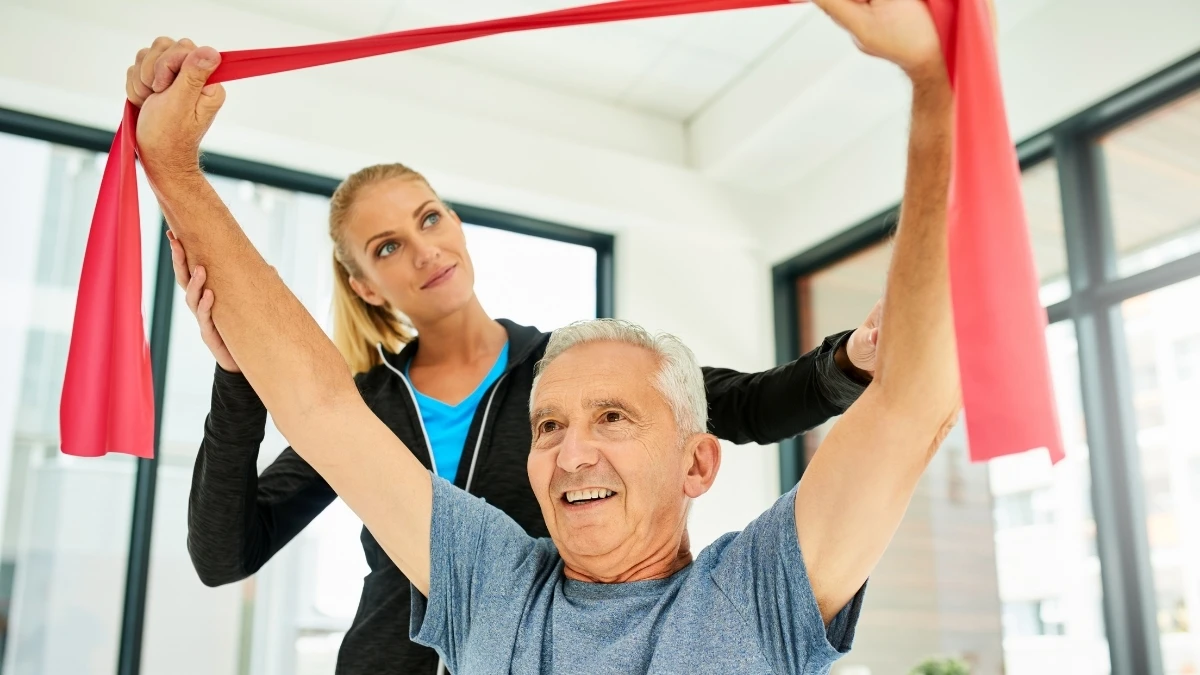
Strong workouts need smart recovery. A simple mobility routine helps joints stay loose and muscles recover faster.
Do this daily:
- Ankle circles – 10 each side
- Hip openers – slow knee lifts and outward circles
- Thoracic twist – seated or standing, rotate gently side to side
- Cat-cow stretch – on hands and knees, round and arch the spine
- Deep breathing – 5 slow breaths, in through the nose, out through the mouth
Sleep is just as important. Aim for 7–9 hours most nights. For soreness, light walking, heat, or gentle foam rolling works better than total rest.
This quick plan keeps your exercises for seniors safer, helps you recover faster, and supports long-term progress.
Conclusion:
Staying active after 50 is about more than exercise—it’s about independence. The best plan includes all the key parts: aerobic walking for heart health, strength work like squats, rows, and hip bridges, balance training, and core stability moves such as carries. Together, these keep your body strong, steady, and ready for daily life.

Safety and slow progression matter most. Start with good form, build gradually, and follow the 6-week plan as a simple guide. Small steps add up fast.
If you’re ready, try the program now. You can also download a quick guide or book time with a certified trainer for support. And remember: consult your doctor before beginning any new exercise program.
Start these longevity boosting exercises for seniors today to build strength, confidence, and lasting health.