If you do these 5 Things Every Day, you have a Strong Heart in the Earth. If not, you need to fix it.

Heart disease is still the number one cause of death in many countries. In the United States alone, about 695,000 people die each year from it. That is roughly 1 in 5 deaths.
You may feel fine today. But high blood pressure, poor diet, and stress can quietly damage your heart for years. Most people ignore small daily habits that slowly hurt their cardiovascular health.
Here’s the good news. You can build a strong heart with simple daily habits. You will learn how a heart-healthy diet, daily exercise, better sleep, stress management, and other smart choices help prevent heart disease. These are practical steps. You can start today.
Point One: How to Build a Strong Heart with a Heart-Healthy Diet
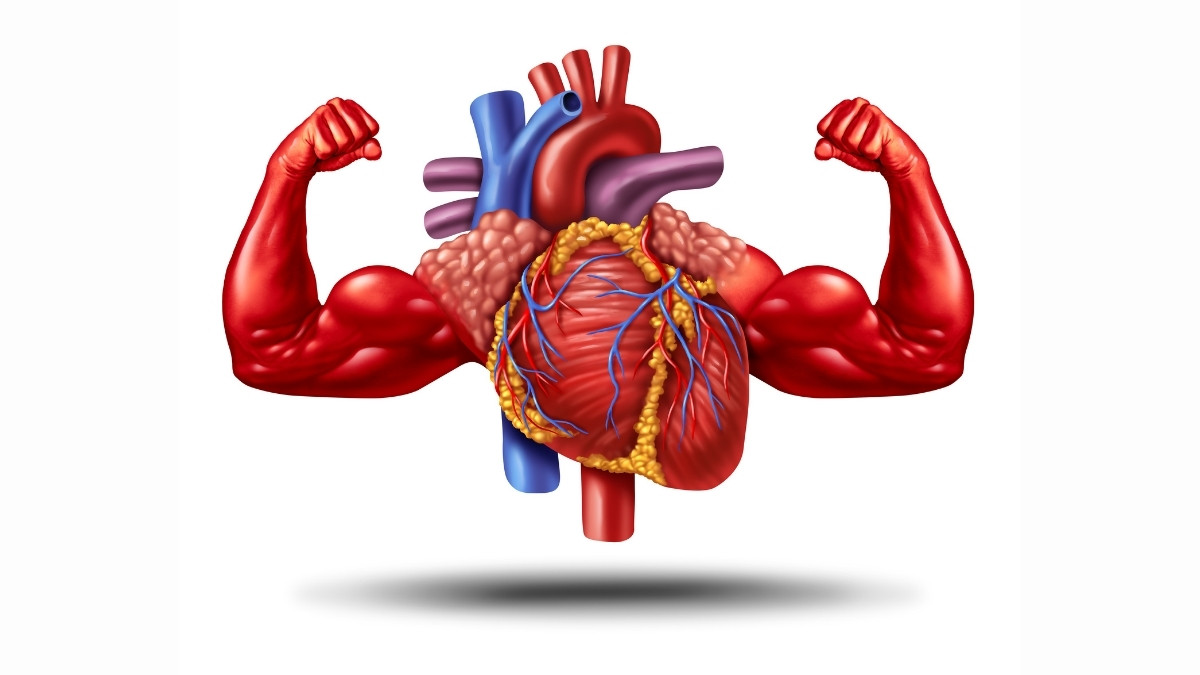
What you eat every day shapes your heart health. Food can protect your arteries. Or it can slowly clog them.
Start with fruits and vegetables. Fill half your plate with them. Add whole grains like oats and brown rice. Choose lean proteins such as beans, lentils, fish, and skinless chicken. These foods are high in fiber. Fiber helps lower cholesterol and supports healthy blood pressure.
Limit saturated fat. Keep it under about 6% of your daily calories. Cut back on butter, fatty red meat, and fried food. Use olive oil, nuts, and seeds instead. These fats are better for your heart.
Reduce sodium and added sugar. Too much salt raises blood pressure. Too much sugar increases weight and diabetes risk. Try herbs, lemon, and spices for flavor.
The Mediterranean and DASH diets follow these rules. They are proven to reduce heart disease risk. Small food swaps each day build a strong heart over time.
Point Two: How Daily Exercise Protects Your Cardiovascular Health

Your heart is a muscle. It gets stronger when you use it. Daily exercise keeps it powerful and efficient.
Aim for at least 150 minutes of moderate activity each week. That’s about 30 minutes a day, five days a week. Brisk walking, cycling, and swimming all count. Add strength training twice a week. This supports muscle and blood sugar control.
You don’t need a gym. Take the stairs. Walk during phone calls. Do housework with energy. These small actions improve circulation and reduce sitting time.
Long hours of sitting slow blood flow. Stand or walk for a few minutes every hour. Even short breaks help.
Regular physical activity lowers blood pressure. It improves cholesterol levels. It also helps manage weight. When you stay active, you lower your risk of heart attack, heart failure, and stroke. Movement is one of the strongest tools to prevent heart disease.
Point Three: How 7–9 Hours of Sleep Strengthens Your Heart

Sleep is not lazy time. It is repair time for your body. Your heart and blood vessels rest and recover while you sleep.
Most adults need 7 to 9 hours each night. Less than 7 hours increases the risk of hypertension and weight gain. Poor sleep raises stress hormones. That keeps your blood pressure high.
Go to bed and wake up at the same time every day. Yes, even on weekends. Keep your room dark and cool. Avoid screens at least 30 minutes before bed. Try reading or deep breathing instead.
Irregular sleep patterns confuse your body clock. That can strain your cardiovascular system.
If you snore loudly or wake up tired often, talk to a doctor. Sleep apnea is common and affects heart health.
Good sleep supports a strong heart. It helps your daily exercise work better. It also improves mood and focus.
Point Four: How to Control Stress Before It Hurts Your Heart

Stress is part of life. But constant stress harms your heart health. It raises blood pressure and increases inflammation.
When you feel stressed, your body releases stress hormones. These hormones make your heart beat faster. Over time, that damages blood vessels.
Practice stress management daily. Spend five minutes on deep breathing. Inhale slowly for four seconds. Exhale slowly for four seconds. Repeat. You can also try meditation, light yoga, or a quiet walk.
Stay connected to people. Talk to friends. Spend time with family. Social support lowers stress levels.
Work on a positive attitude. Gratitude and optimism are linked to lower heart disease risk. Avoid coping habits like smoking or overeating.
You cannot remove all stress. But you can control how you respond. Calm habits protect your cardiovascular health and help you build a strong heart.
Point Five: Why Quitting Smoking and Alcohol Saves Your Heart

Smoking damages your blood vessels. It causes plaque to build inside arteries. This raises heart disease risk fast.
Even a few cigarettes a day increase cardiovascular risk by about 50%. There is no safe level of smoking. Secondhand smoke also harms your heart.
If you smoke, seek help. Use quit lines, counseling, or support groups. Replace the habit with walking, chewing sugar-free gum, or deep breathing. Quitting improves circulation within weeks.
Alcohol should also be quit. Alcohol raises blood pressure and triglycerides.
Removing tobacco and alcohol are powerful steps. They reduce heart disease risk quickly and protect your long-term heart health.
Point Six: How Staying Hydrated Supports Heart Function

Water helps your blood move smoothly. When you are dehydrated, blood becomes thicker. Your heart must work harder.
Drink water throughout the day. Start your morning with one glass. Carry a bottle with you. Drink more during exercise or hot weather.
Good hydration supports circulation. Research links proper water intake with lower heart failure risk.
Avoid sugary drinks. Limit high-caffeine beverages. Water is best.
This is simple. But it matters. Proper hydration reduces strain on your cardiovascular system and supports a strong heart every day.
Point Seven: How to Monitor Blood Pressure and Other Risk Factors

High blood pressure is called a silent killer. You may feel normal while damage happens inside your arteries.
Check your blood pressure regularly. Use a home monitor or visit a clinic. Keep track of your numbers. Normal blood pressure is usually around 120/80 mmHg.
Know your cholesterol and blood sugar levels. Excess weight around your waist also increases heart disease risk.
Schedule routine health screenings. Follow your doctor’s advice if numbers are high. Adjust your diet and daily exercise plan when needed.
When you know your numbers, you stay in control. Early action prevents serious problems later.
Point Eight: How to Reduce Sitting and Stay Active All Day

Sitting for long hours slows blood flow. It increases the risk of heart disease, even if you exercise daily.
Set a timer to stand every 30 to 60 minutes. Stretch. Walk around your room. March in place for one minute.
Use a standing desk if possible. Park farther from the store. Take short walking meetings. Small movements add up.
Research shows that people who move often during the day have lower risk of heart attack and stroke.
Daily exercise is important. But staying active all day builds an even stronger heart.
Conclusion,

A strong heart is built by daily habits. Eat a heart-healthy diet. Stay active. Sleep well. Manage stress. Avoid tobacco. Stay hydrated and monitor your numbers.
Start with one habit today. Add a short walk or one extra serving of vegetables. Small steps prevent heart disease and improve heart health over time.