

Waking up stiffer than you did last year is not just something to shrug off as getting older. It is often a sign of a slow, quiet process called inflammaging, and it can be reshaping your joints, arteries, and even your memory without a single obvious symptom.
Left alone, this kind of chronic low grade inflammation has been tied to heart disease, joint pain, and cognitive decline, the kind of decline that sneaks up on people who felt perfectly fine a year earlier. The good news is that five ordinary foods, eaten on a regular weekly rhythm, have real research behind their ability to turn that inflammation down.
Before making any changes based on this article, talk to your doctor, especially if you are currently taking medication or have a diagnosed condition.
Inflammation itself is not the enemy. It is how the body responds to injury or infection, and in short bursts it is exactly what keeps a cut from getting infected or a sprained ankle from getting worse. The problem shows up when that response never fully switches off.
Researchers call this pattern inflammaging, a low grade, ongoing state of inflammation that becomes more common with age and has been linked to nearly every major chronic disease, from heart disease to Alzheimer’s.
The five foods below were not chosen because they are trendy. Each one has a specific, documented mechanism behind why it calms inflammation, not just a vague “it’s healthy” reputation.
1. Fatty Fish (Salmon, Sardines, Mackerel): Nature’s Reset Button
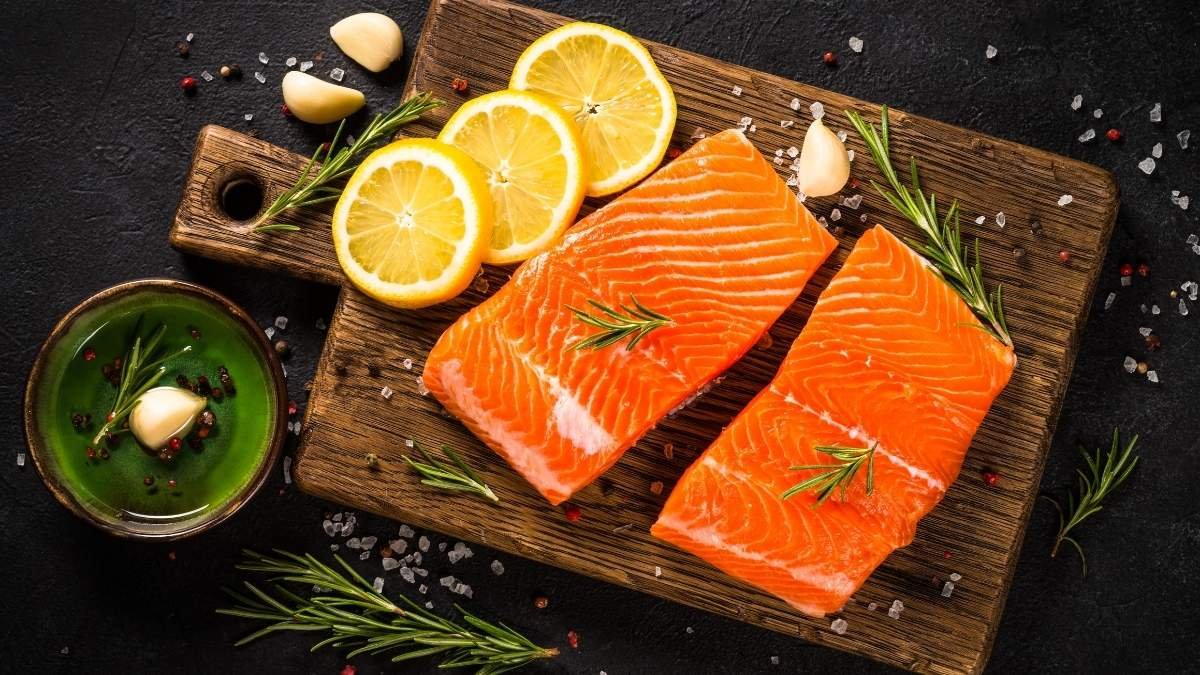
Fatty fish are rich in two omega 3 fatty acids called EPA and DHA, and these are not just passive nutrients. The body converts them into compounds called resolvins and protectins, molecules whose entire job is to actively resolve inflammation rather than simply blocking it.
Research has repeatedly linked regular fatty fish consumption to lower levels of C reactive protein, a blood marker doctors use to measure inflammation throughout the body.
Lower CRP has been associated with reduced risk of the plaque buildup that narrows blood vessels over time.
The American Heart Association recommends two servings of fatty fish a week, roughly 3.5 ounces cooked per serving. Canned salmon or sardines count, and they are an easy, budget friendly way to hit that target without extra prep.
2. Berries: Tiny Fruit, Big Anti Inflammatory Punch
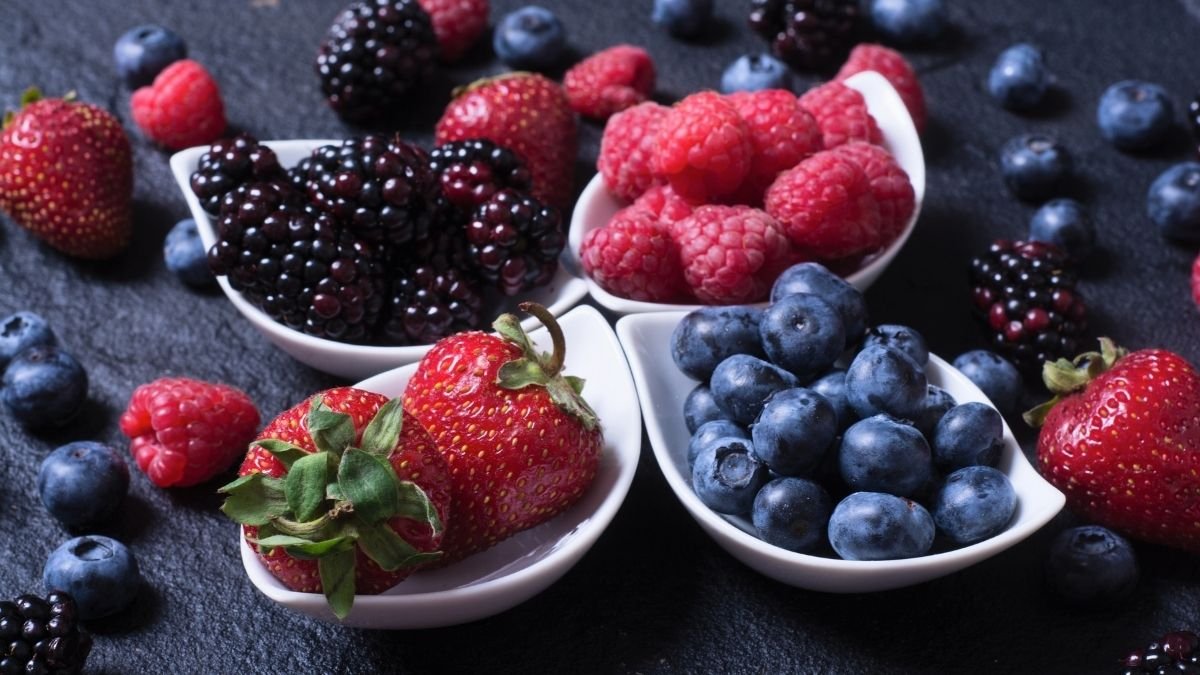
Blueberries, blackberries, raspberries, and strawberries owe their deep color to phytochemicals called anthocyanins. These compounds have a direct anti inflammatory effect at the cellular level, not just a general antioxidant boost.
Anthocyanins have been associated with lower risks of heart disease, cognitive decline, and diabetes in people who eat berries regularly.
The effect appears to come from how these pigments interact with the same inflammatory pathways involved in artery and brain aging.
Aim for about one cup, three to four times a week. Frozen berries hold onto most of their anthocyanin content, so they are a completely reasonable substitute when fresh is out of season or budget is a concern.
3. Walnuts: The Snack With Two Years Of Proof Behind It
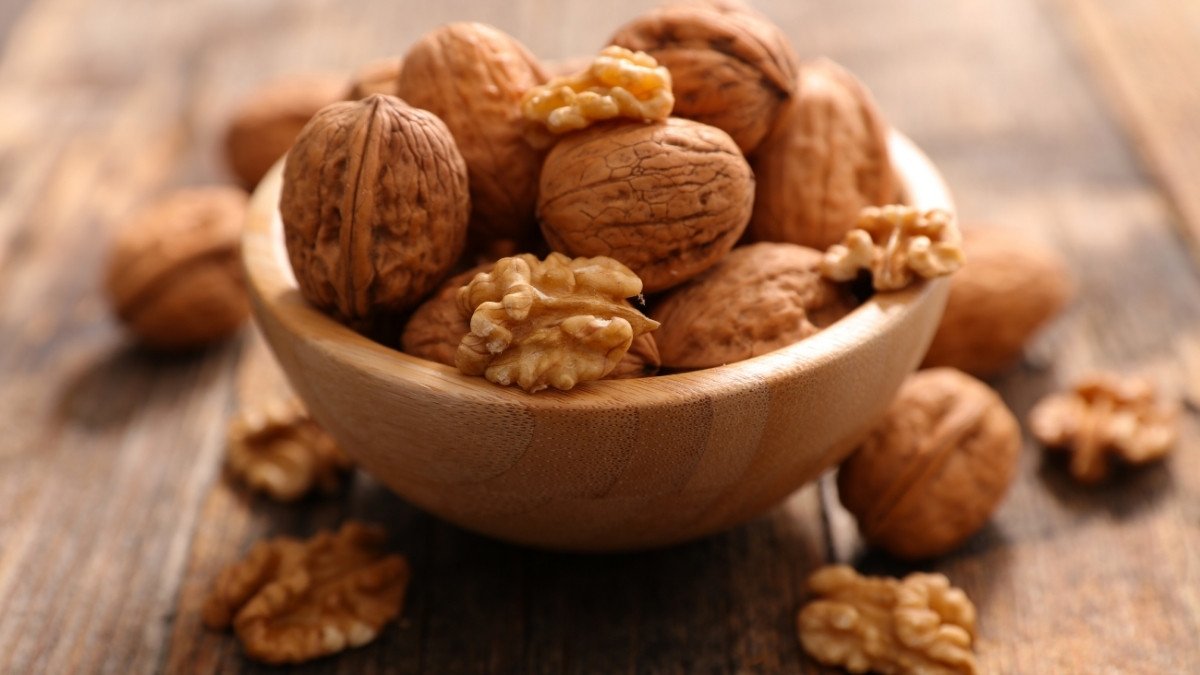
Walnuts stand out among nuts because of their unusually high content of alpha linolenic acid, a plant based omega 3, along with a distinct mix of polyphenols. Together, these compounds appear to be behind walnuts’ measurable anti inflammatory effect.
A two year study of more than 600 healthy older adults in Barcelona and Loma Linda, published in the Journal of the American College of Cardiology, found that daily walnut consumption reduced circulating inflammatory markers by up to 11.5 percent. Six of ten tracked markers dropped significantly, including interleukin 1 beta, a cytokine closely tied to coronary heart disease risk.
Everyone’s body responds differently, so check with your doctor before trying this if you have an existing condition or take medication, particularly if you already take a blood thinner, since walnuts and fish oil can have a mild blood thinning effect at higher daily intake.
A handful, about one ounce or around 14 walnut halves, eaten daily is the amount used in most of the supporting research. Stirred into oatmeal or eaten plain as a snack both work.
The Nutritional Arsenal
Key longevity foods, their active scientific compounds, and the optimal frequencies to consume them.
Fatty Fish
Berries
Walnuts
Extra Virgin Olive Oil
Leafy Greens
4. Extra Virgin Olive Oil: The Kitchen Staple That Acts Like A Mild Ibuprofen
In 2005, researchers discovered a compound in freshly pressed extra virgin olive oil called oleocanthal. What made it notable was that oleocanthal inhibits the same COX enzymes that ibuprofen targets, the enzymes directly involved in the body’s inflammatory pathway.
The effect is mild compared to an actual dose of medication, but it is real and it is cumulative with regular use.
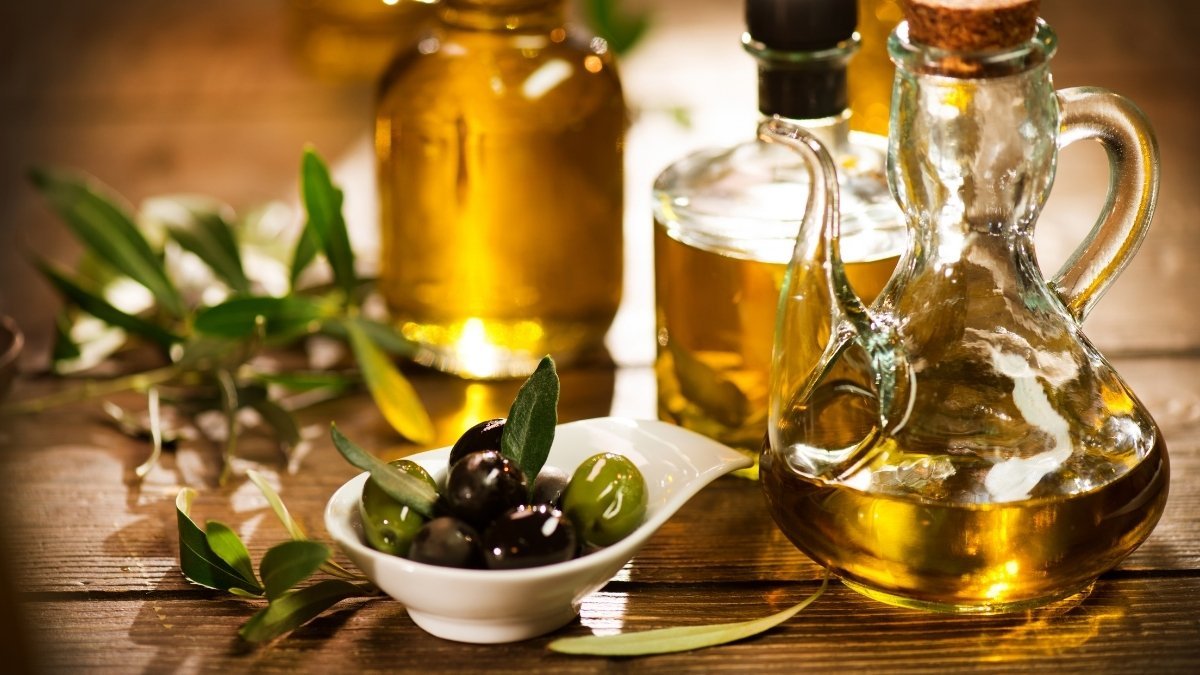
Roughly four tablespoons a day has been estimated to provide an anti inflammatory effect comparable to about ten percent of a standard adult ibuprofen dose, which adds up meaningfully over months and years of consistent use.
Using extra virgin olive oil as your main cooking and salad oil, around two to three tablespoons daily, is a realistic target. Refined or “light” olive oils lose most of their oleocanthal during processing, so the label matters here.
5. Leafy Greens: The Daily Defense Most Seniors Skip
Spinach, kale, arugula, and chard are dense sources of vitamin K, carotenoids, and vitamin C, three nutrients that work as antioxidants. Antioxidants neutralize free radicals, the unstable molecules that would otherwise trigger the cellular damage that keeps inflammation cycling.
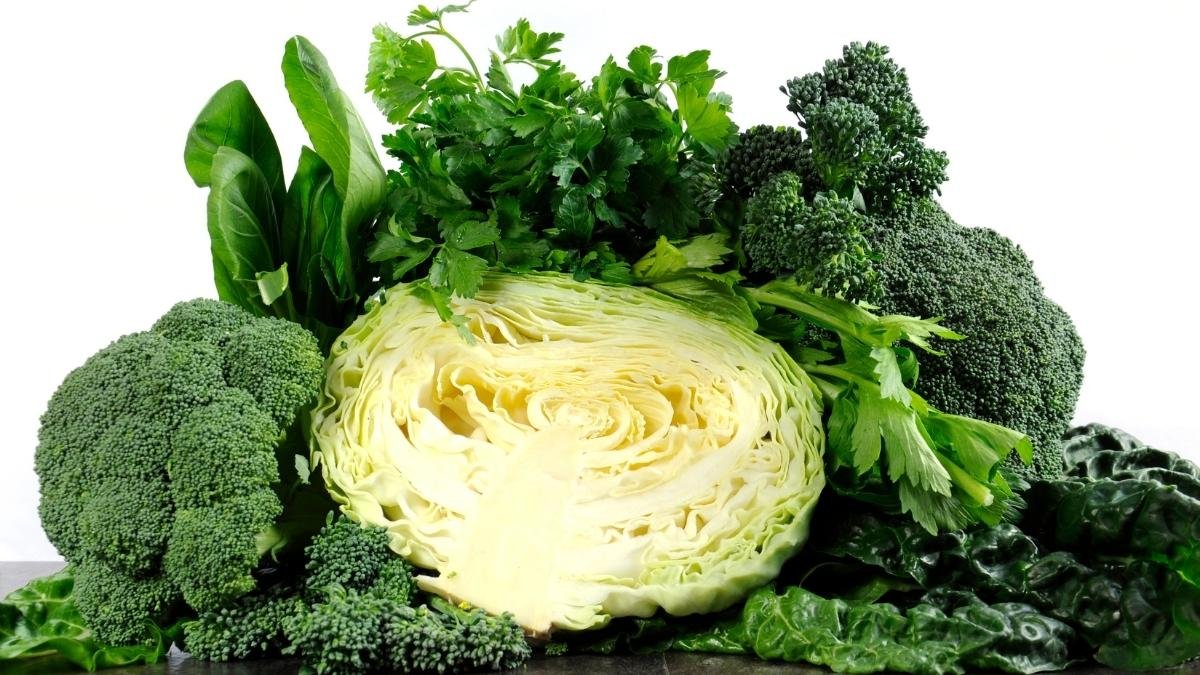
Leafy greens are also one of the easiest wins on this list because they require no special sourcing or planning, just a habit of adding them somewhere in the day. Rotating varieties spreads out the nutrient mix rather than relying on one green alone.
Aim for at least one cup raw, or about half a cup cooked, daily. Tossed into eggs, blended into a smoothie, or wilted into a soup, the preparation matters far less than the consistency.
When Inflammation Needs More Than A Grocery List
Diet changes work best as prevention and support, not as treatment for symptoms already underway. Bring these to a doctor rather than trying to eat your way through them.
- Joint swelling, redness, or warmth that does not ease up after a few days
- Fatigue or a low grade fever that lingers for weeks without explanation
- Unintentional weight loss alongside ongoing joint or muscle pain
- Pain that is new, one sided, or getting worse rather than staying steady
Try This Today
- Add one serving of fatty fish to lunch or dinner at least twice this week
- Keep a bag of walnuts on the counter, not in the pantry, so they get eaten
- Swap whatever oil is currently on the stove for extra virgin olive oil
- Add a handful of spinach or kale to one meal today, even a smoothie counts
- Keep frozen berries stocked for weeks when fresh is not practical
Dietary Swaps for Longevity
Small, sustainable upgrades to your daily plate that compound into massive long-term health benefits.
Fried foods and heavily processed snacks.
Extra virgin olive oil for cooking and dressing.
Sugary cereal or pastries for breakfast.
Oatmeal topped with fresh berries and walnuts.
Red or processed meat most nights of the week.
Nutrient-dense fatty fish two nights a week.
A dinner plate with little to no vegetables.
A cup of leafy greens added to at least one meal.
Bottom Line,
None of these five foods work like a switch that flips overnight. What the research consistently shows is a cumulative effect, weeks and months of steady inclusion rather than a single perfect meal.

Picking even two or three of these to build into a weekly rhythm is a realistic starting point, and the habit tip box above is meant to make that easier rather than turning grocery shopping into a project.