

Most strength programs are built on the wrong foundation. They fill the hour with machines, curls, and cable moves, while the few lifts that train your whole body get squeezed in at the end, when you are already tired.
Muscle loss can begin around age 30 and may run about 3 to 5 percent per decade in people who stay inactive, which quietly chips away at balance, metabolism, and independence. Four compound exercises can change that, and using them well is simpler than the gym makes it look. piedmontroar
Before making changes based on this article, talk to your doctor, especially if you take medication or have a heart, blood pressure, back, or joint condition.
Why Compound Exercises Beat Most Gym Routines
A compound exercise uses more than one joint and trains several muscles at once, unlike an isolation move such as a biceps curl. One squat trains your legs, glutes, and trunk together. findyouredge
Public health guidance asks for that kind of coverage. The CDC says adults should strengthen all major muscle groups (legs, hips, back, abdomen, chest, shoulders, and arms) on 2 or more days a week, using about 8 to 12 repetitions per set. delaware
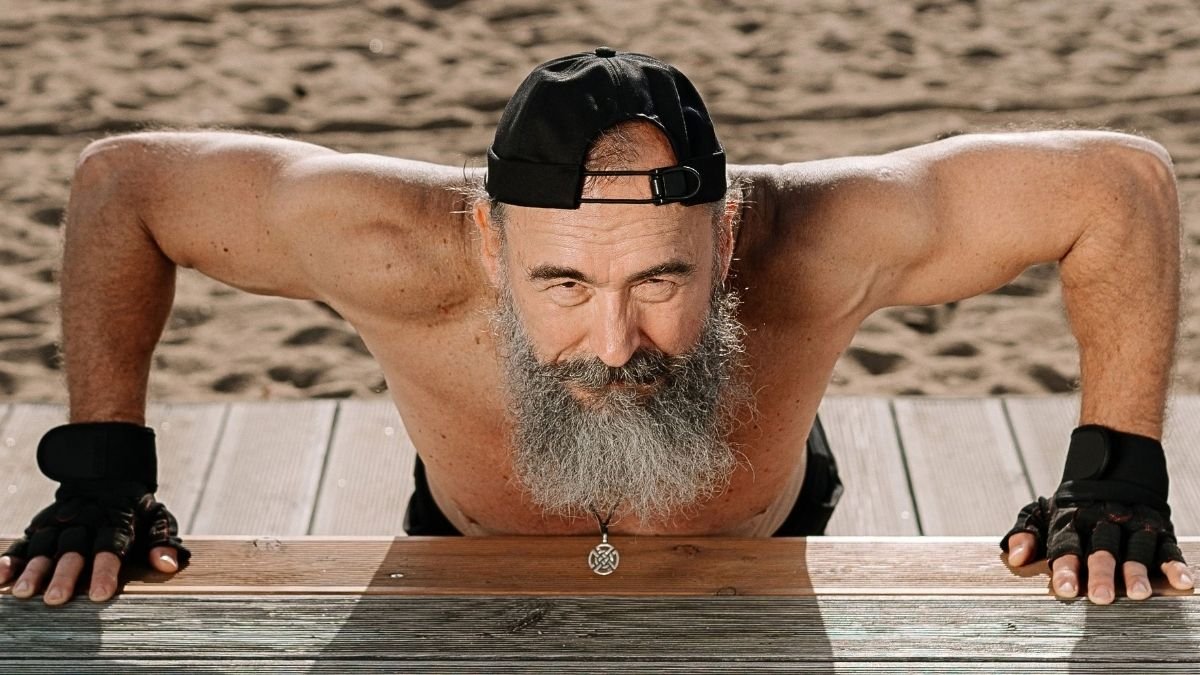
Four well chosen lifts can cover that list without a two hour gym session.
The research backs the payoff. A 2022 review of 16 studies linked muscle strengthening to a 10 to 17 percent lower risk of dying from any cause and of developing heart disease, cancer, and diabetes, with the biggest gains at roughly 30 to 60 minutes a week. Combining it with aerobic exercise looked even better. mcknightsseniorlivingphysioupdate
These were observational studies, so they show an association, not proof.
Your bones benefit too. Mayo Clinic notes that strength training stresses bone in a helpful way, which can raise bone density and lower osteoporosis risk, while better muscle helps balance and may reduce falls. amerikanhastanesi
Here is the part most lists skip. Stop thinking in muscle names and think in movement patterns: a squat, a hinge, a horizontal push, and a vertical push. Get those four strong and you have covered most of what your body does all day.
The Big Four at a Glance
Each lift trains a different pattern, which is why the four work as a set.
The Big Four
Four foundational barbell lifts — the pattern they train, the muscles they hit, and an easier way in.
Squat
Knee & Hip BendEasier StartGoblet squat to a box
Deadlift
Hip HingeEasier StartKettlebell or trap bar deadlift
Bench Press
Horizontal PushEasier StartDumbbell press or push-up
Overhead Press
Vertical PushEasier StartSeated dumbbell press
1. Squat: The Lift Your Legs Use Every Time You Stand Up
The squat trains the exact motion you repeat when you rise from a chair or a car seat. It bends the hips, knees, and ankles together while the legs, glutes, and core keep you steady. findyouredge
Bar position gets too much attention. Research summaries suggest the quads and glutes work hard in high bar, low bar, and front squats alike, and bar placement mainly changes leverage. Pick the version you can control. mennohenselmans
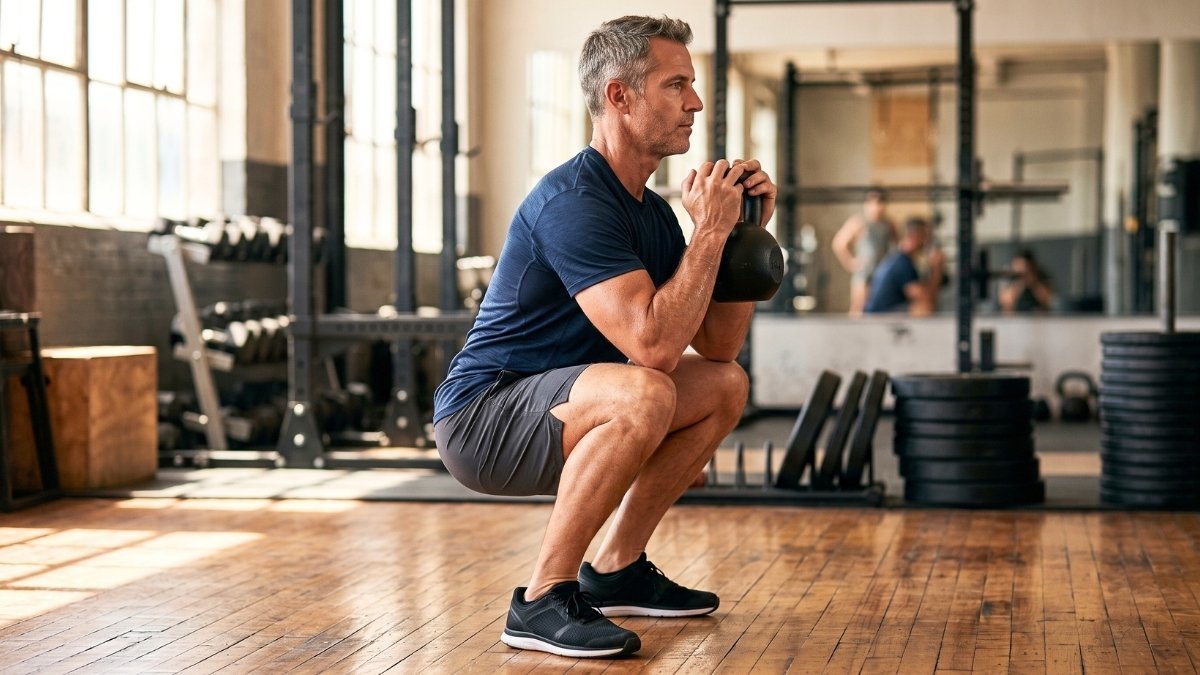
Knees are the big worry, and the worry is mostly outdated. One review of 15 studies found that 14 showed no harm to knee joint health from deep squats. Kneecap pressure peaks around 90 degrees of knee bend, so cutting the squat short is not automatically gentler. t3mennohenselmans
Depth still has to fit your body. Go only as low as you can while your spine stays steady and your heels stay down.
How to do it
- Set your feet about shoulder width apart with your toes turned out slightly.
- Breathe in, brace your midsection, and sit down between your hips.
- Keep your whole foot on the floor and your knees tracking in line with your toes.
- Drive up through the floor and exhale on the way up.
Beginner version: a goblet squat, holding one dumbbell at your chest, or a squat down to a box or bench. Start with 2 sets of 8 reps at a weight that leaves a few reps in reserve.
2. Deadlift: The Lift That Teaches Your Back to Be Strong
The deadlift is a hip hinge. You fold at the hips, keep your spine firm, and stand up with a weight from the floor. An exercise physiologist at the Hospital for Special Surgery calls the hinge a foundational part of human movement. hss
Done well, it works the glutes, quads, hamstrings, and core. It also loads the muscles along the spine and helps the glutes and hips become the main movers, which takes strain off the back. Your grip gets a workout too, since you have to hold on. > Skip repeated content +2
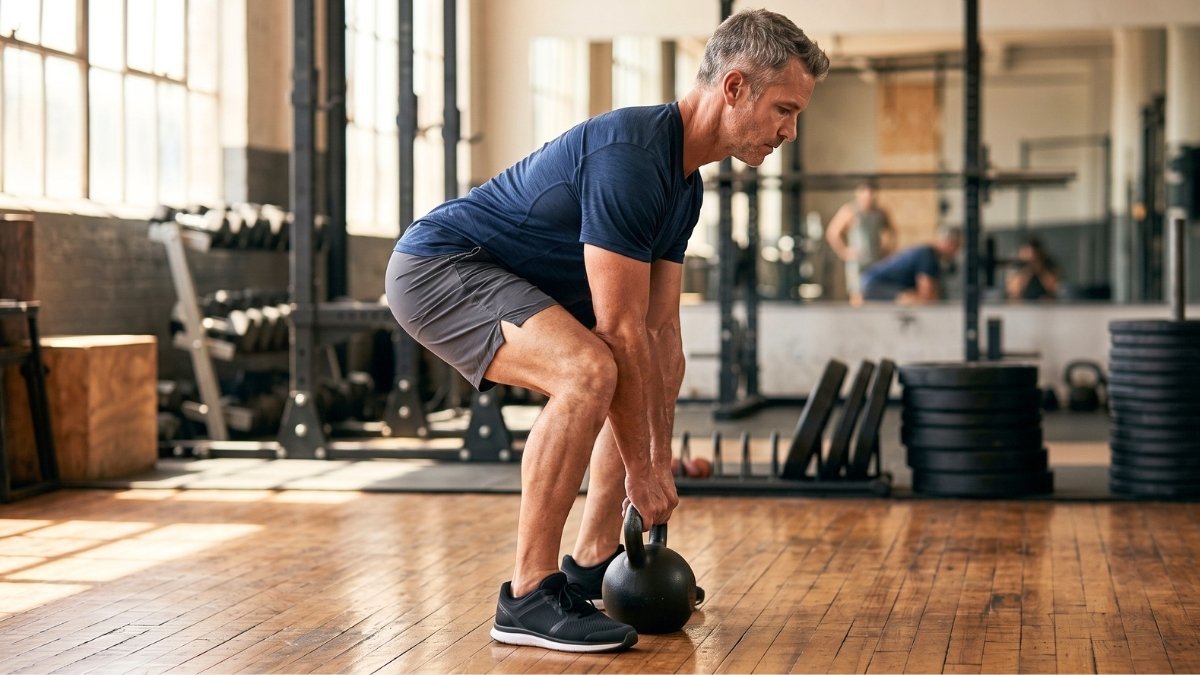
Back pain is the fear, and form is usually the culprit. Trouble tends to come from technique errors, adding weight too fast, fatigue, or returning too soon after an injury, rather than from the lift itself. acibademinternational
Try this drill before you touch a bar. Hold a broomstick along your spine so it touches your head, mid back, and tailbone, then push your hips back. If the stick loses contact at any of those three points, you are folding through your spine instead of hinging. elevaterehabilitation
How to do it
- Stand with your feet about shoulder width apart, knees slightly bent, with the weight on the floor just in front of your feet. hss
- Brace your core, then push your hips back as your chest reaches forward.
- Grip the weight, keep it close to your legs, and press the floor away.
- Stand tall at the top without leaning back, then hinge to lower it under control.
Beginner version: a kettlebell or trap bar deadlift. Different variations shift the demand on the hips, knees, spine, and grip, so one may suit your body better than another. Warm up with light weight or body weight first. Then try 2 or 3 sets of 5 to 8 reps. acibademinternationalhss
3. Bench Press: The Upper Body Push That Lets You Load Heavy
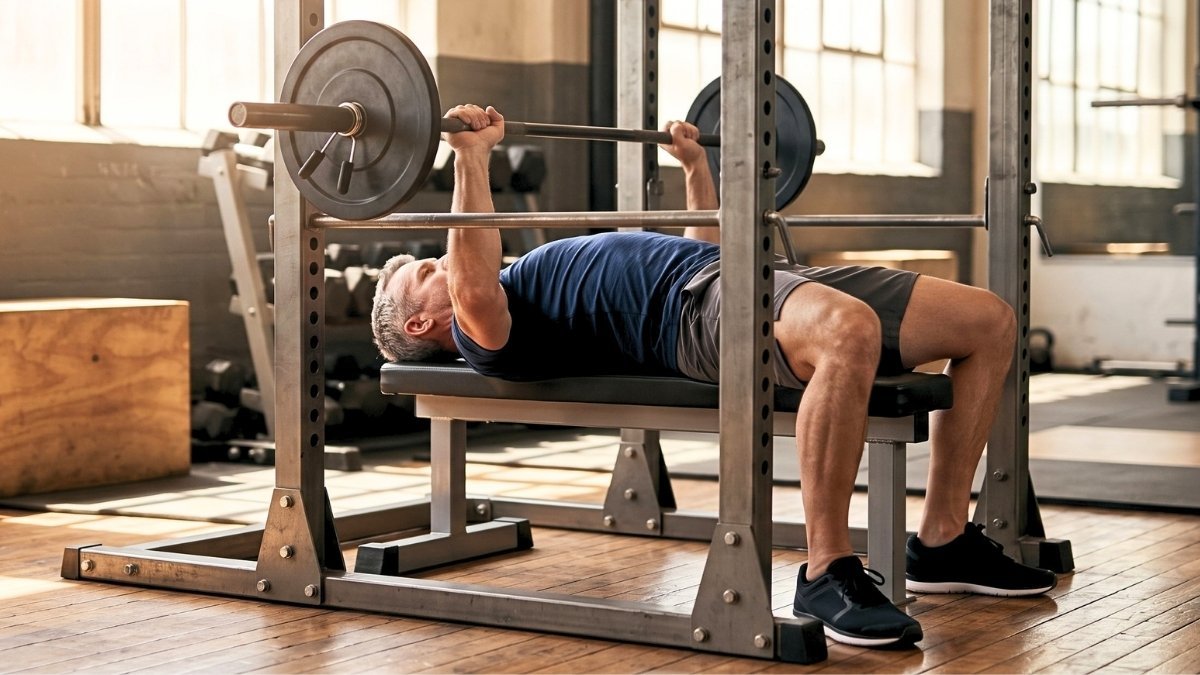
The flat bench press is chest dominant, because the chest muscles draw your arms together horizontally in front of you. Your triceps and front shoulders help. livestrong
The bench also lets you lift more than any other upper body push. Lying down means you do not have to balance the load, so you can use more weight. Most people can bench more than they can press overhead. livestrongpowerliftingtechnique
Change the angle to change the target. The steeper the incline, the more your shoulders take over from your chest. livestrong
Safety deserves a real plan. Reports of the most serious weight room accidents point to bench presses where the bar pinned the lifter’s chest or neck. Use a rack with safety arms set just below chest height, or a spotter. bodybuilding
How to do it
- Lie with your eyes under the bar, feet flat, and shoulder blades pulled back and down.
- Grip the bar a little wider than shoulder width.
- Lower it to your lower chest with your elbows angled in, not flared straight out.
- Press up and slightly back over your shoulders, exhaling as you go.
Beginner version: a dumbbell bench press, or a push up from the floor or a counter. Try 3 sets of 6 to 8 reps.
4. Overhead Press: The Lift That Exposes Your Weak Links
Pressing overhead while standing works the shoulders, triceps, and traps, and it calls on the abs and lower back to stabilize your spine. There is no bench to lean on, so your trunk becomes the platform. healthline
Keeping your glutes and abs tight gives you a stable pillar to press from, and flared elbows cost you leverage. healthline

The press is also an honest test. It demands more shoulder mobility than the bench press and leans harder on the front shoulders. If you cannot get your arms overhead without arching your lower back, the lift is telling you something. powerliftingtechnique
Do not force it. A 70 degree incline press works well when shoulder mobility limits a full overhead press. A seated version with back support can also suit lifters with balance or mobility limits. powerliftingtechniquestrengthlog
How to do it
- Stand with your feet about hip width apart, holding the weights at shoulder height with your forearms vertical.
- Squeeze your glutes and abs so your ribs stay down.
- Press straight up, moving your head slightly back and then forward as the weight passes your face.
- Lock out with your biceps near your ears, then lower to your shoulders under control.
Beginner version: a seated dumbbell press with light weights. Try 2 or 3 sets of 6 to 10 reps.
The Missing Piece: Add a Pull
Two of these lifts push, and two lift from the floor, but nothing pulls toward you. Lists of core compound movements usually include a row and a pull up as well. findyouredge
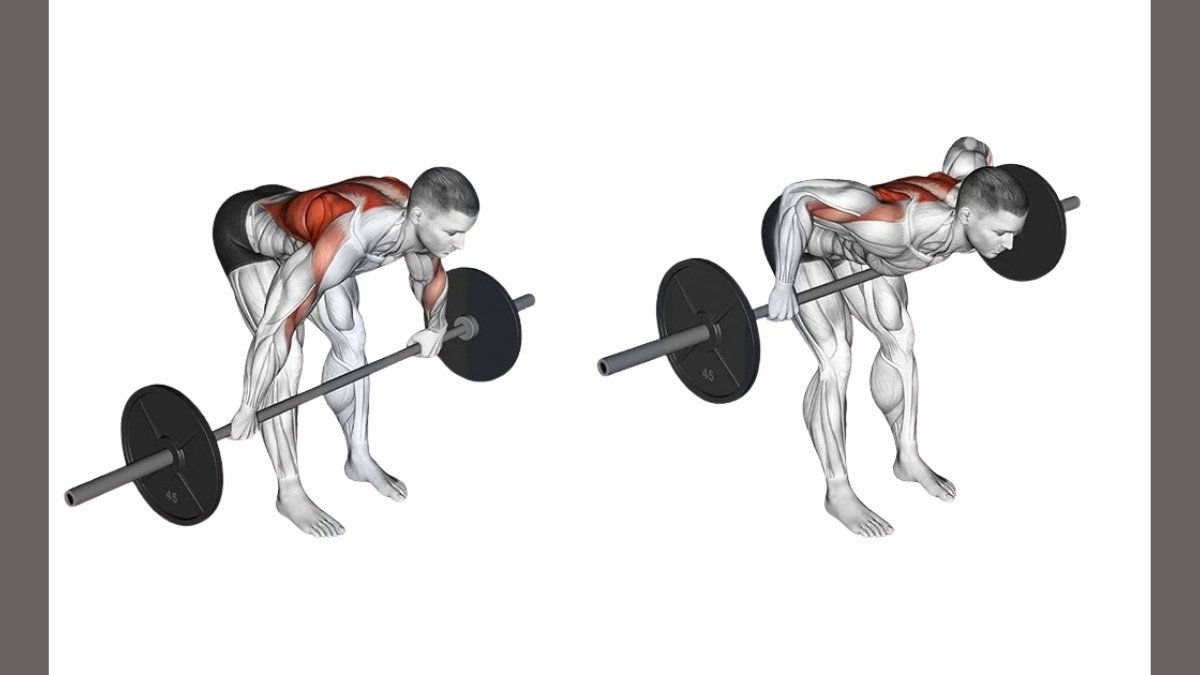
Coaches commonly pair each push with a pull to keep shoulder work balanced. Add one row and one pull up or lat pulldown as supporting moves, and keep the big four as the stars.
How to Put the Four Together
Split them into two workouts. Workout A is squat, bench press, and a row. Workout B is deadlift, overhead press, and a pull up or lat pulldown.
Train on 2 or 3 nonconsecutive days and alternate A and B. Two days meets the guideline, and you do not need marathon sessions. Mayo Clinic says one set of each exercise can be enough for health and fitness benefits. mayoclinic
Everyone’s body responds differently, so check with your doctor before trying these sets and reps if you have an existing condition or take medication.
How the First Two Months Should Feel
The Level-Up Path
A nine-week roadmap from learning the pattern to loading it — one small step at a time.
Learn the patterns using body weight, dumbbells, or a light bar.
Load Rule2 sets of 8–10, stopping with several reps left
Add a third set to the main lifts.
Load RuleAdd weight only when every rep looks smooth
Move toward barbell versions of each lift.
Load Rule3 sets of 6–8, smallest weight jumps available
Keep progressing slowly — the climb never really ends.
Load RuleRepeat weight until every set hits the top, then add a little
The Breathing Rule Nobody Mentions
Holding your breath is the most common beginner mistake. Cleveland Clinic advises exhaling on the hardest part of the effort, because holding your breath can raise blood pressure quickly. clevelandclinic
That spike matters most for people with high blood pressure or heart disease. If a weight forces you to hold your breath, it is too heavy for now. cathe
Try This Today: The 10 Minute Foundation
- Squat: do 10 bodyweight squats to a chair, exhaling as you stand.
- Hinge: practice the broomstick drill for 2 sets of 8.
- Push: do one set of push ups against a counter or the floor, stopping when your form slips.
- Schedule: put two lifting sessions on your calendar this week.
- Track: write down each lift’s weight and reps so you can beat it slightly next time.
When to Stop and Call a Doctor
- Chest pain or pressure, dizziness, or joint pain during activity. beactivedecatur
- Sharp or shooting pain, numbness, or tingling down an arm or leg.
- A sudden severe headache or vision changes such as dark spots or floaters after a heavy lift. cathe
- Joint swelling, or pain that lingers for days instead of fading.
The Short Version,
Squat, hinge, bench, and overhead press cover the main movement patterns your body relies on. Add a row or pull up to balance them, learn each lift light, and train two or three days a week.
Keep the weight increases small and the breathing steady. That simple routine beats most complicated programs.
This article is for informational purposes only and is not a substitute for professional medical advice, diagnosis, or treatment. Always consult your doctor or a qualified healthcare provider before changing your exercise routine, especially if you have an existing health condition or take medication.