The #4 Aging Mistake That’s Stealing 15 Years From Your Life (You Do It Every Morning)

Every morning at 7:30 AM, millions of people trigger a biological cascade that adds 15 years to their cellular age—before they even leave for work.
You wake up tired. You skip breakfast or grab coffee and rush out. By afternoon, you’re exhausted, craving sugar, and feeling older than you should. Sound familiar? This simple morning pattern is quietly speeding up your aging—from your brain to your skin to your DNA.
Here’s what you’ll learn: The 2025 research linking breakfast timing to 15-year mortality differences. How skipping breakfast triggers chronic inflammation (the #1 driver of aging). Why your morning routine determines your biological age.
The exact breakfast timing window that protects against accelerated aging. A simple 3-step morning protocol to reverse years of cellular damage.

The Hidden Morning Mistake Aging You Faster Than Anything Else
You’ve been told breakfast is important. But new research from 2025 reveals something far more alarming than anyone expected.
The mistake? Skipping breakfast or eating after 10 AM. Right now, 15% of American adults regularly skip breakfast. They think they’re saving time or calories. Instead, they’re accelerating their aging process every single day.

Harvard and Mass General Brigham tracked 2,945 adults for over 20 years. The results are clear. Later breakfast timing links directly to increased mortality risk. The study found something shocking: every decade of life, people delay their breakfast by about 8 minutes. This gradual shift compounds over time.
Breakfast skippers show worse outcomes across the board. Depression rates climb. Fatigue becomes chronic. Oral health problems multiply. Your brain actually ages faster—appearing 6+ months older than people who eat breakfast on time.
A 2025 systematic review analyzed the damage. Skipping breakfast impairs your glucose control. It disrupts your gut bacteria. It triggers systemic inflammation throughout your body. Another study found breakfast skippers scored lower on cognitive tests and showed increased signs of brain degeneration.
This isn’t about missing nutrients. It’s about timing. Your body runs on internal clocks. When you skip breakfast, you throw every clock out of sync.
How Skipping Breakfast Accelerates Aging Through 3 Biological Pathways
Your body has three systems that control how fast you age. Skipping breakfast damages all three at once.
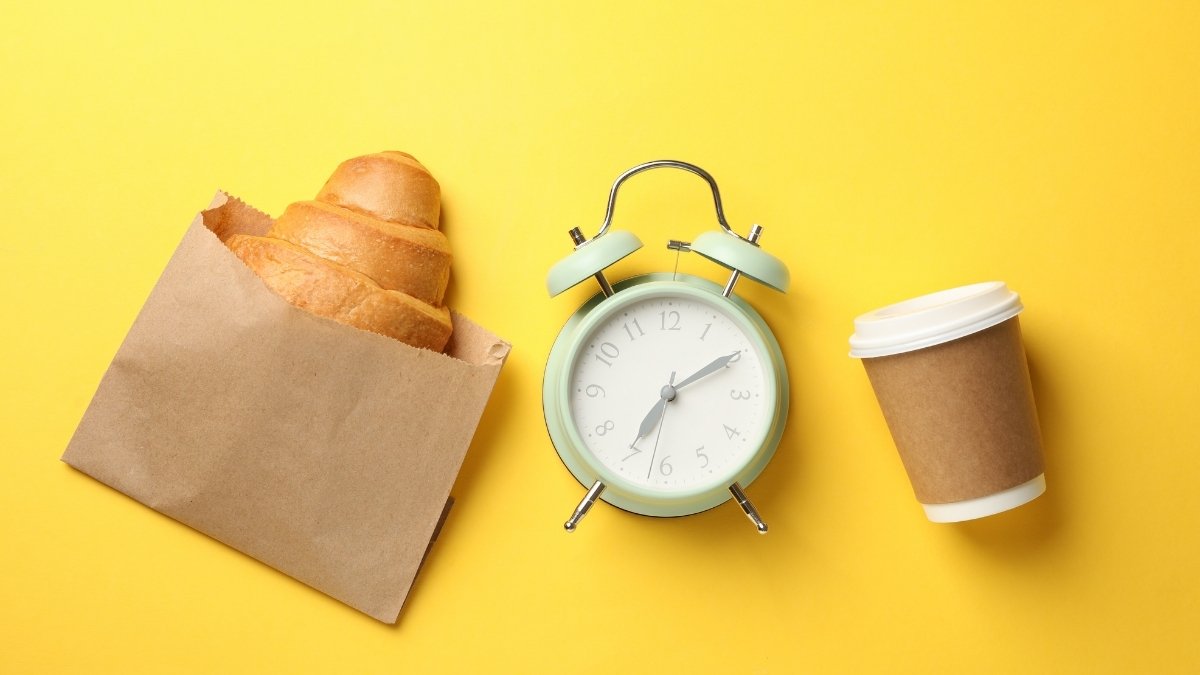
Pathway #1: Your Internal Clock Breaks Down Breakfast synchronizes the clocks in your liver, muscles, and fat tissues. These clocks tell your cells when to work and when to rest.
Skip breakfast and these clocks fall out of sync with daylight. Your genes get confused. Circadian genes control 10-50% of everything your cells do. When they’re disrupted, your metabolism slows down, inflammation increases, and sleep quality drops.
Pathway #2: Inflammation Goes Into Overdrive Morning fasting increases inflammatory markers in your blood. Your cortisol stays elevated without food to balance it. Breakfast skippers have 34% higher C-reactive protein levels.
Inflammatory molecules called cytokines spread through your body, damage your tissues, and make your cells die off early. This is called “inflammaging”—chronic low-grade inflammation that drives every age-related disease.

Pathway #3: Your Metabolism Crashes Without breakfast, your blood sugar control suffers all day. Your body becomes resistant to insulin. Your gut bacteria shift toward harmful strains. By afternoon, you’re starving and reach for junk food.

This pattern leads to weight gain, diabetes risk, and heart disease. Regular breakfast eaters show longer telomeres—the protective caps on your DNA.
Why Your Stress Hormone Is Aging You Overnight
Your body releases cortisol every morning. It’s normal and healthy. Within 45 minutes of waking, your cortisol jumps 50-150%. This is called the Cortisol Awakening Response. It should peak mid-morning, then decline all day.
But when you skip breakfast, cortisol stays elevated for hours. Your body thinks you’re under threat. Colorado State researchers found that when cortisol doubles, your biological age increases by about 50%.

Here’s what high cortisol does. It speeds up telomere shortening—those protective DNA caps that keep you young. It triggers chronic inflammation throughout your system. It breaks down collagen and elastin, making your skin sag and wrinkle. It stops your DNA repair mechanisms. It increases oxidative stress and free radical production. Your immune system weakens.

The cycle gets worse over time. High cortisol ruins your sleep. Poor sleep makes you skip breakfast the next day. Higher cortisol follows. If you’re over 40, this hits harder. Your stress control system becomes less responsive with age. Older adults can’t regulate cortisol as effectively, leading to more health problems.
The 15-Year Gap: What the Latest Research Actually Shows
The “15 years” isn’t literal age. It’s about healthspan compression—how disease onset, biological age markers, and mortality risk combine to steal healthy years from your life.

Mass General Brigham’s September 2025 study followed nearly 3,000 adults for 20+ years. Later breakfast timing meant higher mortality risk, more depression, chronic fatigue, and multiple health problems at once.
A July 2025 systematic review analyzed 66 studies from 2010-2025. The links are clear: obesity, diabetes, neurodegenerative disease, cognitive decline, mood disorders, and cancer risk all increase with breakfast skipping.
A November 2025 brain age study found breakfast skippers’ brains appear 6+ months older. Pro-inflammatory diets accelerate brain aging. A cardiovascular analysis of 199,634 adults over 17.4 years showed significant increases in heart disease deaths.

The damage compounds over years. But here’s the good news: effects are reversible. People with biologically young brains and immune systems have 56% lower mortality risk. Those with young brains have 4x lower Alzheimer’s risk. Skipping breakfast doubles gallstone disease risk, but consistent changes can reverse the damage.
Beyond Breakfast: Other Morning Mistakes Compounding the Damage

Four other morning mistakes amplify the aging damage from skipping breakfast.
Mistake #1: Blue Light Exposure First Thing Checking your phone immediately upon waking disrupts your cortisol awakening response. A 2021 study found smartphones without blue filters elevate morning cortisol and reduce CAR efficiency. Blue light increases cortisol after just 1 hour of exposure.
Mistake #2: No Morning Light Exposure You need natural sunlight to set your circadian clock. Morning light enhances your cortisol peak by 50%. Get 10-30 minutes of natural light within 1 hour of waking. Walk outside, sit on your porch, or exercise near a window.
Mistake #3: High-Stress Morning Routine Rushing, checking email immediately, and starting your day frantic spikes cortisol. This compounds the fasting stress. Create a calm, intentional morning instead.
Mistake #4: Dehydration Your body loses water overnight. Dehydration increases cortisol, affects your metabolism, and impairs cognition. Drink 16oz of water upon waking—room temperature or warm with lemon.
All these mistakes trigger the same pathways: elevated cortisol, disrupted circadian rhythm, increased inflammation, and accelerated cellular aging.
The Anti-Aging Morning Protocol: Your 3-Step Reset
STEP 1: The Timing Window Eat breakfast within 1-2 hours of waking. Ideally before 8:30 AM. No later than 9:30 AM. Be consistent—same time daily, give or take 30 minutes. This synchronizes your peripheral circadian clocks, balances your cortisol response, and sets your metabolic tone for the day.

Set a breakfast alarm. Prep the night before with overnight oats or egg muffins. Start with something small if you have no appetite. Give your body 2-3 weeks to adjust.
STEP 2: The Composition Formula Include 20-30g protein (eggs, Greek yogurt, protein powder) to preserve muscle and stabilize blood sugar. Add healthy fats (avocado, nuts, olive oil, chia seeds) for hormone production and nutrient absorption.
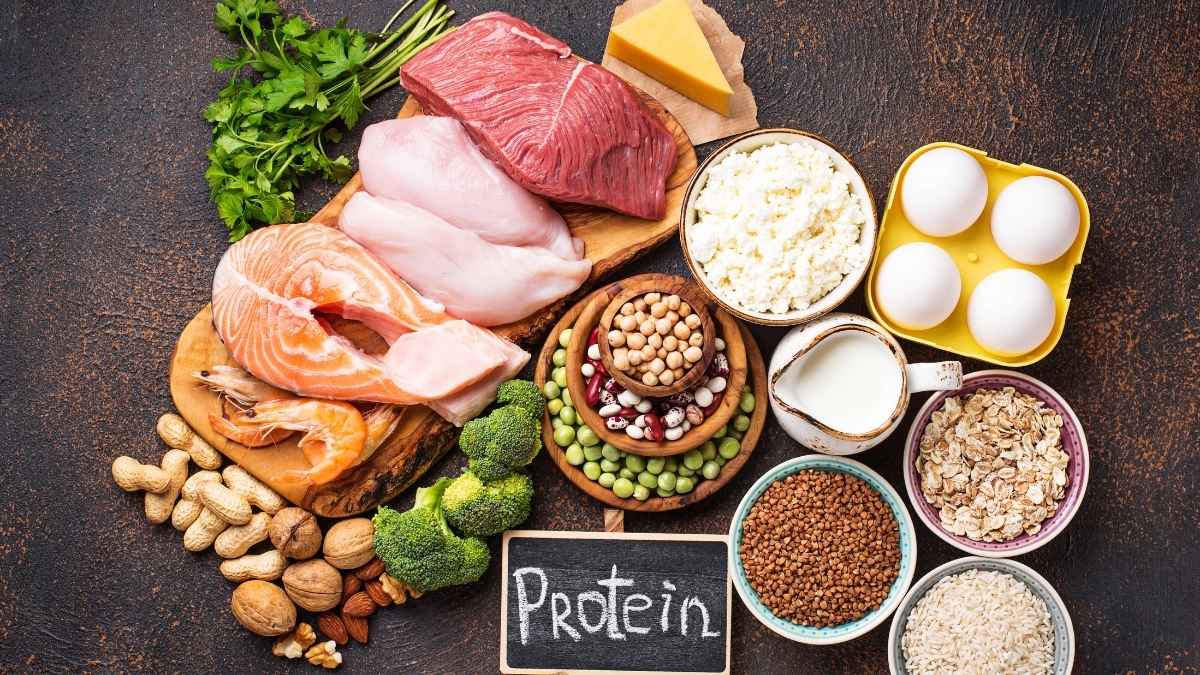
Include quality carbs with fiber (oatmeal, berries, whole grain toast) for brain glucose and gut bacteria. Add antioxidants (berries, green tea, dark chocolate 85%+) to fight oxidative stress. Avoid sugary cereals, pastries, ultra-processed foods, and excessive caffeine on an empty stomach.
STEP 3: The Morning Sequence 6:00-6:15 AM: Wake and drink 16oz water. No phone. Light stretching or deep breathing. 6:15-6:30 AM: Get natural light for 10-30 minutes. 6:30-7:00 AM: Gentle movement like walking or yoga.

Not intense cardio. 7:00-7:30 AM: Eat breakfast sitting down, no screens. 7:30-8:00 AM: Now check your phone and plan your day. Each step builds on the previous one for better cortisol regulation and inflammation reduction.
What to Expect: The 30-Day Transformation Timeline

Week 1: Initial Adjustment You may feel hungrier at breakfast—that’s a good sign. You’ll likely have more energy mid-morning, better focus, and fewer afternoon crashes. Some people experience temporary digestive adjustment as your body adapts.
Week 2: Momentum Builds Morning appetite becomes natural. Your thinking gets clearer and mood improves. Sleep quality increases. Sugar cravings drop. Energy stays stable throughout the day.
Week 3: Deeper Changes Your skin may look brighter and less puffy. Weight stabilizes or optimizes. Stress resilience improves. Your immune response strengthens. Workout recovery gets better.
Week 4 & Beyond: Cellular Reset Inflammation markers begin dropping. If you’re testing, metabolic markers improve. Cognitive function enhances. Stress hormone regulation improves. You’ve set the foundation for long-term anti-aging benefits.

Long-Term Benefits (3-6 months) Biological age markers reduce. Cardiovascular health improves. Cognitive resilience enhances. Body composition optimizes. Your healthspan trajectory changes. Research shows DNA methylation changes within months, telomere length preservation over time, reduced inflammation, improved glucose metabolism, and lower disease risk across multiple categories.
Conclusion:
Skipping breakfast or eating late triggers aging processes that can steal 15 years from your healthspan. Chronic inflammation, disrupted circadian rhythms, and elevated cortisol all accelerate aging.
But it’s reversible. Starting tomorrow, eat breakfast within 1-2 hours of waking. Include protein, healthy fats, fiber, and antioxidants. Follow this sequence: hydrate, light, movement, breakfast. Your morning habits can become your most powerful anti-aging tool.