Can’t Sleep? How the 4-7-8 Breathing Technique Can Help You Drift Off
You’re lying in bed at midnight. Your eyes are wide open. Your brain is replaying every awkward moment from three years ago.
You’re tired. But sleep won’t come.
What if the fix was already inside you — and all you had to do was breathe differently?
The 4-7-8 breathing technique is a free, proven method to calm your nervous system and help you fall asleep faster. No pills. No gadgets. No expensive apps.
In this guide, you’ll learn what it is, why it works, how to do it correctly, and what mistakes to avoid. You’ll also get a simple 7-day plan to make it a real habit.
Let’s get into it.
4-7-8 Deep Sleep
Sync your breath with the aura below.
Point One: Why Millions of People Can’t Sleep (And It Is Not Just Stress)

Picture this. You have a 7 AM meeting tomorrow. You’ve been tired since 3 PM. But the moment your head hits the pillow, your brain switches on.
This is not weakness. It is biology.
About 50 to 70 million adults in the U.S. have a sleep disorder. Around 60% of adults don’t get enough sleep, according to the National Sleep Foundation. And over 29% of adults aged 18 to 24 experience insomnia every single night.
The reason? Your nervous system.
When you’re stressed, your body activates its fight-or-flight mode. It floods your system with cortisol and adrenaline. These hormones are designed to keep you alert — not asleep.
The reason your body is doing this isn’t random. It is doing exactly what it was built to do. Just at the wrong time.
Sleep medication can help short-term, but it creates dependency. It does not fix the root cause.
Here’s the key insight. Breathing is the only automatic body function you can manually control. That makes it a direct line into your nervous system — and your fastest path to sleep.
Quick Tips:
- Stop checking your phone after 9 PM — blue light tells your brain it is still daytime
- Write your worries in a notebook before bed to clear your head
- Keep your bedroom cool and dark to help signal sleep to your body
Point Two: What Is the 4-7-8 Breathing Technique and Where Did It Come From?
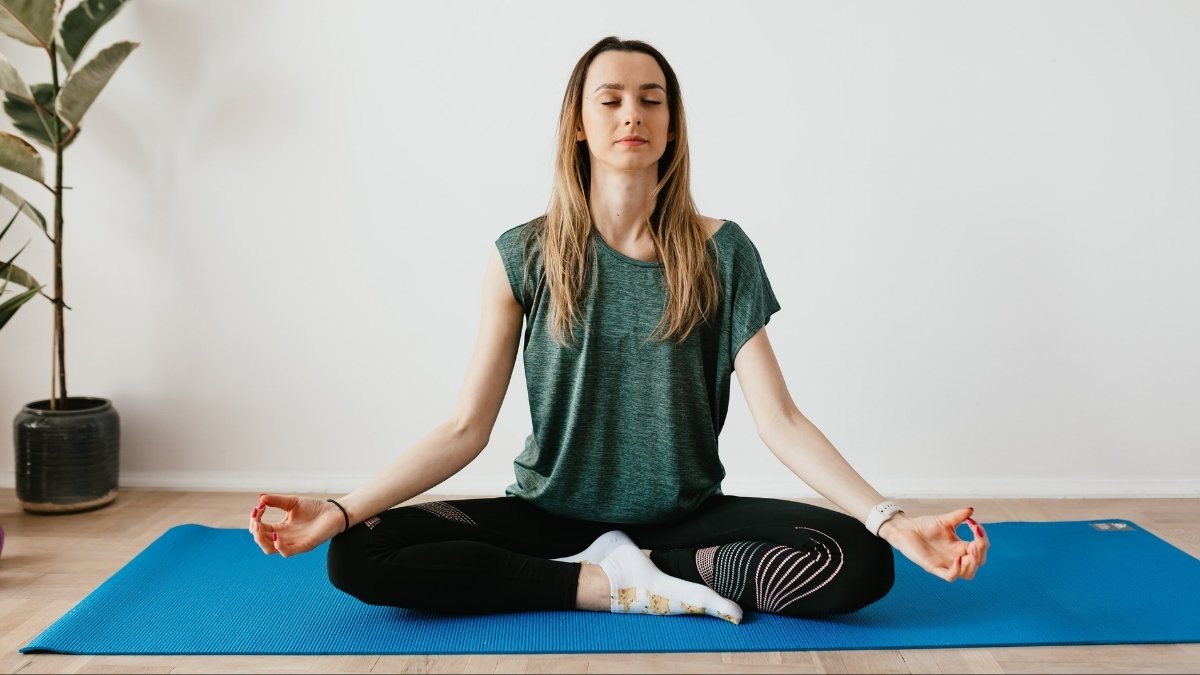
Despite feeling brand new, this breathing pattern is centuries old.
It comes from pranayama — an ancient yoga practice focused on breath control. Dr. Andrew Weil, a Harvard-trained physician, brought it to modern attention around 2015. He calls it “a natural tranquilizer for the nervous system.”
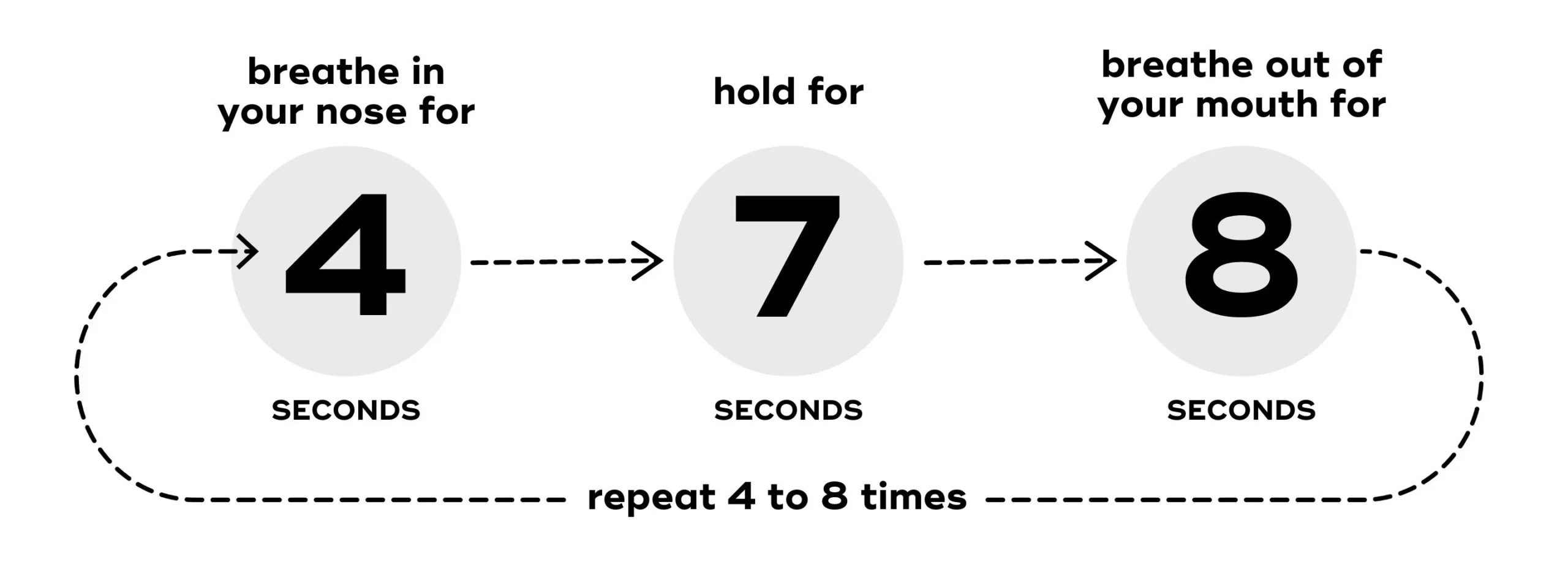
The three numbers tell you exactly what to do. Inhale for 4 counts. Hold for 7 counts. Exhale for 8 counts. That’s one cycle.
What makes this different from regular deep breathing? Two things. The breath hold and the long exhale. Those two elements are what actually trigger the calming response in your body.
Regular deep breathing is helpful. But 4-7-8 is more precise. It forces your exhale to be twice as long as your inhale. That specific ratio is what shifts your nervous system from stressed to calm.
The technique is now used by Navy SEALs, ICU nurses, and competitive athletes. It requires no equipment, costs nothing, and works lying flat in your bed.
The numbers 4, 7, and 8 are not random. They unlock a specific chain reaction inside your body — and that’s exactly what we’ll cover next.
Quick Tips:
- You don’t need an app to start — just count in your head
- Practice it in a quiet room with no distractions for best results
- The ratio matters more than the speed, so count slowly and steadily
Point Three: The Science Behind Why It Works — What Happens Inside Your Body

Every time you feel stressed at bedtime, your body is flooded with cortisol and adrenaline. These hormones keep you wide awake on purpose.
The 4-7-8 technique reverses this process directly.
Your body has two nervous system modes. The sympathetic, which is fight-or-flight. And the parasympathetic, which is rest-and-digest. Think of the sympathetic as the gas pedal and the parasympathetic as the brakes. 4-7-8 breathing presses the brake.
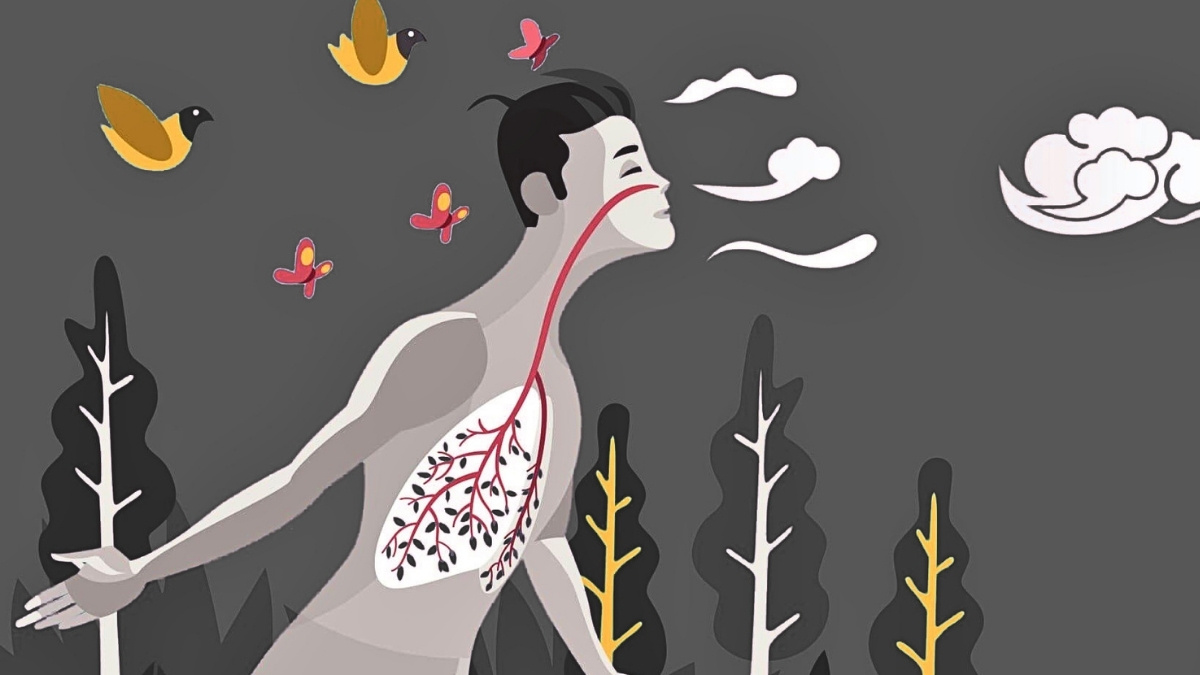
When you breathe this way, you stimulate the vagus nerve. This nerve runs from your brain to your gut. When it activates, it sends a direct signal to your brain to calm down. Your heart rate drops. Your blood pressure lowers. Your cortisol falls.
Research confirms the 4-7-8 technique improves heart rate variability and activates parasympathetic pathways.
Dr. Melissa Young of the Cleveland Clinic explains it well. She says it takes time for the nervous system to respond to breathwork, but the more you practice, the more your body learns to enter that calm mode naturally.
Now that you know what’s happening in your body, the steps will make perfect sense.
Quick Tips:
- Place one hand on your chest and one on your belly to feel the breath shift
- Your exhale is the most powerful part — never rush it
- Even two cycles can lower your heart rate measurably
Point Four: How to Do the 4-7-8 Breathing Technique Correctly — Step by Step

This is the part most people get wrong because they skip the details. Follow each step exactly.
The Relaxation Sequence
The speed of your count does not matter as much as keeping the ratio correct. If 7 seconds of holding feels too long, count slowly. You may feel slightly lightheaded at first. That is normal. It passes within a few days of practice.
Remember: INHALE (4) → HOLD (7) → EXHALE (8). Write it on a sticky note and put it on your bedside table this week.
Quick Tips:
- Never skip the “whoosh” exhale — it helps empty your lungs completely
- Keep your tongue in place the whole time to control your airflow properly
- Start with just 4 cycles — more is not better when you’re just beginning
Point Five: Common Mistakes That Cancel the Benefits (And How to Fix Them)
The 4-7-8 technique is simple. But simple does not always mean easy to do correctly.
These are the mistakes that stop most beginners from feeling any benefit.
Mistake: Counting too fast. Fix: Slow your count down. The ratio is what matters, not the speed.
Mistake: Breathing from your chest. Fix: Place one hand on your belly. If it rises before your chest, you’re doing it right.
Mistake: Skipping the “whoosh” exhale. Fix: This is not optional. The sound means you’re fully emptying your lungs.
Mistake: Forgetting tongue placement. Fix: This controls how air flows in and out. Don’t skip it.
Mistake: Quitting after one night. Fix: Your nervous system needs time to learn this. Dr. Melissa Young confirms that regular practice is what teaches your body to respond faster.
Mistake: Doing too many cycles too soon. Fix: Stick to 4 cycles. Doing 8 right away can cause lightheadedness in beginners.
Mistake: Practicing while watching a screen. Fix: The technique needs your full attention. Screens split your focus and reduce the effect.
Quick Tips:
- Record yourself doing it once to check your technique
- If you feel dizzy, stop and breathe normally — it’s safe and temporary
- Do it in the same position every night to build a faster habit response
Point Six: What the Research Actually Says — Proof This Is Not Just Hype

Here’s the honest truth. The research on 4-7-8 breathing specifically is still growing. But what exists is promising.
A 2025 systematic review published in Frontiers in Sleep looked at studies from 2000 to 2024. It found that diaphragmatic and mindful breathing consistently improved sleep quality across multiple studies.
A scoping review following strict PRISMA research guidelines looked at 15 studies published between 2013 and 2024. It found the 4-7-8 technique effective for reducing stress, improving cardiovascular health, and activating the parasympathetic nervous system.
A 2022 study in Physiological Reports found that 4-7-8 breathing lowered systolic blood pressure in sleep-deprived young adults. That confirms real, measurable physiological change.
Quick Tips:
- Look up the Vierra, Boonla & Prasertsri 2022 study on PubMed if you want to read the raw research
- Frontiers in Sleep is a peer-reviewed journal — it’s a reliable source, not a blog
- Combine breathwork with other sleep hygiene habits for the strongest results
Point Seven: Your 7-Day Starter Plan to Make This a Real Habit

You don’t need willpower to build this habit. You need a clear plan.
Days 1 and 2: Do 4 cycles only, lying in bed, lights off. Don’t judge how it feels. Just observe.
Days 3 and 4: Add a second session during the day. Try it during a stressful work moment or your commute home. This trains your nervous system faster.
Days 5 and 6: Increase to 6 cycles at bedtime if you feel no dizziness. Start noticing if you’re falling asleep faster.
Day 7 and beyond: Commit to 8 cycles each night. Track your progress with one simple sentence in a notebook — “Tonight it took me ___ minutes to feel calm.”
Pair this with dimming your lights 30 minutes before bed, putting your phone face-down, and doing the technique in the same spot every night. Consistent location builds the habit faster.
Free apps that help: Insight Timer, Breathe+, and Oak. All have free versions.
Dr. Weil recommends practicing at least twice a day when starting out, with no more than 4 cycles per session at first.
Quick Tips:
- Stack the habit right after brushing your teeth — it creates an automatic trigger
- A simple notebook tracker beats any app for consistency in the first week
- Even on nights you forget, just do 2 cycles — something is always better than nothing
Final Words:

The 4-7-8 breathing technique costs nothing. It takes less than five minutes. And it works by calming the exact biological system that keeps you awake.
It won’t fix chronic insomnia overnight. But practiced consistently, it teaches your body to shift from stress mode into real rest.
Try it tonight. Four cycles. Lights off. Breathe.