

Most people over 50 quietly believe dementia is a roll of the dice they can’t influence. That belief is costly, because it keeps them from checking the ordinary things that may be raising their risk year after year.
A major scientific review now estimates that up to 45% of dementia cases could be prevented or delayed by changing 14 lifestyle factors. Some of them are so everyday (a hearing test, a cholesterol number) that most people have never connected them to their brain.
Before making any changes based on this article, talk to your doctor, especially if you take medication or have a diagnosed condition.
Where the 45% Number Really Comes From
The 45% estimate comes from the 2024 Lancet Commission on dementia prevention, a panel of international experts led by Professor Gill Livingston of University College London. It reviewed the best available evidence and settled on 14 risk factors that people can potentially change.
Its 2020 report named 12 factors and put the figure at 40%. The 2024 update added two more, high LDL cholesterol and untreated vision loss, which lifted the total to 45%.

The World Health Organization has its own dementia risk reduction guidelines, which cover healthy behaviors, health conditions linked to higher risk, and environmental exposures.
WHO also states plainly that dementia is not a natural or inevitable part of aging.
Here is the fine print. The 45% is a population estimate, not a personal forecast, and it assumes every factor is a true cause that could be fully eliminated.
That never happens perfectly in real life. But the direction is clear, and most of these factors can be tested, treated, or changed.
Most of the Action Happens in Midlife
The Commission found that midlife is where the biggest opportunity sits. Ten of the 14 factors cluster there.
Here is how the 45% breaks down by life stage.
Cases
The Lifeline of Prevention
A breakdown of how and when modifiable risk factors impact cognitive health across the three major stages of life.
Early Life
FoundationLess education, which impacts early cognitive reserve development.
Midlife
Roughly 45 to 65A culmination of ten distinct factors, predominantly led by untreated hearing loss and high LDL cholesterol.
Late Life
65 and olderIncreasing social isolation, exposure to air pollution, and untreated vision loss.
The 14 Factors That Could Help Prevent or Delay Dementia, Ranked by Size
The list below runs from the biggest slice to the smallest. Each percentage shows how much dementia could drop worldwide if that single factor were eliminated.
1. Hearing Loss (7% of cases)
Untreated hearing loss ties for the largest single slice of the 45%. The Commission found that dementia risk climbed as hearing got worse, and one leading theory is that a brain straining to decode sound has less capacity left for memory and thinking.
Pulling back from conversations because they feel exhausting may add to the problem. In the ACHIEVE trial of 977 adults aged 70 to 84,

hearing aids did not slow cognitive decline across the whole group, but decline was about 48% slower over three years in a higher risk subgroup of 238 people. Book a hearing test, and treat loud noise as the hazard it is.
Earplugs at concerts, around power tools, and at other loud events protect hearing you cannot get back. A mild loss is also worth treating early rather than waiting until it becomes severe.
2. High LDL Cholesterol in Midlife (7% of cases)
High LDL (“bad”) cholesterol is one of two factors added in 2024, and it matches hearing loss for the biggest share. One possible link is that LDL raises the odds of stroke and of Alzheimer’s related protein deposits in the brain.
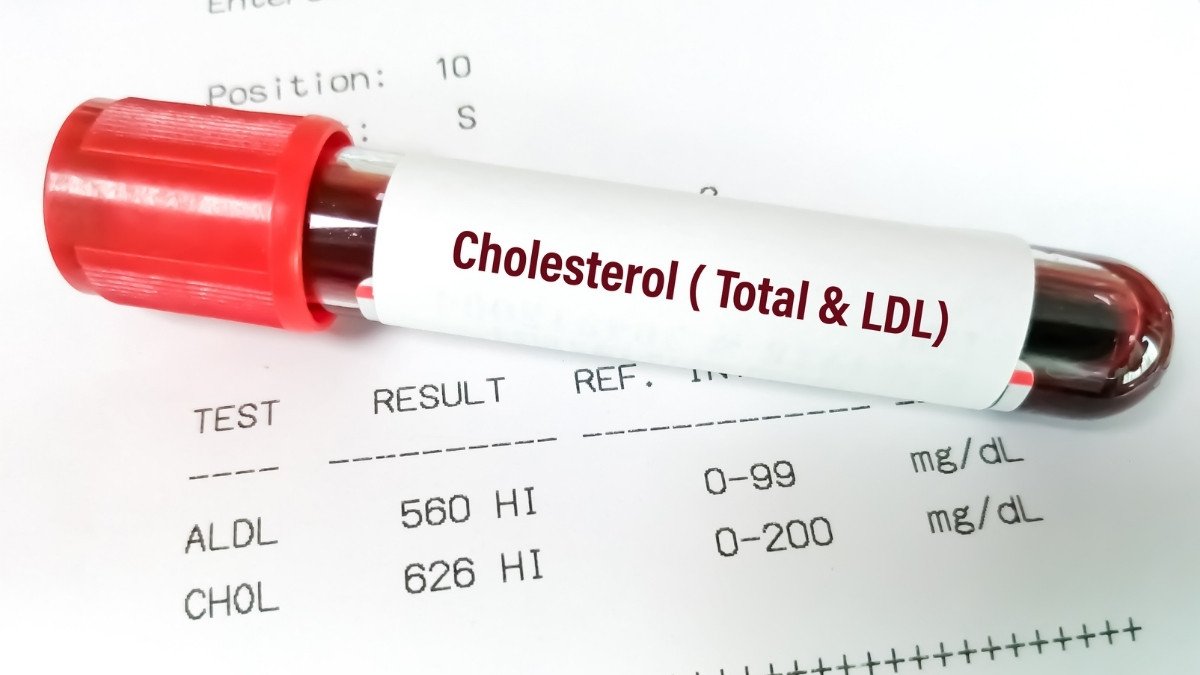
The Commission recommends detecting and treating high LDL from around age 40, long before any symptoms appear. Ask for a lipid panel, and ask your doctor what LDL target fits your own history, because the right number differs from person to person.
3. Social Isolation (5% of cases)
Conversation is one of the most demanding mental workouts there is, because it asks the brain to listen, remember, and respond all at once. Isolation also tends to travel with less activity, poorer mood, and missed health care. It can also feed two other factors on this list, hearing loss and depression, since both make people withdraw.

It is the biggest late life factor on the list, so it matters most after retirement or the loss of a partner or friends. Put something on the calendar every week that involves real people, such as a class, a volunteer shift, or a regular walking partner. A standing weekly call with an old friend is an easy first step.
4. Less Education (5% of cases)
Early schooling builds what researchers call cognitive reserve, a buffer that helps the brain keep working despite age related changes. The Commission’s message is that all children should be schooled, and that longer education is better.

You cannot redo childhood, but mentally stimulating activity in midlife counts too, even outside formal education, according to Professor Livingston. Dementia Australia adds that educational and stimulating activities help even in later life. Pick something hard for you, like a language, an instrument, or a course, and give it 20 minutes a few times a week even when it feels clumsy.
5. Depression (3% of cases)
Depression and dementia have a two way relationship, which is why researchers handle this one carefully. Low mood can raise dementia risk over time, and it can also show up as an early sign of changes in the brain.

The Commission’s 2024 review suggests that treating depression may lower dementia risk. Persistent sadness, loss of interest, or constant fatigue that lasts two weeks or more deserves a real conversation with a doctor, not a pep talk. Therapy, regular activity, and social contact all help, and medication is an option when a doctor recommends it.
6. Traumatic Brain Injury (3% of cases)
Head injury at any age, from any cause, raises the odds of dementia later. For adults over 50, falls are among the most common causes, which makes balance and home safety a brain issue as much as a bone issue.

Wear a helmet for cycling, buckle up every trip, and clear tripping hazards like loose rugs, cords, and cluttered stairs. Add night lights along the path to the bathroom, since poor lighting is a common fall hazard. If you ever hit your head and feel off afterward, get checked rather than waiting it out.
7. Air Pollution (3% of cases)
Fine particles from traffic, wildfire smoke, and industry are small enough to move deep into the lungs and bloodstream. Researchers think they may promote inflammation and damage blood vessels, and the 2024 report notes that cleaner air is linked with better cognition and a likely drop in dementia risk.

Check your local air quality index before outdoor exercise, and move your walk indoors or to a quieter street on bad air days. Consider a HEPA filter for the room where you spend the most time, and keep windows closed during smoke events.
8. Physical Inactivity (2% of cases)
Regular movement improves blood flow to the brain, helps control blood pressure and blood sugar, and lifts mood, so it quietly protects against several other items on this list. Professor Livingston has said that lifestyles built around regular exercise, not smoking, and mental activity in midlife can lower dementia risk and may push back its start.

WHO’s general guidance for adults is at least 150 minutes of moderate activity per week. That works out to a brisk 30 minute walk on five days, with a couple of strength sessions added when you can. Start with 10 minutes a day if that is where you are today.
Everyone’s body responds differently, so check with your doctor before starting a new exercise routine if you have a heart condition, joint problems, or take medication.
9. Diabetes (2% of cases)
High blood sugar over many years damages the small blood vessels that feed the brain, and insulin problems may affect how brain cells use energy. Many people with prediabetes or early type 2 diabetes have no symptoms at all.
Ask for an A1C or fasting glucose test, especially if diabetes runs in your family or you carry extra weight around the middle. Daily walking, more fiber, and steady weight management all help,
and medication matters when your doctor recommends it. If you already have diabetes, keeping your numbers in the range your doctor sets protects your blood vessels, brain included.
10. Smoking (2% of cases)
Smoking harms the brain through the same blood vessel damage and oxidative stress that drive heart disease and stroke. The Commission’s reviewers suggest that quitting may reduce dementia risk, and its authors stress that it is never too late in life to act.

Set a quit date within the next two weeks, tell someone, and ask your doctor about nicotine replacement or prescription options. These improve your odds compared with willpower alone. Expect that it may take more than one try, which is normal.
11. High Blood Pressure (2% of cases)
Pressure that stays high wears down the arteries that feed the brain and raises the risk of small strokes and hidden vessel damage. The Commission has recommended keeping systolic blood pressure (the top number) at 130 or lower from around age 40.

In 2020 it described treating high blood pressure as the only known effective preventive medication for dementia. Buy a validated home monitor, take readings at the same time each day,
and take prescribed medication exactly as directed. Cutting back on salt and adding daily movement lowers the numbers further for many people.
12. Untreated Vision Loss (2% of cases)
Vision loss is the other factor added in 2024. A pooled analysis linked untreated vision loss to roughly 47% higher relative risk of dementia, and possible reasons include less activity, less social contact, and less mental stimulation.
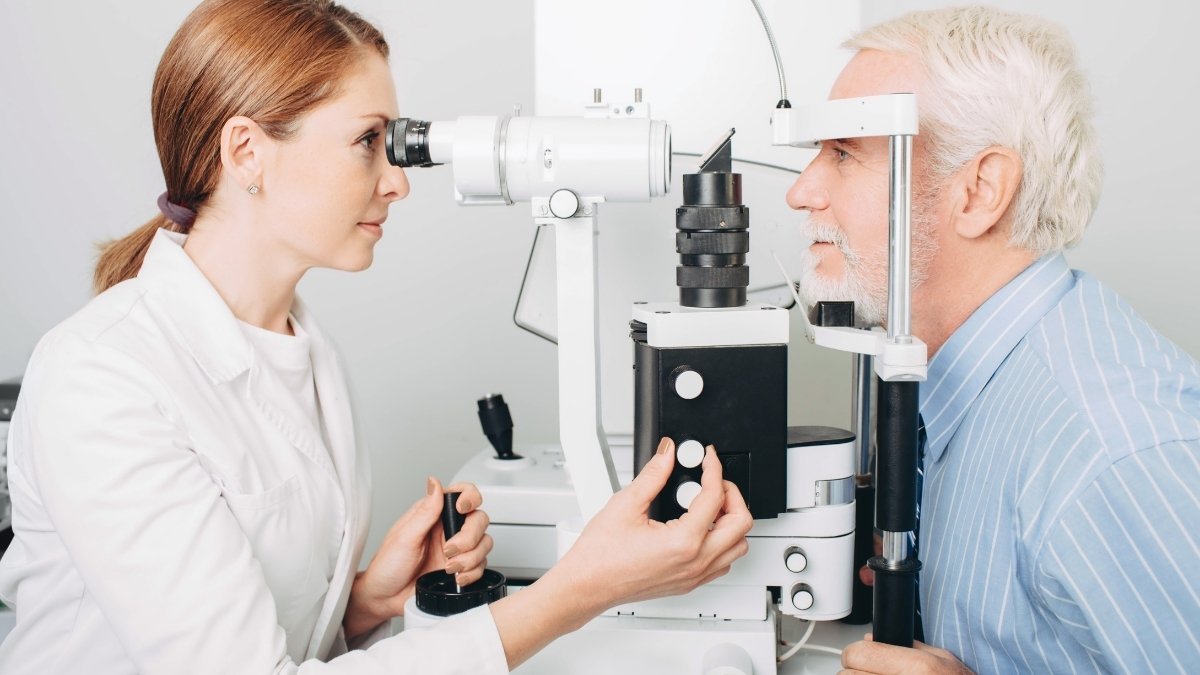
Many causes, including cataracts, are treatable. Get a full eye exam, keep your glasses prescription current, and do not write off blurry vision as normal aging. The Commission calls for screening and treatment to be accessible to everyone, so ask your doctor how often you should be checked.
13. Obesity (1% of cases)
Excess weight in midlife is tied to inflammation, insulin resistance, and higher blood pressure, all of which can strain the brain’s blood supply. The share is among the smallest on the list, but obesity also feeds several bigger factors, including diabetes and high blood pressure.

Modest, steady weight loss works better than crash plans. Even a loss of 5% to 10% of body weight improves blood pressure and blood sugar for many people. Pair it with the walking habit above, and ask your doctor before starting any new diet.
14. Excessive Alcohol (1% of cases)
Alcohol is toxic to brain cells, and heavy drinking also raises blood pressure and the odds of falls and head injuries. The Commission’s line is more than 21 UK units a week, which it converts to roughly 12 U.S. standard drinks.

That is a ceiling, not a goal, and many doctors suggest less, especially if you take medication or have high blood pressure. Count your weekly drinks for two weeks, then add a few alcohol free days and swap in sparkling water.
Two Big Themes Hide Inside the List
Step back from the numbers and the list sorts itself into groups. One group protects the blood vessels that feed the brain: blood pressure, LDL cholesterol, diabetes, smoking, obesity, inactivity, and alcohol.
Another keeps the brain connected and stimulated: hearing, vision, education, social contact, and mood.
The rest, like head injury and air pollution, are about shielding the brain from outside harm.
The Commission adjusted for overlap between factors, which is why the shares add up to 45% rather than a bigger number.
In practical terms, one habit often helps several risks at once. A daily walk, for example, touches blood pressure, blood sugar, weight, and mood.
What Researchers Still Haven’t Settled
These estimates rest largely on observational studies, which can show that two things travel together but cannot always prove that one causes the other. Some links may also run in both directions, as with depression, which can be both a risk factor and an early symptom.

Trials of single changes have been mixed too, as the ACHIEVE results show. The Commission itself has called for more research that tests risk factor changes in clinical trials.
None of that makes the checkups less worthwhile, because every item on the list is good for your heart and overall health anyway.
Five Checkups Worth Booking This Year
Several of the biggest factors can be measured in one doctor’s visit, plus a hearing test and an eye exam. Bring this list along.
The Doctor Visit Checklist
Knowing what test you need is only half the battle. Asking the right specific question is what actively shapes your preventive care.
Blood pressure
“Is my top number consistently 130 or lower?”
LDL cholesterol
“What specific LDL target actually fits my personal history?”
Hearing test
“Do I need to see an audiologist for a detailed evaluation?”
Eye exam
“Is any portion of my current vision loss medically treatable?”
Blood sugar (A1C)
“Do my latest numbers indicate that I have prediabetes?”
Try This Today
- Book one appointment you have been putting off: a hearing test, an eye exam, or a blood pressure and cholesterol check.
- Take a brisk 20 minute walk with a friend or neighbor, which covers activity and connection at once.
- Spend 15 minutes learning something new, like a language app or a recipe you have never made.
- Count this week’s drinks and write the number down.
- Check the air quality index before your next outdoor workout.
When to See a Doctor Soon
- Memory problems that disrupt daily life, like missed bills or repeating the same questions within minutes.
- Getting lost in a familiar place or struggling to follow a conversation.
- Noticeable changes in personality or judgment that are not typical for you.
- Sudden confusion, trouble speaking, or a head injury followed by vomiting or drowsiness. Seek emergency care right away.
A Four Month Starter Plan
Trying to change 14 things at once usually ends with changing none. A staggered plan is easier to keep.
- Month one: book the checkups from the table above and write down your numbers.
- Month two: build a movement habit, working up to 150 minutes a week.
- Month three: add connection and learning, such as a weekly class, club, or volunteer shift.
- Month four: tackle your surroundings and habits, including drinks per week, bad air days, and fall hazards at home.
At the end, review your results with your doctor and adjust from there.
Is It Too Late to Start After 60?
The Commission’s authors have said it is never too early and never too late in life to work on dementia prevention. Midlife offers the biggest window,
but late life factors like social isolation, air pollution, and untreated vision loss still add up to 10% of cases, and each one offers something you can act on today.
It also helps to hold two ideas at once. Changing these factors may lower your risk or delay onset, but experts stress that people who develop dementia have not brought it on themselves,

because genes, chance, and circumstances play a part too.
Partial progress counts too. Each percentage on the list assumes a factor is eliminated completely, but smaller improvements still move your numbers in the right direction.
Start with one change this month rather than fourteen at once.
The Bottom Line on Dementia Risk,
The 45% figure is an estimate, not a promise, and no habit guarantees a healthy brain. But both WHO’s guidelines and the Lancet Commission land in the same place: dementia is not simply a matter of luck.
Many of the biggest levers are things a doctor can measure and treat, and most of them also protect your heart. Start with the checkups, because they cost little and cover the largest slices. Then build the daily habits that keep your body moving and your mind engaged.