Your “Healthspan” is More Important Than Your Lifespan. Here’s How to Extend It

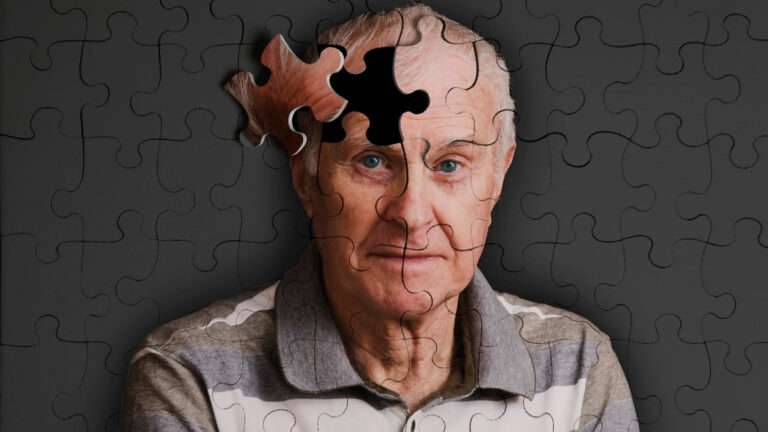
Most people dream of living to 100, but what if those extra years come with chronic pain, multiple medications, and dependence on others? The harsh reality is that Americans spend an average of 12 years living with significant health problems before death.
While medical advances have extended our lifespan, they haven’t necessarily improved the quality of those additional years. Millions of people find themselves trapped in bodies that have outlived their vitality.
The answer lies in shifting your focus from lifespan to healthspan — the years you live in excellent health, free from disease and disability.
Science shows you can compress illness into a shorter period while extending your healthy, vibrant years.
Through evidence-based strategies involving strength training, metabolic health, quality sleep, and stress management, you can add life to your years instead of just years to your life.
Your Healthspan
is More Important Than
Your Lifespan
1. The Healthspan Revolution: Redefining What It Means to Age Well

Imagine celebrating your 80th birthday while hiking mountains, playing with grandchildren, and pursuing new hobbies. This vision represents healthspan — the years you live in good health, free from chronic disease and disability.
Unlike lifespan, which simply counts years, healthspan measures the quality of those years. Most people think about living longer, but smart people focus on living better.
The distinction matters more than you might realize. Traditional medicine keeps us alive longer, yet many spend their final decades managing multiple medications and struggling with basic tasks.
Healthspan changes this narrative entirely by prioritizing vitality over mere survival.
2. The Science Behind Healthspan: What Research Reveals About Quality vs. Quantity

Stanford researcher James Fries introduced a groundbreaking concept called “compression of morbidity” in the 1980s.
His theory suggests we can compress illness into a shorter period at life’s end rather than suffering through decades of decline.
Recent studies from Harvard and other leading institutions confirm this approach works remarkably well. People who focus on healthspan strategies experience fewer chronic diseases and maintain independence longer.
Data from Blue Zones around the world shows populations living both longer and healthier lives simultaneously. These communities don’t just add years to life; they add life to years. The research consistently points toward the same conclusion: quality beats quantity every time.
3. The Modern Longevity Paradox: Why We’re Living Longer But Not Necessarily Better

Medical advances have pushed average lifespan from 47 years in 1900 to over 78 years today. Yet something troubling has happened along the way.
Americans now spend an average of 12 years living with significant health problems before death. Chronic diseases like diabetes, heart disease, and arthritis affect millions in their 40s and 50s.
Our sedentary lifestyles have created bodies that break down faster than they should. Environmental toxins, processed foods, and constant stress accelerate aging at the cellular level.
Technology keeps us alive longer, but our lifestyle choices determine whether those extra years bring joy or suffering. The paradox reveals itself clearly: we’ve mastered extending life but forgotten how to preserve health.
4. Muscle Mass: Your Body’s Most Underrated Longevity Asset

After age 30, you lose about 1% of muscle mass annually without intervention. This process, called sarcopenia, silently robs your strength, balance, and independence.
Strong muscles do more than help you lift heavy objects; they regulate blood sugar, support bone density, and boost metabolism. Research shows that muscle mass predicts longevity better than BMI or body weight.
Strength training twice weekly can reverse decades of muscle loss within months. Even people in their 90s can build significant muscle when they start resistance exercises.
Your muscles represent your body’s most powerful anti-aging system, yet most people ignore them until it’s almost too late.
5. The Metabolic Foundation: How Blood Sugar Control Shapes Your Health Destiny

Blood sugar swings throughout the day create a cascade of damage throughout your body. When glucose levels spike repeatedly, your cells become resistant to insulin over time.
This resistance leads to diabetes, heart disease, and accelerated aging at the cellular level. Even people without diabetes benefit enormously from stable blood sugar levels.
Eating protein first at meals slows glucose absorption significantly. Timing carbohydrates around physical activity helps muscles absorb sugar more efficiently.
Walking for just 10 minutes after eating can reduce blood sugar spikes by 30%. Your metabolic health today determines your energy, mood, and disease risk for decades to come.
6. Sleep Architecture: The Nightly Repair System That Determines Your Healthspan

During sleep, your brain literally washes away toxic proteins that accumulate during waking hours. Poor sleep quality accelerates cognitive decline and increases inflammation throughout the body.
Adults need 7 to 9 hours of quality sleep for optimal cellular repair and hormone production. Your bedroom temperature should stay between 65 and 68 degrees for the deepest sleep stages.
Blue light from screens disrupts melatonin production for up to three hours before bedtime. Creating a consistent sleep schedule trains your circadian rhythm and improves sleep quality naturally.
Quality sleep might be the most undervalued anti-aging intervention available to everyone.
7. The Social Prescription: Why Relationships Are as Important as Medicine

Loneliness creates the same health risks as smoking 15 cigarettes daily, according to research from Brigham Young University. People with strong social connections live 50% longer than those who are socially isolated.
Meaningful relationships reduce inflammation, lower blood pressure, and boost immune function measurably.
Quality matters more than quantity when it comes to social bonds. Having three close friends provides more health benefits than dozens of acquaintances.

Volunteering, joining clubs, or learning new skills with others creates natural opportunities for connection. Your social network might be the most powerful medicine in your health toolkit.
8. Stress Resilience: Transforming Life’s Pressures into Healthspan Advantages
Chronic stress floods your body with cortisol, accelerating aging and increasing disease risk substantially. However, short bursts of stress actually strengthen your body through a process called hormesis.

The key lies in recovery time between stressful events rather than avoiding stress entirely. Exercise, cold exposure, and intermittent fasting all provide beneficial stress that builds resilience.
Meditation and deep breathing activate your parasympathetic nervous system, promoting healing and repair. Building stress resilience requires practice, just like building physical strength in the gym.
People who handle stress well live longer, healthier lives than those who avoid challenges completely.
9. The Inflammation Connection: Controlling the Fire Within
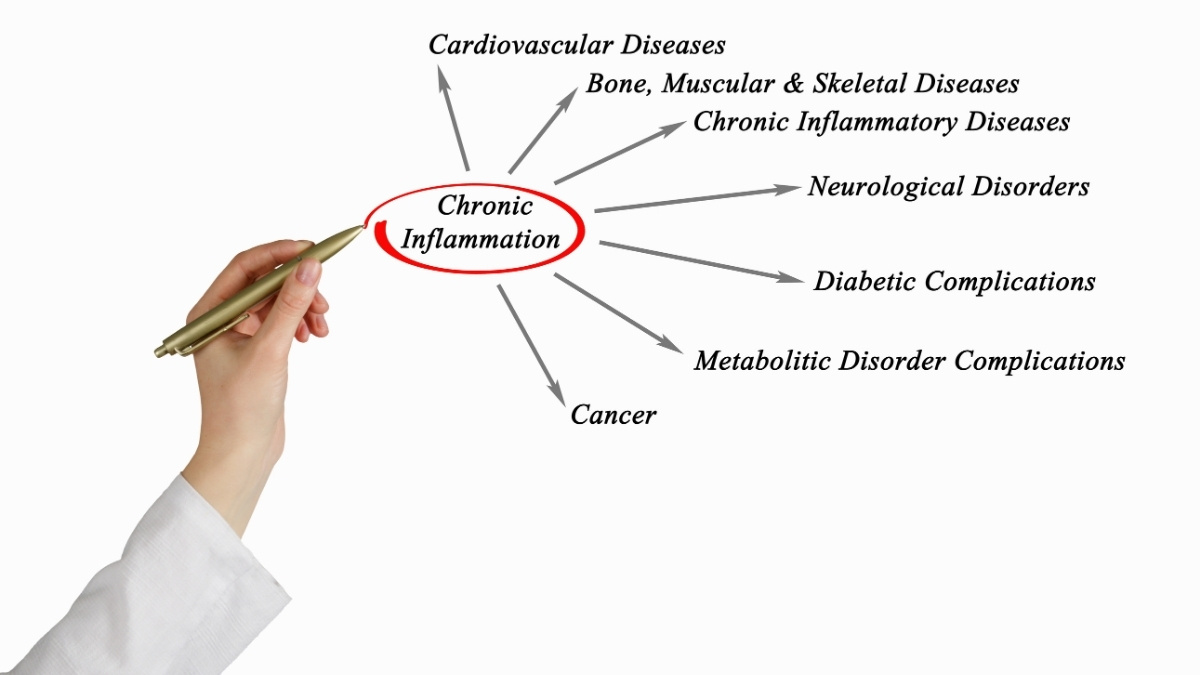
Chronic inflammation acts like a slow fire burning throughout your body, damaging cells and accelerating aging. Unlike the inflammation that heals cuts and fights infections, this persistent type destroys healthy tissue over time.
Processed foods, sugar, and trans fats fuel inflammatory responses that contribute to heart disease, cancer, and arthritis. Omega-3 fatty acids from fish and walnuts actively reduce inflammation markers in blood tests.
Colorful vegetables contain powerful compounds called polyphenols that calm inflammatory pathways naturally.
Regular exercise paradoxically reduces inflammation despite creating temporary stress on the body. Managing this internal fire through food choices and lifestyle habits can add healthy years to your life.
10. Cognitive Reserve: Building a Brain That Ages Gracefully
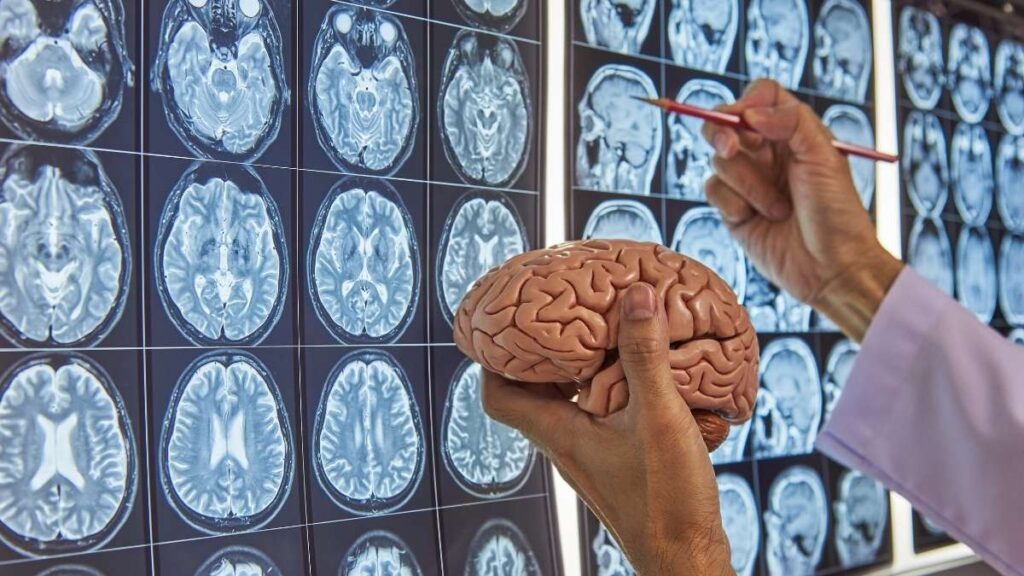
Your brain builds backup networks throughout life, creating what scientists call cognitive reserve. People with higher cognitive reserve maintain sharp thinking even when brain scans show age-related changes.
Learning new skills, especially complex ones like languages or musical instruments, strengthens neural pathways significantly.
Reading challenging books, solving puzzles, and engaging in deep conversations all contribute to brain resilience. Physical exercise increases a protein called BDNF that promotes new brain cell growth.
Social interaction challenges your brain in ways that solo activities cannot match. Building cognitive reserve early and consistently provides the best protection against mental decline.
11. The Mobility Imperative: Movement Patterns That Preserve Independence

Functional movement differs from gym exercises because it mimics real-world activities you need daily. Getting up from chairs, climbing stairs, and reaching overhead become challenging when these movement patterns deteriorate.
Balance training reduces fall risk by up to 40% in older adults, according to multiple studies. Flexibility work maintains the range of motion necessary for basic tasks like dressing and bathing.
Coordination exercises that challenge multiple body systems simultaneously provide the greatest benefits for independence. Simple activities like tai chi or yoga address balance, flexibility, and coordination in single sessions.
Maintaining these movement capabilities determines whether you age with grace or struggle with basic activities.
12. Your Personalized Healthspan Blueprint: Creating a Sustainable Long-term Strategy
Start by honestly assessing your current health status across all major areas: strength, metabolism, sleep, relationships, and stress management. Choose one or two areas that need the most attention rather than trying to change everything simultaneously.
Set specific, measurable goals like “walk 30 minutes daily” instead of vague intentions like “exercise more.” Track your progress using simple methods like smartphone apps or paper logs to maintain accountability.
Plan for obstacles and setbacks because they will happen, and have strategies ready to get back on track. Adjust your approach as life circumstances change, because flexibility keeps long-term plans sustainable.
Remember that small, consistent actions compound over years to create dramatic improvements in your healthspan./isolated-segment.html
The Healthspan Manifesto
The Paradigm Shift
Stop counting years; start measuring vibrancy. Healthspan is a fundamental shift in how we define living well. It’s about maintaining strength, clarity, and independence.
The Compound Effect
Every choice is a deposit or withdrawal. The strategies outlined are synergistic—they create compound benefits that multiply over time. Consistency beats intensity every time.
Capacity for Renewal
Your body retains a remarkable capacity for improvement at any age. The question isn’t whether you will age, but how you will age.