
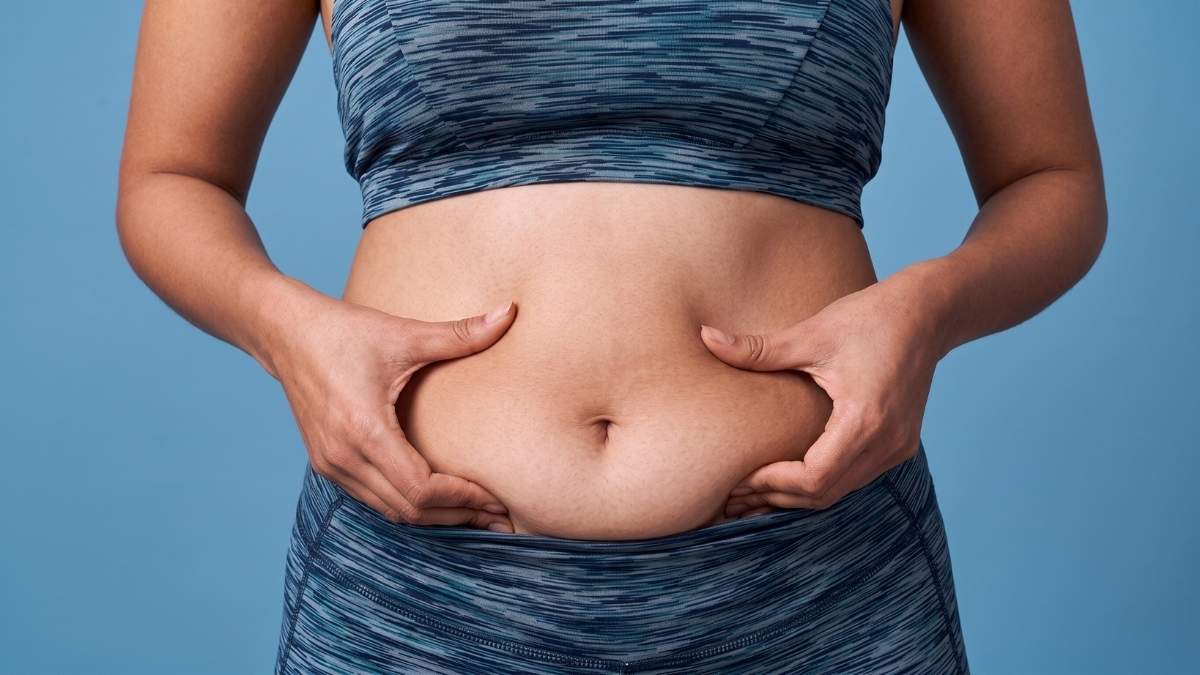
Your belly fat is not just sitting there. It is actively dumping toxic fatty acids into your liver every single day.
Most people think belly fat is a diet problem. It is not. It is a liver problem in disguise.
Right now, fatty liver disease affects nearly 40% of people worldwide. Most of them have no idea. The liver stays silent for years while damage quietly builds up inside.
This article will show you the real link between belly fat and liver failure. You will learn the warning symptoms, the exact tests to ask your doctor for, and the specific steps to reverse early liver damage before it becomes permanent.
Read every section. Your liver may already be sending you signals you keep ignoring.
Point One: The Hidden Connection Between Belly Fat and Liver Failure
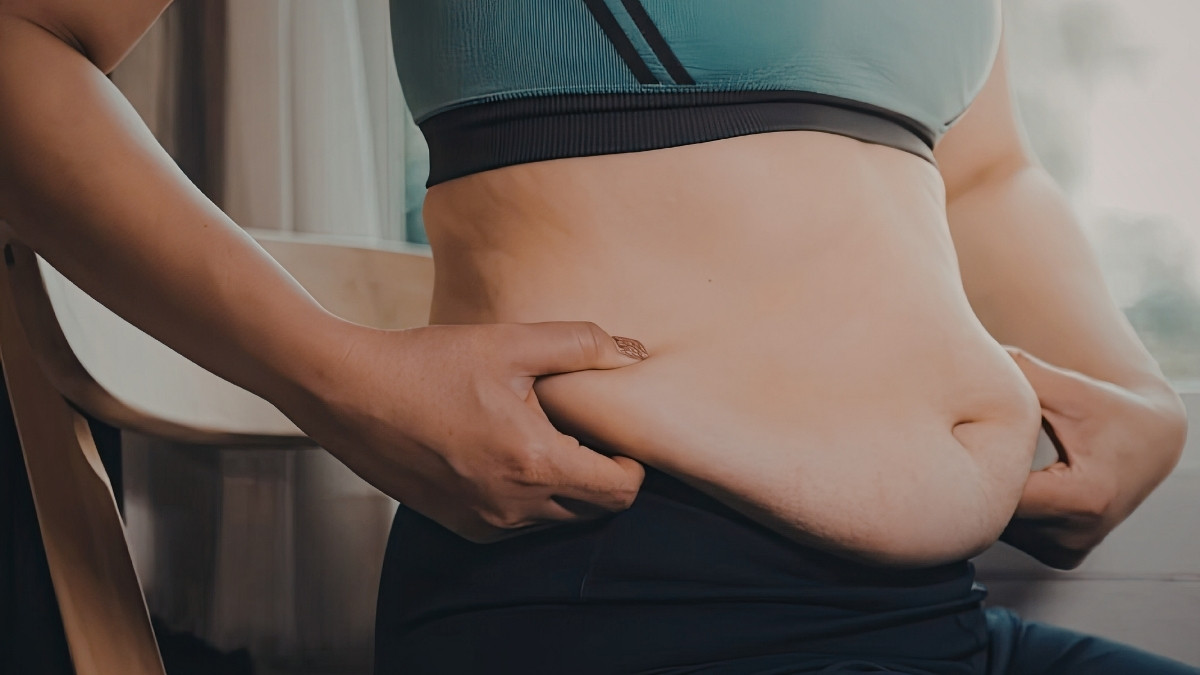
Most people think belly fat is stored energy. That is only half the truth.
There is a blood vessel called the portal vein. It connects your belly fat directly to your liver. When you carry too much visceral fat — the deep fat around your organs — it sends a constant stream of fatty acids, chemicals, and inflammatory signals straight into your liver.
Not all belly fat is the same. The soft fat you can pinch under your skin is not the dangerous kind. Visceral fat, the fat packed deep around your organs, is what causes liver damage.
Once it starts, a cycle kicks in. Fat reaches the liver. The liver gets inflamed. Insulin resistance worsens. More fat builds up. It keeps going.
The disease moves through stages. First, fat builds up in liver cells. Then inflammation sets in. Then comes scarring. Then cirrhosis. Then liver failure. Each stage is worse than the last.
Global research shows NAFLD prevalence jumped from 25% in the 1990s to 38% by 2019. By 2040, experts predict it will hit 55.7%. In the US alone, over 122 million adults could have this condition by 2050.
Quick Tips:
- Measure your waist. Above 40 inches for men or 35 inches for women is a red flag
- Visceral fat is not visible — a waist measurement tells you more than a mirror
- Weight alone does not tell the whole story. Belly size matters more
Point Two: Why Belly Fat Won’t Go Away — Your Liver May Be the Real Problem
Have you tried dieting but the belly fat stays? Your liver could be the reason.
When the liver is overloaded with fat, it stops processing glucose and lipids the way it should. This causes more fat to accumulate in the body, especially around the belly. It is a feedback loop. The more liver damage there is, the harder it becomes to lose abdominal fat.
This is not a willpower failure. It is a metabolic failure caused by a stressed liver.
Up to 70% of people with type 2 diabetes also have fatty liver disease, according to the NIDDK. Most of them do not know it.
Here is the biggest misconception: people think only heavy drinkers get liver disease. That is wrong. You can have zero alcohol in your life and still develop serious fatty liver disease. A high-fructose diet, processed foods, and obesity can cause the same damage alcohol does.
If you eat clean and exercise but your belly keeps growing, ask your doctor to check your liver. Do not assume it is just your metabolism.
Quick Tips:
- If belly fat is not moving despite diet and exercise, get a liver function test
- Insulin resistance and liver disease often appear together — test for both
- Non-drinkers can have severe fatty liver — diet matters more than most people realize
Point Three: The 9 Warning Symptoms of Liver Failure Hidden in Plain Sight
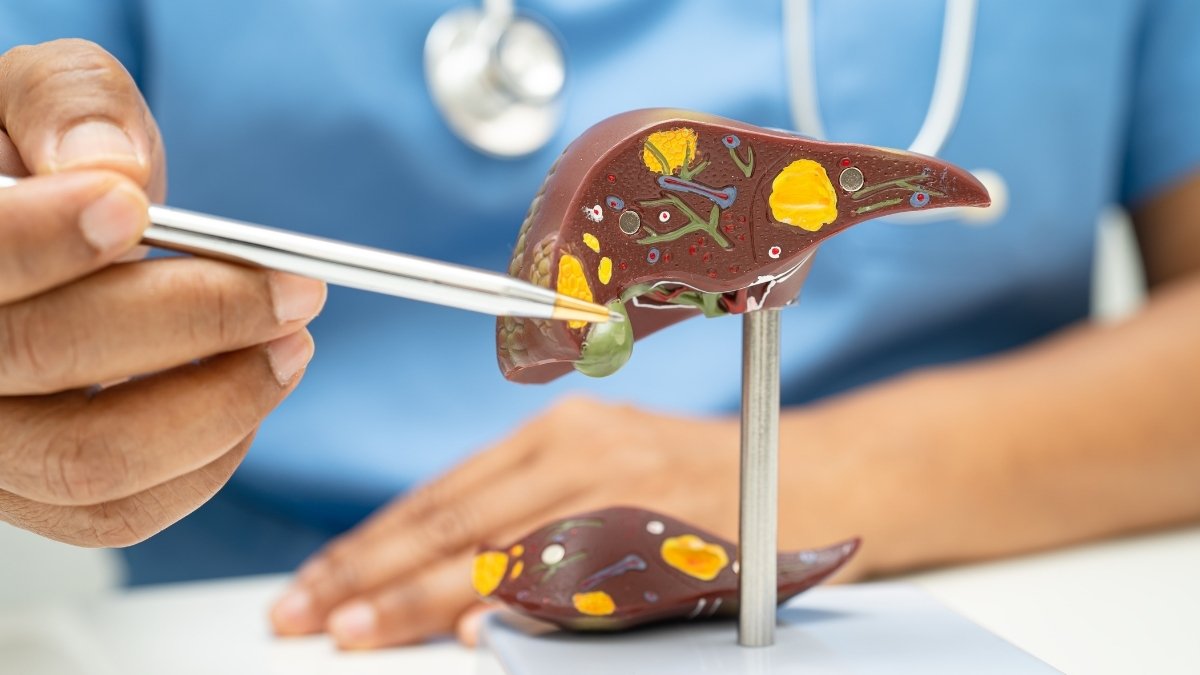
Fatty liver disease is called a silent disease for a reason. But it does send signals. Most people miss them.
Here are the 9 symptoms to check right now:
Constant Tiredness
You feel drained despite sleeping. The liver is failing to produce essential energy.
Stubborn Belly Fat
Fat refuses to burn off due to insulin resistance triggered by dysfunction.
Abdominal Pain
A persistent, dull ache or fullness localized just below your right rib.
Jaundice
Late-stage warning: uncleared bilirubin causes yellowing skin and eyes.
Swollen Limbs
Poor fluid regulation leads to uncomfortable buildup in the legs and belly.
Brain Fog
Uncleared toxins reach the brain, causing poor focus and mental slowness.
Dark Skin Patches
Thick, dark folds of skin appear, linked to insulin resistance.
Itchy Skin
Toxins become trapped under the skin, leading to persistent dryness and itching.
Unexplained Weight Loss
In advanced stages, the liver entirely stops supporting normal metabolism.
Quick Tips:
- If you have 3 or more of these symptoms, see a doctor this week
- Do not wait for jaundice — by then, damage is already advanced
- Screenshot this list and show it to your doctor at your next visit
Point Four: How Doctors Diagnose Fatty Liver — Tests You Should Ask for Today
Fatty liver disease is often found by accident during routine blood work. Most people never ask for the right tests.
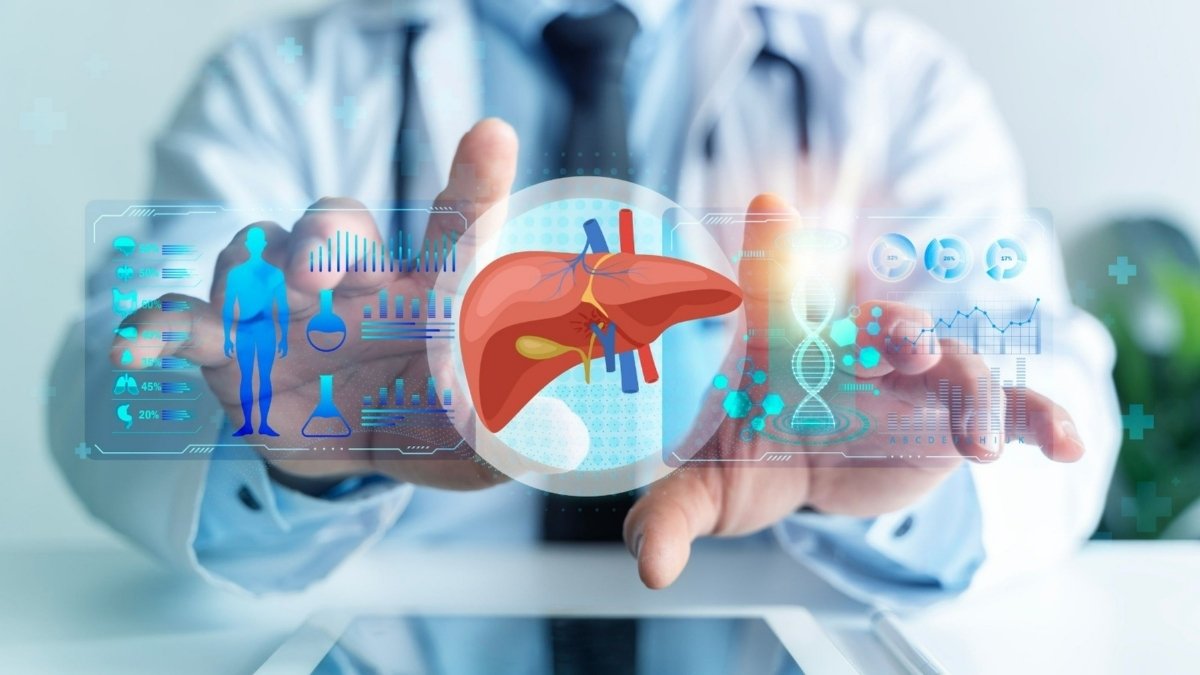
Here is exactly what to request from your doctor:
Blood tests:
- ALT and AST — these are liver enzymes that rise when the liver is damaged
- GGT — another enzyme that signals liver stress
- FIB-4 Index — calculated from your age, platelet count, ALT, and AST. It estimates liver scarring without surgery
- Fasting insulin and blood glucose — to catch insulin resistance early
- Lipid panel — high triglycerides and LDL are closely linked to liver disease
Imaging tests:
- Abdominal ultrasound — cheap, widely available, and shows fat in the liver
- FibroScan — measures liver stiffness non-invasively in minutes
- MRI-PDFF — the most accurate non-invasive method available today
Here is the self-check you can do right now. Measure your waist. Men above 40 inches and women above 35 inches are at high risk.
Despite these facts, both patients and many doctors overlook MASLD until serious damage has occurred, according to the American Diabetes Association (2025).
Quick Tips:
- Ask specifically for ALT, AST, and a liver ultrasound — your doctor may not offer them unless asked
- The FIB-4 score is free to calculate online if you already have lab results
- Waist circumference is a faster and cheaper first screening tool than any blood test
Point Five: The Foods That Are Silently Destroying Your Liver
You may be eating foods that damage your liver every single day without knowing it.
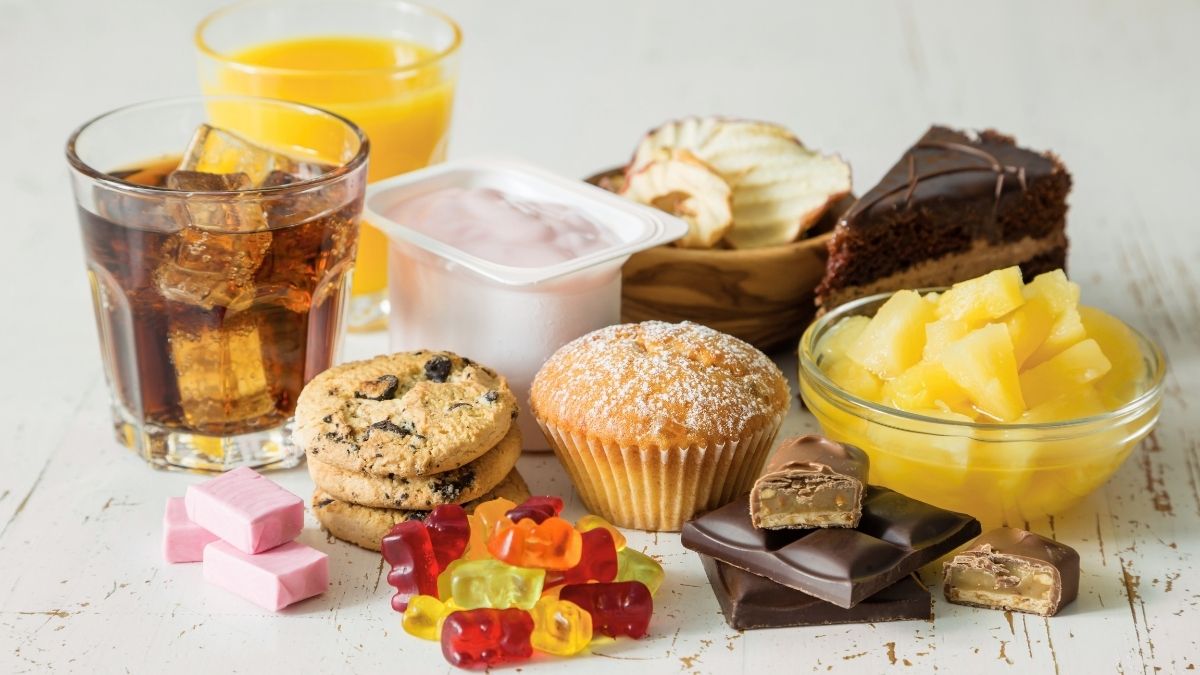
The worst offenders are not what most people expect.
Fructose and high-fructose corn syrup are the biggest threat. Unlike regular sugar, fructose is processed almost entirely by the liver. Sodas, fruit juices, sports drinks, and packaged sauces flood your liver with fructose, which gets converted directly into fat.
Research published in 2025 confirms that diets high in saturated fat, trans fat, omega-6 oils, added sugars, and sweetened drinks directly drive NAFLD progression.
Here is the list of foods that are doing the most damage right now:
- Sodas (regular and diet)
- Packaged fruit juices and smoothies
- White bread and white rice
- Breakfast cereals
- Potato chips, pretzels, crackers
- French fries and fast food
- Candy and pastries
Alcohol makes things significantly worse. According to Johns Hopkins Medicine, no amount of alcohol is safe once liver inflammation has started.
The good news: coffee is protective. Black coffee or lightly sweetened coffee has shown consistent liver benefits in clinical studies.
Quick Tips:
- Replace one soda per day with water or black coffee — this single swap reduces liver fat load
- Read labels: if high-fructose corn syrup appears in the first three ingredients, avoid that product
- Diet soda is not a safe swap — it still stresses the liver
Point Six: The Proven Diet That Reverses Fatty Liver With Specific Food Lists
There is one diet with solid clinical evidence behind it for reversing fatty liver. It is the Mediterranean diet.
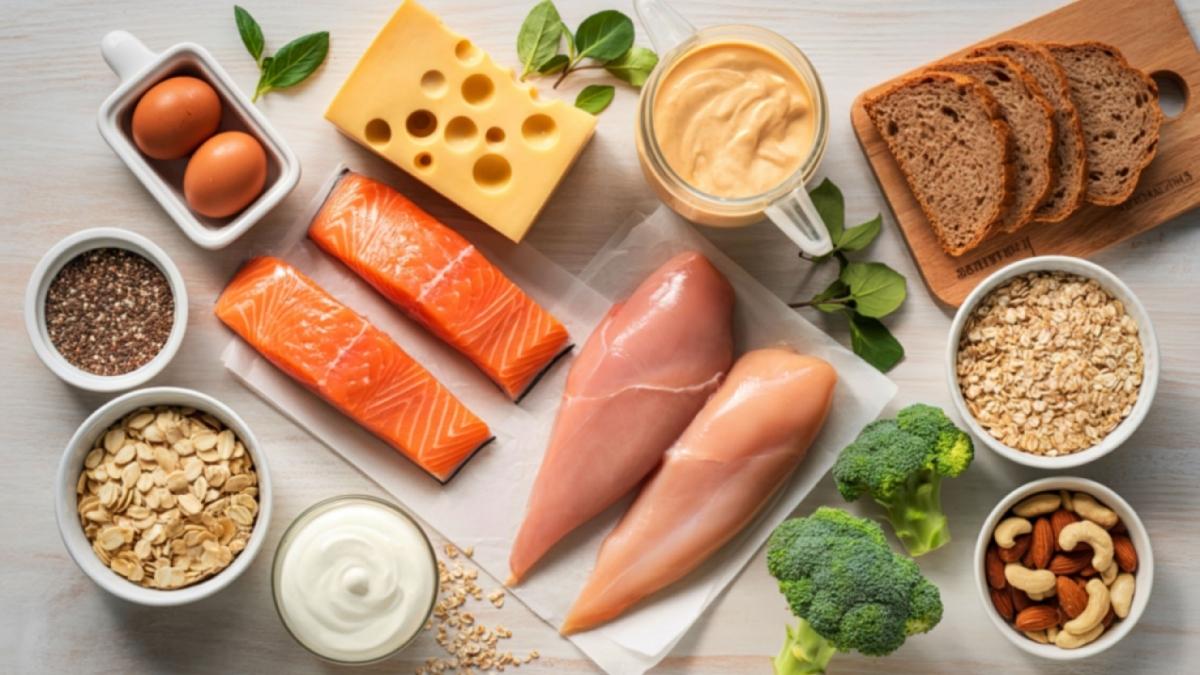
This is not a trend. It has outperformed other diets in clinical trials specifically for liver fat reduction.
Here is how it works. Olive oil and fatty fish provide omega-3 fats that help the liver export stored fat instead of holding onto it. High-fiber vegetables and legumes improve insulin sensitivity. Antioxidants from berries and leafy greens reduce liver inflammation.
Here is the specific list of foods that heal the liver:
- Fatty fish (salmon, sardines, mackerel) — 5 to 6 times per week
- Leafy greens (spinach, kale, arugula) — daily
- Extra virgin olive oil — use as your main cooking fat
- Legumes (lentils, chickpeas, black beans) — at least 3 times per week
- Walnuts — small daily handful reduces liver enzyme levels
- Oats and whole grains — daily
- Berries — any variety, daily
- Black coffee — 1 to 2 cups daily is liver-protective
You do not need to be perfect. Start with one swap. Replace your cooking oil with olive oil tonight.
Quick Tips:
- Aim for 6 servings of vegetables daily — this alone reduces liver fat significantly
- Walnuts are the easiest liver-protective snack you can add immediately
- Cook with olive oil instead of vegetable oil as your very first dietary change
Point Seven: The Exercise Plan That Shrinks Liver Fat in 8 to 12 Weeks
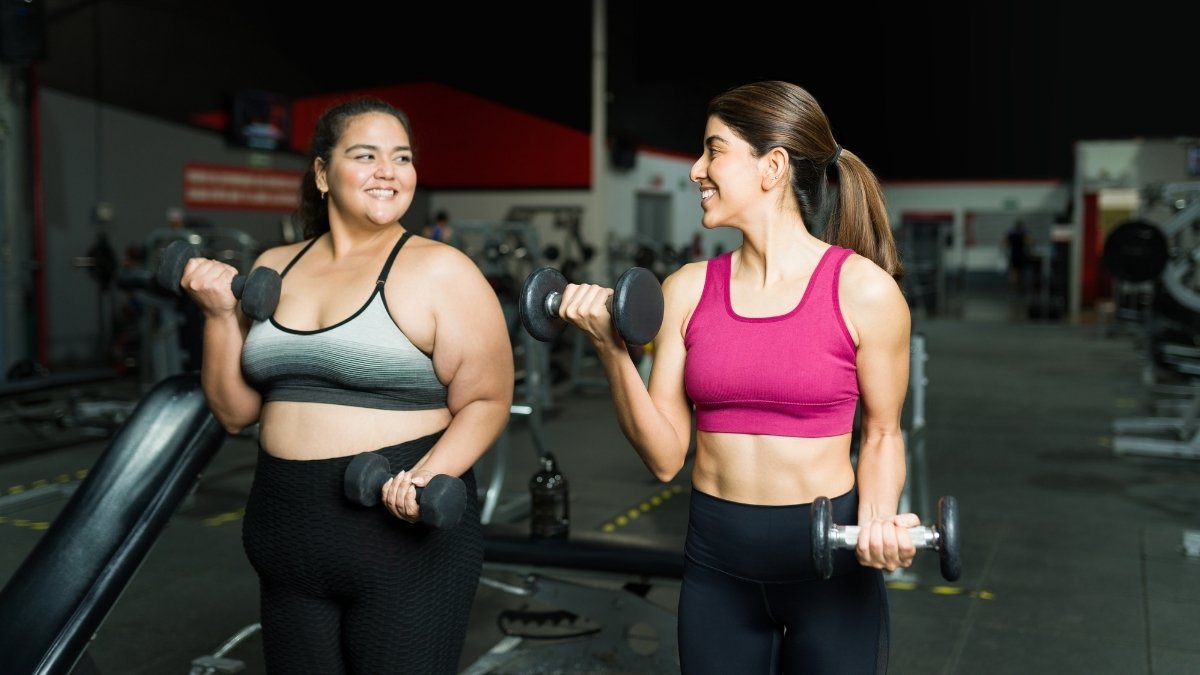
Exercise reduces liver fat before you lose a single pound on the scale. That is a medical fact, not motivation.
When you move your body, your muscles burn fatty acids from the blood. This directly reduces the amount of fat reaching the liver. It also improves insulin sensitivity, which breaks the feedback loop that keeps belly fat growing.
Here is the minimum that works:
150 minutes of moderate activity per week. That is 30 minutes, five days a week. Walking counts. Swimming counts. Cycling counts. Any movement counts.
Plus 2 sessions of strength training per week. Building muscle increases your resting metabolism and helps the body use insulin better. This directly reduces liver fat over time.
If you are completely sedentary right now, start here: a 10-minute walk after dinner every night. This single habit reduces blood sugar spikes after meals, which lowers the daily fat load on your liver.
What to expect: liver enzyme levels improve within 8 to 12 weeks of consistent movement. Visible reduction in liver fat on scans happens within 3 to 6 months. Do not crash-diet to speed this up — rapid weight loss increases liver stress.
Quick Tips:
- A 10-minute walk after dinner is the lowest-risk, highest-return habit you can start tonight
- Strength training twice a week builds the muscle that helps your liver the most
- Never crash-diet — losing more than 2 pounds per week worsens liver inflammation
Point Eight: Your 2026 Action Plan — What to Do in the Next 30 Days

Here is a clear, week-by-week plan. No guesswork.
4-Week Recovery
Action Plan Tickets
Get Tested
Call your doctor to schedule an ALT, AST, GGT, lipid panel, fasting insulin, and ultrasound. Measure your waist and do not cancel the appointment.
Cut the Worst Foods
Eliminate sodas, juices, white-flour, and processed snacks. Replace them entirely with water, black coffee, whole fruit, and whole grains.
Start Walking
Your only exercise goal this week is to complete a brisk 20 to 30 minute walk every single day immediately after your dinner.
Shift Your Eating
Add fatty fish once per week, switch your cooking fat to olive oil, and increase your vegetables to 4 to 6 servings per day.
The target is modest. Losing 5% of your body weight reduces total liver fat. Losing 7% to 10% reverses inflammation and early scarring, according to Mayo Clinic (2026). That is 10 to 20 pounds for most people — not a hundred.
For people with advanced MASH and fibrosis, the FDA-approved drug Resmetirom (Rezdiffra) became available in 2024. Ask a hepatologist if you qualify.
Quick Tips:
- Week 1 is the most important — getting tested tells you exactly where you stand
- Losing just 10 to 14 pounds can measurably reverse liver fat in most people
- See a hepatologist if any scan or blood test shows liver abnormalities — not just a general practitioner
Conclusion
Belly fat and liver disease are connected. The fat around your abdomen directly feeds liver inflammation every day.
The good news: caught before cirrhosis, fatty liver is reversible. A 5% to 10% weight loss, the right diet, and consistent movement are enough for most people to see real improvement within months.

Your belly fat may be your liver’s loudest warning sign. Check it now.
Belly fat may signal liver failure, not just weight gain. Learn the hidden symptoms your body is sending and when to see a doctor immediately.