Why Seniors Struggle With Constipation—and My Natural Relief Blueprint (Gut Health Crisis)

Nearly half of all seniors deal with constipation regularly. But you don’t have to accept it as part of getting older.
You’re tired of feeling uncomfortable and bloated. You’ve tried laxatives, but they only work for a day or two. Then you’re right back where you started. And nobody talks about this problem, so you feel alone.
Here’s what you’ll learn in this article. I’ll show you why constipation gets worse after 65 and what’s really causing it. You’ll get my 5-step natural relief system that works without harsh medications. And you’ll know exactly when something needs a doctor’s attention.
This isn’t about quick fixes that stop working. It’s about fixing the root problems so you feel better every single day. Let’s get started.
Why Seniors Struggle
With Constipation
— And My Natural Relief Blueprint —
The Shocking Truth About Constipation in Seniors

Up to 50% of nursing home residents deal with constipation symptoms. And 74% of them take laxatives every single day just to go to the bathroom.
But here’s what most people don’t know. Constipation affects 20% of all adults, but the rates shoot up dramatically after age 65. Women face constipation two to three times more often than men. That’s millions of seniors struggling with this problem right now.
The numbers get worse. Chronic constipation causes 2.8 million doctor visits and emergency room trips each year in the US alone. That’s a lot of people who can’t find relief at home.
Recent research from 2025 shows something surprising. Constipation doesn’t just make you uncomfortable. It reduces your ability to move around and affects your thinking and memory. Seniors with constipation report more pain, worse mobility in their legs, and lower quality of life overall.
Here’s the real problem. Most seniors only treat the symptoms. They take a laxative when things get bad. But they never fix what’s causing the constipation in the first place. That’s why the problem keeps coming back.
Your body is trying to tell you something. And once you understand what’s happening, you can actually fix it.
Biological Aging Factors
Lifestyle Overrides Biology
The 6 Hidden Causes of Senior Constipation
Let me show you the six biggest reasons seniors get constipated. Chances are, at least three of these affect you right now.
Cause 1: Medications

Your medications might be the main culprit. Pain medicines like Percocet, Oxycontin, and Norco are notorious for causing constipation. If you take these, constipation is almost guaranteed.
But that’s not all. Antidepressants slow down your gut. Antihistamines for allergies dry you out. Blood pressure medications, especially calcium channel blockers, affect how your intestines move. Iron supplements, antacids with aluminum, anti-spasmodic drugs, and medications for Parkinson’s disease all cause constipation.
Even drugs you take every day without thinking about it can be the problem. Antacids, tranquilizers, and anticonvulsants for epilepsy all slow down your digestive system.
Don’t stop taking your medications. But do this instead. Write down every pill you take, including vitamins and over-the-counter drugs. Take that list to your doctor. Ask if any of them cause constipation and if there are alternatives you could try.
Cause 2: Dehydration

You need 6 to 8 cups of water every day. But most seniors don’t drink nearly enough.
Here’s why. As you get older, your sense of thirst gets weaker. You don’t feel thirsty even when your body needs water. Some seniors also drink less because they’re worried about accidents or getting up at night to use the bathroom.
When you don’t drink enough, your colon absorbs more water from your stool. That makes it hard, dry, and difficult to pass. It’s like trying to push a rock through a tube.
Coffee and soda make it worse. These drinks actually pull water out of your body. You might think you’re hydrating, but you’re making the problem worse.
The fix is simple but requires attention. Start tracking your water intake. Keep a glass of water next to your chair. Set reminders on your phone. Drink a full glass when you wake up and another with each meal.
Cause 3: Reduced Physical Activity

Moving your body helps move your bowels. It’s that simple.
Physical activity makes your intestinal muscles contract and push waste through your system. When you sit or lie down all day, everything slows down. Your gut gets lazy.
Here’s the cycle that traps many seniors. You feel constipated, so you feel tired and uncomfortable. You don’t want to move around. But not moving makes your constipation worse. Then you feel even more tired. It becomes a vicious circle.
Even small amounts of movement help. You don’t need to run marathons. A 10-minute walk after breakfast can make a real difference. Stretching in your chair counts too.
The minimum amount of exercise that helps is 30 minutes per day. But you can break that up. Ten minutes three times a day works just as well.
Cause 4: Dietary Changes

What you eat matters more than you think. Recent research on over 96,000 older adults found something important.
Mediterranean and plant-based diets dramatically reduce constipation. We’re talking about vegetables, nuts, olive oil, and healthy fats. These diets work even better than just adding fiber. They change how your gut functions at a deeper level.
Western diets do the opposite. Processed foods, red meat, and inflammatory foods raise your constipation risk significantly. Your gut doesn’t know how to process these foods efficiently.
Most seniors don’t get enough fiber. The recommendation is 20 to 35 grams per day. But the average senior gets maybe 10 to 15 grams. That’s less than half of what you need.
The problem isn’t just amount. It’s also variety. You need both soluble fiber (from oats and beans) and insoluble fiber (from vegetables and whole grains). Most people only get one type.
Cause 5: Chronic Health Conditions
Several health conditions directly cause constipation. If you have Parkinson’s disease, the nerve damage affects your intestinal muscles. Low thyroid slows down your entire metabolism, including your gut.
Diabetes damages the nerves that control your digestive system. Depression affects gut motility through your nervous system. Structural problems like tumors or strictures can physically block your intestines.
Even conditions you wouldn’t expect can cause problems. Stroke survivors often develop constipation because of nerve damage. Multiple sclerosis affects the signals between your brain and gut. Dementia patients might not recognize the urge to go.
If you have any chronic condition, ask your doctor specifically about constipation. It might be a direct result of your disease, not just bad luck.
Cause 6: Ignoring the Urge

Your body sends signals when it’s time to go. But many seniors ignore these signals.
Sometimes you can’t get to the bathroom fast enough. Mobility problems make it hard to reach the toilet in time. So you hold it. After a while, the urge goes away. Your rectum stretches to hold more, and the signals get weaker.
Cognitive decline makes this worse. You might not recognize the signal anymore. Or you might forget you need to go. By the time you remember, the moment has passed.
Some seniors also avoid going because it’s painful. If you have hemorrhoids or rectal issues, you might delay using the bathroom. But holding it only makes the stool harder and more painful to pass later.
Never ignore the urge to go. When your body signals, go to the bathroom immediately. This keeps your system working properly and prevents worse problems down the line.
My 5-Step Natural Relief Blueprint
Here’s my proven system. Start with Step 1 and master it for a week. Then add the next step. Within a month, all five steps will be working together.
Step 1: The Hydration Reset

Start your day with water. Before you eat anything, drink a full glass of water with a little lemon juice squeezed in.
This morning routine wakes up your digestive system. The warm liquid stimulates your intestinal muscles. The lemon adds a gentle natural effect that gets things moving.
Drink at least four to six glasses of fluid throughout the day. But here’s the key—spread them out. One glass when you wake up. One with each meal. One between meals. Keep a water bottle or glass near you at all times.
Avoid drinks that dehydrate you. Cut back on coffee and soda. These drinks pull water out of your body instead of adding to it. If you love coffee, that’s okay. Just drink an extra glass of water for every cup of coffee.
Make it easy to remember. Set alarms on your phone every two hours. Keep water by your favorite chair. Put a glass on your nightstand for morning. Small habits like these add up fast.
Step 2: Smart Fiber Strategy

You need 20 to 35 grams of fiber each day. But don’t jump from 10 grams to 35 overnight. That will give you gas and bloating.
Start by adding 5 grams per week. This gives your gut time to adjust. Add one high-fiber food at a time and see how your body responds.
The best fiber sources for seniors are easier to eat and more effective. Prunes work better than fiber supplements like psyllium. Just five prunes a day can make a real difference. Kiwi fruit is even better. Studies show it works better than prunes with fewer side effects. Two kiwis per day is the sweet spot.
Flaxseeds give you a high dose of fiber in a small amount. Add one tablespoon of ground flaxseed to your oatmeal or yogurt. Whole grains, vegetables, beans, and berries all count too.
Here’s a trick many people don’t know. Take a tablespoon of olive oil in the morning. It lubricates your digestive tract naturally and helps things move along smoothly.
Remember, fiber without water makes constipation worse. Every time you add more fiber, drink more water too.
Step 3: Movement Medicine
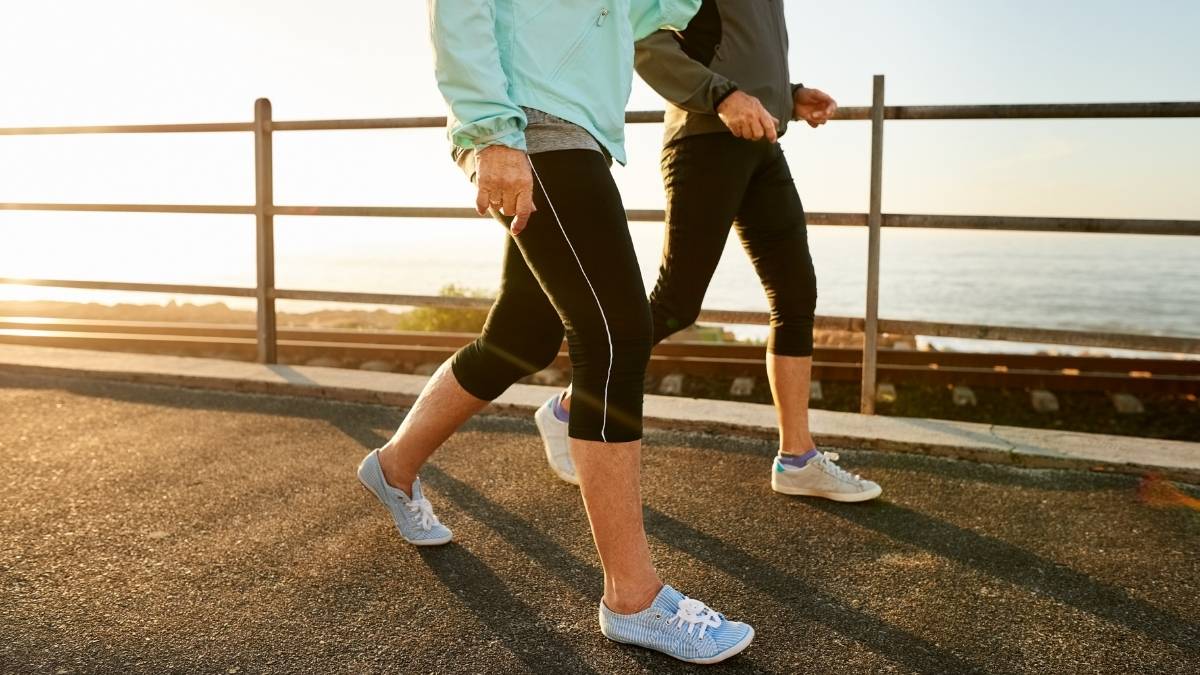
You need 30 minutes of movement each day. But you can break it into smaller chunks if that’s easier.
Start with walking. Walk for 10 minutes after breakfast. This is the most important walk of the day because it stimulates your digestive system right when it’s most active. Add another walk after lunch or dinner if you can.
Gentle yoga helps too. You don’t need fancy poses. Three simple stretches make a big difference. The wind-relieving pose relieves gas and pressure. Lie on your back, pull one knee to your chest, hold for 30 seconds, then switch legs. Cat-cow stretch loosens your spine and massages your organs. Seated spinal twists stimulate your intestines from both sides.
If you can’t walk or do yoga, try chair exercises. Seated marches get your legs moving. Torso twists work your core muscles. Leg lifts engage your lower abdomen. Do these for 5 to 10 minutes three times per day.
Abdominal massage works surprisingly well. Use your fingertips to make circles on your belly in a clockwise direction. Start at your lower right side, move up, across, and down your left side. This follows the path of your colon. Do this for 5 to 10 minutes each morning.
The key is consistency. Moving a little bit every day beats exercising hard once a week.
Step 4: Probiotic Power

Probiotics improve constipation by 10% to 40% compared to doing nothing. That’s significant relief for many people.
The best probiotics increase how often you go and make your stool softer and easier to pass. But not all probiotics work the same way. You need the right strains.
Bifidobacterium longum is the most tested and proven strain for constipation. Look for it on the label. Multi-species probiotics work better than single-strain products. A blend of different beneficial bacteria gives you better results.
You can get probiotics from food or supplements. Yogurt with live cultures, kefir, sauerkraut, and kimchi all contain helpful bacteria. Eat one serving of fermented food every day if you can.
If you take supplements, look for products with at least 10 billion CFUs (colony forming units). Take them on an empty stomach for best absorption, usually first thing in the morning.
Here’s what many people don’t know. Probiotics take time to work. Don’t expect results in three days. You need to take them consistently for at least two to four weeks before you see real improvement. Long-term use gives you better results than short-term use.
Step 5: Establish Your Bathroom Routine
Your body loves routines. Train it to go at the same time every day.
Within an hour of waking up, do these four things in order. First, drink that glass of warm lemon water from
Step 1. Second, eat breakfast with fiber (your cereal or oatmeal from Step 2).
Third, do some light movement like walking or stretching from
Step 3. Fourth, sit on the toilet for 10 minutes even if you don’t feel the urge.
The best time to go is 15 to 30 minutes after breakfast. Your digestive system is naturally most active in the morning after you eat. This is when your body wants to go.
Use a footstool under your feet when you sit on the toilet. This is the Squatty Potty concept. Elevating your feet changes the angle of your rectum and makes it much easier to pass stool. You don’t need to buy anything special. A regular step stool or even a few books work fine.
Never strain or push hard. If nothing happens after 10 minutes, that’s okay. Get up and try again tomorrow. Straining damages your rectal tissues and can cause hemorrhoids. Let your body work naturally.
For people with dementia, caregivers should establish a regular bathroom schedule. Take them to the bathroom at the same times each day. This trains their body to go regularly even if they can’t communicate the urge.
What Works (And What Doesn’t) – Evidence-Based Solutions

Let me save you time and money. After reviewing dozens of recent studies, here’s what actually works and what wastes your effort.
The Efficacy Check
Mediterranean & Plant-Based
Healthy fats (olive oil, nuts) reduce constipation independent of fiber. Anti-inflammatory effects help gut function.
Osmotic Laxatives
(e.g., Miralax). Gentler than stimulants. They draw water into the colon and are safe for long-term use.
Consistent Routine
The #1 factor. Same wake time, meal time, and bathroom time. Your gut responds to predictability.
Stool Softeners (Docusate)
Ineffective for seniors. Multiple studies show they don’t produce results in chronically ill older adults.
Fiber Without Water
Makes constipation worse. Fiber absorbs what little water you have, turning into a hard mass. You need both.
Sporadic Treatment
Emergency interventions fail. Taking a laxative “once a week” when you feel bad doesn’t fix the underlying issue.
When Natural Methods Aren’t Enough
Sometimes you need medication help. Here’s the right order to try things.
Start with osmotic laxatives like polyethylene glycol. These are safest for long-term use. If that doesn’t work, your doctor might add a stimulant laxative like senna or bisacodyl. Use these only when needed, not every day.
Water-based enemas are safer than phosphate-based enemas for older adults. Doctors recommend these for severe constipation that doesn’t respond to oral treatments. Never use enemas regularly without talking to your doctor.
Biofeedback therapy helps if you have pelvic floor dysfunction. This training teaches your muscles how to work properly during bowel movements. It’s especially useful if your constipation comes from weak or uncoordinated pelvic floor muscles.
Red Flags
Especially if it worsens after eating. Could signal a blockage. Call today.
Never assume it’s just hemorrhoids. Must be evaluated to rule out serious conditions.
Losing weight without trying + constipation is a major red flag combination.
If you’ve never had issues and suddenly develop them over age 50, get checked.
Conclusion:
Constipation affects up to 50% of seniors, but it’s not inevitable. You now know the six root causes: medications, dehydration, lack of movement, poor diet, health conditions, and ignoring urges.
My 5-step natural blueprint gives you a clear path forward. Start with hydration. Add smart fiber. Move your body. Take probiotics. Establish your bathroom routine. Each step builds on the last one.
You don’t need to do everything at once. Small, consistent changes create lasting relief. The combination approach works better than any single fix.
Your quality of life can improve dramatically. Better digestion means more energy, less discomfort, and the freedom to enjoy your days without worrying about your bowels.
Start with just one step today. Pick the easiest change from my blueprint. Maybe it’s adding a morning glass of lemon water. Maybe it’s a 10-minute walk after breakfast. Do that one thing consistently for two weeks. Track your progress. Then add the next step.
Your digestive system will thank you. Natural relief for senior constipation is achievable. Better digestive health is possible at any age. You can take control of your elderly bowel health starting right now.