Why Running Slower is the New Secret to Looking Younger. The Science of Zone 2

What if the secret to looking younger wasn’t grueling HIIT sessions or marathon training, but running so slowly you could hold a conversation?
You’ve been told that harder, faster exercise is better. But you’re exhausted. Maybe injured. And you still see aging signs in the mirror. Meanwhile, some people seem to age in reverse doing what looks like easy jogging.
Here’s what you’ll learn: the science behind Zone 2 training and cellular aging. How slow cardio affects your mitochondria, telomeres, and skin. Exactly how to calculate your personal Zone 2. A practical weekly training plan you can start today.
Zone 2 training isn’t about pushing harder. It’s about training smarter for anti-aging exercise that actually works at the cellular level.
What is Zone 2 Training? (The Basics You Need)

Zone 2 is exercise at 60-70% of your maximum heart rate. That’s it.
Here’s the easy test: can you hold a conversation while exercising? If yes, you’re probably in Zone 2. If you’re huffing and puffing, you’ve gone too hard.
For a 40-year-old, Zone 2 sits around 108-126 beats per minute. It feels almost too easy. That’s the point.
Dr. Peter Attia calls Zone 2 one of the four essential pillars of exercise for aging. Research shows 3-5 hours per week gives you the best results. You can walk, jog slowly, cycle, or swim. Any low-intensity cardio works.
Most people mess this up. They think harder is better. But Zone 2 is different from high-intensity training. It’s conversational pace aerobic training that builds your base.
Think of it this way: you should be able to chat with a friend the entire time. If you can’t, slow down.
The Cellular Anti-Aging Connection: Mitochondria & Telomeres

Your cells have tiny power plants called mitochondria. They make energy for everything you do. As you age, you lose mitochondria. Your cells get weaker. You feel it.
Zone 2 training triggers your body to build new mitochondria. Studies show aerobic training increases mitochondrial density by 20-40%. More mitochondria means more energy. Better cellular function. Slower aging.
Then there are telomeres. Think of them as protective caps on your chromosomes. Every time your cells divide, telomeres get shorter. When they’re too short, your cells age and die.
Research from 2025 shows melanocyte telomere damage correlates with skin wrinkling. Shorter telomeres mean older-looking skin. Zone 2 may preserve telomere length better than intense exercise.

Why? High-intensity training creates oxidative stress. That’s cellular damage. Zone 2 reduces this stress while still giving you benefits. It’s the sweet spot for mitochondrial function and healthspan.
How Zone 2 Training Makes You Look Younger
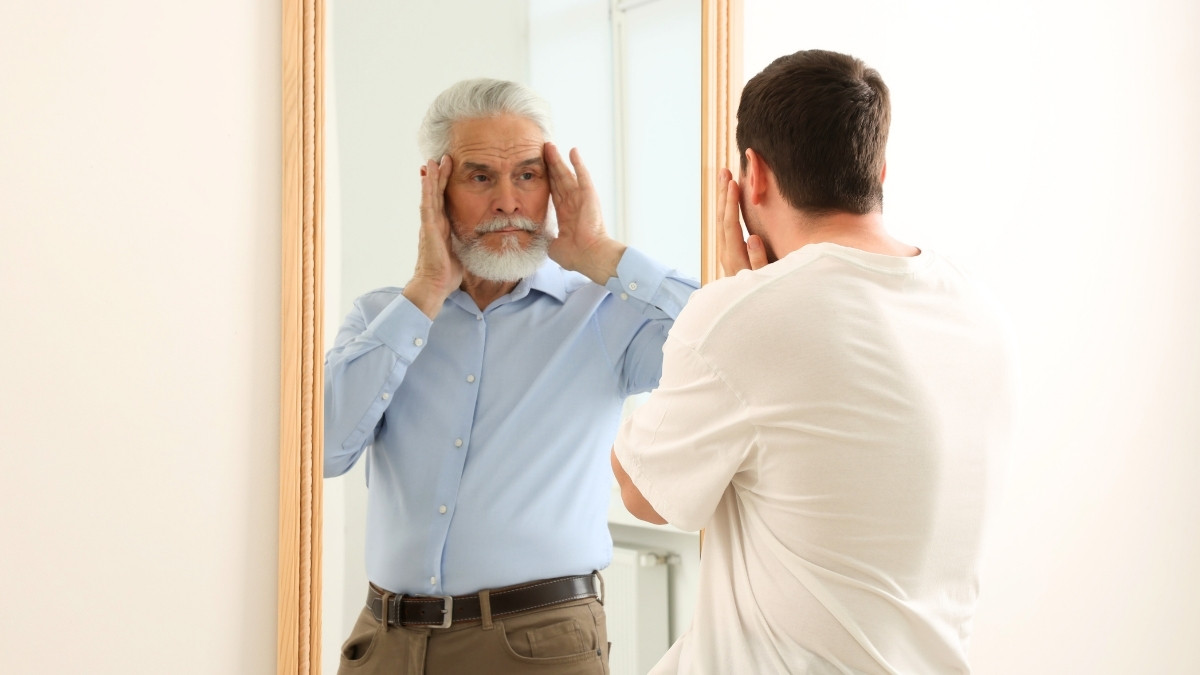
Your skin shows what’s happening inside your cells. When telomeres shorten and cells become senescent, you see wrinkles. Sagging. Age spots.
Zone 2 Defense
Research from 2025 shows reduced skin wrinkling in sun-protected areas correlates with longevity. People who do consistent Zone 2 training report looking 3-5 years younger after six months.
The anti-aging benefits are real. You’re not just imagining it. Your skin aging slows down at the cellular level.
The Longevity Benefits Beyond Appearance

Looking younger is great. Living longer and healthier is better.
Zone 2 strengthens your heart. Your resting heart rate drops. Your left ventricle gets stronger and pumps more blood per beat. That’s cardiovascular fitness that matters.
Your metabolic health improves too. Insulin sensitivity gets better within 8-12 weeks. Your body handles blood sugar more efficiently. This prevents diabetes and metabolic disease.
Here’s a big one: VO2 max improvement. People with the highest VO2 max scores have an 84% lower risk of death. Zone 2 training builds your aerobic base and improves VO2 max over time.
Studies of centenarians show one common factor: moderate aerobic activity. Not intense training. Not sitting on the couch. Steady, consistent movement.
Your brain benefits too. Better blood flow means better cognitive function. Reduced disease prevention risk. Improved functional fitness for daily activities.
Longevity training isn’t complicated. It’s just consistent, moderate effort.
How to Calculate Your Personal Zone 2

Three ways to find your Zone 2. Start with the simplest.
The talk test: can you speak in full sentences while exercising? Yes means Zone 2. Gasping for air means you’re too high. This works for most people and costs nothing.
The basic formula: (220 – your age) × 0.60-0.70. A 40-year-old gets 108-126 beats per minute. Simple but only accurate for about 20% of people.
The Karvonen method is better. Take your max heart rate, subtract your resting heart rate, multiply by 0.60-0.70, then add back your resting heart rate.
For a 45-year-old with a resting heart rate of 65: max is 175, minus 65 is 110, times 0.60 is 66, plus 65 equals 131 beats per minute.
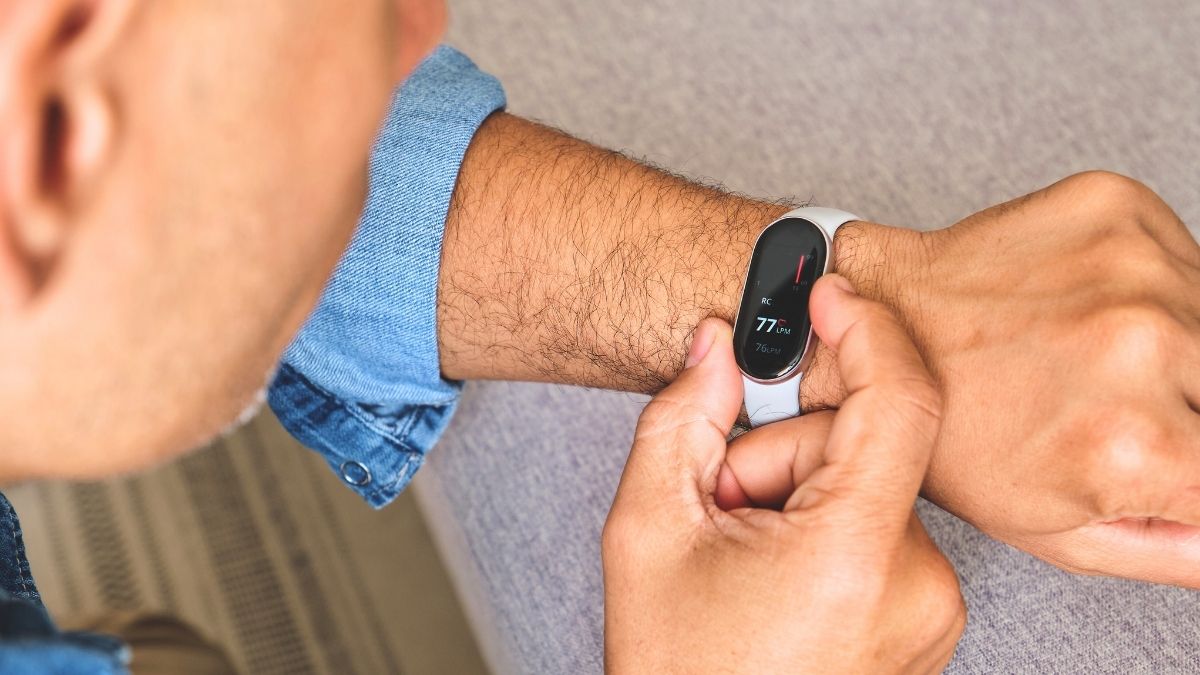
Heart rate monitors help. Chest straps are most accurate. Watches work too. Track your training intensity and adjust.
The gold standard is lactate testing at 1.7-1.9 mmol/L. Most people don’t need this level of precision.
Your Zone 2 Training Protocol (Beginner to Advanced)

Start where you are. Don’t jump ahead.
Beginners: 2-3 sessions per week, 20-30 minutes each. Walk. Bike slowly. Just stay in Zone 2. Build the habit first. Increase duration by 10% per week maximum.
Intermediate: 3-4 sessions weekly, 30-60 minutes each. You can jog slowly, swim, or cycle. Aim for 150 minutes total per week. Your body adapts. Your workout frequency increases naturally.
Advanced: 4-5 sessions weekly, 45-90 minutes each. Research shows 3-5 hours weekly gives optimal longevity benefits. Mix activities to prevent boredom.
Most experts recommend the 80/20 rule: 80% Zone 2, 20% high-intensity work. Elite athletes follow this. You should too.
Sample week for beginners: Monday 30 minutes walk, Wednesday 30 minutes bike, Friday 30 minutes walk, Sunday 45 minutes easy jog. That’s your training plan. Simple. Effective. Progressive overload happens through consistency and gradual increases.
Common Zone 2 Mistakes (And How to Avoid Them)

The biggest mistake? Going too hard. 70% of self-reported “easy runs” are actually Zone 3. You think you’re in Zone 2, but your ego pushes you faster.
Solution: check your heart rate. Use a monitor. Stay honest. Slow down more than you think you need to.
Second mistake: inconsistency. You do Zone 2 for two weeks, then quit. Benefits disappear within 2-3 weeks. You need volume and consistency, not occasional effort.
Third mistake: skipping heart rate monitoring. Your heart rate varies 10-15 beats per minute based on stress, sleep, and hydration. What felt like Zone 2 yesterday might be Zone 3 today. Check every session.
Fourth mistake: ego. You feel slow. You see faster runners. You want to speed up. Don’t. Elite athletes do 80% of training in Zone 2 for a reason. It works.
Fifth mistake: ignoring recovery and nutrition. Zone 2 is low-intensity, but you still need rest days and proper fuel.
Lastly,

Zone 2 training works at the cellular level. It builds mitochondria, preserves telomeres, and reduces inflammation. You don’t just feel younger. You actually slow aging from the inside out.
Start with three 30-minute sessions this week. Your future self will thank you. Begin your Zone 2 training journey today.
Discover how Zone 2 training slows aging at the cellular level. Learn the science behind running slower to look younger and live better.