Urgent Health Warning: Never Ignore These 3 Signs When You Wake Up

Every morning, your body sends you a health report. Most people ignore it.
Millions of people wake up with headaches, exhaustion, or a racing heart. They grab a coffee, pop a painkiller, and move on. They blame stress. They blame age. They blame a bad night.
But here is the truth. These three morning symptoms are not random. They are clinically documented warning signs of real, serious conditions. Conditions that get worse the longer you wait.
This article will show you exactly what these three signs mean, what the science says about each one, and what you can do right now in 2026. No medical degree needed. No guesswork. Just clear information that could protect your health before things go from bad to worse.
This article is structured into 3 points—read them one by one to learn the warning signs you should never ignore when you wake up and why early attention can protect your health.
Point One: You Sleep 8 Hours But Wake Up Completely Drained
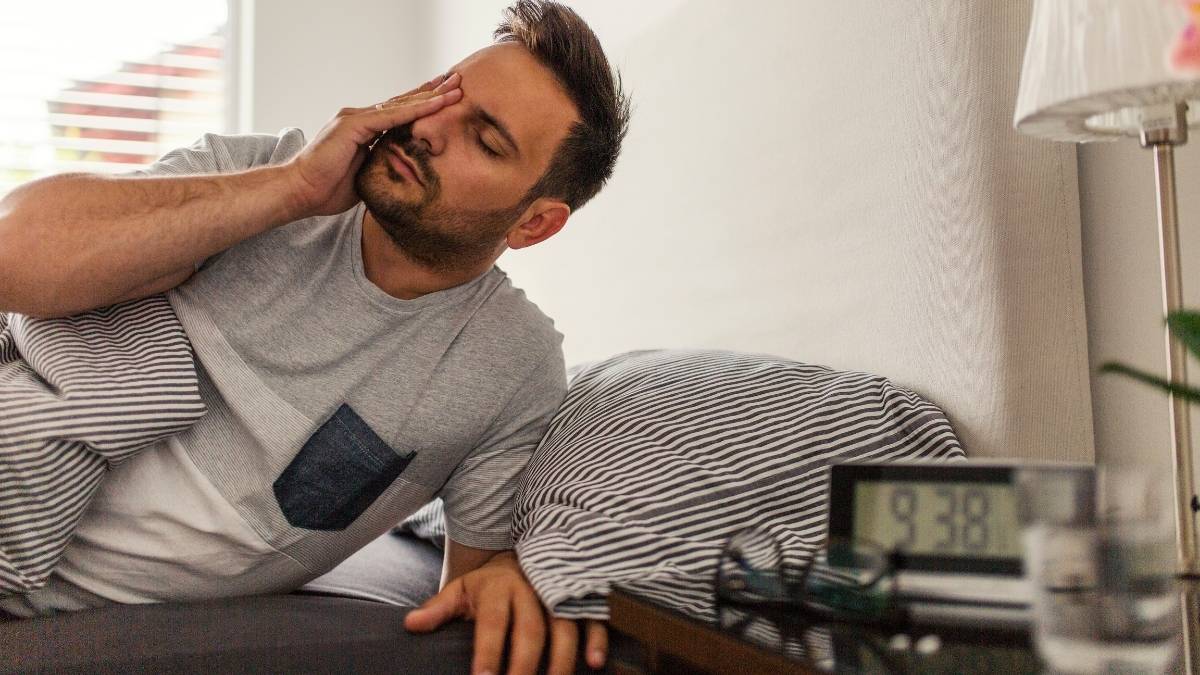
You set your alarm. You slept eight hours. You did everything right. So why do you feel like you never slept at all?
This is not laziness. It is not stress. If you wake up exhausted more than three mornings a week — for a month or longer — something is wrong. And the most common cause is one most people have never been tested for: obstructive sleep apnea (OSA).
With OSA, your airway collapses during sleep. You stop breathing for 10 to 30 seconds. This happens hundreds of times a night. Your brain wakes you just enough to restart breathing — but not enough for you to remember it. The result is exhaustion no amount of sleep can fix.
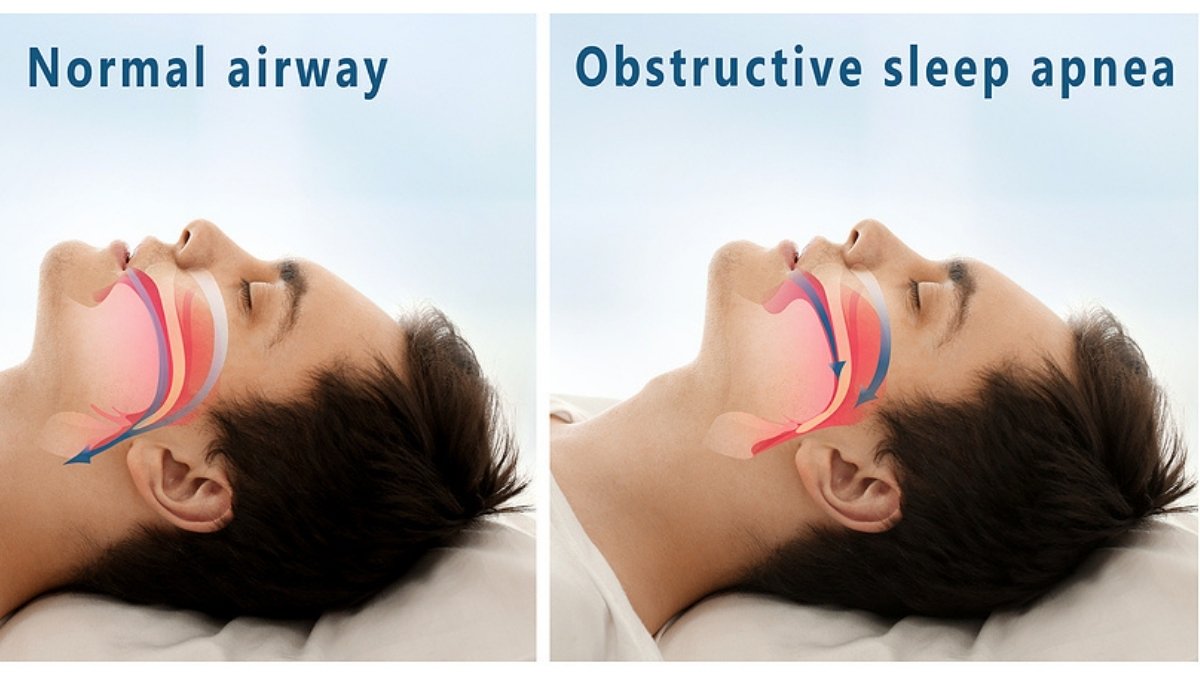
According to the American Academy of Sleep Medicine, 30 million Americans have OSA. Only 6 million have been diagnosed. Up to 90% of moderate to severe cases go undiagnosed. The FDA confirms that untreated OSA increases the risk of heart attack, stroke, and type 2 diabetes.
Dr. Caroline Baran, MD, sleep specialist at Geisinger (2025), says it plainly: “Recognizing symptoms early can help you get treatment before the related health issues go from bad to worse.”
3 Tips You Can Act On Today:
- Track how often you wake up exhausted. If it is 3 or more times per week for a month, tell your doctor — do not wait.
- Ask your bed partner if you snore, stop breathing, or gasp during sleep. These are the three clearest signs of OSA.
- Ask your doctor about an FDA-cleared at-home sleep test. You no longer need an overnight lab visit to get diagnosed.
Point Two: You Wake Up With a Headache Before You Even Move

Most people blame a morning headache on dehydration or bad sleep. Sometimes that is true. But if a headache is there before you even sit up — waiting for you every single morning — that is a different problem.
A morning headache that is consistent, sits on both sides of your head, feels like pressure, or gets worse when you lie down is not a normal headache. According to MedlinePlus (National Library of Medicine), headaches that worsen in the morning, wake you from sleep, or come with nausea or vision changes need medical evaluation. No exceptions.
The most common cause is again sleep apnea. When your airway gets blocked during sleep, oxygen drops, blood vessels expand, and CO2 builds up. This combination triggers head pain. Research shows more than 30% of people with OSA experience morning headaches, and 90% report improvement after starting CPAP therapy.
The second major cause is nocturnal hypertension — high blood pressure during sleep. University Hospitals confirmed in January 2025 that this is a real and underrecognized type of morning headache. A large PubMed population study found morning headaches affect 1 in 13 people, with rates nearly three times higher in people with insomnia.
3 Tips You Can Act On Today:
- Keep a 10-day morning headache log. Write down the time, location (one side or both), and how it feels (pressure, throbbing, dull). Bring this exact log to your doctor.
- If your morning headache comes with blurred vision, vomiting, or a stiff neck — go to urgent care that day. Do not wait.
- Request a blood pressure check at home. You can get a basic monitor for under $30 at any pharmacy and track your readings for one week before your appointment.
Point Three: Your Heart Is Already Racing Before You Get Out of Bed

Your eyes open. It is 6 AM. Nothing happened. No bad dream. No alarm. But your heart is pounding, your chest feels tight, and dread is already sitting on top of you.
This is real. And it has a real cause.
Every morning, your adrenal glands release cortisol as part of your natural wake-up system. This is called the cortisol awakening response (CAR). According to Dr. Sarah Johnson, psychiatrist at Klarity Health (November 2025):
“The cortisol awakening response is a 50–60% increase in cortisol levels occurring 30–45 minutes after waking up. For someone already prone to anxiety, this natural hormonal surge can feel like an anxiety attack.”
For most people, this is mild. For people who are already stressed, sleep-deprived, or running on poor nutrition, the surge activates the brain’s fear center — the amygdala — and creates a full physical anxiety response.
There is also a blood sugar factor most people miss. If your glucose crashes overnight, your body releases cortisol and adrenaline to raise it. This creates the exact same physical feeling as anxiety: racing heart, shaking, and irritability — all before your first cup of coffee.
A six-year study cited by Milwaukee Therapy Insight (2025) found that people with a high cortisol awakening response were significantly more likely to develop their first anxiety disorder within the study period.
3 Tips You Can Act On Today:
- Do not check your phone for the first 15 minutes after waking. Phone stimulation triggers an additional cortisol release and makes morning anxiety worse immediately.
- Try 4–7–8 breathing the moment you feel your heart racing: inhale for 4 seconds, hold for 7, exhale for 8. This activates your parasympathetic nervous system and works within minutes.
- Eat a small protein-based snack before bed — a boiled egg, Greek yogurt, or a handful of nuts. This stabilizes blood sugar overnight and directly reduces the cortisol spike that causes morning racing heart.
Lastly,

Your morning symptoms are not random and they are not normal. Waking up exhausted points to sleep apnea. A daily morning headache points to OSA or blood pressure problems. A racing heart points to cortisol or anxiety. All three are treatable. Start a morning symptom log today. Share it with your doctor. Your body is already talking — it is time to listen.