The Hidden Diseases That Progress Faster After 50, Here’s What to Watch

Turning 50 is often celebrated as a major life milestone, but new science reveals it is also a critical biological turning point. Recent research has discovered that aging isn’t a slow, steady slide.
Instead, our bodies hit a “speed bump” around the fifth decade where biological processes accelerate significantly. During this time, silent changes in our blood vessels, muscles, and organs can begin to take root long before we feel any symptoms.
The good news is that we now know exactly what to look for. By 2025, medical experts have moved beyond basic check-ups to a more advanced “audit” of your health. This guide breaks down the hidden risks that spike after 50 and offers a simple, actionable plan to catch them early while they are still reversible.
1. The Heart: Why Your Cholesterol Test Might Be “Lying”
For years, we’ve been told to watch our “bad cholesterol” (LDL). However, doctors now know that a standard cholesterol test can miss the full picture, especially for people over 50. You can have “normal” cholesterol levels but still be at risk for plaque buildup in your arteries.
What’s Happening: As we age, the number of particles carrying cholesterol matters more than just the total amount of cholesterol. Imagine your bloodstream is a highway. It’s not just about how many passengers (cholesterol) are on the road, but how many cars (particles) are clogging up traffic. A standard test counts the passengers; new tests count the cars.
What to Watch:
- ApoB (Apolipoprotein B): This blood test counts the actual number of particles that can clog arteries. It is a much more accurate predictor of heart attacks than standard LDL cholesterol.
- Lp(a) (Lipoprotein ‘little a’): This is a genetic “sticky” type of cholesterol that causes clots. Diet and exercise don’t change it much, so you only need to test for it once in your life to know your genetic risk.
- CAC Score (Calcium Score): This is a quick CT scan of your heart. It looks for calcified plaque in your arteries. A score of zero is excellent, but any higher score means you need to take action immediately.
2. The Muscles: It’s Not Just “Getting Old”
Feeling weaker or having trouble opening a jar isn’t just a normal part of aging—it could be a medical condition called Sarcopenia.
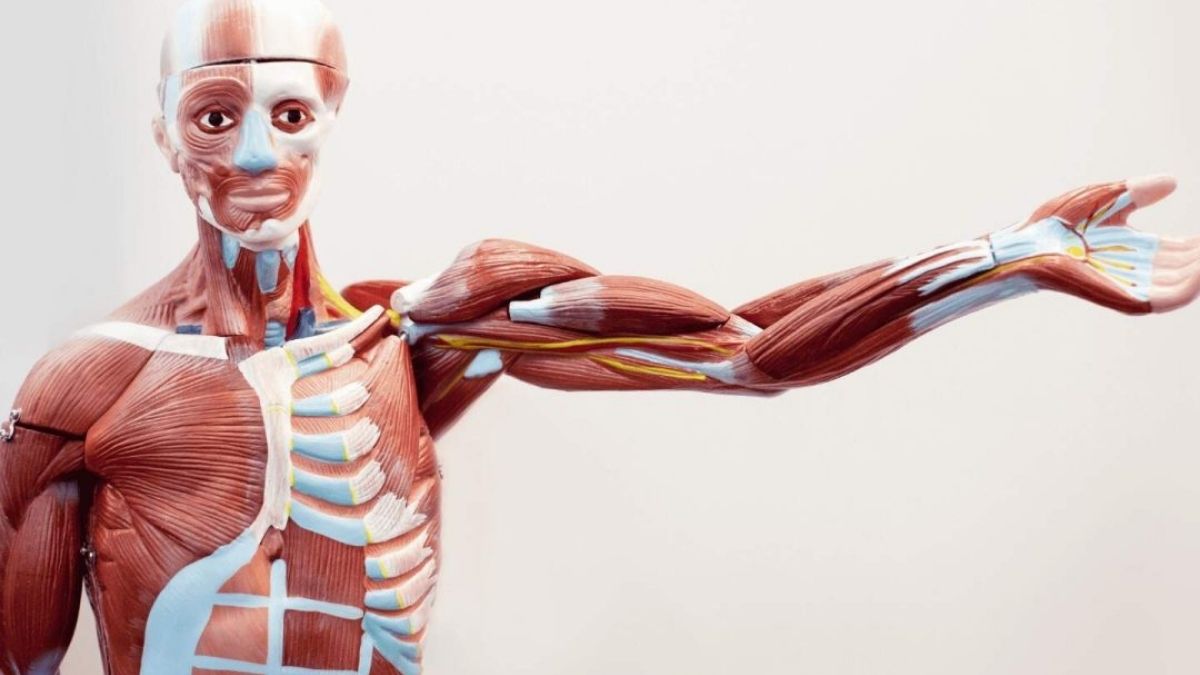
What’s Happening: Around age 50, the body becomes less efficient at turning protein into muscle. This can lead to a condition called Osteosarcopenia, where you lose muscle and bone strength at the same time. This “double trouble” dramatically increases your risk of falls and fractures.
What to Watch:
- Grip Strength: This is a surprisingly powerful test. If your handgrip is weak, it often signals that you are losing muscle mass throughout your entire body.
- Silent Spine Fractures: Many people over 50 have tiny “silent” fractures in their spine that don’t cause major pain but lead to height loss and a hunched back. A standard bone density scan (DEXA) might miss these if it doesn’t look at bone quality.
3. The Brain & Senses: The Hearing-Dementia Link
We often treat hearing loss as a nuisance, but 2025 research shows it is the number one modifiable risk factor for dementia.
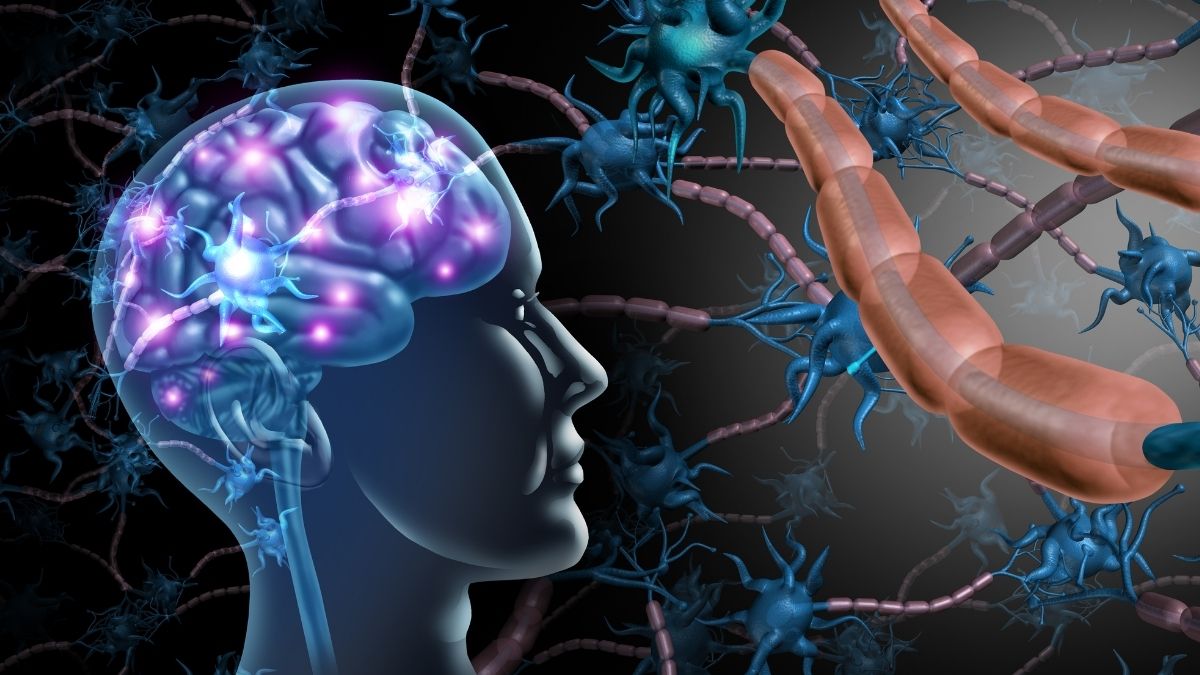
What’s Happening: When you can’t hear well, your brain has to work overtime just to understand speech. This constant “cognitive load” exhausts the brain, stealing energy away from memory and thinking. This extra stress can accelerate cognitive decline.
What to Watch:
- The “Restaurant Test”: If you can hear fine in a quiet room but struggle to follow a conversation in a noisy restaurant, you may have “hidden hearing loss.” Don’t wait until you are deaf to get checked.
- Glaucoma: Known as the “silent thief of sight,” this disease damages the optic nerve often without any pain or early vision changes. By the time you notice blurry spots, the damage is permanent. Everyone over 50 needs a comprehensive eye exam, not just a vision chart test.
4. The Liver: The Silent Epidemic
A condition formerly known as “Fatty Liver” has been renamed MASLD (Metabolic Dysfunction-Associated Steatotic Liver Disease) to reflect its link to metabolism.

What’s Happening: You don’t have to drink alcohol to get liver disease. High blood sugar, excess weight, and high blood pressure can cause fat to build up in the liver. This scars the organ over time (fibrosis), often with zero symptoms until it is too late.
What to Watch:
- FIB-4 Score: This is a simple calculation your doctor can do using your routine blood work (age, platelet count, and liver enzymes) to see if your liver is scarring.
- FibroScan: If you have risk factors like type 2 diabetes or obesity, this special ultrasound measures how stiff your liver is, catching damage early.
5. The Kidneys: A Better Way to Measure Health
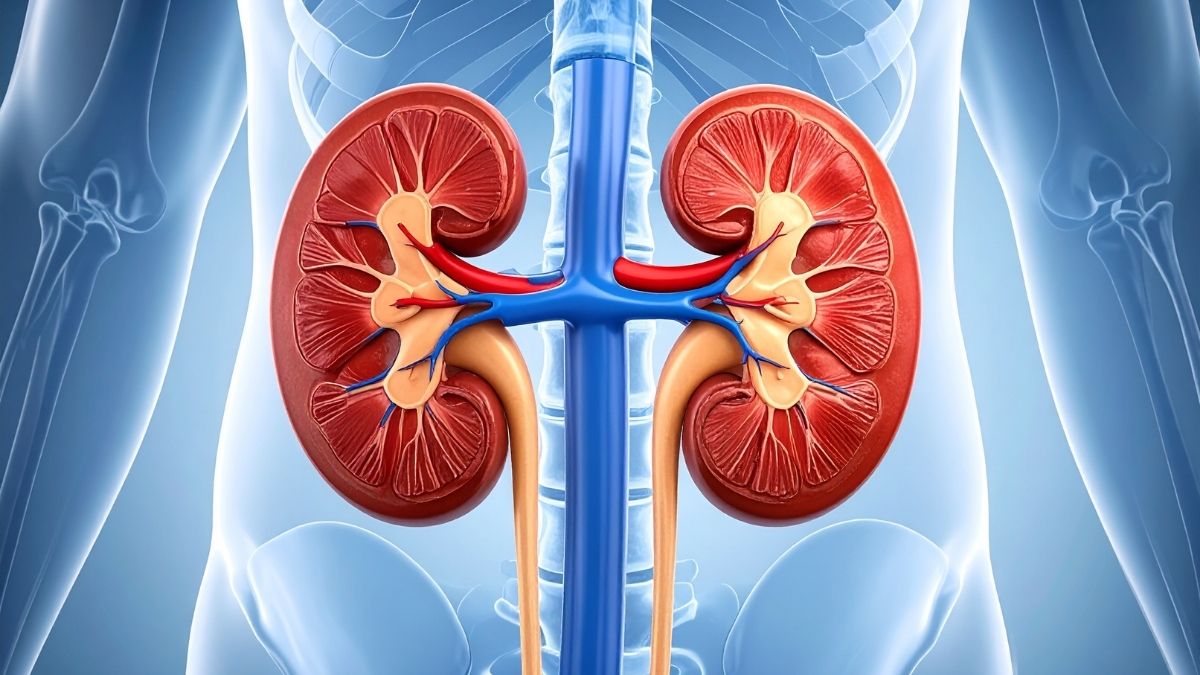
Standard kidney tests rely on “Creatinine,” a waste product from muscles. But because people over 50 often have less muscle mass, this test can sometimes give a “false positive” for good health.
What to Watch:
- Cystatin C: This is a protein found in all your cells, not just muscles. Testing for Cystatin C gives a much more accurate picture of how well your kidneys are actually filtering toxins from your blood, regardless of your muscle size or diet.
Your Action Plan for 2025
If you are over 50, don’t wait for symptoms. Schedule an “Age 50 Audit” with your doctor and ask about:
- ApoB and Lp(a) for a true heart risk check.
- A Grip Strength Test to screen for muscle loss.
- A Hearing Exam that includes testing in background noise.
- A FIB-4 Score to check your liver health.
- Cystatin C for an accurate kidney function reading.
Catching these silent accelerators early is the secret to ensuring your next decades are not just long, but healthy and active.
Final Thoughts:
Turning 50 doesn’t mean decline is inevitable. By shifting from reactive fixes to proactive checks, you control your aging curve. Don’t rely on standard tests designed for the average; ask for the advanced “audit” outlined here.

Prioritize your muscle strength, protect your senses, and check your silent markers like ApoB and Cystatin C. These small, actionable steps today buy you decades of vitality tomorrow. Start your audit now.